Chipped Canines on a Malinois From Sleeve Work
It’s a heart-stopping moment for any working dog handler: you finish a fantastic bite work session, brimming with pride over your Malinois’s drive and focus, only to notice it. That tell-tale chip, a tiny fracture on one of those magnificent canines, suddenly making your stomach drop. It’s a common, frustrating reality for dogs engaged in high-impact sports, and this guide is here to walk you through everything you need to know about managing chipped canines from sleeve work.
Understanding Why Chipped Canines Happen in Working Malinois
When your Belgian Malinois is engaged in bite work, whether it’s IGP, KNPV, or Ring Sport, they are not just playing fetch; they are engaging in a highly athletic, forceful activity that puts immense pressure on their bodies, especially their mouths. Those powerful jaws and the intense grip they apply are what make them so effective, but it also comes with risks.
The Nature of Bite Work and Canine Impact
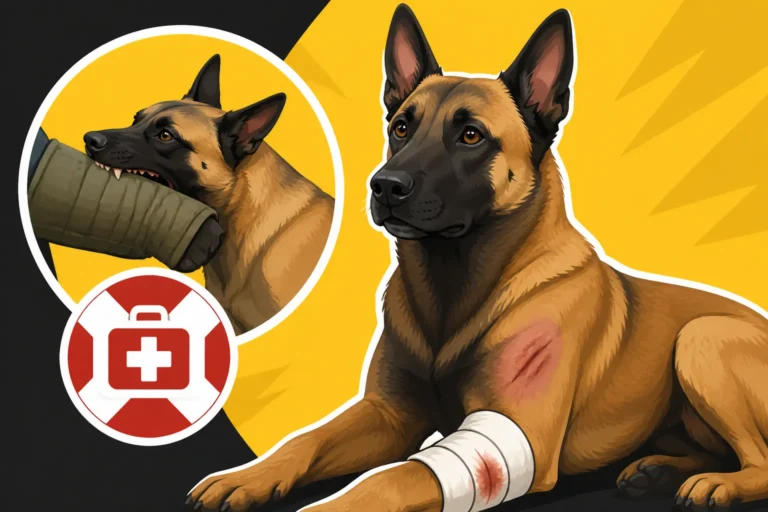
The forces involved in bite work are truly astonishing. When your Malinois hits a sleeve or a full bite suit, they are doing so with incredible speed and power, often at full extension of their body. The initial impact of their jaws closing around the material, followed by the sustained, crushing grip, and the dynamic tugging, creates a perfect storm for dental injury. Think about the physics: a fast-moving, heavy object (your dog) applying maximum force to a relatively hard, unyielding surface (the tightly packed fabric and foam of a sleeve).
Their canines, those long, pointed teeth, are designed for tearing and holding, not necessarily for absorbing blunt-force trauma repeatedly. They are the first point of contact and bear the brunt of the initial impact. Over time, or with one particularly hard bite, the stress can simply be too much for the enamel and underlying dentin. It's not a reflection of poor technique from the dog or handler, but an inherent risk of the sport itself. We ask these dogs to perform at peak physical condition, and sometimes, even with the best equipment, accidents can happen. It's a tough pill to swallow when you see that damage, knowing how dedicated your dog is to the work.
Recognizing the Signs of a Chipped Tooth
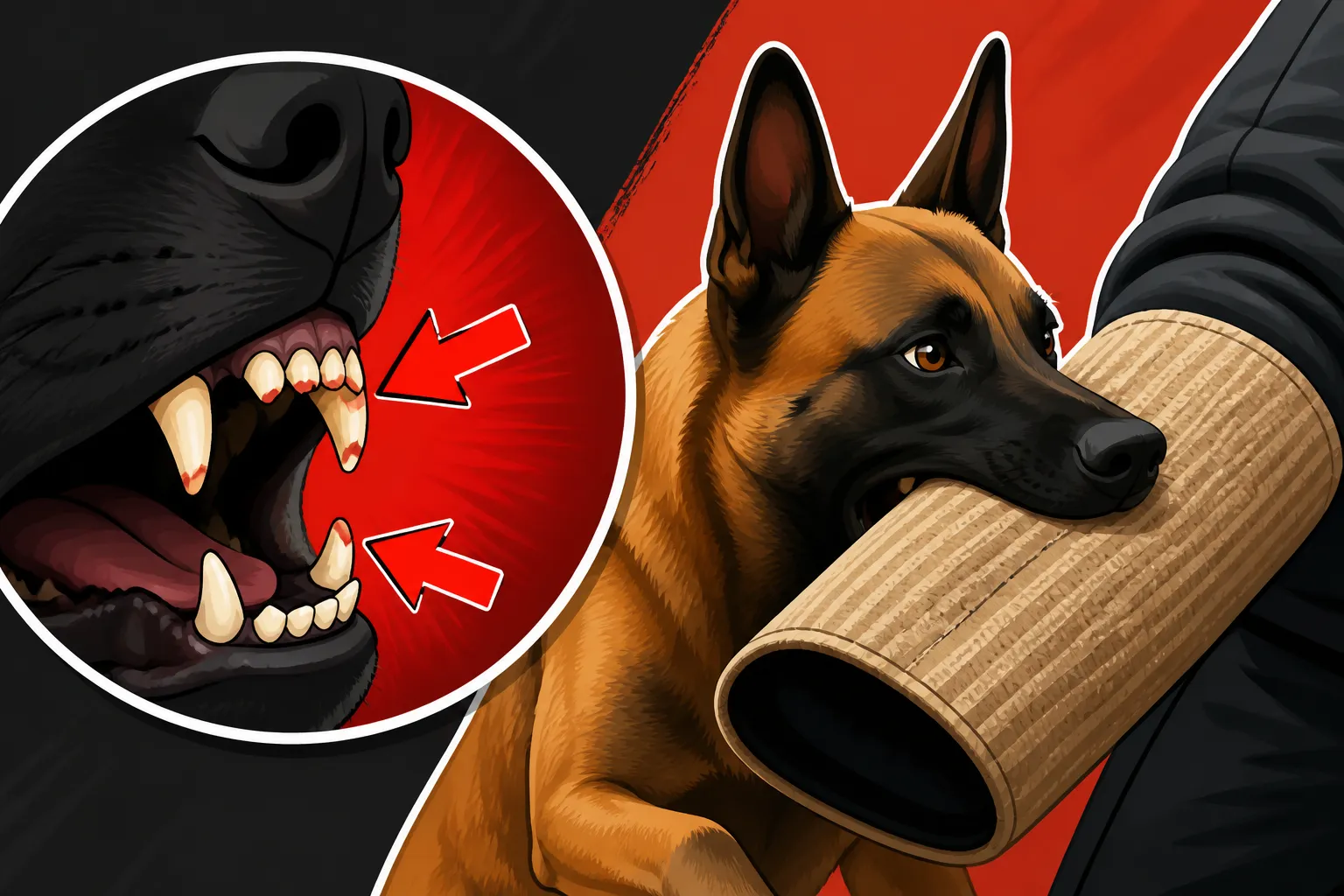
Sometimes, a chipped canine is glaringly obvious – a missing piece of tooth, perhaps even some bleeding if the fracture is deep. But often, it's more subtle, a small chip on the tip or side that you might only notice during a routine Checking a Belgian Malinois's Canines After Training. That’s why a thorough post-training inspection of your dog’s mouth should be as standard as checking their pads or muscles.
Look for visual cues first. Is there a visible piece of the tooth missing? Does the tooth look discolored, perhaps a little darker in the chipped area, which could indicate pulp exposure? You might see a fine line, a crack, rather than a full chip. Beyond what you can see, observe your dog's behavior. Are they suddenly reluctant to take the sleeve or tug in the same way? Do they flinch when you touch their mouth? Are they pawing at their face, drooling excessively, or showing a decreased appetite? Any change in behavior related to their mouth or bite can be a red flag. Sometimes, the only sign might be a sudden sensitivity to cold water or a change in how they chew their food. Don't dismiss these subtle signs; your Malinois is incredibly stoic and may try to hide discomfort to keep working.
Immediate Steps and Veterinary Assessment for a Chipped Canine
Discovering a chipped tooth can be alarming, but knowing what to do immediately can make a significant difference in your dog's comfort and the eventual outcome. Panic is a natural reaction, but a clear head and prompt action are what's needed.
First Aid at Home and Urgent Care
The moment you suspect a chipped canine, the first thing to do is remain calm and gently examine your dog's mouth if they allow it without showing signs of aggression. If there's any active bleeding, a clean cloth or gauze can be used to apply gentle pressure, similar to how you’d treat a cut. You can also rinse their mouth with lukewarm water to clear away any debris or blood, which might give you a clearer view of the damage. However, do not probe the area or try to clean it excessively, especially if the pulp (the soft, living tissue inside the tooth) appears to be exposed, as this can introduce bacteria and worsen the situation.
The next critical step is to contact your veterinarian. Describe what you've observed, including any behavioral changes. Your vet can advise you on whether it’s an urgent care situation or if an appointment within the next day or two is sufficient. If the chip is deep and the pulp is exposed (it might look like a dark, red, or pink dot in the center of the tooth), it constitutes a dental emergency. Exposed pulp is extremely painful and leaves the tooth vulnerable to infection, which can quickly spread to the jawbone. In such cases, your dog needs to be seen as soon as possible, ideally within a few hours, to minimize pain and prevent further complications. Don't try to manage the pain with human medications; many are toxic to dogs.
Comprehensive Veterinary Examination and Diagnosis
Once you're at the vet, they will perform a thorough oral examination. This typically involves visually inspecting all teeth, probing the chipped area gently to assess the depth of the fracture and check for pulp exposure, and looking for any associated soft tissue damage in the gums or tongue. Because much of a tooth's structure, especially the roots, is hidden beneath the gum line, dental X-rays are absolutely crucial for a proper diagnosis.
Dental X-rays allow your vet to see the entire tooth, including the root and the surrounding bone. They can reveal fractures that extend below the gum line, identify abscesses or infections at the root tip, and assess the health of the pulp chamber. Without X-rays, even a seasoned vet can miss critical damage, leading to ineffective treatment or recurring issues. In many cases, especially with working dogs, your general practice vet might recommend consulting a board-certified veterinary dentist. These specialists have advanced training and equipment to handle complex dental cases, including intricate root canals or surgical extractions, ensuring the best possible outcome for your Malinois. They can offer a more precise diagnosis and a wider range of advanced treatment options than a general practitioner might.
Treatment Options and Long-Term Management
The good news is that a chipped canine isn't necessarily a career-ender for your working Malinois. There are several effective treatment options, tailored to the severity of the injury, that can get your dog back to doing what they love, safely and comfortably.
Addressing Different Levels of Damage
The specific treatment for a chipped canine depends entirely on the depth of the fracture and whether the pulp chamber has been exposed. What starts as a simple cosmetic issue can quickly become a serious health concern if the sensitive interior of the tooth is compromised.
For enamel fractures, which are superficial chips involving only the outer layer of the tooth, treatment is often minimal. The rough edges of the chip might be smoothed down by the vet to prevent irritation to the tongue or gums. In some cases, a dental bonding agent might be applied to restore the tooth's surface and protect it. These are usually less painful and have a quick recovery.
When the fracture extends into the dentin (the layer beneath the enamel) but without exposing the pulp, it's called an uncomplicated crown fracture. These can be painful due to exposed dentinal tubules, which transmit sensations to the pulp. Treatment often involves cleaning the area, applying a protective dental bonding material, and sealing the exposed dentin to reduce sensitivity and prevent bacterial invasion. Sometimes, a vital pulp therapy, or direct pulp capping, might be considered if the exposure is very recent and minor, aiming to preserve the living pulp.
The most serious type is a complicated crown fracture, where the chip exposes the pulp chamber. This is incredibly painful and a direct pathway for bacteria into the tooth's interior and potentially into the bloodstream. For these cases, there are two primary routes:
- Root Canal Therapy: This is often the preferred option for working dogs, as it saves the tooth. The infected or damaged pulp is removed, the root canal is cleaned and disinfected, and then filled and sealed. This procedure preserves the structural integrity of the tooth, allowing the Malinois to continue using it for biting and gripping. Recovery typically involves a period of rest and antibiotics, but the dog retains its natural bite. The cost of a root canal for a working dog's canine can be significant, as detailed in articles like The Cost of Repairing a Malinois's Broken Canine.
- Extraction: If a root canal isn't feasible due to the extent of the damage, cost, or other factors, extraction is the alternative. While it removes the source of pain and infection, it also means losing a crucial working tooth. This can impact the dog's ability to grip effectively or apply the same force in bite work. This decision needs careful consideration with your vet and trainer. For more on the financial aspect, see What Extracting a Malinois's Tooth Costs.
For severe fractures, or as an added layer of protection after a root canal, your vet might recommend a titanium crown. These custom-fitted crowns cap the tooth, providing superior strength and protection. While they are a significant investment, many handlers find them worthwhile for preserving a working dog’s bite. Whether Titanium Crowns Are Worth It on a Malinois is a question many owners grapple with, considering their durability and the long-term benefit for a high-drive dog.
Here's a quick comparison of typical treatments:
| Treatment Type | Damage Level | Procedure Summary | Approximate Cost Range (USD) | Suitability for Working Malinois |
|---|---|---|---|---|
| Smoothing/Bonding | Enamel/Minor Dentin Fractures (uncomplicated) | Reshape rough edges, apply protective sealant. | $150 – $500 | Good |
| Pulp Capping | Minor Pulp Exposure (very recent) | Protect exposed pulp, stimulate healing. | $500 – $1,000 | Good if successful |
| Root Canal Therapy | Pulp Exposure (complicated fracture) | Remove infected pulp, clean, fill, seal canal. | $1,500 – $3,000+ | Excellent (preserves tooth) |
| Extraction | Severe damage, infection, alternative to root canal | Surgical removal of the entire tooth. | $500 – $1,500 | Reduces bite strength/grip |
| Titanium Crown | Post-root canal or severe fracture protection | Custom metal cap over tooth, strong and durable. | $2,000 – $4,000+ | Excellent (maximum protection) |
Note: Costs are estimates and can vary widely based on location, veterinarian, and complexity.
Prevention Strategies and Ongoing Care
While accidents happen, there are proactive steps you can take to minimize the risk of chipped canines and ensure the longevity of your Malinois's teeth. Firstly, consistent and thorough Tooth Care for a Belgian Malinois That Bites for Sport is paramount. This isn't just about fresh breath; it's about identifying potential issues early.
Regular dental check-ups with your veterinarian, ideally twice a year for working dogs, are crucial. These check-ups should go beyond a quick glance and include a detailed oral exam. Your vet can spot subtle cracks or signs of wear and tear before they escalate into major problems. When it comes to training, collaborate with your decoy and trainer to ensure appropriate bite equipment is used. While tough, bite sleeves and suits are designed to absorb impact. Overly hard or thin materials, or inconsistent "give" in the equipment, can increase stress on the teeth. Ensure your dog is always targeting the proper grip on the sleeve, avoiding shallow bites or impacts directly on the hardest parts of the equipment.
Beyond training, be mindful of what your Malinois chews on at home. While chewing is a natural and necessary behavior for Malinois, especially those with high drive, very hard items like real bones, antlers, or ice cubes can cause fractures, even in healthy teeth. Opt for Chews That Will Not Fracture a Malinois's Canines, such as rubber KONGs or softer dental chews. Even toys can be a culprit if they're too hard or your dog bites down with extreme force on them.
Maintaining overall oral hygiene, including regular brushing if your Malinois tolerates it, can also contribute to healthier teeth and gums, making them more resilient to injury. Remember, these dogs are athletes, and like any athlete, their equipment (including their teeth) needs meticulous care and attention to detail.
Financial Implications and Insurance Considerations
Let's be real, owning a working Belgian Malinois is an investment, not just in time and training, but also financially. Dental injuries, especially those requiring specialized care like root canals or crowns, can lead to unexpected and substantial vet bills.
Understanding the Costs of Dental Repairs
The financial reality of a chipped canine can be a shock. As the table above illustrates, even minor treatments like smoothing a rough edge can cost a few hundred dollars. If your Malinois needs a root canal, you're looking at anywhere from $1,500 to $3,000 or more per tooth. And if you opt for the ultimate protection and durability of a titanium crown, that's another $2,000 to $4,000 on top of the root canal. These figures can quickly escalate if there are complications, follow-up visits, or if more than one tooth is affected. When you consider What a Crown on a Malinois Canine Costs or The Cost of Repairing a Malinois's Broken Canine, it becomes clear that these aren't minor expenses.
These costs are often higher because veterinary dentistry requires specialized equipment (dental X-ray machines, drills, composite materials, anesthesia monitoring) and the expertise of either a general vet with a strong interest in dentistry or a board-certified veterinary dental specialist. For a working dog, you want the best possible outcome to ensure they can continue their sport or job, and that often means seeking out these specialists, which naturally comes with a higher price tag. It's not uncommon for a single dental incident to result in The Vet Bills a Bite Sport Belgian Malinois Runs Up becoming a significant drain on your savings if you're not prepared.
How Pet Insurance Can Help
This is where pet insurance, like Healthy Paws, can become an absolute lifesaver. Many owners of high-drive, working breeds recognize the value of having a safety net for unexpected injuries and illnesses. Pet insurance plans typically cover accidents and illnesses, and this often includes dental injuries like chipped or fractured teeth, as long as they aren't pre-existing conditions.
A plan from a provider like Healthy Paws can significantly offset the financial burden of these costly procedures. Imagine facing a $2,500 root canal, and with an 80-90% reimbursement rate, you're only responsible for a fraction of that amount after your deductible. This peace of mind allows you to make medical decisions based on what’s best for your Malinois’s health and working future, rather than solely on your budget. When considering What Insuring a Two Year Old Malinois Runs Monthly, weigh it against the potential cost of a single major dental procedure.
It's important to read the fine print of any pet insurance policy to understand what's covered, what the deductibles and reimbursement rates are, and if there are any waiting periods for specific conditions. Some policies might have limitations on dental care, so always confirm that accidental dental injuries from things like bite work are included. Having a comprehensive policy can be the difference between a quick return to work for your Malinois and a long period of stress and financial strain. It truly helps to be prepared for those inevitable bumps and scrapes that come with owning such a driven athlete.
Disclaimer
Please note that the information provided in this guide is for informational purposes only and is not a substitute for professional veterinary advice. Always consult with a qualified veterinarian or a board-certified veterinary dental specialist for any medical concerns or before making any decisions regarding your Belgian Malinois's health and treatment.