Torn Nails on a Malinois Working Hard Surfaces
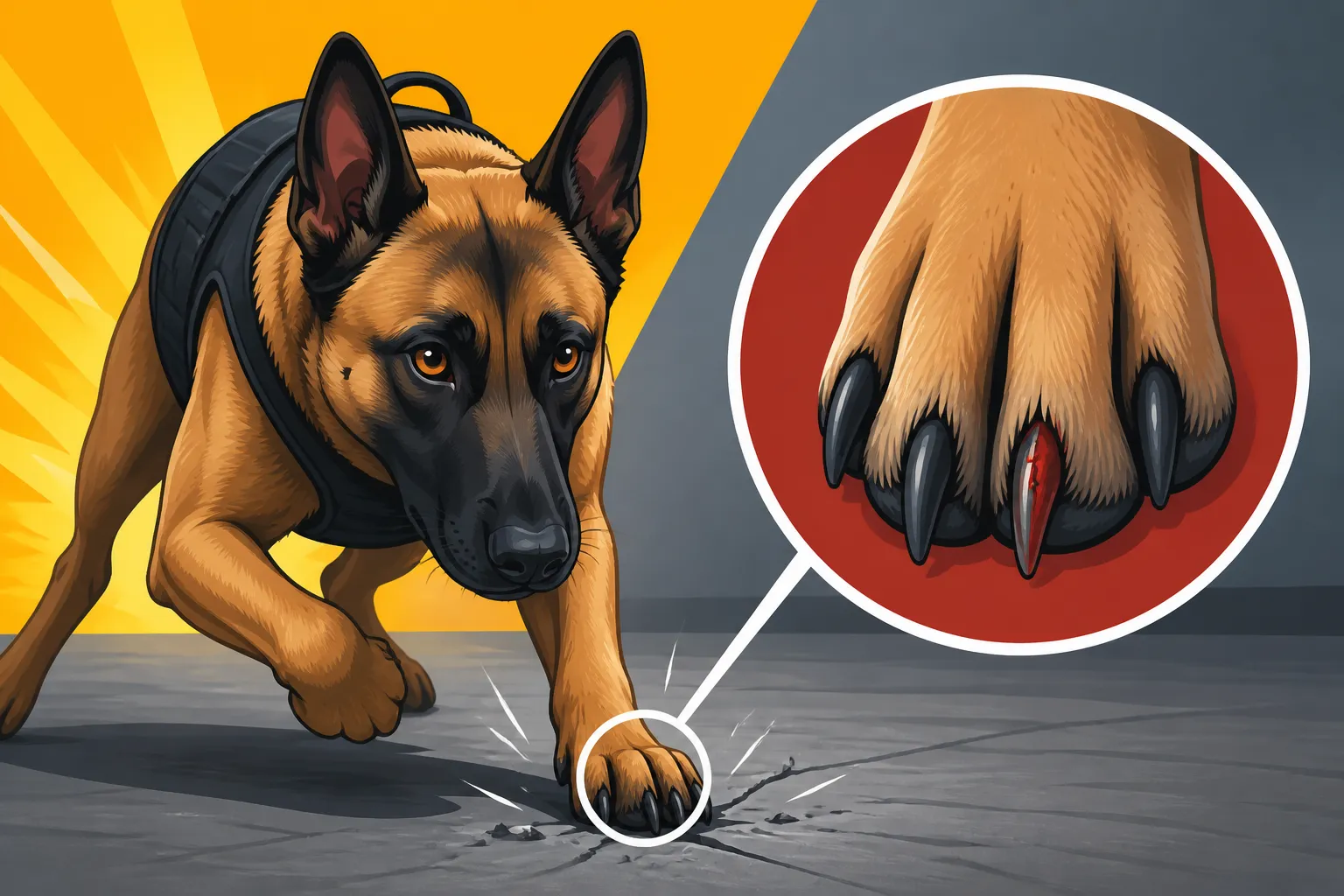
Few things can bring a high-drive Belgian Malinois to a screeching halt faster than a torn nail. It's a sudden, excruciating pain that often happens when they're giving their all, driving hard on unforgiving concrete or asphalt. This guide will walk you through understanding why these injuries occur, how to address them swiftly and effectively, and most importantly, how to minimize the chances of your working partner suffering from such a painful setback.
Why Malinois Nails Tear on Hard Surfaces
A Belgian Malinois is a powerhouse of muscle, speed, and agility, often pushing off with incredible force from their hindquarters and planting firmly with their front feet. When this explosive energy meets hard, abrasive surfaces like concrete, asphalt, or even packed gravel, their nails can become vulnerable. It’s not just about the wear and tear; it’s about the sudden, violent movements these dogs perform.
The Dynamics of High-Impact Movement
Think about a Malinois in full drive, whether it's during a bite work session, an agility run, or a intense game of fetch in the park. They accelerate from a standstill to top speed in seconds, make sharp turns that defy gravity, and slam on the brakes to engage a decoy or retrieve a ball. Each one of these maneuvers puts immense stress on their paws and, crucially, their nails. On a soft surface like grass or dirt, the ground gives a little, absorbing some of that impact. But on hard concrete, there's no give. The nail is caught between the force of the dog's body weight and the unyielding ground.
Imagine your Malinois making a lightning-fast pivot. Their pads grip, but a nail, especially one that's a bit too long or has a minor pre-existing crack, might catch or bend unnaturally. The sheer leverage from their powerful leg muscles can twist or rip the nail from its quick, or even entirely avulse it from the toe. This is particularly common in sports like IGP (formerly Schutzhund) or PSA, where dogs are expected to work at peak intensity on various terrains. The combination of intense focus and physical exertion means they often don't self-regulate or protect their feet as they might during a leisurely stroll.
The Role of Nail Length and Condition
This might seem obvious, but proper nail length is absolutely paramount for a working Malinois. Most Malinois handlers are meticulous about their dog’s physical condition, but sometimes, nail length can be overlooked or underestimated in its importance. Nails that are too long extend beyond the pad, creating a lever that can catch and tear. Even if they don't catch, long nails change the way a dog's foot makes contact with the ground, affecting their natural gait and potentially leading to other orthopedic issues down the line. It's a domino effect that starts with something seemingly small.
Conversely, nails that are too short, or trimmed improperly, can also be problematic. If the quick is exposed or traumatized during trimming, it weakens the nail structure, making it more prone to cracking or splitting when subjected to high force. Furthermore, the overall condition of the nail plays a huge role. Are they brittle? Are there existing micro-fractures? Dry, brittle nails, often seen in dogs with certain nutritional deficiencies or simply genetic predisposition, are far more likely to split or shatter on impact than strong, healthy ones. Consistent care, including regular checks as part of Nails, Pads and Feet on a Working Belgian Malinois, helps identify these weaknesses before they become a full-blown injury.
Immediate Action and Veterinary Care for Torn Nails
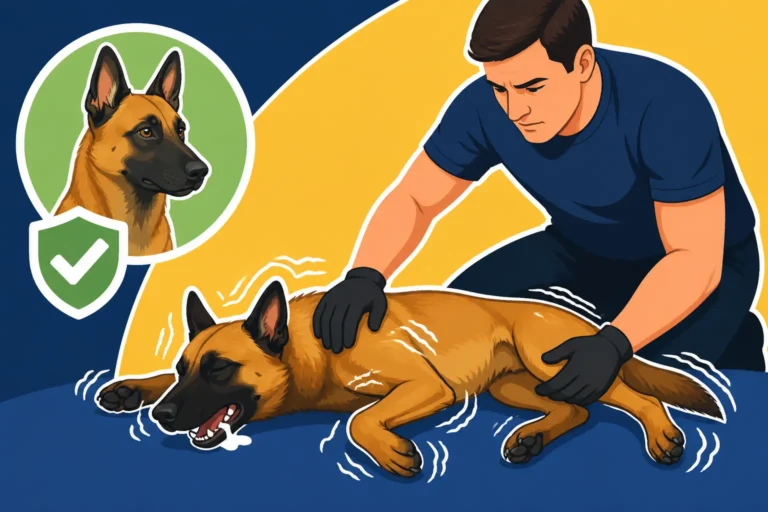
The moment you see your Malinois suddenly lift a paw, perhaps whimpering or showing reluctance to put weight on it, your heart sinks. A torn nail is almost always accompanied by visible blood and significant pain. Your immediate, calm response is crucial, not just for the dog's physical well-being but also to manage their stress and potential reactivity from pain.
Assessing the Injury and First Aid Steps
First, try to get a clear look at the injured paw. This can be tricky with a distressed Malinois, so approach calmly and speak soothingly. You might need a muzzle, even if your dog is usually good-natured, as pain can make any dog unpredictable. Gently part the paw pads to locate the source of the bleeding. A torn nail will typically be obvious – either partially detached, completely ripped off, or severely fractured with the quick exposed.
Initial First Aid:
- Control Bleeding: Torn nails, especially those torn at the quick, bleed a lot. Apply direct pressure to the bleeding area with a clean cloth or gauze. Cornstarch or styptic powder can help clot the blood; just apply a generous amount and hold pressure. If you don't have styptic, even a bar of soap rubbed firmly over the tip of the nail can help, as the soap particles act as a sealant. Continue applying pressure until the bleeding slows or stops.
- Clean the Area: Once the bleeding is somewhat controlled, gently clean the paw with warm water and a mild antiseptic solution (like diluted Betadine or chlorhexidine). This helps remove dirt, debris, and potential contaminants that could lead to infection. Be gentle, as the area will be very sensitive.
- Prevent Further Damage: If the nail is still partially attached but hanging loosely, it's often best to let a vet address it to avoid further trauma. However, if it's barely attached and causing more pain by catching, you might carefully try to remove the hanging piece if you have sterile clippers and the dog can tolerate it. This is a judgment call, and when in doubt, just stabilize and get to the vet.
- Cover and Protect: Once cleaned, apply a light, sterile bandage to the paw. This protects the exposed quick from further injury and contamination. Don't wrap it too tightly, as this can impede circulation. A clean sock secured with medical tape can work in a pinch.
When to Seek Veterinary Intervention
While some minor cracks might heal with diligent home care, a significant torn nail usually warrants a trip to the vet. This is especially true if the tear is deep, involves the nail bed, or if the entire nail has been avulsed. Your vet can properly assess the extent of the damage, ensure thorough cleaning, and provide necessary medical intervention.
Reasons for a Vet Visit:
- Severe Bleeding: If you can't get the bleeding to stop after 10-15 minutes of direct pressure.
- Complete Avulsion: If the entire nail has been ripped off, exposing the sensitive quick and nail bed. This area is extremely vulnerable to infection and requires professional cleaning and protection.
- Infection Risk: If the injury is particularly dirty, or if you notice signs of infection later (swelling, pus, redness, foul odor), antibiotics might be necessary.
- Persistent Pain: If your Malinois is still in significant pain, limping heavily, or refusing to bear weight, pain management (NSAIDs) prescribed by a vet will be beneficial.
- Complicated Fracture: Sometimes the nail might fracture up into the toe, potentially involving the bone or causing deeper trauma. An X-ray might be needed to rule out more serious issues, though this is rare for a simple torn nail.
- Reluctant Patient: If your Malinois is too fractious or in too much pain to allow you to perform first aid adequately, your vet can sedate them to properly handle the injury. For a highly driven dog like a Malinois, this is often the kindest approach. You'll want to discuss Anesthesia Protocols for a Lean Belgian Malinois beforehand if sedation is anticipated.
Your vet might trim any remaining jagged nail pieces, thoroughly clean the quick, apply an antiseptic, and then provide a protective bandage. They will likely send you home with pain medication and potentially antibiotics. They’ll also give you instructions for bandage changes and monitoring for signs of infection. Remember, Emergency Care After a Malinois Training Injury can cover a wide range of issues, and torn nails are a common culprit.
Preventing Torn Nails on Hard Surfaces
An ounce of prevention is worth a pound of cure, especially when it comes to the highly active paws of a Belgian Malinois. Proactive care and smart management of their training environment can drastically reduce the risk of a painful torn nail. It's about combining regular maintenance with intelligent operational choices.
Consistent Nail Trimming Routines
This is the cornerstone of prevention. Regular, consistent nail trims are non-negotiable for a Malinois, especially one working on varied surfaces. The goal is to keep the nails short enough that they do not touch the ground when your dog stands naturally. This allows the paw pads to bear the weight and absorb impact as they are designed to do. For a working dog, this often means trimming every 1-2 weeks, depending on how quickly your individual dog's nails grow and what surfaces they regularly traverse. You can learn more about How Fast a Kenneled Malinois's Nails Grow to tailor your schedule.
Using a Dremel tool is often preferred by many Malinois owners over traditional clippers. Clippers can sometimes pinch or crack the nail, and for dogs with dense, dark nails, it's much harder to see the quick, increasing the risk of cutting too deep. A Dremel allows you to grind down the nail gradually, rounding the edges and slowly receding the quick over time. This method is often less stressful for the dog, provided you introduce it correctly and positively. Even with a Dremel, it's a process. Getting a Malinois, known for their intensity and sometimes sensitivity, to tolerate nail trims takes patience and consistent positive reinforcement. Check out Getting a Malinois to Hold Still for Nail Trims for tips on making this routine more tolerable for your active companion. The more comfortable your Malinois is with handling their paws, the easier this crucial preventative step becomes.
Here’s a quick comparison of popular nail trimming methods:
| Method | Pros | Cons | Best For |
|---|---|---|---|
| Guillotine Clippers | Quick, readily available, inexpensive | Risk of cutting quick, can crack/split nails, less precise | Dogs with clear nails, owners experienced in quick location |
| Scissor-Style Clippers | Better control for small nails | Similar quick risk, less leverage for thick Malinois nails | Small/medium breeds, puppies, minor trims |
| Dremel/Grinder | Precise, less quick-risk, smooth finish, recedes quick over time | Noise/vibration can scare dogs, takes longer, requires practice | Malinois, dark-nailed dogs, reducing quick trauma, long-term quick recession |
| Manual File | Silent, gentle, zero quick-risk | Very time-consuming, only suitable for minor touch-ups | Very sensitive dogs, maintaining already short nails |
Paw Protection and Surface Management
Beyond nail length, consider how you can protect your Malinois's paws themselves. Dog boots or paw protectors can be invaluable, especially if your Malinois is working extensively on rough or extremely hot/cold surfaces. Brands like Ruffwear or Muttluks offer durable options designed for active dogs. While some dogs initially resist wearing boots, with positive conditioning, many tolerate them well, especially if they associate them with fun activities.
However, boots aren't a magic bullet and shouldn't replace proper nail care. They serve as an extra layer of protection against scrapes, punctures, and reducing friction that can stress nails. It’s also important to ensure they fit correctly; ill-fitting boots can rub and cause blisters.
Equally important is surface management. Whenever possible, vary your Malinois's training surfaces. If your club primarily trains on concrete, try to incorporate sessions on grass, dirt, or rubber matting. Reduce the amount of high-impact work done on abrasive surfaces, particularly for younger dogs whose growth plates are still open or older dogs with existing joint issues. While you can't always control the environment (e.g., a police K9 working city streets), for sport and companion Malinois, making conscious choices about where and when to work on hard surfaces can make a huge difference in paw health and preventing injuries like a torn nail or Pad Injuries on a Belgian Malinois in Training.
Long-Term Management and Recovery
A torn nail isn't just a painful incident; it's an injury that requires careful management to ensure proper healing and prevent recurrence. For a working Belgian Malinois, getting back to full performance means a structured recovery and a renewed commitment to paw health.
Healing and Aftercare for a Torn Nail
Once your vet has treated the initial injury, the real work of aftercare begins at home. This period of healing can be surprisingly long, as toenails grow slowly. An exposed quick is essentially an open wound, and it needs time to toughen up and grow out a protective layer of nail.
Key Aftercare Steps:
- Bandage Changes: Follow your vet's instructions meticulously regarding bandage changes. This typically involves cleaning the wound, applying any prescribed topical medications, and reapplying a fresh, clean bandage. Keeping the area clean and dry is paramount to preventing infection.
- Prevent Licking: Your Malinois will naturally want to lick the injured paw. Licking introduces bacteria and can irritate the wound, hindering healing. An E-collar (cone of shame) is usually essential during this period, despite your dog's likely protests. Don't underestimate a Malinois's ability to get around a cone, so ensure it's a good fit and supervised.
- Restricted Activity: This is often the hardest part for a Malinois owner. Your dog will need significant activity restriction during the initial healing phase, usually for a few weeks. No running, jumping, or hard surface work. Leashed potty breaks only. This rest allows the nail bed to heal and prevents any accidental re-injury. Gradually reintroduce activity only after consulting your vet.
- Monitor for Infection: Keep a close eye on the injured toe for any signs of infection: increased redness, swelling, heat, pus, or a foul odor. Report these to your vet immediately.
Remember, patience is key. A severely torn nail can take several weeks, or even a couple of months, for the new nail to grow back sufficiently strong. Rushing the process can lead to re-injury or chronic issues. For concerns about recovery, particularly if you're dealing with issues like Whether a Belgian Malinois Recovers From a Torn Toe, communicate closely with your veterinarian.
Maintaining Optimal Paw Health
Once the nail has healed, it's time to redouble your efforts on preventative care to minimize the chances of a repeat incident. This isn't just about the nails; it's about the entire paw structure.
Ongoing Paw Health Strategies:
- Consistent Nail Maintenance: As discussed, this is non-negotiable. Stick to your regular trimming schedule, and consider incorporating a Dremel if you haven't already. The goal is to keep the quick recessed so the nails remain short without causing pain.
- Paw Pad Care: Regularly inspect your Malinois's paw pads for cracks, cuts, or excessive dryness. Use a veterinarian-approved paw balm or moisturizer to keep pads supple, especially if your dog works on abrasive surfaces. Hydrated pads are more resilient.
- Dietary Support: A balanced, high-quality diet is crucial for overall health, including strong nails and healthy skin. Some owners find that supplements containing Omega-3 fatty acids, biotin, or zinc can improve nail quality, making them less brittle. Discuss this with your vet or a canine nutritionist to see if Joint Supplements for a Working Belgian Malinois or specific skin/coat supplements would benefit your dog.
- Regular Inspections: Make it a habit to check your Malinois's paws after every training session or intense activity. Look for any minor cracks, splits, or tenderness. Early detection allows for prompt action before a minor issue escalates into a full-blown torn nail. This can be part of their routine The Checkup Schedule a Sport Malinois Should Keep.
- Insurance Consideration: Injuries like torn nails, especially if they require sedation or multiple vet visits, can quickly add up in cost. Having pet insurance can significantly ease the financial burden. Providers like Healthy Paws are popular among working dog owners for their comprehensive accident and illness coverage, which can be invaluable when unexpected injuries occur. It’s worth looking into how a policy from Healthy Paws might help manage The Vet Bills a Bite Sport Belgian Malinois Runs Up.
By implementing these long-term strategies, you're not just reacting to injuries, but proactively building a foundation of resilience for your Belgian Malinois's hard-working paws. Their feet are their livelihood, and protecting them ensures your partner can continue to work and play safely and effectively for years to come.
Disclaimer
The information provided in this article is for general informational purposes only and is not a substitute for professional veterinary advice. Always consult with a qualified veterinarian for any health concerns or before making any decisions related to your Belgian Malinois's health or treatment.