How Fast a Kenneled Malinois’s Nails Grow
For owners of Belgian Malinois, especially those whose dogs spend a significant amount of time in a kennel environment, the rapid growth of their nails can feel like a never-ending battle. Overgrown nails aren't just an aesthetic concern; they can cause discomfort, alter gait, and even lead to serious health issues for such an active and driven breed. This comprehensive guide is here to shed light on why kenneled Malinois nails grow so quickly and, more importantly, equip you with effective strategies to keep them in optimal condition.
Understanding Nail Growth in Kenneled Malinois
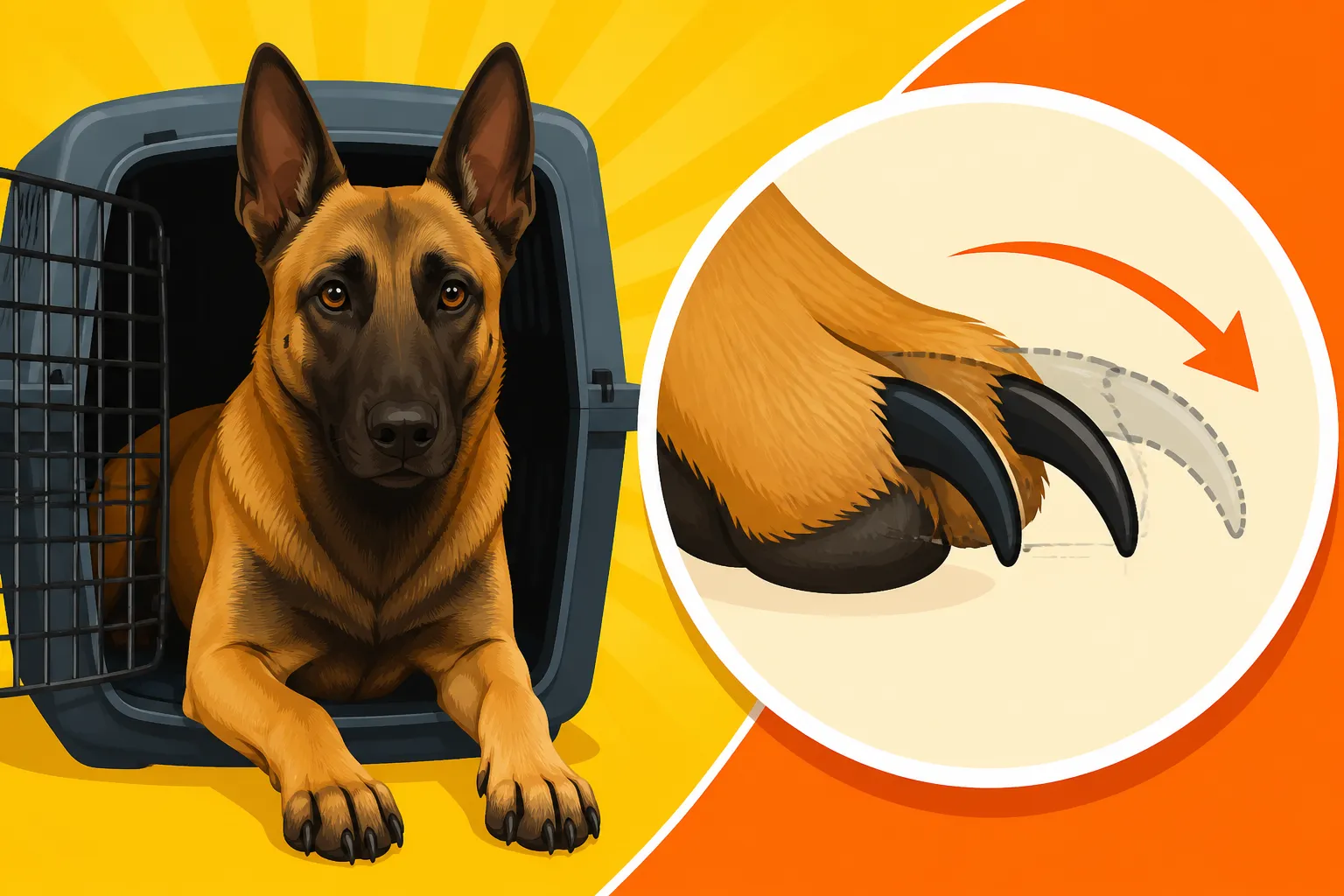
It’s a common frustration: you just trimmed your Malinois’s nails, and a week later, they seem to be back to square one. While genetics and diet play a minor role, the primary driver behind seemingly fast nail growth in kenneled Malinois is often a simple lack of natural abrasion.
The Impact of Limited Natural Abrasion
Imagine a working Malinois constantly on varied terrain – pavement, gravel, dirt, concrete. Each step, each sprint, each sharp turn naturally grinds down the tips of their nails, keeping them short and healthy. Now, consider a kenneled Malinois. Even if they get regular exercise outside the kennel, the time spent within the enclosure itself often involves softer surfaces like bedding, rubber mats, or simply a smooth concrete floor that doesn't offer the same abrasive action.
This lack of constant, natural filing means the nails simply keep growing at their intrinsic rate without being worn down. It’s not necessarily that the nails are growing faster than other dogs, but rather that nothing is working to counteract that growth. For a breed known for its relentless energy and need for a "job," any reduction in varied physical activity will inevitably show up in their nail length. This can be a particular challenge for those who live in urban environments where varied natural terrain isn't always readily available, or for dogs that might be temporarily restricted in their activity due to injury or recovery.
Diet, Genetics, and Individual Variations
While natural wear is the dominant factor, we can't completely discount other influences on nail health and growth. A well-balanced diet rich in essential nutrients, including biotin and omega fatty acids, can contribute to strong, healthy nails. Conversely, a poor diet might lead to brittle nails or nails that grow oddly, though it’s less likely to directly increase the speed of growth. Most premium dog foods, especially those formulated for active breeds, provide adequate nutrition for nail health. For those exploring different feeding options, some owners choose brands like Ollie for fresh food, hoping to optimize overall health, including nail strength.
Genetics also play a subtle role. Just like some people have fast-growing hair or nails, some Malinois might simply be predisposed to quicker nail growth than others. This is an individual characteristic that you'll come to learn about your particular dog. If you have multiple Malinois, you might notice subtle differences between them, even if they share the same environment and diet. It's not usually a dramatic difference, but enough to make one dog's nails seem more demanding than another's. Understanding your dog's unique needs is key, as is a consistent approach to their overall care, including their Nails, Pads and Feet on a Working Belgian Malinois.
The Unique Challenges of Malinois Nail Care
Caring for a Belgian Malinois’s nails presents its own set of challenges, often exacerbated by their high drive, sensitivity, and the practicalities of a kennel setup. It's not just about clipping; it's about conditioning, patience, and using the right tools.
Handling a High-Drive, Sensitive Breed
Many Malinois are incredibly intelligent and sensitive dogs. While this makes them highly trainable, it also means they can be particularly wary of procedures they perceive as invasive or uncomfortable. A bad experience with nail trimming, especially if the quick is hit, can set back training significantly. Their instinct to pull away, to protest, or even to mouth/nip when uncomfortable is strong. This isn't aggression; it's often a deeply ingrained reaction to perceived threat or discomfort, compounded by their high drive which can make them intensely focused on escaping an unpleasant situation.
Starting early with positive reinforcement is crucial. Even as puppies, getting them used to having their paws handled, massaged, and manipulated can make a world of difference. Pair these sessions with high-value treats and praise. The goal is to build a positive association, so they view nail care as a normal, if not entirely enjoyable, part of their routine. If your Malinois is already resistant, you might need to go back to basics, spending weeks just touching their paws and rewarding them, gradually introducing the tools without actually performing the trim. Addressing this early can prevent more significant behavioral hurdles down the line.
Navigating the Dreaded "Quick"
The quick is the living part of the nail, containing blood vessels and nerves. Cutting into it is painful and causes bleeding, reinforcing negative associations with nail trims. In Malinois, whose nails are often dark, seeing the quick can be incredibly difficult. This adds a layer of anxiety for many owners, fearing they'll hurt their dog.
One technique is to trim small amounts frequently. Instead of trying to take off a lot at once, aim for tiny snips every few days. This gradual approach allows the quick to recede over time. For dark nails, look for a small, chalky white or grey circle in the center of the clipped nail – that's your cue to stop. If you see a dark dot, you're close to the quick. Using a bright light can help illuminate the nail, making the quick a little more visible if you look closely. If you consistently struggle with identifying the quick, seeking guidance from a professional groomer or veterinarian can be incredibly beneficial.
Selecting the Right Tools for the Job
The market offers a variety of nail care tools, and what works best for one Malinois might not work for another.
- Guillotine Clippers: These are popular and often efficient for quick trims. Ensure you get a sharp, high-quality pair. Dull clippers can crush the nail, causing pain and splintering.
- Scissor-Style Clippers: Some owners prefer these for better control, especially on larger, thicker nails. Again, sharpness is paramount.
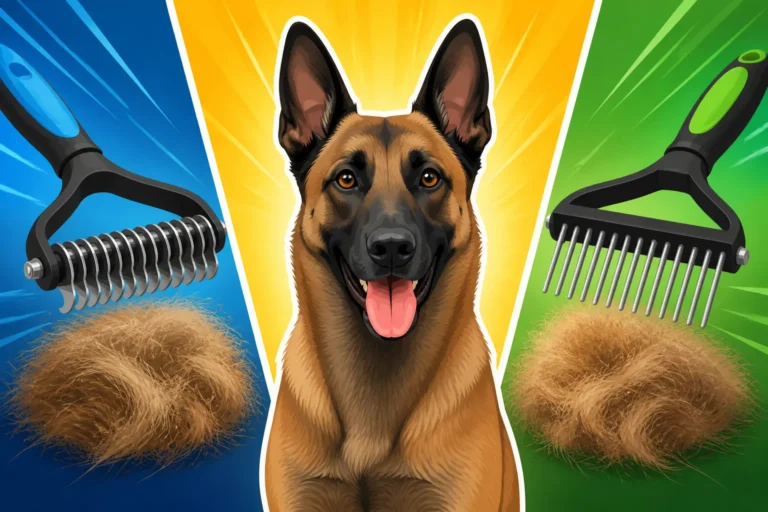
- Dremel/Grinder: Many Malinois owners swear by electric grinders. They file the nail down slowly and smoothly, reducing the risk of hitting the quick and creating a much smoother finish. The downside is the noise and vibration, which some dogs find alarming. Proper conditioning is necessary here, introducing the Dremel slowly, often starting with just the sound, then touching the body, then the paw, before ever touching a nail. Brands like Amazon and Chewy offer a wide array of options, from basic clippers to advanced Dremel kits specifically designed for pets.
- Styptic Powder: Always have styptic powder on hand. If you accidentally nick the quick, this powder will quickly stop the bleeding and help soothe the dog. It’s better to have it and not need it, than to need it and not have it.
Each tool has its learning curve, and it’s important to find what you and your Malinois are most comfortable with. Patience and positive reinforcement will be your greatest allies, especially when teaching your Malinois to accept regular nail care. If your Malinois is particularly resistant, our guide on Getting a Malinois to Hold Still for Nail Trims might offer further tailored advice.
Strategies for Managing Rapid Nail Growth
Given the unique circumstances of a kenneled Malinois and their natural nail growth patterns, a multi-faceted approach is often required. Consistency and a blend of techniques will be your best friends.
Establishing a Consistent Trimming Schedule
For kenneled Malinois, "frequent" trimming isn't just a suggestion; it's a necessity. While a pet dog might get away with trims every 3-4 weeks, a kenneled Malinois, especially one with dark nails, might need attention every 1-2 weeks. Some highly active dogs might even benefit from a quick grind or clip every few days if you are working to shorten the quick.
Creating a routine is vital. Pick a specific day or two each week and stick to it. This helps your Malinois understand what to expect, and consistent, short sessions are far less stressful than infrequent, prolonged battles. For example, if you feed a performance diet, you might schedule a nail check right after a meal, when your dog is a bit more relaxed and amenable to handling. This consistency also allows you to take off only a tiny bit of nail at a time, minimizing the risk of hitting the quick and gradually encouraging it to recede further back, which is the ultimate goal.
Harnessing the Power of a Dremel/Grinder
While clippers are quick, a Dremel-style grinder often provides superior results for maintaining short nails, especially for kenneled Malinois. Grinders allow you to gradually wear down the nail, smoothing the edges and reducing the risk of splintering. They are particularly effective at getting the nails very short without hitting the quick, as you can see the nail layers being removed.
To introduce a Dremel to a sensitive Malinois:
- Desensitization to Sound: First, let your dog hear the Dremel without it being near them. Turn it on in another room, gradually bringing it closer over several days, pairing the sound with high-value treats.
- Touch and Reward: Once the sound is tolerated, turn the Dremel off and gently touch it to your dog's paws, rewarding calm behavior.
- Vibration Introduction: With the Dremel off, place it against the nail to let them feel the sensation, again with rewards.
- Gradual Grinding: Finally, turn it on and gently touch it to one nail for a second or two, then stop and reward. Build up duration slowly.
Consistency is key here. Just like with clippers, regular, short sessions are more effective than infrequent, long ones. You can find robust pet-specific Dremel tools on Chewy or Amazon, often with varying speeds and grinding attachments.
Incorporating Abrasive Surfaces and Activities
While a kennel might limit natural wear, you can still strategically introduce elements that help. If your kennel has a run, consider adding a section of rough concrete or a designated "scratch board" – a piece of wood covered in sandpaper – where your Malinois can naturally file their nails by digging or scratching. This won't replace regular trims, but it can certainly help slow down the overgrowth.
Beyond the kennel, ensure your dog's regular exercise includes opportunities for natural nail wear. Walks on pavement or gravel paths, rather than just grass, can make a difference. Even short bursts of activity on harder surfaces can help maintain nail length. However, always be mindful of paw pad health when working on abrasive surfaces, especially in warmer weather. Proper conditioning and checking the pads regularly are crucial to avoid Pad Injuries on a Belgian Malinois in Training.
Knowing When to Seek Professional Help
There’s absolutely no shame in seeking professional help for nail care, especially if your Malinois is particularly resistant or if you're uncomfortable with the process. Professional groomers and veterinary technicians have experience with all types of dogs, including high-drive breeds like Malinois. They often have specialized tools, assistants to help with handling, and the expertise to get the job done efficiently and safely.
A professional can:
- Provide a "Reset": If nails are severely overgrown, they can often get them back to a manageable length more quickly and safely.
- Demonstrate Techniques: Ask them to show you how they handle your dog and perform the trim. You might pick up valuable tips.
- Build Positive Associations: For dogs with extreme fear, a professional might be able to create a more positive experience through their calm demeanor and efficient work.
- Address Specific Concerns: If you suspect an underlying issue, like a nail infection or injury, a vet tech can flag it for the veterinarian.
Consider scheduling regular professional grooming appointments, perhaps monthly, to supplement your at-home efforts. This can significantly reduce your stress and ensure your Malinois's paws stay healthy and comfortable.
Long-Term Health and Preventative Measures
Maintaining optimal nail length isn't just about immediate comfort; it's a critical component of your Malinois's long-term health, mobility, and overall well-being. Neglecting nails can lead to a cascade of problems that impact their ability to perform and enjoy life.
The Detrimental Effects of Overgrown Nails
Overgrown nails can lead to a surprising number of issues for an active breed like the Belgian Malinois:
- Pain and Discomfort: Long nails can push against the ground, forcing the toes upwards. This puts unnatural pressure on the toe joints and can be incredibly painful, making walking, running, and even standing uncomfortable. Imagine trying to walk with shoes that are too small and push your toes back constantly.
- Altered Gait: To compensate for the pain, a Malinois might shift their weight or change their stride. This altered gait can lead to stress on other joints, potentially contributing to conditions like arthritis or exacerbating existing orthopedic issues. Over time, it can affect their entire musculoskeletal structure.
- Splay Foot: When nails are too long, the toes are often forced apart, leading to a "splay foot" appearance. This reduces the foot's stability and shock-absorbing capabilities.
- Ingrown Nails: Nails, especially dewclaws, can grow so long that they curl around and grow into the paw pad. This is extremely painful, prone to infection, and requires veterinary intervention.
- Increased Risk of Injury: Long nails are more prone to getting snagged, torn, or broken, especially during high-speed activities or working in rough terrain. A torn nail is not only excruciating but can also lead to infection and a lengthy recovery period, sidelining a working dog for weeks. These types of injuries can sometimes be as debilitating as Torn Cruciates in a Jumping Belgian Malinois if left untreated.
Regular nail care is a simple preventative measure that can save your Malinois from significant pain and expensive veterinary bills down the line.
Comprehensive Paw Health and Maintenance
Nail care is just one piece of the puzzle when it comes to healthy paws. A holistic approach to paw health for your Malinois will ensure they remain sound and ready for action.
- Regular Inspection: Make it a habit to check your Malinois's paws regularly, ideally once a week. Look between the pads for foreign objects (like thorns or burrs), check for cracks, cuts, or sores on the pads themselves, and inspect the nails for any signs of splitting or damage.
- Moisturize Pads: Especially for working dogs on varied terrain, paw pads can become dry and cracked. Using a paw balm or moisturizer can help keep them supple and prevent painful cracking. Look for pet-safe products on Amazon or at your local pet supply store.
- Keep Paw Hair Trimmed: Hair between the paw pads can collect dirt, debris, and moisture, leading to matting or skin irritation. Gently trim this hair flush with the pads to prevent issues.
- Hydration: Proper hydration is essential for overall health, including the health of skin and nails. Ensure your Malinois always has access to fresh, clean water, especially after intense training sessions.
- Proper Nutrition: As mentioned before, a high-quality diet provides the building blocks for healthy nails and pads. If you notice persistent issues with nail quality or paw health, consult your veterinarian about potential dietary deficiencies or supplements.
Incorporating these preventative measures into your routine is just as important as the actual trimming of the nails. Think of it as part of their regular The Checkup Schedule a Sport Malinois Should Keep.
The Role of Veterinary Care
While much of nail care can be done at home, your veterinarian is an invaluable partner in ensuring your Malinois's long-term paw health. They can diagnose underlying issues, provide guidance on proper techniques, and offer solutions for resistant dogs.
- Routine Check-ups: During annual or semi-annual veterinary visits, your vet will typically check your dog's paws and nails. This is an opportunity to discuss any concerns you have about nail growth, texture, or paw discomfort.
- Addressing Injuries and Infections: If your Malinois suffers a torn nail, an ingrown nail, or develops a paw infection, your vet can provide proper treatment, pain relief, and antibiotics if necessary. They can also sedate a particularly anxious dog for painful nail procedures, making it safer and less traumatic for everyone involved.
- Behavioral Consultations: If your Malinois's resistance to nail trims is severe and you've exhausted at-home training methods, your vet can refer you to a veterinary behaviorist or certified professional dog trainer who specializes in fear and anxiety. These professionals can develop a tailored desensitization and counter-conditioning plan to help your dog overcome their aversion.
Keeping your kenneled Malinois's nails in top condition is an ongoing commitment, but one that directly contributes to their comfort, mobility, and overall quality of life. By understanding the factors at play, adopting consistent practices, and utilizing the right tools and support, you can ensure their paws remain as tough and healthy as they are.
| Aspect | Clippers | Dremel/Grinder | Abrasive Surfaces (e.g., scratch board) |
|---|---|---|---|
| Frequency | Weekly to bi-weekly for kenneled Malinois | 2-3 times a week, or as needed for touch-ups | Daily access, supplements other methods |
| Pros | Quick and efficient | Smooth finish, less risk of hitting quick | Natural wear, mental enrichment |
| Cons | Risk of cutting quick, sharp edges | Noise/vibration can scare some dogs, slower | Limited impact on overall length, can be messy |
| Malinois Suitability | Good if dog tolerates, quick sessions | Excellent for achieving short nails, but requires desensitization | Good supplement, but not a primary method |
| Learning Curve | Moderate (identifying quick) | Moderate (desensitization, technique) | Low (setting up) |
| Cost | Low (one-time purchase for quality clippers) | Moderate (initial cost of grinder, replacement bits) | Low (materials for DIY, or pre-made) |
Disclaimer
This article is for general informational purposes only and does not constitute professional advice. Laws, prices and regulations vary by location and change over time. Consult a qualified professional for guidance on your specific situation.