Whether Erect Malinois Ears Need Less Cleaning
One common misconception among new Belgian Malinois owners, and even some seasoned dog enthusiasts, is that those perfectly erect, alert ears mean less fuss when it comes to cleaning. While it’s true that floppy-eared breeds often struggle with a lack of air circulation leading to more frequent infections, a Malinois’s upright ears aren't entirely immune to issues. This guide will delve into the unique aspects of Malinois ear anatomy and health, offering a realistic approach to keeping those keen hearing instruments clean and healthy, debunking the myth that "less cleaning" automatically means "no cleaning."
The Anatomy of a Belgian Malinois Ear
Understanding the physical structure of your Malinois's ears is the first step in providing appropriate care. Unlike many breeds, the Malinois boasts ears that are typically held high and forward, designed for excellent directional hearing – a trait invaluable in their working roles.
Erect Ears vs. Dropped Ears: A Fundamental Difference
The most obvious difference between a Belgian Malinois's ears and, say, a Basset Hound's, is their carriage. Erect ears stand up, allowing for consistent airflow into the ear canal. This natural ventilation is a huge advantage, as it helps to dry out moisture and prevent the warm, damp environment where bacteria and yeast thrive. Dropped ears, conversely, often cover the ear canal, trapping heat and moisture, which can make them a breeding ground for infections. Think of it like a stuffy room versus one with an open window; the latter is far less likely to grow mold.
However, this doesn't mean Malinois ears are entirely self-cleaning or maintenance-free. While the air circulation certainly reduces the risk of some common ear problems, it doesn't eliminate all potential issues. Environmental factors, individual physiological differences, and even allergies can still impact their ear health. Just because the door is open doesn't mean dirt won't blow in.
The Malinois Ear Canal: What's Inside?
Beneath those impressive, perky ears lies an intricate and somewhat complicated canal system. Like all dogs, a Malinois has an L-shaped ear canal, meaning it goes down vertically before taking a sharp turn horizontally towards the eardrum. This design, while protective, can also make it a bit tricky to clean effectively. Debris, wax, or foreign objects can easily get trapped at the bend, out of sight and out of reach of casual wiping.
Natural ear wax, or cerumen, plays a crucial role in ear health. It helps to trap dust, dirt, and other foreign particles, moving them out of the ear canal. It also has protective antibacterial and antifungal properties. The problem arises when there's an overproduction of wax, or when the natural self-cleaning mechanism is disrupted, leading to a buildup. If you've ever had a Malinois shake its head vigorously, you've likely seen those ear flaps fly. This is one of their natural ways of dislodging debris, but it's not always enough. Understanding this internal architecture is key to knowing when and how to intervene without causing harm.
Why "Less Cleaning" Isn't Always "No Cleaning" for Erect Ears
The idea that erect-eared breeds like the Belgian Malinois require no ear care is a dangerous myth. While their anatomy is certainly advantageous, it doesn't grant them immunity from all ear troubles. "Less frequent" is a better way to think about it than "less cleaning" or "never cleaning."
Factors That Still Influence Malinois Ear Health
Even with excellent airflow, several factors can still put your Malinois's ears at risk. Environmental exposure is a big one. If your Malinois spends a lot of time outdoors, especially in dusty fields, brush, or sandy areas, tiny particles can easily enter and accumulate in the ear canal. Think about a day at the park or a training session in an arena – dust and debris are everywhere. Dogs that love to swim, even Malinois who are often water-averse, can also get water trapped in their ears, leading to a moist environment conducive to bacterial or yeast growth. You wouldn't think it, but even running through tall, dewy grass can introduce enough moisture to be problematic if it doesn't dry properly.
Allergies are another significant culprit. Many dogs, including Malinois, suffer from environmental or food allergies, and one of the most common manifestations of these allergies is itchy, inflamed ears. This inflammation can lead to increased wax production, redness, and discomfort, making them more susceptible to secondary infections. Sometimes, the problem isn't the ear itself, but a systemic issue reflecting in the ear.
Diet also plays a role in overall skin and coat health, which extends to the ears. A balanced, high-quality diet provides the nutrients needed for a healthy immune system and skin barrier. If your Malinois is experiencing recurrent ear issues, it might be worth discussing dietary changes with your vet or a nutritionist. Brands like Ollie, known for fresh, human-grade ingredients, might offer benefits for overall inflammatory conditions, potentially impacting ear health. You can find a wide range of specialized ear cleaners and health supplements on sites like Chewy, which can be helpful tools in managing ear health for your working dog.
Common Misconceptions About Erect Ear Care
The biggest misconception is that erect ears are entirely self-cleaning. While they have a better natural mechanism for ventilation and debris expulsion, they are not maintenance-free biological marvels. Relying solely on your Malinois to "shake it out" can lead to overlooked problems. Small amounts of wax, dead skin cells, or foreign material can still accumulate, especially at the deeper bends of the L-shaped canal.
Another common mistake is to only check ears when a problem is visible or your dog shows obvious signs of discomfort. By then, an infection might already be well underway, requiring more intensive and costly veterinary intervention. Many ear problems start subtly, with a slight increase in wax or a faint odor that a proactive owner might catch early, but someone waiting for head shaking or scratching will miss. Regular, gentle inspection is key, even if you’re not planning a full-on cleaning session every week. It’s about vigilance, not neglect. Neglecting them can lead to chronic irritation, pain, and more severe infections down the line.
A Realistic Approach to Belgian Malinois Ear Maintenance
So, how often should you really be looking at and potentially cleaning those impressive Malinois ears? It’s less about a strict schedule and more about regular observation and intervention when needed. Consistency in checking, not necessarily cleaning, is the real game-changer.
When and How to Inspect Your Malinois's Ears
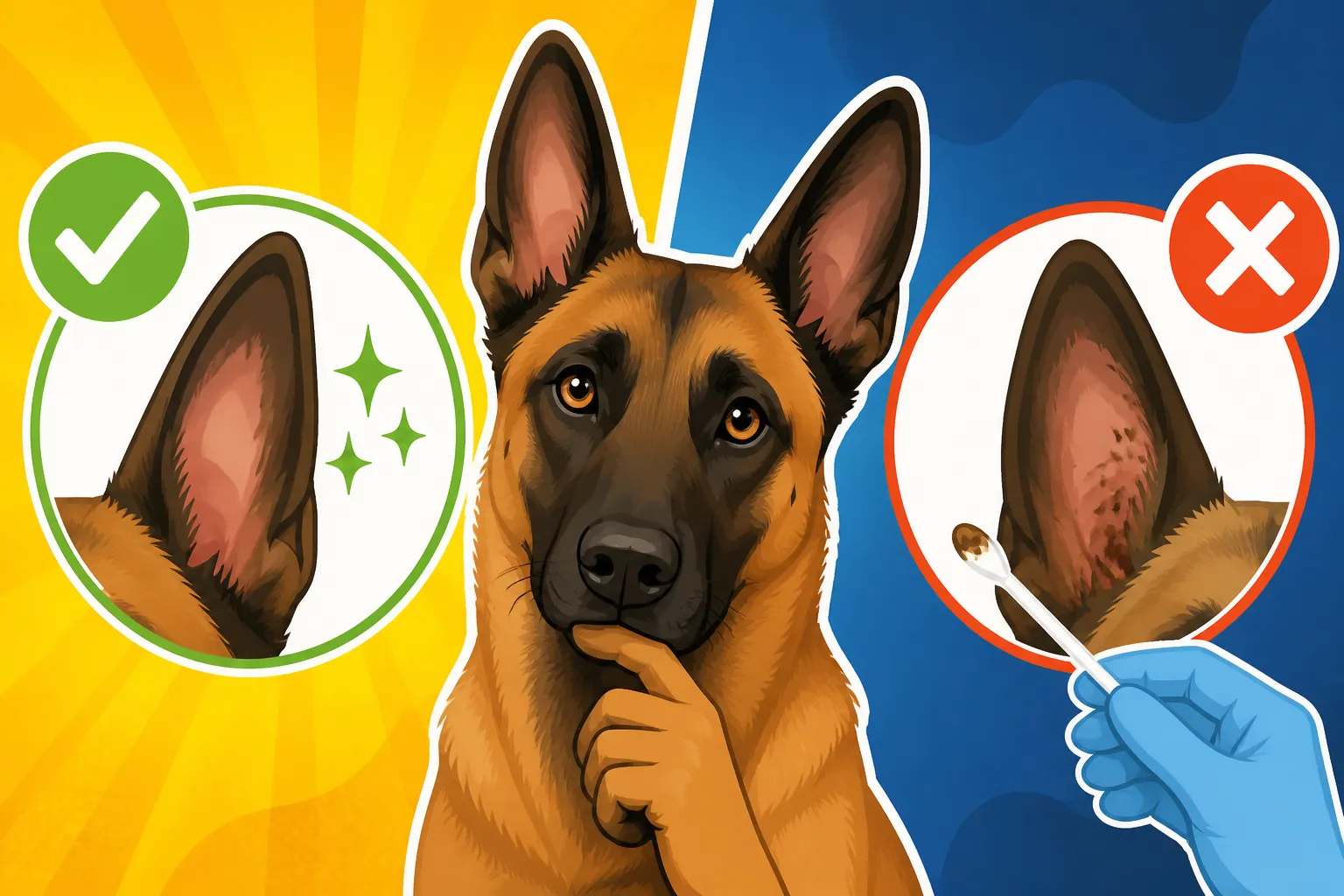
Aim for a quick ear check at least once a week, ideally when your Malinois is relaxed, perhaps during a grooming session or cuddle time. Use this time not just to look, but to get a good sniff. Healthy ears should smell neutral – no strong, yeasty, or foul odors.
Here’s what you’re looking for during your inspection:
- Redness or Swelling: The skin inside the ear flap should be a healthy pink, not bright red or inflamed.
- Excessive Wax: A small amount of light brown wax is normal. Dark brown, black, or excessive yellow wax is not.
- Discharge: Any pus-like discharge, crusting, or black, gritty debris (which could indicate ear mites) is a red flag.
- Odor: As mentioned, a strong odor is a primary sign of trouble.
- Sensitivity: Does your Malinois flinch or pull away when you touch their ears? This could indicate pain or discomfort.
- Hair loss or Scabs: Around the ear entrance, these could point to scratching due or rubbing due to irritation.
Getting your Malinois used to having their ears handled from a young age is crucial. Make it a positive experience with treats and praise. For those hard-to-see areas deep within the canal, you can sometimes use a small, pet-safe ear scope, often found on sites like Amazon, to get a better view, but be careful not to insert anything too far. Always prioritize gentle handling and positive reinforcement. The Checkup Schedule a Sport Malinois Should Keep should include ear checks.
Gentle Cleaning for Healthy Malinois Ears
If you notice a slight buildup of wax or a bit of dirt, a gentle cleaning can be beneficial. The key here is gentle and infrequent for most Malinois with healthy ears. Over-cleaning can strip the ear of its natural protective oils and disrupt the delicate balance of the ear canal, ironically leading to more problems.
Here’s a safe, step-by-step approach for routine cleaning:
- Gather Your Supplies: You'll need a vet-recommended ear cleaning solution (look for one designed to dry and acidify the ear canal, avoiding alcohol-based solutions that can irritate), and plenty of cotton balls or gauze. Never use Q-tips inside the ear canal, as they can push debris further in and damage the eardrum.
- Position Your Malinois: Have your dog in a comfortable, relaxed position. Many owners find it easiest to do this with their Malinois lying down, or standing calmly.
- Apply Solution: Gently hold the ear flap up and squirt the ear cleaning solution directly into the ear canal until it's full. Don’t be shy!
- Massage the Base: Gently massage the base of the ear for 20-30 seconds. You should hear a squishing sound as the solution breaks up wax and debris. This part is usually quite satisfying for them, and they might even lean into your hand.
- Allow Shaking: Stand back and let your Malinois shake their head vigorously. This helps dislodge the loosened debris. Expect some solution and gunk to fly – so choose your location wisely!
- Wipe the Visible Parts: Use a fresh cotton ball or gauze to wipe away any visible solution and debris from the outer ear and the entrance of the ear canal. Continue with clean cotton balls until no more dirt or wax comes out. Remember, only clean what you can see.
- Reward: Always end the session with praise, a favorite treat, and maybe some play. This reinforces a positive association with ear care.
If your Malinois is particularly prone to ear issues, discussing a specific ear care routine with your veterinarian is always the best course of action. They can recommend the most appropriate cleaning solutions and frequency for your individual dog's needs. Maintaining overall health through proper nutrition, which contributes to a strong immune system and healthy skin barrier, can also indirectly support ear health. Some owners might find that a high-quality food or specific supplements help with inflammatory conditions that can manifest in the ears, and services like Ollie provide nutritious meal options.
When to Seek Professional Veterinary Help
Knowing when to clean your Malinois's ears is important, but knowing when to stop and call the vet is even more critical. Ignoring signs of infection can lead to prolonged discomfort for your dog and more complicated treatments down the line. Ear Cleaning on a Malinois That Objects might also be a sign that a vet visit is needed.
Signs of Ear Infections or Issues
Your Malinois will often give you clear signals if something is amiss with their ears. They are stoic dogs, but ear pain is hard to hide. Keep an eye out for any of these symptoms:
- Frequent Head Shaking: More than just an occasional shake to dislodge water, persistent head shaking is a strong indicator of irritation.
- Excessive Ear Scratching: Your Malinois might paw at their ears, rub them on furniture, or even scratch so hard they cause skin abrasions.
- Strong, Unpleasant Odor: A sweet, yeasty, or putrid smell coming from the ear is a hallmark sign of infection.
- Redness or Swelling: The ear flap or visible part of the canal appearing inflamed or swollen.
- Discharge: Dark, waxy, yellow, brown, or black discharge; sometimes it can look like coffee grounds (often indicative of ear mites).
- Pain or Sensitivity: Whining, yelping, or guarding their head when you try to touch their ears.
- Tilting Head or Loss of Balance: In more severe cases, an inner ear infection can affect balance.
- Behavioral Changes: Lethargy, loss of appetite, or general grumpiness can sometimes accompany discomfort.
If you observe any of these signs, put away the ear cleaner and pick up the phone to call your veterinarian. Self-treating an ear infection can make things worse, pushing the infection deeper or masking symptoms, making diagnosis harder.
Diagnostic and Treatment Options
When you take your Malinois to the vet with ear problems, they won't just guess what's going on. They'll perform a thorough examination, which typically includes:
- Otoscopic Examination: Using an otoscope, the vet will look deep into the ear canal to check for foreign bodies, excessive wax, inflammation, or a ruptured eardrum.
- Ear Swab and Cytology: This is a crucial step. A swab of the ear discharge will be taken and examined under a microscope. This allows the vet to identify whether the infection is bacterial, yeast, or a combination, and sometimes even indicate the specific type of bacteria or yeast. This guides the choice of medication.
- Culture and Sensitivity: For stubborn or recurrent infections, a culture may be sent to a lab to identify the exact bacteria and determine which antibiotics will be most effective.
- Allergy Testing: If ear infections are chronic, your vet might recommend investigating underlying allergies, as these are a common trigger. Atopy in a Belgian Malinois can often manifest in recurrent ear infections.
- Deep Cleaning Under Sedation: In severe cases where the ear canal is packed with debris or the dog is in too much pain to allow a thorough examination, a deep ear flush might be performed under sedation.
Treatment will depend on the diagnosis. It could involve topical ear drops (antibiotic, antifungal, or anti-inflammatory), oral medications, or a combination. It's vital to follow your vet's instructions precisely and complete the full course of medication, even if the ears appear to improve quickly. Stopping early can lead to a resurgence of the infection, often making it harder to treat. Remember, proactive care and timely veterinary intervention are the best ways to keep your Malinois's ears healthy for their entire The Fourteen to Sixteen Years a Belgian Malinois Lives.
| Feature | Erect Ears (e.g., Belgian Malinois) | Dropped Ears (e.g., Basset Hound, Cocker Spaniel) |
|---|---|---|
| Airflow | Excellent, open to circulation | Restricted, covers ear canal |
| Moisture Retention | Low, dries quickly | High, traps moisture |
| Risk of Infection | Lower, but not immune | Higher, prone to bacterial/yeast infections |
| Primary Concerns | Dust, foreign bodies, allergies, individual wax production | Moisture, lack of ventilation, allergies, debris buildup |
| Recommended Cleaning | Inspect weekly, clean only when needed (mild wax/dirt), avoid over-cleaning | Inspect weekly, clean regularly (e.g., every 1-4 weeks) or as advised by vet |
| Common Symptoms | Head shaking, scratching, odor, redness, discharge | Frequent scratching, head shaking, strong odor, dark discharge, pain |
| Prevention Focus | Regular inspection, addressing underlying allergies, environmental management | Regular cleaning, keeping ears dry, addressing allergies, consistent grooming |
Disclaimer
This article is for general informational purposes only and does not constitute professional advice. Laws, prices and regulations vary by location and change over time. Consult a qualified professional for guidance on your specific situation.