Puppy Teeth a Malinois Fails to Shed
It's a common worry for new Belgian Malinois puppy owners, that feeling of dread when you realize your energetic little land shark still has a few baby teeth stubbornly hanging on while the adult ones are already pushing through. You’re left wondering if it’s normal, if it hurts them, or if you need to take immediate action. This guide is here to walk you through everything you need to know about retained puppy teeth in your Malinois, why it happens, and what you can do to ensure your dog has a healthy, pain-free mouth.
Understanding Retained Deciduous Teeth in Belgian Malinois
The process of a puppy losing its baby teeth and growing in its permanent adult set is usually a pretty smooth, if a bit chewy, transition. However, sometimes nature needs a little nudge, especially in certain breeds. When those primary teeth (deciduous teeth, as veterinarians call them) don't fall out on their own, they become what we refer to as retained puppy teeth. For a breed like the Belgian Malinois, with its powerful jaws and intense chew drive, addressing this issue promptly is vital to prevent serious long-term problems.
What Exactly Are Retained Puppy Teeth?
Think of your Malinois puppy's mouth like a tiny human child's. They're born without visible teeth, then those sharp little puppy teeth erupt, allowing them to start exploring the world with their mouths and, of course, giving you plenty of "ouch" moments. Typically, by around 3 to 4 months of age, these puppy teeth start to loosen as the roots are naturally reabsorbed by the body, making way for the larger, stronger permanent teeth that are growing beneath them. The adult tooth essentially pushes the baby tooth out.
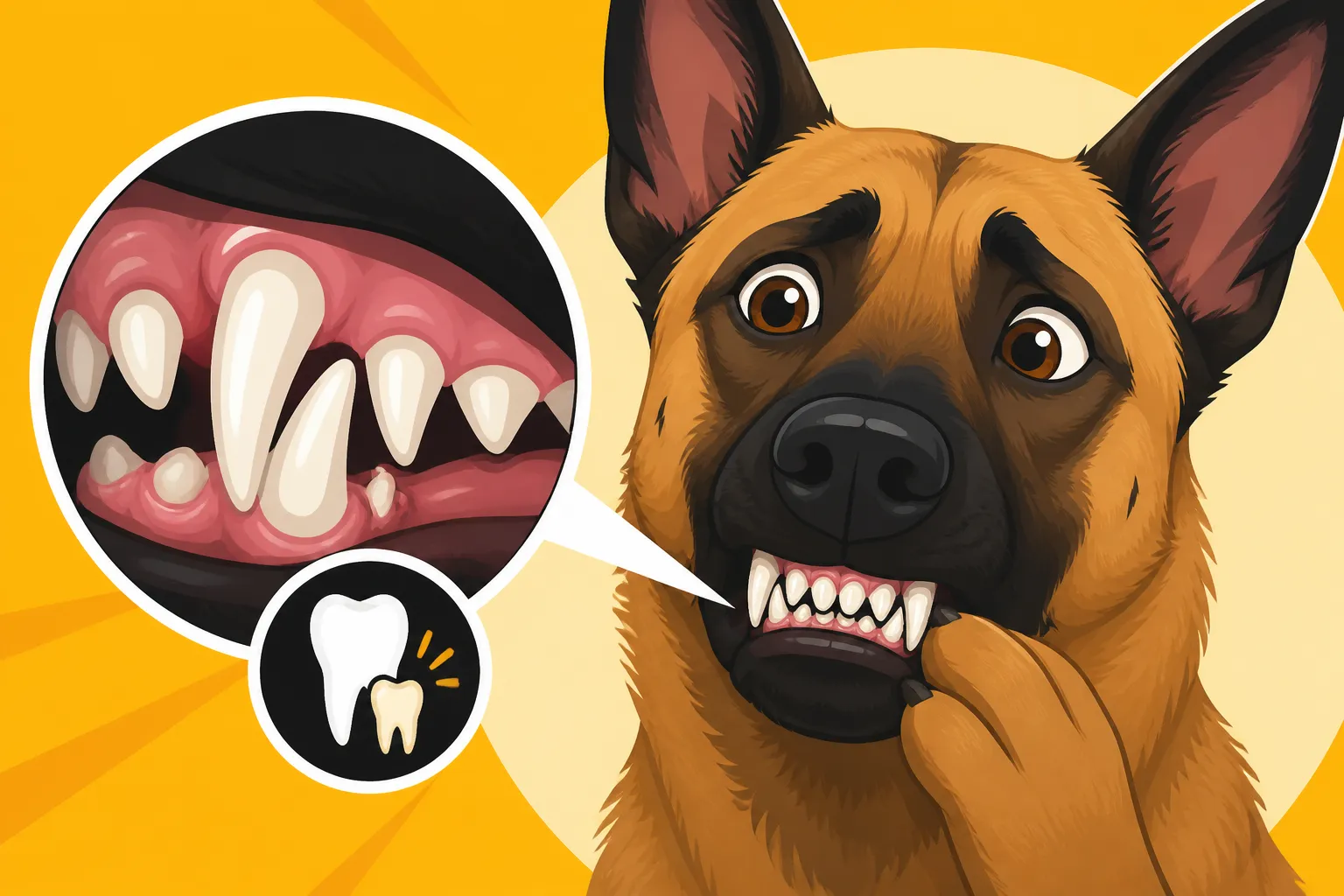
A retained deciduous tooth occurs when this natural reabsorption process doesn't happen completely, or the adult tooth doesn't emerge in the correct spot to push out the baby tooth. Instead of falling out, the puppy tooth remains firmly rooted in the gum, often sitting right next to the incoming adult tooth. This can create a crowded, uncomfortable situation in your Malinois’s mouth, disrupting what should be a straightforward dental development. It's not just about aesthetics; it’s about proper function and preventing infection.
Why Malinois Might Be Prone to This Issue
While retained puppy teeth can happen in any breed, some breeds, particularly smaller breeds or those with specific jaw structures, tend to be more predisposed. Belgian Malinois, though not a small breed, can sometimes experience this. It's often due to genetics influencing jaw development or the alignment of the incoming adult teeth. If the permanent tooth doesn't grow directly underneath its deciduous counterpart, it won't exert the necessary pressure to resorb the baby tooth's root and push it out.
The powerful bite and high drive that make Malinois excellent working dogs also mean their mouths are incredibly important. Any dental anomaly can have a significant impact. Sometimes, even with vigorous chewing, the baby teeth just won't budge. It's less about the puppy not chewing enough and more about a mechanical or developmental issue. This is why it's crucial for Malinois owners to be extra vigilant during their puppy's teething phase, checking their mouths regularly for any signs of double dentition. You want to give your Malinois the best start possible, and that includes a healthy mouth.
The Risks of Leaving Puppy Teeth Untreated
Ignoring retained puppy teeth is really not an option if you want to ensure your Malinois lives a healthy, comfortable life. The consequences can range from minor discomfort to serious, painful dental and oral health issues.
First and foremost, when an adult tooth emerges right next to a retained puppy tooth, it creates an abnormal overcrowding situation. This crowding makes it much easier for food particles and bacteria to get trapped between the teeth, leading to accelerated plaque and tartar buildup. This isn't just a cosmetic problem; it's a direct pathway to gingivitis, which is inflammation of the gums, and can progress to full-blown periodontal disease, a painful infection that damages the bone and tissues supporting the teeth. Periodontal disease is a leading cause of tooth loss in dogs and can even lead to systemic health problems if bacteria enter the bloodstream.
Secondly, the abnormal positioning can cause malocclusion, meaning the adult teeth don't align properly when the mouth closes. This can lead to pain and difficulty chewing. Imagine a scenario where the retained canine tooth forces the adult canine to erupt at an angle, potentially rubbing against the roof of the mouth or the opposite jaw. This constant irritation can cause painful sores, ulcers, or even fistulas (holes) in the mouth. In a worst-case scenario, it could affect your Malinois's ability to hold a bite properly for sport or work, potentially sidelining them from their career. The Cost of Repairing a Malinois's Broken Canine and Whether a Belgian Malinois Needs a Root Canal are just a few of the costly and painful problems that can arise from poor dental health, often exacerbated by early issues like retained puppy teeth.
| Tooth Type | Normal Eruption (Approx. Age) | Normal Shedding (Approx. Age) | When to Consult a Vet for Retention |
|---|---|---|---|
| Incisors | 3-5 weeks | 3-5 months | If permanent tooth is visible, and deciduous tooth is still firm at 5 months |
| Canines | 3-6 weeks | 4-6 months | If permanent tooth is visible, and deciduous tooth is still firm at 6 months |
| Premolars | 4-12 weeks | 4-6 months | If permanent tooth is visible, and deciduous tooth is still firm at 6 months |
| Molars | N/A (permanent only) | N/A | N/A |
Spotting the Signs and When to Seek Veterinary Care
As a diligent Malinois owner, you're already attuned to your dog's every shift and nuance. Knowing what to look for when it comes to teething is just another part of that attentiveness. Catching retained puppy teeth early can save your dog a lot of discomfort and potentially prevent more invasive procedures down the line.
Visual Cues and Behavioral Changes
The most obvious visual cue is seeing two teeth occupying the space meant for one. This is often referred to as "double dentition." You might notice a sharp little puppy tooth stubbornly sitting right next to a larger adult tooth, particularly with the canine teeth, which are frequently affected. Check your Malinois puppy's mouth regularly, gently lifting their lips. You might see a visible gap between the two teeth, or they might be very close, pushing against each other. Sometimes, the puppy tooth is slightly behind or in front of the adult tooth.
Beyond what you can see, there might be subtle behavioral changes. Your puppy might seem more hesitant to chew, or perhaps chews on one side of their mouth more than the other. You might notice excessive drooling, bad breath (halitosis), or even a reluctance to eat their kibble, especially if it's hard. They might rub their mouth or face more often. Gums around the retained tooth might appear red, swollen, or inflamed, which is a sign of gingivitis. If your puppy seems unusually irritable or withdrawn during this teething phase, it's always worth a thorough oral examination.
The Ideal Timeline for Puppy Tooth Loss
Understanding the normal timeline for tooth eruption and shedding is your best defense. Most Malinois puppies start losing their incisors (front teeth) around 3 to 5 months of age. The canine teeth, those long, sharp fangs, usually follow suit between 4 and 6 months. By the time your Malinois puppy is about 6 months old, they should have shed all their deciduous teeth and have a full set of gleaming adult teeth.
If you observe any puppy teeth still present after 6 months of age, especially if you can see the corresponding adult tooth already emerged, it's definitely time to consult your veterinarian. Don't wait, hoping they'll fall out on their own. The longer a retained tooth stays in place, the greater the potential for problems. Prompt intervention is key. Regular veterinary check-ups for The Checkup Schedule a Sport Malinois Should Keep will often catch these issues, but your daily observations are just as important.
Consulting Your Veterinarian: What to Expect
When you bring your Malinois puppy in for a suspected retained tooth, your vet will perform a thorough oral examination. This involves carefully looking at each tooth and gum line, checking for any double dentition, inflammation, or abnormal alignment. They'll likely be looking for signs of Puppy Teeth a Malinois Fails to Shed specifically.
In many cases, the vet might recommend dental X-rays. This isn't just to confirm the presence of a retained tooth, but also to evaluate the roots of both the deciduous and permanent teeth, and to check for any other underlying issues like impaction or damage. X-rays give a much clearer picture of what's happening below the gum line, which is crucial for determining the best course of action. They'll also discuss the risks and benefits of extraction, which is almost always the recommended treatment, and explain the need for anesthesia. This is a good time to ask about Why Anesthesia Needs Discussing Before a Malinois Goes Under to understand the safety protocols for your lean, high-energy Malinois.
Treatment Options and Post-Procedure Care
Once your veterinarian has confirmed that your Malinois puppy has retained deciduous teeth, the treatment path is usually quite clear: surgical extraction. This might sound intimidating, but it's a common and generally safe procedure that provides significant relief and prevents future complications.
The Extraction Process
The extraction of retained puppy teeth is performed under general anesthesia. This is non-negotiable, as it ensures your Malinois is completely pain-free, still, and safe during the procedure. Your vet will likely recommend pre-anesthetic bloodwork to ensure your puppy is healthy enough for anesthesia. Once sedated, the vet will carefully extract the problematic deciduous teeth. This isn't just about pulling them out; it involves surgically separating the tooth from the gum and bone, often requiring careful dissection to ensure the entire root is removed and no damage is done to the adjacent permanent tooth. Sometimes, a gingival flap is created to access the root fully, and then sutures are used to close the gum.
The goal is to remove the retained tooth completely, preserving the integrity of the permanent tooth and preventing any future crowding or misalignment. After the extraction, your vet will likely prescribe pain medication to keep your Malinois comfortable during recovery, and possibly antibiotics if there was any sign of infection. They'll also discuss what to watch for during the recovery period.
Managing Recovery and Ensuring Oral Health
Your Malinois will typically go home the same day as the extraction, usually once they are fully awake and alert from anesthesia. It’s important to provide a quiet, comfortable space for them to rest. You'll likely be sent home with specific instructions regarding feeding and activity. Often, a soft food diet is recommended for a few days to a week to prevent irritation to the extraction sites. This might mean moistening their regular kibble or feeding a prescription soft diet. Brands like Ollie, which offers fresh, gently cooked meals, could be a suitable option during this period, or you might find various soft food options available on Chewy or Amazon.
Keep an eye on the extraction sites for any excessive bleeding, swelling, or discharge. Mild oozing is normal initially, but anything persistent should be reported to your vet. You’ll need to administer any prescribed pain medication and antibiotics exactly as directed. Limit strenuous activity and chewing on hard toys for the recommended period to allow the gums to heal. Your vet might schedule a follow-up appointment to check the healing progress and ensure all is well. This crucial recovery period sets the stage for a lifetime of healthy chewing.
Preventing Future Dental Problems
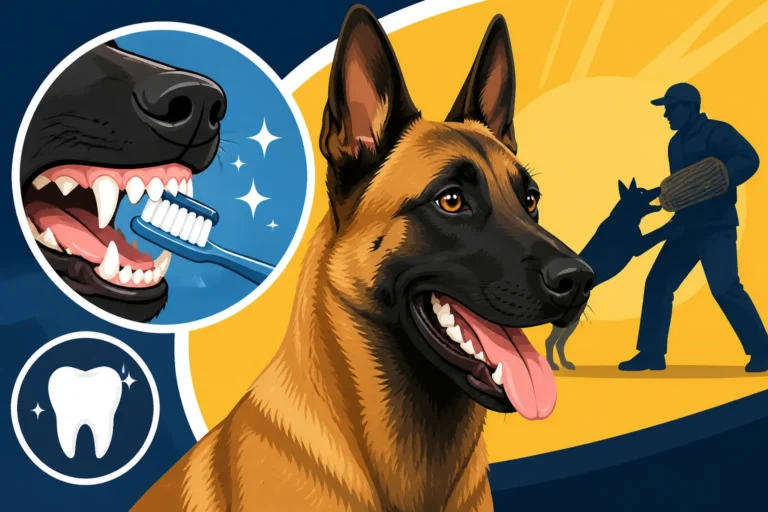
While you can't always prevent retained puppy teeth, establishing excellent oral hygiene habits from a young age is paramount for a Malinois. Start gently brushing your puppy's teeth daily as soon as they'll tolerate it. Daily Tooth Brushing for a Malinois That Bites is a habit that will pay dividends. Use a soft finger brush or a canine-specific toothbrush and dog-safe toothpaste (never human toothpaste!). This helps remove plaque and gets your Malinois accustomed to oral examinations.
Offer appropriate chew toys. High-quality rubber toys or dental chews can help clean teeth and satisfy your Malinois's powerful urge to chew. Make sure they are size-appropriate and durable for a Malinois, but not so hard that they risk fracturing teeth. Chews That Will Not Fracture a Malinois's Canines is a good resource for choosing wisely. Avoid natural bones, antlers, or nylon bones that are too hard, as these can easily break adult teeth. Many safe and durable chew toys can be found on Chewy or Amazon. Consistent care helps prevent a host of dental issues.
Long-Term Oral Health for Your Active Malinois
The journey to good oral health for your Belgian Malinois doesn’t end once those retained puppy teeth are out. In fact, it's just the beginning. Given their active lifestyles and strong bite, maintaining your Malinois’s adult teeth is a lifelong commitment that directly impacts their overall well-being and ability to perform their job, whether that's sport, work, or simply being a fantastic family companion.
Routine Dental Care at Home
Establishing a consistent home dental care routine is the cornerstone of your Malinois's oral health. Daily tooth brushing, as mentioned before, is incredibly effective at removing plaque before it hardens into tartar. Even if your Malinois is not a fan initially, patience and positive reinforcement will go a long way. Many Malinois are food-motivated, so associating brushing with a treat afterward can help.
Beyond brushing, consider dental chews specifically designed to reduce plaque and tartar. Look for products that have been clinically proven to be effective. Water additives can also offer a small boost in fighting bacteria in the mouth, but they are not a replacement for brushing. Regular inspection of your Malinois's mouth, gums, and teeth should be part of your routine. Look for any redness, swelling, unusual odors, or chipped teeth. For a working dog, this is especially important, as Tooth Care for a Belgian Malinois That Bites for Sport highlights the specific risks they face. You can find a wide array of dental care products, from toothbrushes and toothpaste to dental chews and water additives, on platforms like Amazon or Chewy.
Professional Dental Cleanings
Even with diligent home care, professional dental cleanings are usually necessary. Just like humans, dogs accumulate tartar that can only be removed effectively through professional scaling and polishing under anesthesia. Your veterinarian will be able to assess how frequently your Malinois needs these cleanings, but for many dogs, especially those with any history of dental issues or a predisposition to plaque buildup, annual cleanings might be recommended.
During these professional cleanings, the vet will perform a thorough examination, including probing the gum line and taking full-mouth dental X-rays to assess the health of the teeth below the gum line. This helps identify issues like periodontal disease, abscesses, or other problems that aren't visible to the naked eye. Early detection and treatment of these issues can prevent pain, infection, and tooth loss. Understand that these procedures do incur costs, and it's worth knowing What Scaling a Malinois's Teeth Costs Under Sedation so you can budget appropriately for this essential part of their care.
Choosing Safe Chew Toys and Diet
For a Belgian Malinois, chewing is more than just a pastime; it's a fundamental behavioral need and a way to maintain mental stimulation. Providing appropriate and safe chew toys is crucial. As mentioned earlier, avoid anything too hard that could fracture teeth. If you can't indent it with your thumbnail, or if it doesn't give a little when you press on it, it's probably too hard.
Look for flexible rubber toys, durable dental chews, or even certain rope toys, always under supervision. Rotating toys can keep your Malinois engaged. For puppies, a good chew toy can even aid in the natural shedding process of baby teeth, though it won't correct a genetically retained tooth.
Diet also plays a role. While kibble alone isn't sufficient for dental health, some kibble formulations are specifically designed to help mechanically scrub teeth as the dog crunches. Discuss with your vet if such a diet might be beneficial for your Malinois. Ensuring your Malinois gets the right nutrition during The First Year of a Belgian Malinois's Growth and The Food a Malinois Puppy Should Grow On is vital for strong teeth and bones, which can impact overall dental health, including how well puppy teeth are shed. Keeping your Malinois engaged with appropriate toys also helps prevent them from What a Malinois Destroys in One Unsupervised Hour by redirecting their powerful drive.
Disclaimer
This article is for general informational purposes only and does not constitute professional advice. Laws, prices and regulations vary by location and change over time. Consult a qualified professional for guidance on your specific situation.