Weighing Fresh Food for a Working Malinois
For any Belgian Malinois owner, especially those with a dog actively working or in high-intensity sport, the question of proper nutrition isn't just about what food to feed, but how much. It's easy to eyeball a scoop of kibble, but when you transition to or incorporate fresh food, the guesswork feels overwhelming. This guide is here to strip away the confusion and provide a clear, detailed roadmap on accurately weighing fresh food to fuel your high-drive Malinois optimally, ensuring they get every ounce of energy and nutrient they need without over or underfeeding.
Why Precision Matters: The Malinois Metabolism and Fresh Food
Feeding a working Belgian Malinois is a science, not just an act of love. These dogs are finely tuned athletes, and their bodies demand a consistent, precise input of nutrients and calories to sustain their incredible energy levels, powerful musculature, and sharp mental focus. When you're dealing with fresh food, whether it's raw meat, cooked proteins, or carefully chosen vegetables, volume can be deceptive, and precise weighing becomes absolutely critical.
The Energy Demands of a Working Malinois
Let's be real: a Belgian Malinois isn't your average couch potato. Their metabolism is often described as a furnace, burning through calories at an astonishing rate. A Malinois involved in IGP, detection work, agility, or any form of protection sport isn't just "active"; they are performing demanding physical and mental tasks that require peak physiological condition. Under-fueling can lead to a drop in performance, loss of condition, and even health issues over time, while over-fueling can lead to unwanted weight gain, sluggishness, and put undue stress on their joints. It’s a delicate balance, and fresh food, with its varied densities and moisture content, necessitates meticulous measurement. You might think you're giving enough based on how a bowl looks, but without a scale, you're truly just guessing at the caloric and nutritional load. This is especially true when you consider The Daily Ration a Working Belgian Malinois Eats.
Avoiding Nutrient Imbalances in a Fresh Diet
One of the biggest advantages of a well-formulated fresh diet is the control it gives you over ingredients. However, that control comes with the responsibility of ensuring a balanced intake. Unlike commercial kibble, where a manufacturer has done the balancing act for you (theoretically, at least), a fresh diet requires you to be the nutritionist. This means careful consideration of meat, organ, and bone ratios, along with appropriate amounts of vegetables or supplements. If you're simply scooping or estimating, you could inadvertently be providing too much of one component and not enough of another. For instance, too much liver can lead to vitamin A toxicity, while too little calcium can lead to bone density issues. Weighing ensures that the carefully calculated ratios for your Malinois's specific needs—whether they're a growing puppy (consider What a Belgian Malinois Puppy Weighs at Four Months) or a seasoned veteran—are actually met on a daily basis.
Maintaining Optimal Body Condition and Performance
A working Malinois needs to maintain a very specific The Lean Condition a Belgian Malinois Should Carry. You should be able to easily feel their ribs without seeing them overtly, their waist should be evident, and they should have a clear tuck-up. This isn't just for aesthetics; it's crucial for their athletic ability and long-term joint health. Small errors in portioning fresh food, compounded daily, can quickly add up. A few extra ounces of high-calorie protein each day might seem insignificant, but over weeks, it can easily lead to your Malinois becoming "soft" or carrying extra weight that impacts their speed, endurance, and agility. Conversely, if you're consistently under-weighing, your dog's energy levels might dip during training, their coat could lose its luster, and their muscle mass might diminish. Weighing fresh food removes the variability and allows you to precisely dial in their intake to maintain that perfect, hard working condition.
Getting Started: Tools and Techniques for Accurate Measurement
So, you’re convinced that weighing is the way to go. Excellent! The good news is that setting up for accurate fresh food measurement isn't overly complicated, but it does require the right tools and a commitment to consistency. Think of it as preparing ingredients for a complex recipe; precision yields the best results.
The Essential Tool: A Digital Kitchen Scale
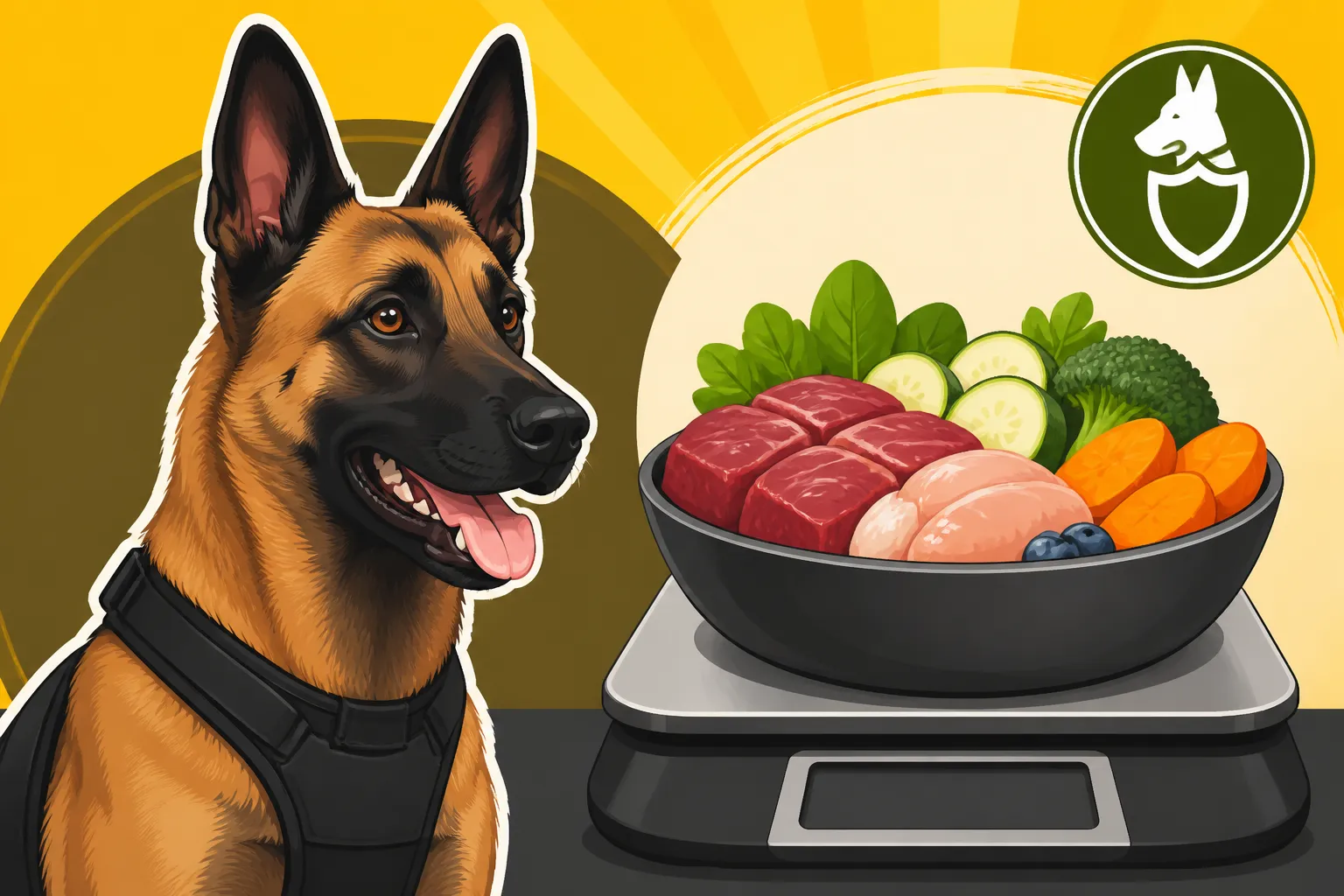
The cornerstone of accurate fresh food feeding is a reliable digital kitchen scale. Forget analog scales; they simply don't offer the precision you need. You'll want a scale that can measure in both grams and ounces and has a capacity of at least 10-15 pounds, especially if you're preparing larger batches or feeding multiple Malinois. Look for features like a "tare" function, which allows you to zero out the weight of your bowl or container before adding food. This is absolutely indispensable. You can find excellent, affordable options for digital scales on platforms like Amazon or Chewy. They come in various sizes and materials, but a stainless steel surface is usually easiest to clean and more durable.
When selecting your scale, consider where you'll be using it. A compact scale might be fine if you're portioning small amounts of individual ingredients, but if you're mixing a full meal in a larger bowl, a scale with a wider platform or one where the display is separate from the platform can be much more convenient. Ensure it’s easy to clean, as raw meat and other fresh ingredients can be messy.
Establishing Consistent Measurement Practices
Once you have your scale, consistency is key. Always use the same unit of measurement (grams are generally more precise than ounces for smaller quantities). When you're weighing, make sure your food is in a consistent state. For example, if you're weighing ground meat, don't pack it down tightly one day and leave it loose the next; this can alter the density and, therefore, the true weight of the food you're giving. If you're dealing with larger chunks of meat, organs, or bones, these will naturally have less variability in density, but the principle of consistent practice still applies.
Here’s a practical example: Let's say your Malinois's daily ration includes 8 ounces of ground turkey, 2 ounces of liver, and 4 ounces of pureed vegetables.
- Place an empty feeding bowl or a container on your scale.
- Press the "tare" button to zero out the weight.
- Add the ground turkey until the scale reads 8.0 oz (or 227 grams).
- Tare the scale again.
- Add the liver until it reads 2.0 oz (or 57 grams).
- Tare the scale again.
- Add the pureed vegetables until it reads 4.0 oz (or 113 grams).
This method ensures each component is measured individually and accurately. This level of detail is paramount, particularly if you are trying a raw feeding approach and want to be sure you are balancing The Protein a Working Malinois Actually Needs with other vital nutrients.
Weighing Different Types of Fresh Food
Not all fresh foods weigh the same, even if they look similar in volume. A cup of leafy greens will weigh significantly less than a cup of dense ground beef. This is why scales are superior to volume-based measurements.
- Meats (Muscle Meat, Organs, Bone-In): These are usually straightforward. Whether it's chicken, beef, or venison, place it directly on the tared scale. For bone-in meats, remember that the bone contributes to the total weight, but isn't entirely digestible. Most raw feeding guides specify a percentage of edible bone, so be mindful of whether your recipe accounts for this.
- Vegetables and Fruits: These can vary widely in density. Pureed vegetables will distribute more evenly than chopped pieces. If you're offering whole pieces of carrot or apple as treats, you might weigh a daily allowance and then break it up.
- Supplements and Additives: Powders, oils, and other supplements should also be measured precisely. For powders, a small gram scale might be necessary if your main kitchen scale isn't sensitive enough for tiny measurements. For oils, weighing is more accurate than measuring by volume (teaspoons/tablespoons), as density can vary.
Always reference your specific fresh food recipe or nutritional plan for precise quantities.
Calculating and Adjusting Rations for a High-Drive Dog
Once you've mastered the art of weighing, the next step is understanding what to weigh. Calculating the right daily ration for a working Malinois involves more than just a generic guideline; it demands consideration of their specific activity level, age, metabolism, and even the ambient temperature they're working in.
Determining Baseline Caloric Needs
The starting point for any fresh food diet is determining your Malinois's baseline caloric needs. This is often calculated based on their ideal body weight and their activity level. For a working Malinois, this baseline will be considerably higher than for a sedentary pet. A common starting point is to feed 2-4% of their ideal adult body weight daily, but this is a very broad range and needs significant adjustment. For instance, an extremely active, high-drive Malinois might need closer to 5-6% on intense training days or during a trial. The actual percentage will depend on the calorie density of the fresh food ingredients you're using. If you're using a pre-made fresh food service like Ollie, they often provide detailed calorie counts per serving, which makes calculation simpler.
Consider factors such as:
- Age: Puppies and young adults need more calories for growth and development. Older, retired Malinois will likely need fewer.
- Activity Level: A dog working several hours a day in demanding conditions will need significantly more fuel than one that has Retiring a Working Belgian Malinois From the Job and is only doing light activity.
- Metabolism: Some Malinois are naturally "hard keepers" and burn through calories faster, while others might put on weight more easily.
- Sex and Spay/Neuter Status: Intact males and females in season or lactating generally require more calories. Whether Spay Timing Changes a Malinois's Joints is a consideration, but also affects metabolic rate.
- Environment: Dogs working in cold climates burn more calories to stay warm.
It’s always a good idea to consult with a veterinarian or a canine nutritionist experienced in fresh food diets for working dogs to help establish an initial caloric target.
Monitoring and Adjusting the Daily Ration
The beauty of fresh feeding, combined with precise weighing, is the ability to fine-tune your Malinois's intake. Your initial calculation is just that—a starting point. The real work begins with observation and adjustment.
- Body Condition Scoring: Regularly assess your Malinois's body condition. Feel their ribs, check for a visible waist, and monitor their energy levels. If their ribs are becoming too prominent or their energy dips, you likely need to increase their food. If they're gaining weight or losing their tuck-up, a slight reduction is in order.
- Activity Levels: Be mindful of changes in their daily routine. If you have a weekend with an intense training seminar or a multi-day trial, your Malinois will need more calories. On rest days or during periods of reduced activity, you might slightly scale back their portions. This dynamic adjustment is crucial.
- Stool Quality: A good indicator of digestive health and proper nutrient absorption is stool quality. If your Malinois has loose stools, it could indicate too much fat, too much of a certain ingredient, or even an allergy. Hard, dry stools might suggest insufficient fiber or moisture. Adjusting fresh food ratios and amounts can often resolve these issues. Diarrhea in a Stressed Belgian Malinois is a common problem, and fresh food can sometimes help normalize digestion.
Making small, incremental adjustments (e.g., increasing or decreasing total daily intake by 5-10%) and observing the results over several days is far more effective than making drastic changes. Consistency in weighing allows you to pinpoint exactly what impact these adjustments are having.
Here’s a simple table illustrating how a Malinois's activity level might influence their daily fresh food intake percentage relative to body weight:
| Activity Level (Working Malinois) | Estimated % of Body Weight (Daily) | Example Scenarios | Key Considerations |
|---|---|---|---|
| Low-Moderate Work | 2.5% – 3.5% | Light training, active pet, off-season | Monitor closely for weight gain/loss, adjust as needed. |
| Moderate-High Work | 3.5% – 4.5% | Regular daily training (2-3 hrs), sport prep | Standard for many working Malinois. Ensure adequate protein. |
| Intense Work/Trial Season | 4.5% – 6% (or more) | Competition days, strenuous police work, breeding females | Higher calorie density, possibly multiple meals. Prevent muscle loss. |
Note: These percentages are general guidelines. Individual needs vary greatly based on metabolism, muscle mass, age, and specific food calorie density. Always monitor your dog's condition.
Whether to Train a Belgian Malinois Hungry
This is a common question among working dog handlers. The idea is often that a slightly hungry dog is more motivated to work for food rewards. While a ravenously hungry dog might be too distracted to focus, a "clean" gut and a motivated mindset can certainly be beneficial. Many handlers opt to feed a smaller portion of the daily ration in the morning, or after the primary training session.
If you are using food as a primary motivator, feeding too large a meal right before a session can lead to sluggishness or even an upset stomach, especially with intense physical exertion. Whether a Malinois Should Rest Before Bite Work is a pertinent consideration. Weighing your fresh food allows you to strategically portion meals throughout the day, providing smaller, easily digestible amounts before work and the bulk of the calories after strenuous activity. This way, you ensure your Malinois is fueled but not overly full, ready to engage with maximum drive.
Common Pitfalls and Best Practices in Fresh Feeding
Transitioning to or maintaining a fresh food diet for a working Malinois is incredibly rewarding, but it's not without its nuances. Avoiding common pitfalls and adhering to best practices ensures both safety and optimal nutrition for your athletic canine partner.
Proper Storage and Handling of Fresh Ingredients
One of the biggest concerns with feeding fresh food, especially raw meat, is bacterial contamination. This isn't just a risk for your dog, but for human family members as well. Proper storage and handling are non-negotiable.
- Refrigeration and Freezing: Purchase fresh ingredients from reputable sources and store them immediately in the refrigerator or freezer. Raw meat should be thawed safely in the refrigerator, never at room temperature. Thawed meat should be used within 2-3 days. Consider portioning out your daily meals and freezing them. Then, each night, simply pull out the next day's meal to thaw in the fridge. This makes daily feeding much simpler and safer.
- Sanitation: Always use separate cutting boards and utensils for your dog's raw food preparation, or thoroughly sanitize human kitchen items immediately after use. Wash bowls with hot, soapy water after every meal. Regularly clean food preparation surfaces.
- Ingredient Quality: Just because it's "fresh" doesn't mean it's good. Source human-grade meats and produce whenever possible. Be cautious with fresh foods from less reputable sources.
Adhering to strict hygiene standards not only protects your family but also your Malinois's delicate digestive system, preventing issues that might lead to Soft Stools in a Malinois Under Training Stress or other gastrointestinal upset.
Balancing Variety and Consistency
While variety in a fresh diet can offer a broader spectrum of nutrients, too much variability, especially early on, can make it difficult to pinpoint sensitivities or ensure consistent nutrient intake.
- Introduce New Ingredients Slowly: If you're introducing a new protein source (e.g., switching from chicken to beef) or a new vegetable, do so gradually over several days. This allows your Malinois's digestive system to adjust and helps you identify any Food Sensitivities in a Belgian Malinois.
- Establish a Rotation: Once you know what your dog tolerates well, establish a rotation of 2-3 different protein sources and a mix of vegetables. This provides varied nutrients without constant upheaval to their system. For example, you might feed chicken-based meals for a week, then transition to beef, then turkey.
- Consistency in Core Ratios: Even with variety, maintain your core ratios of muscle meat, organ, and bone. If your plan calls for 80% muscle meat, 10% organ, and 10% bone, stick to those percentages regardless of the protein source.
Remember, a fresh diet means you are actively managing their nutrition. Consistency in your approach, backed by precise weighing, will give you the most predictable and healthy outcomes for your working Malinois.
The Role of Supplements and Hydration
Even the most carefully crafted fresh food diet might need a little boost, especially for a high-performance dog.
- Targeted Supplements: Depending on your Malinois's age, activity level, and any specific health concerns, your vet or nutritionist might recommend certain supplements. These could include joint support, omega-3 fatty acids for skin and coat health (and to calm an itchy Malinois, as explored in Whether Omega Oils Calm a Malinois's Skin), or a general multivitamin. Always weigh or precisely measure these supplements according to instructions.
- Hydration: Fresh food diets inherently contain more moisture than kibble, which is a huge benefit. However, a working Malinois will still need abundant fresh water, especially during and after training sessions. Encourage water intake by offering water frequently, particularly if they are Getting Water Into a Malinois That Is Too Busy during training. During hot weather or intense work, consider adding electrolytes to their water to help with recovery and prevent dehydration. A working Malinois can push themselves hard, and adequate hydration is critical for their performance and safety.
By carefully weighing fresh food, managing storage, introducing variety wisely, and supporting their needs with hydration and targeted supplements, you're providing the best possible foundation for your working Belgian Malinois to thrive and excel in whatever job or sport they undertake.
Disclaimer
This article is for general informational purposes only and does not constitute professional advice. Laws, prices and regulations vary by location and change over time. Consult a qualified professional for guidance on your specific situation.