Getting Water Into a Malinois That Is Too Busy
Anyone who lives with a Belgian Malinois knows the sheer intensity they bring to everything they do. When they're focused on a task, whether it's working a field, retrieving a ball, or even just investigating a new scent in the backyard, their world often narrows down to that single pursuit. This incredible drive, while one of their most valuable traits, often means they literally forget to drink water, leading to potential dehydration, especially during intense exercise or warm weather. This guide is all about understanding why your busy Malinois might skip their water bowl and, more importantly, providing practical, real-world strategies to ensure they stay properly hydrated.
Why a Busy Malinois Skips Hydration
It can be baffling, can't it? You offer fresh water, you encourage them, but your Malinois seems to choose continued activity over a basic biological need. This isn't stubbornness in the human sense; it's a manifestation of their profound working drive and unique physiology. They are wired for action, often to their own detriment, and we, as their handlers, need to anticipate and mitigate this.
The Drive That Overrides Basic Needs
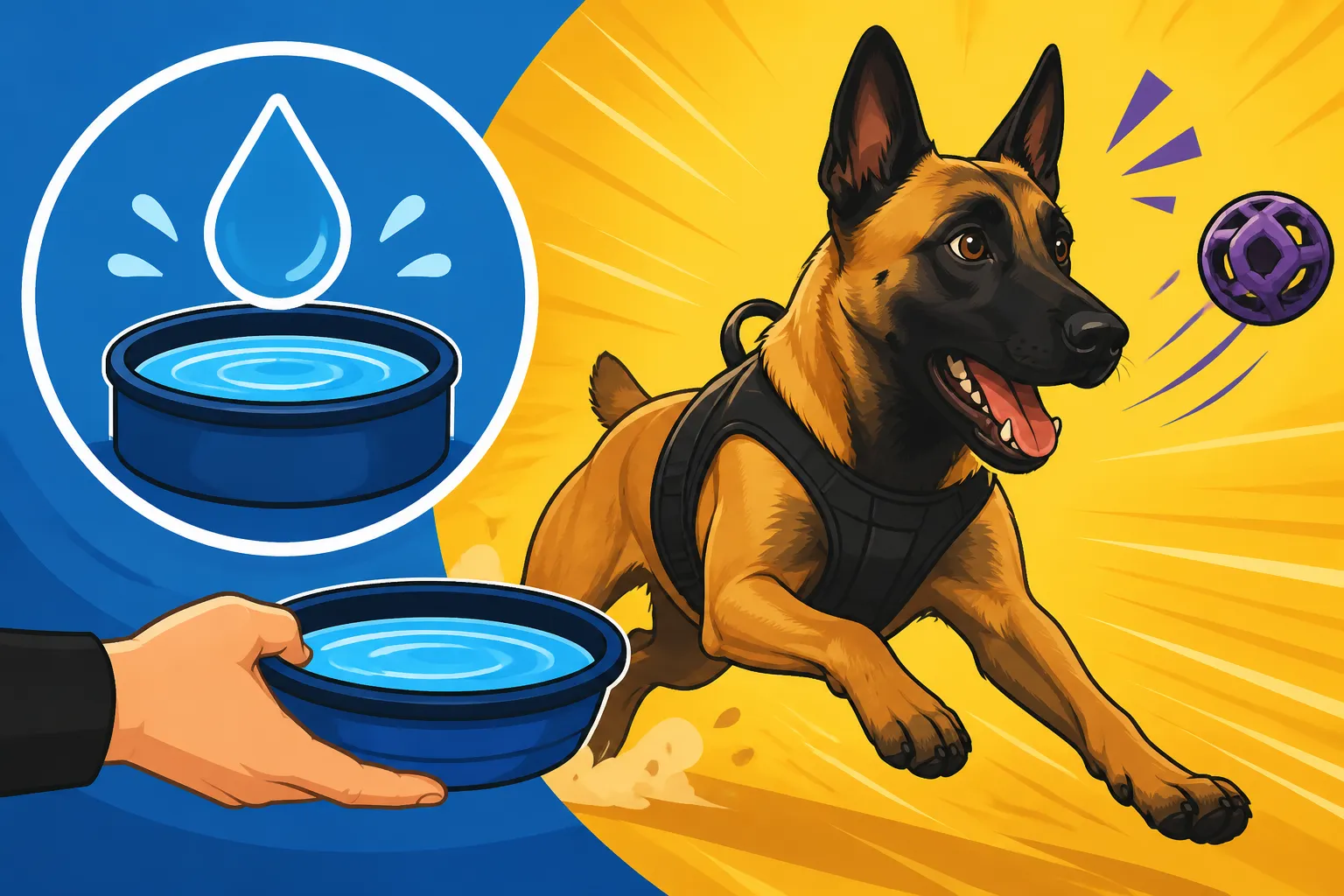
Belgian Malinois are often described as "high-drive" dogs, and that's an understatement. Their prey drive, their territorial instincts, their desire to work and please their handler—it all culminates in an animal that can push past discomfort and even ignore fundamental needs when engaged. When a Malinois is locked onto a retrieve, tracking a scent, or engaging with a bite sleeve, the immediate reward or the completion of the task takes precedence over thirst.
Think about it from their perspective: if there's a decoy presenting a sleeve, or a ball waiting to be chased, or a scent cone to unravel, why would they stop for something as mundane as water? Their brain is flooded with dopamine, adrenaline, and the satisfaction of the job. Their systems are geared to go, go, go. This isn't a fault; it's what makes them exceptional in so many working roles. However, it also means that their natural instincts for self-preservation, like drinking when thirsty, can be temporarily suppressed. We often have to act as their external regulators for things like pacing, rest, and, crucially, hydration. This is especially true when you consider The Two Hours and a Job a Belgian Malinois Demands Daily—that's a lot of opportunity to get wrapped up in work.
Environmental Distractions and Training Intensity
Beyond their internal drive, the environments we often work Malinois in can be incredibly distracting. A busy training field with other dogs, new smells, and excited handlers creates a sensory overload. Even at home, the rustle of a squirrel outside, a passing car, or the sound of children playing can be enough to pull their focus away from the water bowl. They’re constantly scanning, constantly alert, making it difficult for them to settle into a quiet drink.
Furthermore, the intensity of their training sessions plays a huge role. Whether it's high-impact agility, rigorous obedience, or demanding bite work, these activities raise their body temperature, accelerate their metabolism, and increase fluid loss through panting. The more intense the work, the more focused they become, and the less likely they are to self-regulate their hydration. Many handlers push their dogs hard, and rightly so for the goals they have, but this necessitates an even greater vigilance on our part to ensure proper recovery and rehydration. You might find yourself asking Whether a Malinois Trains Better on One Meal, but often, hydration is a more immediate concern than hunger during strenuous work.
Recognizing the Signs of Dehydration in a Malinois
Catching dehydration early is critical. Malinois are tough, and they can mask discomfort, which makes it even more important for us to be observant. Don't wait for extreme symptoms; learn the subtle cues your dog might be giving you.
Subtle Indicators Beyond the Obvious
Everyone knows heavy panting and sunken eyes are signs of severe dehydration, but a Malinois might be in trouble long before that. One of the first things I look for is a change in gum color and moisture. Healthy gums are typically pink and moist. If they're tacky or pale, that's a red flag. Capillary refill time is another quick check: press your finger firmly on their gum until it blanches, then release. It should return to pink within two seconds. If it takes longer, they might be dehydrated.
Another indicator is skin elasticity. Gently pinch a fold of skin on their neck or back. In a well-hydrated dog, it should snap back immediately. If it's slow to return or "tents" even slightly, their fluid levels are low. Beyond the physical, observe their behavior. Is their usual boundless energy a little subdued after a session, even once they've supposedly cooled down? Are they less enthusiastic about their favorite toy? These could be subtle hints that they're not recovering adequately due to insufficient hydration. Sometimes, even Soft Stools in a Malinois Under Training Stress can be an indirect sign of a compromised system that's also struggling with hydration.
Immediate Action for Suspected Dehydration
If you suspect your Malinois is dehydrated, don't panic, but act swiftly. First, get them to a cool, shaded area immediately. Offer small amounts of water frequently, rather than a huge bowl all at once, which can lead to vomiting. If they're reluctant to drink, try adding a tiny splash of low-sodium broth to the water, or even some ice cubes for novelty. Sometimes, the coolness itself is appealing.
If they're showing more severe signs like lethargy, persistent vomiting, or staggering, it's time to head to the vet immediately. These symptoms suggest a serious medical emergency, and your dog might need intravenous fluids to recover. Always err on the side of caution with these highly active dogs. Remember, The Temperature a Belgian Malinois Should Not Train In is a crucial piece of information to prevent overheating and subsequent dehydration.
Practical Strategies to Encourage Water Intake
Knowing your Malinois needs water is one thing; actually getting them to drink it consistently is another. It often requires a multi-pronged approach, anticipating their needs rather than reacting to them. We need to be proactive hydration managers for our working dogs.
Making Water More Appealing and Accessible
Sometimes, it's simply about making the water more interesting or easier to access. A boring, stagnant bowl might not cut it for a dog whose brain is always seeking novel stimulation.
Here are a few tactics:
- Multiple Water Stations: Place bowls in various locations around your home and yard. Sometimes a fresh bowl in a different spot is all it takes.
- Water Fountains: Many dogs are drawn to running water. A pet water fountain can pique their curiosity and encourage more frequent sips. Brands like Amazon offer a wide array of options, from ceramic to stainless steel, with different filtration systems.
- Flavor Enhancers: A tiny bit of low-sodium chicken or beef broth can make plain water irresistible. Just a splash! You can also try adding a few drops of a specific dog-safe electrolyte solution (check with your vet first). Electrolytes for a Belgian Malinois in Summer can be especially important.
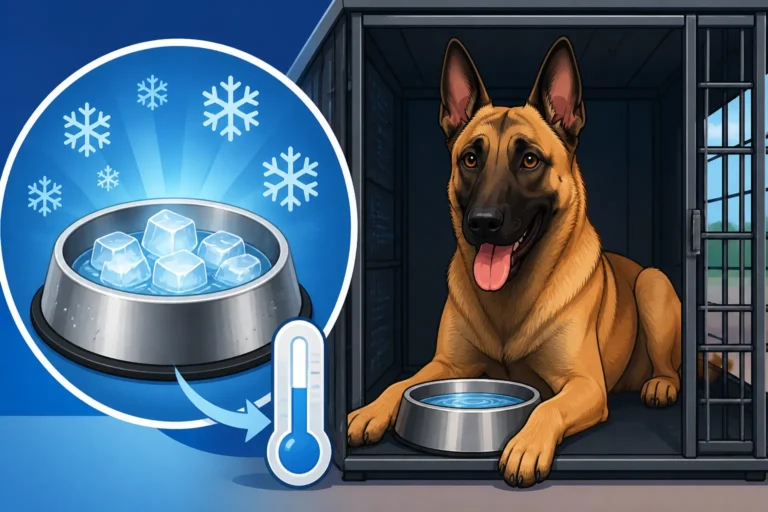
- Ice, Ice Baby: Adding ice cubes to their water bowl can make it more refreshing, especially in warm weather, and some Malinois find playing with the cubes an added bonus. You can even freeze broth into larger ice blocks for a long-lasting, flavorful treat.
- Bowl Material and Placement: Experiment with different bowl materials (stainless steel, ceramic, glass). Some dogs have preferences. Ensure bowls are always clean; a dirty bowl can deter drinking. Also, place bowls away from noisy or high-traffic areas where they might feel exposed or distracted.
Structured Water Breaks During Activity
This is perhaps the most crucial strategy for working Malinois. You cannot rely on them to decide when to drink during a training session. You must build in mandatory water breaks.
- Scheduled Breaks: During any extended training or exercise session, institute 5-10 minute water breaks every 20-30 minutes, especially if it's warm. During these breaks, put the toy away, remove distractions, and present water. Make it the only option.
- Portable Water Solutions: Always carry water and a collapsible bowl with you. There are many fantastic portable bottles on Chewy designed for dogs, with integrated bowls, that make offering water quick and easy whether you're at the park, on a hike, or at a trial.
- Leash Line-Up: If you're training with a group, establish a water line-up where all dogs get a chance to drink calmly away from the main action.
- Cool-Down Hydration: After an intense session, don't just put them away. Keep offering water as part of their cool-down routine. A Malinois often needs to "come down" from their drive before they can focus on drinking. This is part of Hydrating a Belgian Malinois During Training.
Creative Hydration Beyond the Bowl
Sometimes, we need to think outside the water bowl to get fluids into our dogs. This is where diet can play a significant role.
- Wet Food or Fresh Food: Incorporating wet dog food or fresh food into their diet naturally increases their fluid intake. Many fresh dog food brands, like Ollie, have a much higher moisture content than dry kibble, which can make a big difference over the course of a day. Even adding a good quality canned food topper to their regular kibble can help.
- Soaking Kibble: If your Malinois eats dry kibble, try soaking it in water or broth before feeding. It turns mealtime into a hydrating event. Just be sure to account for the extra moisture in their overall daily intake.
- Frozen Treats: Make homemade "pupsicles" with diluted broth, pureed fruits (like banana or apple), or even some plain yogurt. These are hydrating and mentally stimulating. You can find molds on Amazon to make fun shapes!
- Water Games: For some Malinois, making drinking a "game" can work. A gentle spray from a hose (if they enjoy it) or a kiddie pool can encourage interaction with water, and they might lap up some as they play. This isn't a primary method, but it can contribute.
Here's a quick comparison of some common hydration strategies:
| Strategy | Description | Pros | Cons |
|---|---|---|---|
| Multiple Water Bowls | Bowls in various locations. | Easy, low cost, constant access. | Still relies on dog's initiative. |
| Pet Water Fountain | Circulating water, often filtered. | Appeals to instinct for fresh, moving water, often cleaner. | Requires electricity, cleaning, some dogs may be wary initially. |
| Flavor Additives | Broth, electrolytes added to water. | Highly appealing, encourages reluctant drinkers. | Can make bowls messy, might encourage picky drinking of plain water. |
| Soaked Kibble / Wet Food | Adding water/broth to dry food or feeding high-moisture diet. | Consistent hydration at meal times, often more palatable. | Can be more expensive, some dogs prefer crunchy kibble. |
| Structured Water Breaks | Mandatory, distraction-free water offering during activity. | Guarantees hydration during peak exertion, teaches routine. | Requires handler discipline, interrupts flow of training. |
| Portable Water Bottle | On-the-go water access. | Essential for active outings, convenient. | Limited capacity, can be forgotten. |
| Frozen Treats | Broth or fruit-based pupsicles. | Fun, refreshing, provides slow hydration, mental enrichment. | Can be messy, requires preparation, not primary hydration source. |
When to Seek Veterinary Advice
While many hydration issues can be managed with the strategies above, there are times when you absolutely need to involve your veterinarian.
Persistent Reluctance and Underlying Health Concerns
If you've tried everything and your Malinois is still consistently refusing to drink, or if their water intake has suddenly dropped dramatically, it's time for a vet visit. Persistent reluctance to drink can be a symptom of an underlying medical condition, not just high drive or distraction. Dental pain, nausea, kidney issues, metabolic diseases, or even certain medications can all impact a dog's thirst and willingness to drink.
Your vet can perform a thorough examination, including blood work and urinalysis, to rule out any health problems. They can also offer professional advice tailored to your specific dog's health profile and activity level. Never hesitate to contact your vet if you have concerns about your Malinois's hydration, especially if you notice other symptoms like lethargy, vomiting, diarrhea, or changes in urination. This proactive approach is part of keeping your Malinois healthy and sound, for instance, when thinking about The Bloodwork a Working Malinois Should Have Annually.
Disclaimer
This article is for general informational purposes only and does not constitute professional advice. Laws, prices and regulations vary by location and change over time. Consult a qualified professional for guidance on your specific situation.