Whether a Malinois Trains Better on One Meal
It's a common dilemma for Belgian Malinois owners: you've got this high-octane companion with an insatiable drive, and you're constantly trying to optimize every aspect of their care to match their intensity. One of the biggest questions that comes up is how best to fuel them, particularly when it comes to training. Does feeding your Malinois one big meal a day make them more focused, sharper, and hungrier for rewards during training sessions, or does it leave them running on fumes? This guide will dive deep into the world of Malinois nutrition and meal timing, helping you understand the nuances of feeding strategies to best support your dog's demanding, working lifestyle.
The Unique Metabolic Engine of a Belgian Malinois
When you live with a Belgian Malinois, you quickly learn that they're not just dogs; they're finely tuned athletes, built for endurance, speed, and incredibly intense bursts of activity. This translates directly to their internal engine, their metabolism, which operates on a different level than many other breeds. Understanding how their bodies process and utilize energy is the first step in figuring out the best feeding schedule for optimal training performance.
High-Octane Fuel for a High-Drive Dog
A Malinois burns calories at an astonishing rate. Think about their daily routine: even a "pet" Malinois often demands several hours of intense physical and mental engagement, whether it's long runs, advanced obedience, scent work, or vigorous play. For working Malinois involved in sport, police, or military roles, the energy expenditure is even higher, sustained over long periods or involving explosive, powerful movements. They aren't designed for sedentary living; their bodies are constantly in motion, their brains constantly engaged. This means they need a consistent, high-quality fuel source to maintain muscle mass, cognitive function, and that characteristic Malinois drive. Unlike a lazier breed that might sprawl on the couch for hours, a Malinois is always "on," even when resting, often twitching with dreams or watching the world with intense focus. Their physiological needs are geared towards quick recovery and sustained output, which puts a significant demand on their nutritional intake.
Digesting for Performance
The efficiency with which a Malinois digests its food directly impacts its performance and well-being. Their digestive systems are typically robust, designed to quickly extract nutrients from food and convert them into usable energy. However, this efficiency can be a double-edged sword if the feeding schedule isn't right. A massive meal, for instance, might sit heavy in the stomach, diverting blood flow to the digestive tract and potentially causing lethargy or discomfort, especially if training is planned shortly after. On the flip side, going too long between meals can lead to dips in blood sugar, making a dog less enthusiastic, focused, and potentially more prone to Stomach Ulcers in a High Drive Belgian Malinois. The goal is to provide a steady supply of energy without overloading the system or causing dramatic fluctuations. We want their body to be able to access the energy when they need it, whether that's for a burst of speed in an agility course or sustained focus during a complex obedience routine.
The "One Meal a Day" Theory for Training Focus
Many working dog handlers, and indeed, some pet owners, subscribe to the idea that feeding a Malinois just one meal a day, typically in the evening, can enhance training focus. There's a certain logic to this, rooted in natural canine behavior, but it's crucial to examine if this approach truly benefits a Malinois and its unique physiological demands.
The Rationale Behind a Single Meal
The core argument for feeding a Malinois one large meal per day often revolves around two main points: hunger drive and perceived ancestral feeding patterns. The theory suggests that a dog that is slightly hungry throughout the day will be more motivated by food rewards during training. This increased food drive can make high-value treats even more effective, supposedly leading to sharper responses and a more engaged student. Proponents might also argue that wolves and wild canids don't eat multiple meals; they gorge when prey is available and then go long periods without food, suggesting that a single large meal aligns more closely with a dog's natural digestive rhythm. This feeding schedule also often means that the dog's stomach is empty during peak training times, which some believe reduces the risk of bloat (gastric dilatation-volvulus) if vigorous exercise follows. For some, it's also a matter of convenience – one feeding, one clean-up. They feel it simplifies their routine, allowing them to focus on The Two Hours and a Job a Belgian Malinois Demands Daily without worrying about multiple feeding times.
Potential Pitfalls for a Belgian Malinois
While the "hunger drive" concept has some merit for certain dogs and situations, applying a strict one-meal-a-day schedule to a Belgian Malinois can come with significant drawbacks, especially when you consider their intensity and physical output.
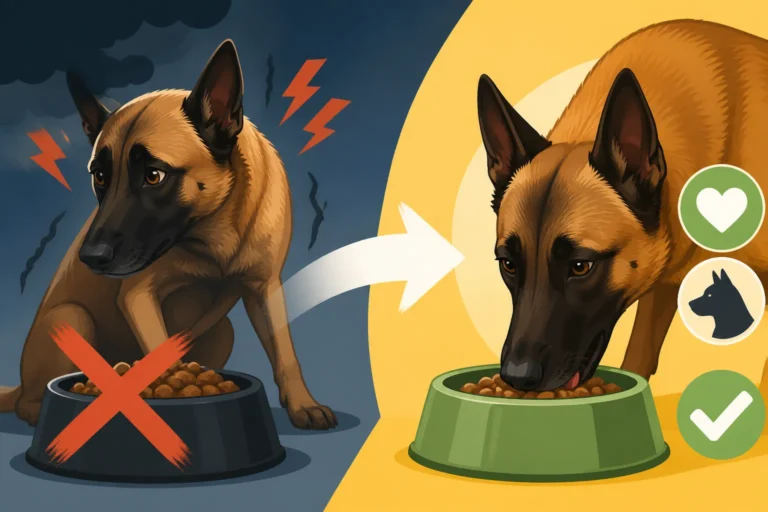
Firstly, a Malinois operates on a higher metabolic rate. Going 18-24 hours between meals can lead to substantial blood sugar dips, resulting in lethargy, poor concentration, and a noticeable drop in stamina. This isn't just about training; it can affect their overall mood and energy throughout the day, making them less vibrant and potentially more prone to stress or irritability. Imagine trying to perform high-level tasks when you're genuinely "hangry" – it's not conducive to optimal learning or performance.
Secondly, while some argue it reduces bloat risk during exercise, feeding one massive meal can actually increase the risk of bloat in the immediate post-meal period for susceptible breeds. Although Malinois aren't as notoriously prone as some deep-chested breeds like Great Danes, bloat is a serious, life-threatening condition that any large dog owner should be aware of. A single, large meal means a larger volume of food and gas in the stomach, which can be a factor.
Moreover, if your Malinois is getting all its calories in one go, the quality and digestibility of that single meal become absolutely paramount. You'd need to ensure it's a complete, balanced, and highly digestible food source. Whether you're opting for a high-quality kibble found on Chewy or exploring fresh food options like Ollie, every single nutrient must be present and easily absorbed. There's little room for error or deficiency when the body has such a long stretch to power through. A working Malinois needs consistent nutrient delivery, and a single meal might not provide the steady stream required for optimal muscle repair, energy replenishment, and overall health.
The Benefits of Multiple, Strategically Timed Meals
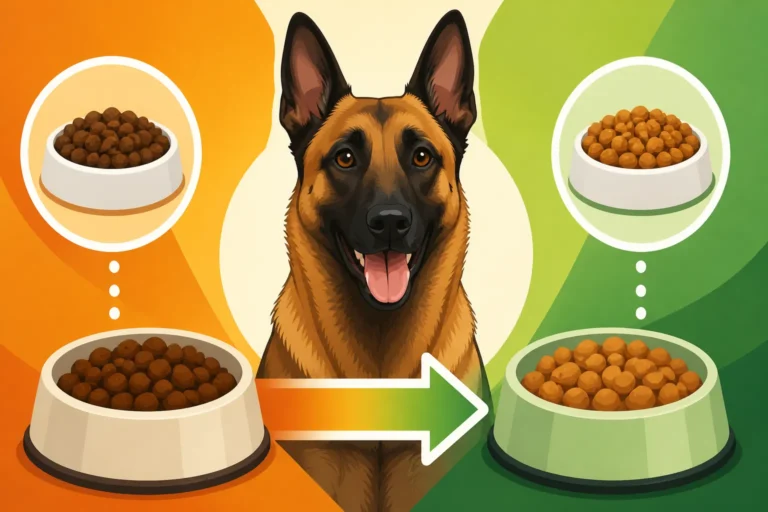
For the active, high-drive Belgian Malinois, a feeding schedule that incorporates multiple, smaller, strategically timed meals often proves to be a more effective approach for sustained energy, better focus, and overall well-being. It's about maintaining a steady internal engine rather than waiting for it to run on empty and then refilling it all at once.
Sustained Energy and Steady Blood Sugar
The primary benefit of multiple meals for a Malinois is the maintenance of stable blood sugar levels. Instead of the peaks and valleys associated with one large meal, smaller, more frequent feedings provide a more consistent release of glucose into the bloodstream. This steady energy supply translates directly to more sustained mental focus and physical stamina throughout the day. Your Malinois is less likely to experience that mid-afternoon slump or show signs of low energy before an evening training session. This is especially critical for a breed that engages in demanding activities where sustained cognitive function and physical output are essential. You'll find your dog more consistently "on point" and capable of giving their best performance, whether it's during a long tracking session or complex obedience drills. It’s all about creating an even keel, preventing those dramatic energy swings that can impact everything from their mood to their ability to learn and perform.
Optimizing Digestion and Reducing Risk
Dividing the daily food allowance into two or three smaller meals makes the digestive process much smoother for your Malinois. Smaller volumes of food are generally easier for the stomach to process, leading to more efficient nutrient absorption and less strain on the digestive system. This can significantly reduce the likelihood of indigestion, gas, and discomfort that a large meal might cause. By avoiding a heavily distended stomach, you're also taking a proactive step in minimizing the risk of serious issues like bloat. While bloat can never be entirely eliminated, feeding smaller, more frequent meals, especially with appropriate rest periods before and after activity, is a widely recommended preventative measure for active, deep-chested dogs. This approach also allows you to be more flexible with Feeding a Belgian Malinois Around Training Sessions, as a smaller meal is less likely to interfere with an upcoming session.
Incorporating Meals into the Training Routine
Strategic meal timing doesn't just benefit digestion and energy; it can be an incredible asset in your training regimen. Instead of viewing meals as separate events, think of them as an integral part of your dog's daily learning and engagement.
One highly effective method is to use a portion of your Malinois's daily food allowance as training rewards. Instead of relying solely on high-value treats (which still have their place!), you can utilize their regular kibble during a training session. This achieves a few things:
- High Value: If your dog is accustomed to multiple meals, a portion of their regular food can still be a strong motivator without making them "starving."
- Calorie Control: You're not adding extra calories on top of their meals; you're simply delivering existing calories in a more engaging way. This is crucial for maintaining The Lean Condition a Belgian Malinois Should Carry.
- Engagement: Feeding through training can build incredible engagement and focus, as your Malinois learns that good things (food!) come directly from working with you. This can be particularly useful for younger dogs, or those needing to build drive.
You can also incorporate puzzle feeders or enrichment toys from Amazon that dispense food slowly. This turns mealtime into a mental workout, which is just as important as physical exercise for a Malinois. Think about a KONG Wobbler or a snuffle mat – these can provide valuable mental stimulation, using a portion of their meal, and promoting slower eating. This helps to make mealtime an extension of their busy, thinking day, not just a quick gulp and go.
Tailoring the Feeding Schedule to Your Malinois and Your Training
There's no single perfect feeding schedule that fits every Belgian Malinois. The ideal approach is always a customized one, considering your dog's age, activity level, health status, and your specific training goals. What works for a police K9 might not be best for a family pet, and a growing puppy has entirely different needs than a senior dog.
Puppy Considerations
Malinois puppies are bundles of unadulterated energy, and they are growing at an incredible rate. Their digestive systems are still developing, and their energy demands are consistently high. For these reasons, feeding a Malinois puppy only one meal a day is generally not recommended. Puppies, particularly those in active growth phases, need a steady supply of nutrients to support their developing bones, muscles, and organs.
Typically, a Malinois puppy will thrive on three to four smaller meals per day, gradually reducing to two meals as they approach adulthood. This helps to prevent large fluctuations in blood sugar, provides consistent energy for their boundless play and learning, and aids in healthy, steady growth without putting undue stress on their digestive system. For specific guidance on how to time these meals, you can consult resources like Meal Timing for a Malinois Puppy in Training. Remember, rapid growth spurred by overfeeding can sometimes be detrimental to joint development in larger breeds, so ensuring appropriate portions spread out is key.
Working vs. Pet Malinois
The distinction between a "working" and a "pet" Malinois often comes down to the intensity and nature of their daily activity.
- Working Malinois: Whether in protection sports like IGP or Ring, detection work, or professional law enforcement/military roles, a working Malinois expends a colossal amount of energy. Their training sessions are often long, intense, and demand peak physical and mental performance. For these dogs, two to three meals a day, strategically timed around their most demanding sessions, is often the most effective approach. For instance, a lighter, easily digestible breakfast, a small lunch or mid-day snack, and a more substantial dinner well after any evening work. This provides sustained energy for activities like What Bite Sport Actually Asks of a Belgian Malinois without a heavy stomach.
- Pet Malinois: Even a pet Malinois needs significant exercise and mental engagement. While they might not be chasing decoys or searching for contraband, they still require vigorous daily activity, obedience practice, and structured play. For these dogs, two meals a day is usually ideal. It helps maintain a healthy weight, provides consistent energy, and fits well into most household schedules. The key here is to ensure their meals are balanced with their actual activity level, adjusting portions as needed.
| Feeding Schedule | Pros for Malinois | Cons for Malinois | Best Use Case |
|---|---|---|---|
| One Meal/Day | Can increase food drive for training rewards; simplifies routine | High risk of blood sugar dips/lethargy; increased bloat risk; less sustained energy | Only for very sedentary Malinois (rare!) or specific, short-term training goals under strict supervision. Not generally recommended. |
| Two Meals/Day | Good balance of sustained energy; easier digestion than one large meal; fits most schedules | Can still have energy dips if meals are too far apart; less flexibility for multiple intense sessions | Most pet Malinois; working Malinois with a predictable schedule and fewer peak demands; Feeding a Belgian Malinois That Will Not Eat Under Stress may find this easier. |
| Three+ Meals/Day | Optimal for sustained energy/blood sugar; aids digestion; supports high metabolism | Requires more planning/timing; can be inconvenient; may not increase hunger drive | High-performance working Malinois; puppies; dogs with digestive sensitivities; those needing constant fuel for intense The Daily Ration a Working Belgian Malinois Eats. |
Monitoring Your Dog's Response
Ultimately, your Malinois will tell you what works best. Pay close attention to their behavior, energy levels, and physical condition.
- Energy Levels: Are they consistently alert and engaged, or do they seem to hit a wall mid-day? Are they bright-eyed and enthusiastic for training, or do they seem sluggish?
- Training Focus: Do they maintain focus throughout a session, or do their minds seem to wander, especially if it's been a long time since their last meal?
- Stool Quality: Consistent, firm stools are a good indicator of healthy digestion. Any changes could point to issues with meal timing or food type.
- Body Condition: Your Malinois should remain lean and muscular. You should be able to easily feel their ribs but not see them prominently. If they're losing weight or becoming too "ribby" on a single meal, it's a sign they need more consistent fuel. Conversely, if they're gaining weight, their portion sizes or activity might need adjustment.
- Gut Health: Keep an eye out for signs of discomfort or Diarrhea in a Stressed Belgian Malinois.
Experiment with meal timing and frequency, always making changes gradually. For example, if you're currently feeding one meal, try splitting it into two smaller meals for a week or two and observe the difference. You might find that a performance-oriented diet from Chewy, whether it's kibble or a fresh option, performs differently when spread across two or three meals. Some handlers even blend raw feeding, like that offered by Ollie, with small amounts of high-quality kibble for maximum flexibility, always ensuring the diet aligns with Whether Raw Feeding Suits a Malinois in Training. The goal is to find the rhythm that keeps your Malinois performing at their peak, healthy, happy, and ready for whatever challenge you throw their way.
Disclaimer
This article is for general informational purposes only and does not constitute professional advice. Laws, prices and regulations vary by location and change over time. Consult a qualified professional for guidance on your specific situation.