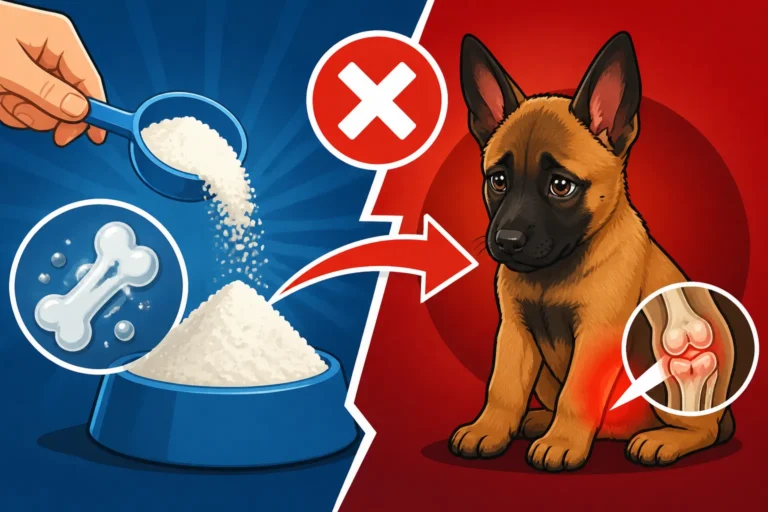
Whether Grain Free Diets Threaten a Malinois’s Heart
It's completely understandable to feel overwhelmed and frankly, a little scared, when you hear whispers and warnings about certain dog foods potentially harming your beloved Belgian Malinois's heart. You're trying your best to provide a high-performance dog with the best possible nutrition, and suddenly you're faced with conflicting information that can make you question every decision. This guide aims to cut through the noise and provide clear, empathetic information about grain-free diets and the legitimate concerns around their link to heart disease in dogs, specifically focusing on our driven Malinois.
The Grain-Free Frenzy and the Heartbreaking Reality
For years, many dog owners, myself included, were led to believe that grains were inherently bad for dogs. The marketing often highlighted vague ideas of "ancestral diets" or positioned grains as common allergens, which, while true for a very small percentage of dogs, was largely overblown. This led to a huge surge in grain-free dog food options hitting the market, promising a healthier, more natural alternative for our canine companions. For a breed like the Malinois, constantly in motion and needing peak physical condition, the idea of a "superior" diet was incredibly appealing.
Then, the murmurs started. Vets and researchers began noticing an uptick in a specific and serious heart condition called Dilated Cardiomyopathy (DCM) in breeds not typically predisposed to it, and many of these dogs were on grain-free diets. The U.S. Food and Drug Administration (FDA) launched an investigation into this alarming trend, looking into what they termed "BEG" diets – boutique companies, exotic ingredients, and grain-free formulas. The frustrating part is, there wasn't a clear, single culprit. It wasn't just grains missing; it was about the ingredients that replaced them and how these new formulations might be impacting canine nutrition on a fundamental level. For owners of active dogs who are always looking for the edge in performance, like those competing in trials or doing protection work, this news was a punch to the gut. We're already so focused on keeping our dogs sound and healthy for demanding activities; the thought that their food could be undermining their health is truly terrifying. If your Malinois is performing in demanding sports, you want to ensure every aspect of their care supports their incredible athleticism. Whether a Malinois Has the Body for Agility is often a question of genetics and training, but nutrition plays an undeniable role in sustaining that capability.
Diving Deeper: Taurine, Legumes, and the Nutritional Puzzle
The primary concern linking certain grain-free diets to DCM revolves around nutrient deficiencies or imbalances, specifically concerning an amino acid called taurine. Taurine is absolutely vital for healthy heart function. While dogs can synthesize taurine from other amino acids (methionine and cysteine), some grain-free diets, particularly those heavily relying on legumes (peas, lentils) and potatoes as primary protein or carbohydrate sources, seem to interfere with this process or reduce taurine bioavailability.
Think about it this way: your Malinois, a powerhouse of muscle and drive, needs every component of its diet working in harmony. If the building blocks for heart health are compromised, even slightly, over time it can lead to serious issues. It's not necessarily that legumes themselves are toxic; many ingredients are fine in moderation. The issue appears to stem from the proportion and processing of these ingredients when they become primary components of a diet. In some cases, dogs on these diets have developed taurine deficiency, which directly leads to DCM. The heart muscle weakens, enlarges, and struggles to pump blood effectively, leading to symptoms like lethargy, coughing, and even sudden collapse.
What makes this even more complex is that not every dog on a grain-free diet develops DCM, and some dogs develop DCM for other reasons. It's not a straightforward cause-and-effect for every single bag of grain-free kibble out there. The current understanding points to a complex interplay of genetics, specific ingredient formulations, and individual dog metabolism. Some dogs might be predisposed to developing a taurine deficiency when fed these diets, while others might tolerate them without issue. For a Belgian Malinois, who is always burning through energy and needs consistent, high-quality fuel, it's particularly critical to ensure their diet is robust and well-balanced. Feeding a Malinois That Is Never Not in Drive means every calorie counts, and every nutrient needs to be optimized for their demanding lifestyle.
Navigating Food Choices for Your Malinois's Heart
So, what's a worried Malinois owner to do? The good news is that awareness of this issue has grown significantly, and reputable pet food manufacturers are taking steps to address it. When choosing food for your Belgian Malinois, prioritize transparency and scientific backing.
Here are some key considerations:
- Look for Brands with Veterinary Nutritionists: Reputable brands often employ board-certified veterinary nutritionists (DACVN) who formulate their diets. These professionals understand the complex interplay of nutrients and are more likely to create diets that are balanced and safe. Companies that invest in research and quality control are generally a safer bet.
- Check Ingredient Lists with Caution: While legumes like peas and lentils aren't inherently bad, be wary if they appear very high on the ingredient list (e.g., in the top five ingredients, especially before a primary meat source). Similar caution applies to potatoes. These ingredients were often used as primary fillers or protein sources in grain-free foods, which is where the problem often arose.
- AAFCO Statement: Always check for an AAFCO (Association of American Feed Control Officials) statement on the label. This statement confirms that the food meets the nutritional levels established by the AAFCO Dog Food Nutrient Profiles for a specific life stage (e.g., "complete and balanced for adult maintenance" or "for growth and reproduction"). While it doesn't guarantee against all issues, it's a basic standard of nutritional adequacy. Look for foods that state they were formulated to AAFCO guidelines and passed feeding trials.
- Consider Traditional Grain-Inclusive Diets: Many high-quality, grain-inclusive diets are perfectly healthy and suitable for a Belgian Malinois. Grains like rice, oats, barley, and corn provide excellent sources of carbohydrates, fiber, and other nutrients, and for most dogs, they are not allergens. Don't be afraid to revisit them if you've been exclusively grain-free. For a truly active Malinois, the right carbohydrates are essential fuel. The Daily Ration a Working Belgian Malinois Eats will often include a robust carbohydrate component for sustained energy.
- Explore Alternative Formats: If you're still hesitant about traditional kibble, options like fresh-prepared meals (companies like Ollie have become popular for this, delivering customized, human-grade meals) or carefully formulated raw diets might be worth exploring, always with guidance from a veterinary nutritionist. You can also find a wide variety of trusted, high-quality kibble brands, both grain-inclusive and carefully formulated grain-free options, readily available through online retailers like Chewy or Amazon.
Here's a quick comparison of ingredients to guide your choices:
| Ingredient Category | "Red Flag" Ingredients (in high quantities) | Preferred Ingredients (primary sources) |
|---|---|---|
| Protein Source | Plant proteins like pea protein concentrate | Named meat meal (chicken meal, lamb meal), fresh meat (chicken, beef) |
| Carbohydrate Source | Lentils, peas, potatoes, sweet potatoes (high up list) | Rice (brown, white), barley, oats, corn, whole wheat |
| Fat Source | Unspecified animal fats | Named animal fats (chicken fat, salmon oil), flaxseed |
| Fiber/Binder | Pea fiber, potato starch | Beet pulp, chicory root, natural grain fibers |
For a Malinois that's consistently working hard, a performance formula might be exactly what they need, but ensure it's from a brand that takes cardiac health seriously. Whether a Sport Malinois Needs a Performance Formula isn't just about protein content, but about the whole nutritional profile.
Monitoring Your Malinois's Heart Health Proactively
Beyond choosing the right food, proactive health monitoring is absolutely crucial for any Malinois owner, especially given their high-energy lifestyle and the potential for underlying health issues. If you have been feeding a grain-free diet for an extended period, or if you simply want peace of mind, talk to your veterinarian.
Here are some signs to watch for and steps to take:
- Recognize the Symptoms of DCM: While Malinois are usually bursting with energy, keep an eye out for changes that could signal heart trouble:
- Lethargy or decreased exercise tolerance: Your dog might seem less interested in play or tire more quickly during walks or training sessions.
- Coughing: Especially a persistent, soft cough, or coughing after exercise or at night.
- Difficulty breathing: Rapid or labored breathing, even at rest.
- Weakness or collapse: Fainting spells, especially after exertion.
- Weight loss or poor appetite: Despite eating.
- Distended abdomen: Due to fluid buildup.
- These symptoms can be subtle at first, so trust your gut if something feels "off."
- Regular Veterinary Check-ups: Your Malinois should have annual check-ups, which include a thorough physical exam, listening to their heart, and discussing any changes you've observed. This is your primary line of defense. The Checkup Schedule a Sport Malinois Should Keep is non-negotiable for a dog of this caliber.
- Discuss Diet with Your Vet: Be open and honest about what you're feeding your Malinois. Your vet can provide guidance on whether a specific diet is appropriate and discuss any concerns. They can also recommend specific brands or formulations that align with current veterinary nutritional recommendations.
- Consider Cardiac Screening: If you're concerned, or if your vet hears anything unusual during an exam, they might recommend further cardiac screening. This could include:
- Blood tests: To check for taurine levels, especially if a deficiency is suspected.
- Chest X-rays: To assess heart size and lung fields.
- Echocardiogram (Echo): This is the gold standard for diagnosing DCM. It's an ultrasound of the heart that allows the vet to see the heart's structure and how well it's pumping. This is the definitive test to look for actual heart changes.
- ECG (Electrocardiogram): To assess the heart's electrical activity and rhythm.
- Even if your Malinois has no symptoms, a baseline cardiac screen could be something to discuss with your vet, particularly if you have strong concerns about their diet history or if there's any family history of heart issues. It's good to know if your Malinois needs a cardiac screen at all, rather than waiting for signs of illness. Whether a Belgian Malinois Needs a Cardiac Screen is a question best answered by your vet. Additionally, issues like heartworm disease can complicate cardiac health, so ensuring your Malinois is routinely tested is also vital. Whether a Belgian Malinois Should Be Tested for Heartworm Twice is sometimes recommended in certain regions or for dogs with specific exposures. If a murmur is found, it requires careful investigation. The Murmur Found on a Malinois Before Breeding could indicate an underlying issue.
Ultimately, navigating the world of canine nutrition can feel like a minefield. The information surrounding grain-free diets and DCM is a perfect example of how complex and worrisome it can be for dedicated owners. The most important thing you can do for your Belgian Malinois is to stay informed, choose food from reputable sources, and maintain open communication with your veterinarian. They are your best resource for tailored advice that considers your individual dog's health, activity level, and dietary needs. Don't be afraid to ask questions, advocate for your dog, and make choices based on sound science, not just clever marketing.
Disclaimer
This article is for general informational purposes only and does not constitute professional advice. Laws, prices and regulations vary by location and change over time. Consult a qualified professional for guidance on your specific situation.