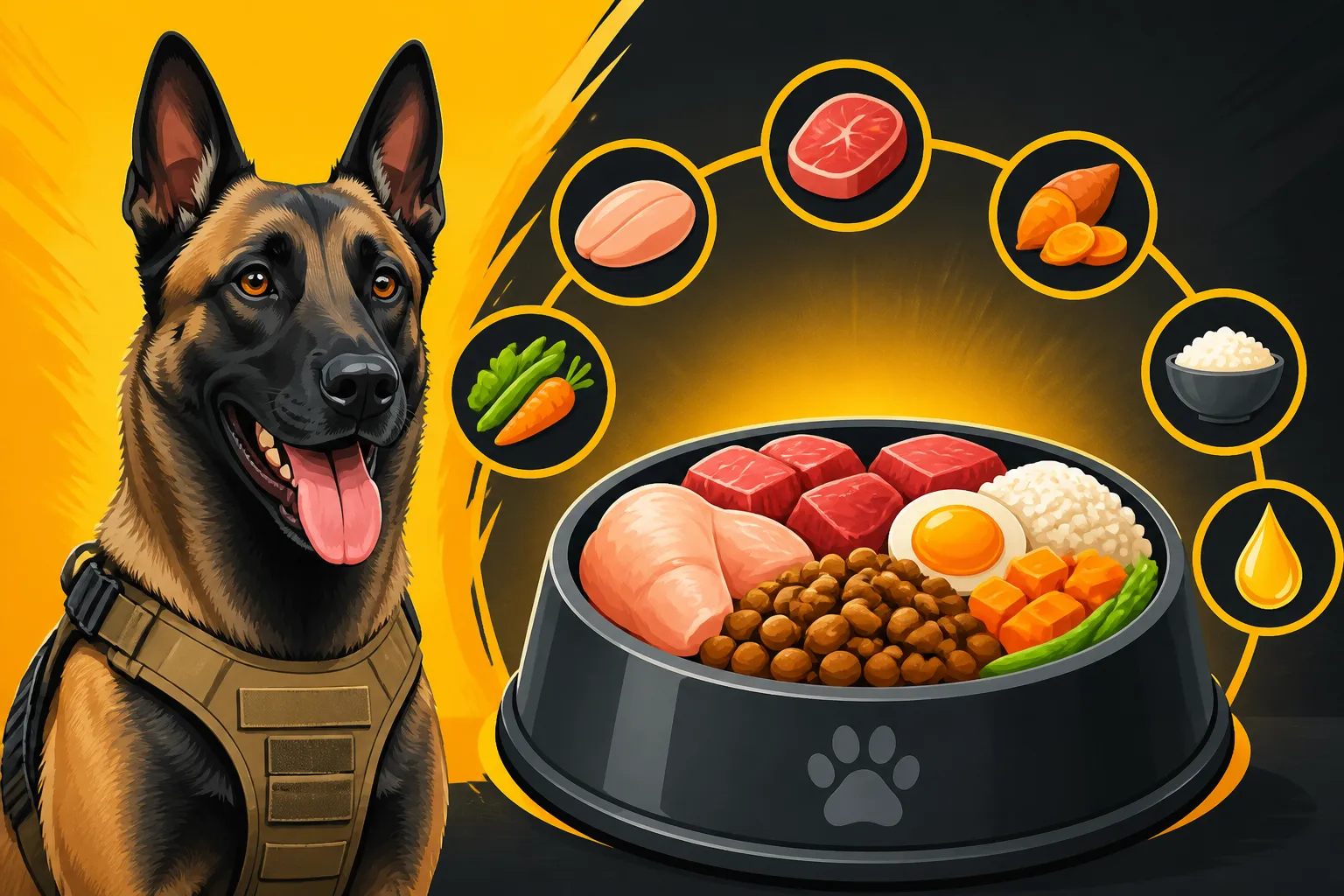
The Daily Ration a Working Belgian Malinois Eats
It's a common refrain among Belgian Malinois owners: "Are you sure you're getting enough to eat?" You look at your seemingly bottomless pit of a dog, a lean, muscular machine that burns through calories faster than a wildfire. Figuring out the right daily ration for a working Malinois isn't just about throwing a scoop of kibble in a bowl; it's a careful balance of understanding their unique metabolism, activity levels, and individual needs. This guide will walk you through the nuances of fueling your high-octane partner, ensuring they have the energy and stamina for every single task you ask of them.
The Unending Appetite of a Working Malinois: Why They Need So Much
Owning a Belgian Malinois often feels like living with a perpetual motion machine. They're constantly moving, thinking, and engaging, even when they appear to be "resting." This incredible drive and physical prowess come at a caloric cost, often surprising new owners who might be used to more sedate breeds. It's not uncommon to feel like you're pouring food into a black hole, and yet your Malinois remains as lean as a racing greyhound.
Understanding Their Metabolism and Energy Burn
Belgian Malinois possess an incredibly efficient, high-octane metabolism. Unlike some breeds that can pack on weight with relative ease, a Malinois is built for sustained output, converting food into energy at a phenomenal rate. Their physiology is geared towards performance, meaning their bodies are constantly working, even at rest. This isn't just about physical activity; their brains are also constantly engaged, processing information, anticipating cues, and maintaining focus, all of which demand significant neurological energy. This intrinsic drive means they are burning calories at a higher baseline rate than many other dogs of similar size.
Think of it like comparing a high-performance sports car to a family sedan. Both burn fuel, but the sports car, even idling, consumes more because its engine is designed for power and speed. A Malinois's "engine" is always tuned to a higher frequency. Owners often express frustration when their Malinois seems perpetually hungry despite eating what seems like a vast quantity of food. This isn't necessarily a sign of malnourishment; it's often just their normal, healthy, high-octane metabolism in action. Keeping a Malinois in optimal The Lean Condition a Belgian Malinois Should Carry is a fine art that involves continuous assessment.
Activity Level vs. Caloric Demand: It's Not Just About Miles
While sheer mileage and physical exertion obviously play a massive role, the type and intensity of work your Malinois undertakes also dramatically influence their caloric needs. A dog engaged in bite work, for example, expends explosive energy in short, intense bursts, followed by periods of focused control. This differs from a detection dog, who might be working for hours at a slower pace but with immense mental concentration. Agility dogs require quick bursts, powerful jumps, and incredible body awareness, all taxing on the system. Search and rescue dogs might cover vast, uneven terrain for extended periods, facing environmental challenges.
It's a common misconception that simply throwing a ball in the backyard for an hour is enough to satisfy a working Malinois's energy requirements, and thus their caloric needs. While physical exercise is crucial, it's the mental component that truly drains them and drives their metabolic engine. A Malinois spending an hour intensely tracking a scent, learning complex obedience chains, or performing detailed detection work can be just as, if not more, calorically demanding than a long run. Each of these activities demands peak performance from both body and mind, requiring a consistent and ample supply of high-quality fuel. If you're struggling to meet their energy needs, remember to provide Two Hours and a Job a Belgian Malinois Demands Daily to keep them balanced.
Crafting the Perfect Plate: Factors Beyond Just "More Food"
Determining the exact "daily ration" for your working Belgian Malinois isn't a one-size-fits-all formula you can just pull from the back of a food bag. It's a dynamic process that takes into account a multitude of individual factors. What works for one Malinois might leave another emaciated or, conversely, overweight. This variability can be a huge source of confusion and stress for owners who are committed to doing right by their highly active dogs.
Age, Sex, and Reproductive Status: A Changing Equation
A Malinois puppy, for instance, has vastly different nutritional demands than a mature adult, and an adult's needs will shift as they age into their senior years. Puppies are growing at an astonishing rate, laying down bone, muscle, and developing their complex nervous systems. They require specific nutrient profiles and more frequent, smaller meals to support this rapid development without overstressing their growing bodies. Pushing a puppy to grow too fast can lead to developmental orthopedic issues. As they transition into adolescence, their energy expenditure can become astronomical, demanding careful caloric monitoring.
Similarly, there are differences based on sex and reproductive status. Intact males and females often have higher metabolic rates than their spayed or neutered counterparts. A pregnant or lactating female Malinois, for example, will have significantly elevated caloric and nutrient requirements to support both herself and her developing litter. Ignoring these shifts can lead to health problems for the mother and impact the healthy development of her puppies. Adjusting the diet properly through these life stages is crucial, as is understanding The Protein a Working Malinois Actually Needs at each stage.
Environmental Stressors and Individual Differences
Beyond age and reproductive status, external environmental factors play a surprisingly large role in your Malinois's caloric needs. Dogs working in colder climates, or spending significant time outdoors during winter, will burn more calories simply to maintain their body temperature. Conversely, intense heat can suppress appetite but also increase the need for specific nutrients and, crucially, hydration. Travel and competition, even for a well-seasoned dog, introduce a level of stress that can affect metabolism and digestion. Some dogs might eat less due to anxiety, while others might burn through their reserves faster.
Then there are the individual variations within the breed itself. Just like people, some Malinois simply have faster metabolisms than others. Some might be more prone to food sensitivities or allergies, requiring specialized diets. It's a real challenge for owners to pinpoint these individual quirks. What works for your friend's Malinois might cause digestive upset or insufficient energy for yours. Observing your dog closely, noting changes in energy, stool quality, and overall demeanor, is key to tailoring their diet. Sometimes, owners wonder Whether a Malinois Trains Better on One Meal, and the answer often depends entirely on the individual dog and their specific digestive system.
Navigating Food Types: Kibble, Raw, Fresh, and the Rest
The world of dog food can be overwhelming, with endless choices and passionate debates about what constitutes the "best" diet. For a working Belgian Malinois, where optimal performance is paramount, these choices feel even more critical. Each food type comes with its own set of advantages and challenges, and finding the right fit for your dog and your lifestyle is often a process of trial and error.
High-Performance Kibble: Convenience Meets Energy
For many working Malinois owners, high-quality performance kibble remains the most practical and convenient option. These diets are typically formulated with higher protein and fat content to meet the intense caloric demands of active dogs. The key is to look for reputable brands that use high-quality, digestible ingredients, with meat as the primary component. You'll want to scrutinize the ingredient list for fillers, artificial preservatives, and vague descriptions like "meat by-products" which offer little nutritional value to a working animal. The ratios of protein to fat are critical; typically, working dog formulas will have protein content in the high 20s to low 30s and fat content in the high teens to low 20s.
The convenience of kibble is undeniable. It's easy to store, measure, and feed, which is a huge benefit when you're on the go for training or trials. Brands like those available through Chewy or Amazon often carry a wide selection of performance kibbles, making it easier to compare ingredients and find options that suit your dog's specific needs. However, even within the "performance" category, quality varies wildly, and it can be a constant battle to keep a Malinois in top condition on some formulas. You might find yourself needing to supplement certain aspects, but the base remains practical.
Raw and Fresh Diets: The Debate for Optimal Fuel
On the other end of the spectrum are raw (BARF – Biologically Appropriate Raw Food) and fresh-cooked diets. Proponents argue these diets are more natural, digestible, and provide superior nutrient absorption, leading to better energy, coat quality, and overall health. For a working Malinois, the idea of feeding a diet that mirrors what their wild ancestors might have eaten is appealing, promising peak performance. Raw diets typically consist of raw meat, bones, organs, and sometimes fruits and vegetables. Fresh-cooked diets offer a similar approach but with the added step of cooking the ingredients, which some owners prefer for safety or palatability.
However, these diets come with significant considerations. Balancing a raw diet can be incredibly complex; getting the correct calcium-to-phosphorus ratio, ensuring sufficient organ meat, and providing a full spectrum of vitamins and minerals requires significant research and often consultation with a veterinary nutritionist. Improperly balanced raw diets can lead to severe nutritional deficiencies or excesses. There are also concerns about bacterial contamination, which require meticulous handling and storage. Companies like Ollie offer pre-portioned, fresh-cooked meals that can take some of the guesswork out of balancing, but the cost and logistics are often higher than kibble. When considering raw, understanding Whether Raw Feeding Suits a Malinois in Training is critical, as it requires careful handling and storage.
The Role of Supplements: Filling in the Gaps
Regardless of the base diet you choose, supplements can play a valuable role in supporting the health and performance of your working Malinois. These aren't meant to replace a balanced diet but rather to enhance it or address specific needs. Common supplements for active dogs include:
- Joint Support: Glucosamine, chondroitin, and MSM are popular for maintaining healthy cartilage and joint fluid, crucial for dogs involved in high-impact activities like agility or bite work. Even young, active Malinois can benefit from preventative joint care.
- Omega Fatty Acids: Fish oil (EPA/DHA) and flaxseed oil can support skin and coat health, reduce inflammation, and even aid cognitive function, which is vital for a Malinois's intense mental work.
- Probiotics/Prebiotics: For digestive health, especially for dogs prone to stress-induced Soft Stools in a Malinois Under Training Stress during trials or travel. A healthy gut biome is essential for nutrient absorption and a strong immune system.
- Electrolytes: Particularly important during hot weather or intense, prolonged exercise. Dogs can lose significant electrolytes through sweating and panting, and replenishment is vital to prevent dehydration and muscle cramping. Electrolytes for a Belgian Malinois in Summer are not just an option, but a necessity to prevent serious issues.
When considering supplements, always consult with your veterinarian. They can help you identify any specific deficiencies or needs your Malinois might have and recommend appropriate, high-quality products. It’s about intelligently augmenting their diet, not just adding things because they sound good.
Reading Your Malinois: Adjusting Rations for Peak Condition
The best food in the world won't do your Malinois any good if the quantity isn't right. Overfeeding can lead to obesity and joint strain, while underfeeding saps their energy, compromises their immune system, and hinders their ability to perform. The challenge is that a working Malinois's needs fluctuate, making daily or weekly adjustments necessary. It's a continuous conversation you have with your dog, reading their body language and physical state. This constant vigilance is a common source of anxiety for dedicated owners.
The Eye and Hand Test: Judging Body Condition Score
The most critical tool you have for assessing your Malinois's dietary needs is your own eyes and hands. Learning to properly assess their body condition score (BCS) is far more accurate than relying solely on a scale. A working Malinois should always be lean and athletic, not chunky or padded.
Here's a quick guide to what you should be looking for:
- Ribs: You should be able to easily feel their ribs without pressing hard. You should not see them protruding sharply, but a faint outline is often visible, especially when moving.
- Waist: When viewed from above, your Malinois should have a distinct waist that tucks in behind the ribs. It shouldn't be a straight line from chest to hips.
- Abdominal Tuck: When viewed from the side, their abdomen should tuck up, not hang low.
- Musculature: They should have well-defined, hard muscle tone, particularly over their hindquarters and shoulders.
If you can see all their ribs, hip bones, and vertebrae clearly without palpation, they are likely too thin. If you can't feel their ribs without significant pressure, or if they lack a defined waist, they are likely carrying too much weight. This "eye and hand test" is something you'll do almost daily. For a deeper dive, learn how to refine your assessment with Judging a Malinois's Condition by Hand.
When to Increase, When to Decrease: Signs and Scenarios
Your Malinois's daily ration isn't static. It needs to be a fluid number, adapting to their current workload, environment, and physical state. This is where many owners get frustrated because there's no set rule; it's all about observation and responsiveness.
Increase their ration if you notice:
- Weight Loss: Even slight drops in weight over a few days or weeks, despite consistent feeding.
- Lethargy/Reduced Drive: If your typically high-energy Malinois seems sluggish or less enthusiastic than usual, especially if their physical condition seems too lean.
- Dull Coat or Skin Issues: While not solely food-related, a poor coat can sometimes indicate insufficient nutrients or fat in the diet.
- Increased Workload: If you've ramped up training intensity, added more sessions, or are heading into a trial season. Feeding a Malinois That Is Never Not in Drive during these periods is essential.
Decrease their ration if you notice:
- Weight Gain: Even a pound or two on a lean Malinois can make a difference. If their ribs are harder to feel, or their waist disappears, cut back.
- Reduced Activity: If your Malinois is on a rest week, recovering from a minor injury, or during periods of unusually hot weather when they are less active.
- Sluggishness/Overheating: Sometimes, too much fuel can make a dog feel "heavy" or struggle more with heat.
Here's a table illustrating how different factors might impact daily food needs:
| Factor | Impact on Calories | Example Scenario | Adjustment Suggestion |
|---|---|---|---|
| Intense Training | High Increase | IGP training sessions 5x/week, long runs | 10-25% increase from baseline, observe condition |
| Rest Days/Off-Season | Moderate Decrease | Week off after a trial, lighter walks | 5-15% decrease from baseline |
| Cold Weather | Moderate Increase | Outdoor kennel in winter, prolonged snow play | 5-10% increase to maintain body temp |
| Hot Weather | Slight Decrease/Shift | Less intense work, more panting, lower appetite | Maintain baseline but focus on hydration, maybe feed lighter, more frequent meals |
| Adolescence (6-18 mos) | High, fluctuating | Rapid growth, unpredictable energy bursts | Monitor constantly, feed smaller, more frequent meals, ensure nutrient density |
| Senior (10+ years) | Slight Decrease | Metabolism slows, less intense activity | Monitor for weight gain, focus on joint support, easily digestible food |
| Stress/Trials | Variable | Anxiety causing reduced appetite or higher burn | Monitor closely, encourage eating, ensure hydration; might need temporary higher calorie density |
Strategic Feeding for Performance and Health
Feeding a working Belgian Malinois isn't just about what and how much; it's also about when and how. Strategic feeding can optimize performance, aid recovery, and crucially, minimize health risks like bloat, which is a terrifying concern for any deep-chested breed. It involves thinking about their daily schedule and anticipating their energy needs.
Timing is Everything: Pre and Post-Work Meals
The timing of meals, particularly around intense training or working sessions, is paramount for a Belgian Malinois. Feeding too close to strenuous activity can be dangerous, increasing the risk of Gastric Dilatation-Volvulus (GDV), commonly known as bloat. This life-threatening condition occurs when the stomach fills with gas and can twist, cutting off blood supply. While Malinois might not be as notoriously prone as some giant breeds, their deep chests still put them at risk. This is a terrifying prospect that keeps many owners awake at night. Whether Torsion Happens in Belgian Malinois is a question that weighs heavily on the minds of those who live with this breed.
As a general rule, aim to feed your Malinois at least 2-3 hours before any intense exercise or work. This gives their digestive system ample time to process the food and reduces the risk of bloat. Similarly, after a hard session, allow them to cool down and settle for at least 30-60 minutes before offering food. Their bodies need to shift from "fight or flight" mode back to "rest and digest." Providing Feeding a Belgian Malinois Around Training Sessions requires meticulous planning. Breaking their daily ration into two or even three smaller meals, rather than one large one, can also significantly reduce the risk of bloat and aid digestion. This is a key strategy for Feeding Habits That Raise a Malinois's Torsion Risk.
Hydration Beyond the Bowl: More Than Just Water
While often overlooked, hydration is as critical as food for a working Malinois's performance and overall health. These dogs push themselves to the limit, panting heavily to regulate body temperature, especially during intense work or in warm weather. This means they can quickly become dehydrated, impacting their stamina, focus, and increasing the risk of heat-related illnesses. Many Malinois are so focused on their job that they simply won't stop to drink adequately, even when water is readily available. It's a frustrating battle to get them to take a break.
Beyond simply providing constant access to fresh water (which is non-negotiable), proactive hydration strategies are essential. Consider adding water or low-sodium broth to their kibble to increase fluid intake with meals. Offering ice cubes as treats can be a fun way to get more water into them. For dogs that are truly "too busy" to drink, a squeeze bottle or a portable water bladder can be used to offer water directly into their mouths during short breaks. During long training days or trials, especially in warmer climates, electrolyte-enhanced water can be beneficial, but always check with your vet before using these regularly. Understanding how to support Getting Water Into a Malinois That Is Too Busy is a crucial part of their daily care routine.
Disclaimer
This article is for general informational purposes only and does not constitute professional advice. Laws, prices and regulations vary by location and change over time. Consult a qualified professional for guidance on your specific situation.