Cutting the Quick on a Belgian Malinois
One of the most common anxieties for any Belgian Malinois owner, especially those with high-drive, intensely active dogs, is the nail trim. You know your Mal needs their nails kept short for optimal paw health and gait, particularly if they're a working or sport dog. But the thought of cutting too far and hitting the quick – that tiny, sensitive part of the nail that bleeds and causes pain – can be paralyzing. It's a real fear, and dealing with a squirming, stressed Malinois only amplifies it. This guide is here to demystify the quick, arm you with the knowledge to trim your Malinois's nails confidently, and help you manage those inevitable "oops" moments with calm and precision.
Understanding the Anatomy of a Malinois Nail: The Quick Explained
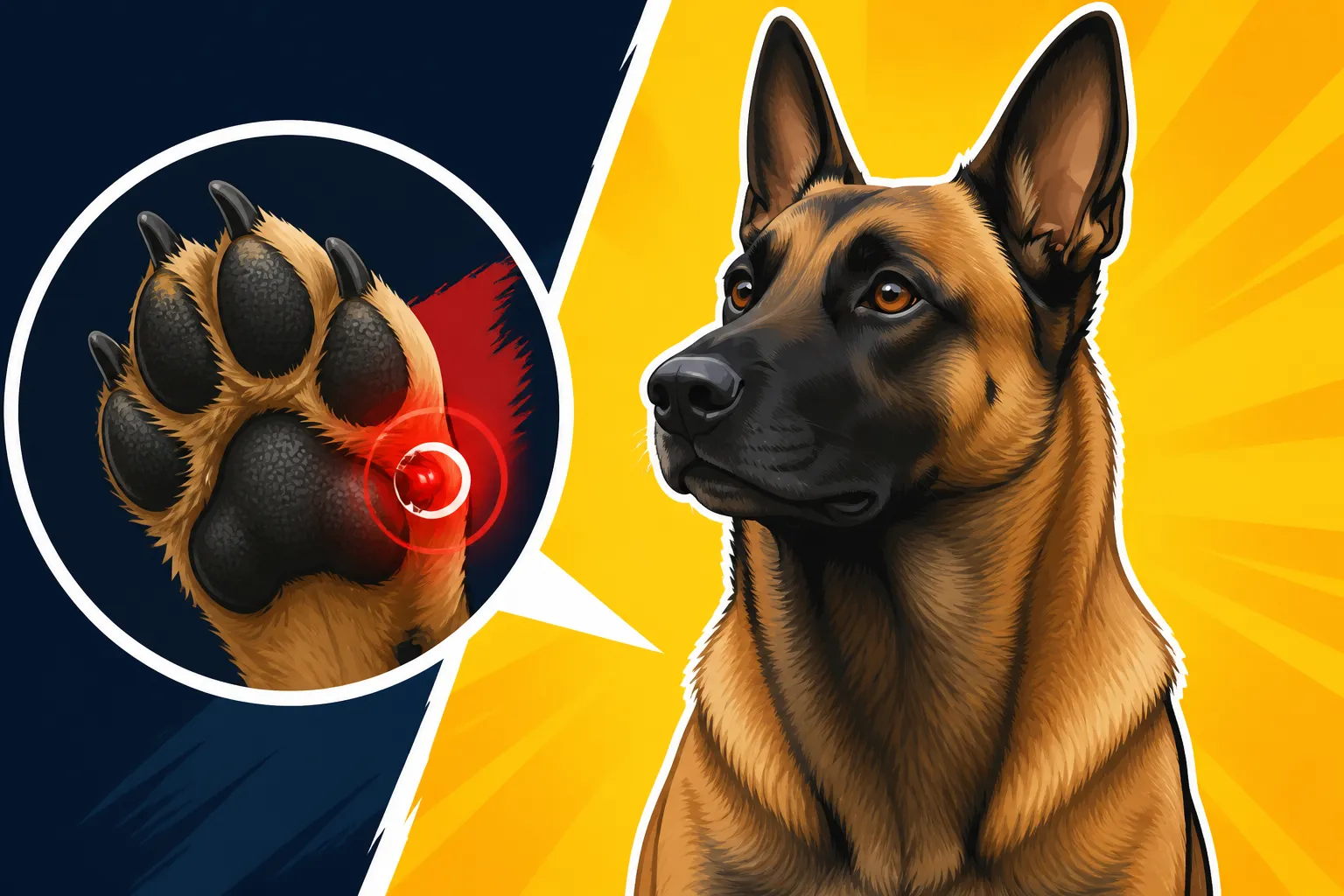
Let's be honest, those black claws on a Malinois are intimidating. Unlike some lighter-nailed breeds where the quick is visible, your typical fawn or mahogany Malinois often has dark nails, making it a guessing game for many owners. The quick isn't just a random spot; it's a living tissue inside the nail that contains blood vessels and nerves. Think of it as the fingertip under your own nail. When you cut into it, it's painful, and it bleeds, sometimes quite a bit, which can be alarming.
Why the Quick is So Important to Understand
The reason this matters so much for a Belgian Malinois, beyond the obvious pain, is twofold. First, an uncomfortable or painful experience with nail trimming can create a lifelong aversion. A Malinois is smart, and they remember. One bad quicking incident can set back weeks or months of positive conditioning. Second, consistently hitting the quick can, paradoxically, make the quick itself grow longer, meaning you have even less room to trim without incident in the future. The goal is to encourage the quick to recede over time, allowing for shorter, healthier nails that don't interfere with their intense activity. For a working dog, every aspect of their physical condition, including their paw health, is paramount. Nails, Pads and Feet on a Working Belgian Malinois are critical to their performance and longevity.
The Role of Nail Color in Identifying the Quick
As mentioned, most Belgian Malinois have dark nails, which hide the quick completely. This is the primary frustration for owners. However, if your Malinois happens to have a few lighter-colored nails, you might be able to see a pinkish area within the nail – that's the quick. This visual can serve as a helpful guide, offering a frame of reference for how far back you can safely trim on the darker nails. Always remember that even within the same paw, quick lengths can vary slightly. You're aiming for that sweet spot where the nail is short enough not to hit the ground when they stand, but long enough not to touch the quick.
Essential Tools and Techniques for a Successful Trim
Having the right equipment and a systematic approach can make all the difference in preventing quicking. Don't just grab any old clippers; your Malinois deserves tools that are sharp and efficient. Beyond that, creating a positive experience is key.
Choosing the Right Nail Clippers for Your Malinois
There are generally two main types of clippers: scissor-style (often called "Resco" or "guillotine" style) and plier-style (often spring-loaded). For a strong-nailed breed like a Malinois, most experienced handlers lean towards robust, sharp plier-style clippers. These tend to offer more leverage and a cleaner cut, reducing the chance of crushing the nail or leaving jagged edges. Brands like Safari or Millers Forge are often recommended and can be found easily on platforms like Amazon or Chewy. Make sure the clippers are sharp; dull clippers can split the nail or require excessive force, making the experience more unpleasant for your dog. Beyond clippers, a Dremel tool (rotary grinder) is an excellent alternative or supplement. It allows you to remove small amounts of nail gradually, which significantly reduces the risk of hitting the quick, especially if your Malinois has grown accustomed to the sound and vibration through careful introduction.
Step-by-Step Approach to Trimming Dark Nails
Here’s a methodical way to approach those dark nails:
- Positive Association: Before you even bring out the clippers, make sure your Malinois is comfortable with having their paws handled. Start with gentle touches, rewarding them with high-value Training Treats a Belgian Malinois Burns Through. Gradually progress to holding their paw, then manipulating individual toes.
- Positioning is Key: Find a comfortable position for both of you. Some owners prefer their Malinois lying down, others have them stand on a non-slip surface, or even use a grooming hammock for particularly resistant dogs (though a Malinois in a hammock might be quite a sight!). The goal is to minimize struggle.
- Small Increments: For dark nails, the trick is to cut very small amounts at a time. Take off just the tip. You'll often see a lighter, almost chalky circle appear in the center of the cut surface. This is your cue.
- The "Bullseye" Method: As you trim, keep looking at the cut end of the nail. The quick will appear as a small, dark, fleshy dot or oval in the center, surrounded by a white or grey ring. Stop before you see the dark dot. If you only see white/grey, you're safe. As you get closer, the white/grey center will get larger, and just before the quick, it might look slightly translucent or have a small dark speck.
- Angle of the Cut: For most dogs, cutting straight across the tip is fine. Some prefer a slight angle from the bottom up to further expose the chalky center, but the key is consistency and small cuts.
- Don't Forget the Dewclaws: If your Malinois has dewclaws, remember to trim those too. They don't wear down naturally like the other nails and can grow into the paw pad, causing pain and infection.
When to Seek Professional Help
If your Belgian Malinois becomes overly stressed, aggressive, or genuinely unmanageable during nail trims, it's absolutely okay to seek professional help. A skilled groomer or veterinarian can often get the job done quickly and efficiently. For some Mals, the stress is so severe that a vet might recommend mild sedation for the procedure. Don't feel like a failure; some dogs simply have higher anxiety about certain procedures, and it's always better to prioritize their emotional well-being and safety. Your vet can discuss options like Pre-Anesthetic Bloodwork on a Belgian Malinois if sedation is considered.
| Nail Trimming Method | Pros | Cons | Best For |
|---|---|---|---|
| Plier-Style Clippers | Fast and efficient for quick trims; good for thick nails | Higher risk of quicking if not careful; can be intimidating | Experienced owners; dogs tolerant of quick trims; thick, strong nails |
| Guillotine Clippers | Good control for smaller nails; relatively easy to use | Less robust for very thick Malinois nails; can jam | Smaller breeds or Malinois with thinner nails; less common for working Mals |
| Rotary Grinder (Dremel) | Low risk of quicking; smooth finish; quick recedes over time | Takes longer; noise/vibration can scare some dogs; learning curve | Owners willing to invest time in conditioning; dogs sensitive to clippers |
Dealing with a Quicked Nail: First Aid and Prevention
No matter how careful you are, hitting the quick happens. It’s part of owning a dog, and it's especially common with dark-nailed breeds like the Belgian Malinois. The key is to be prepared and respond calmly.
Immediate Action: Stopping the Bleeding
The moment you see blood, don't panic. Your Malinois will pick up on your stress, which will only make them more anxious.
- Apply Pressure: The first thing to do is apply direct pressure to the bleeding nail with a clean cloth or tissue.
- Use Styptic Powder: Have styptic powder (like Kwik Stop) on hand. This is a vasoconstrictor, meaning it helps stop bleeding by constricting blood vessels. Take a pinch of the powder and press it firmly onto the bleeding quick for about 10-15 seconds. If you don't have styptic powder, cornstarch, flour, or even a bar of soap (rub the nail into the soap) can work in a pinch, though they are less effective. You can typically find styptic powder at any pet supply store or online retailer like Chewy or Amazon.
- Keep Them Calm: Try to keep your Malinois calm and still for a few minutes while the bleeding stops. A chew toy or some Training Treats a Belgian Malinois Burns Through can help distract them.
Long-Term Strategies to Prevent Quicking
Preventing future quicking incidents is all about consistency and careful technique.
- Frequent Trims: The more often you trim, the more the quick has a chance to recede. Aim for weekly or bi-weekly trims, taking off just a tiny bit each time. This is particularly important for dogs that don't get much natural nail wear from running on rough surfaces.
- The Power of the Rotary Tool: As mentioned, a Dremel or other rotary grinder is excellent for gradually shortening the nails and encouraging the quick to recede. It smooths the nail, preventing snags, and allows for very controlled removal of material. If your Malinois is resistant to the sound, introduce it slowly, rewarding them for tolerating the noise even without touching their paw.
- Encourage Natural Wear: While not always enough on its own, regular walks and runs on abrasive surfaces like pavement or concrete can help keep nails shorter. However, be mindful of Pad Injuries on a Belgian Malinois in Training and other paw-related issues when exercising on hard surfaces.
- Positive Reinforcement: Every single nail trim, whether it's one nail or all of them, should end with praise, petting, and high-value rewards. We want our Malinois to associate nail care with good things. Getting a Malinois to Hold Still for Nail Trims is a long game of consistent positive reinforcement.
Making Nail Trims a Positive Experience for Your Malinois
A Malinois is a sensitive and intelligent dog, and fear or stress around grooming can quickly escalate into a battle. Investing time in positive conditioning is far more effective than forcing the issue.
Desensitization and Counter-Conditioning
This is the bedrock of making nail trims tolerable, if not enjoyable, for your Malinois.
- Start Small: Begin by simply bringing out the clippers or grinder. Don't do anything else. Just show them, then give a treat. Repeat this over several days.
- Sound Association: If using a grinder, turn it on in a different room, then in the same room but far away, always paired with treats. Gradually bring it closer.
- Touch and Reward: Touch your Malinois's paw, then reward. Touch a nail, then reward. Touch the clippers to a nail (without cutting), then reward.
- The "One Nail" Approach: If your Malinois is particularly averse, start with just one nail. Clip or grind it (even just a tiny sliver), then stop and have a party! Lots of treats and praise. Build up to more nails over several sessions. The key is to end before they get truly stressed. A Malinois puppy is never too young to begin this process.
Utilizing Distraction and Comfort
Sometimes, a little distraction is all it takes to make the process smoother.
- Lick Mats: These silicone mats with suction cups can be smeared with peanut butter (xylitol-free!), plain yogurt, or canned pumpkin and stuck to a wall or floor. Your Malinois will be happily licking away, often oblivious to the nail trim.
- Helper: If possible, have another person gently hold your Malinois and offer treats while you focus on the nails. This can be especially helpful for dogs who try to pull their paws away.
- Comfortable Environment: Choose a quiet, familiar space where your Malinois feels safe. Avoid doing it when they're over-stimulated or tired.
- Muzzle Training: For some Malinois, particularly those with a strong aversion or a tendency to snap when uncomfortable, muzzle training can be a game-changer. It ensures safety for both you and your dog without resorting to force. A comfortable, well-fitting basket muzzle allows them to pant and take treats. Whether a Belgian Malinois Needs Muzzle Training for the Vet is a good indicator of when this training might be beneficial at home too.
Remember, patience is paramount. You're building trust and positive associations around a procedure that many dogs naturally dislike. A few seconds of calm cooperation, rewarded heavily, is far more valuable than a forced, stressful, and potentially painful trim. Consistent effort will pay off in a Malinois that tolerates, or even embraces, their paw-dicure.
Disclaimer
This article is for general informational purposes only and does not constitute professional advice. Laws, prices and regulations vary by location and change over time. Consult a qualified professional for guidance on your specific situation.