Pre-Anesthetic Bloodwork on a Belgian Malinois
The thought of your high-drive Belgian Malinois going under anesthesia can send shivers down any dedicated owner's spine. We all know how tough these dogs are, and they often mask discomfort or illness, making it incredibly hard to know what's truly going on inside. This guide will walk you through why pre-anesthetic bloodwork isn't just a suggestion but a vital safeguard for your Mal, helping you understand what it checks for and why it's a non-negotiable step before any sedative or anesthetic procedure.
Why Pre-Anesthetic Bloodwork Isn't Optional for Your Malinois
Let's be honest, nobody wants extra vet bills. You might look at your Malinois, full of vigor and seemingly indestructible, and wonder if all these tests are truly necessary. But here’s the harsh reality: our Mals are masters of disguise when it comes to pain or underlying health issues. Their intense drive and stoicism mean they can be incredibly sick without showing obvious signs until things are critically bad. This makes pre-anesthetic bloodwork less of an add-on and more of an absolute necessity, providing a crucial peek behind that brave, energetic facade.
Unmasking Hidden Health Conditions
Your vet isn't asking for bloodwork just to add another line to your invoice. They're doing it because a seemingly healthy dog can harbor silent conditions that could turn a routine procedure into a life-threatening emergency under anesthesia. Think about it: anesthesia drugs are processed by the liver and kidneys, and if those organs aren't functioning optimally, your dog's body might not be able to clear the drugs effectively, leading to prolonged recovery, toxicity, or even organ failure. It’s like trying to run a marathon on a leaky fuel tank – you might start strong, but you won't finish well. A Malinois, in particular, with their lean body mass and high metabolism, can sometimes react differently to anesthetic agents, making it even more critical to have a baseline understanding of their internal health. Understanding Anesthesia Protocols for a Lean Belgian Malinois can give you further insight into why this breed needs such careful consideration.
Tailoring the Anesthesia Protocol
Every Malinois is an individual, and a "one-size-fits-all" approach to anesthesia simply doesn't cut it. The results of pre-anesthetic bloodwork allow your veterinary team to customize the anesthesia protocol specifically for your dog. If your Mal's bloodwork shows elevated liver enzymes, for instance, your vet might opt for different anesthetic agents that are less taxing on the liver, or they might adjust dosages to mitigate risk. If there's a hint of kidney trouble, they might increase intravenous fluid support during the procedure to protect those organs. This isn't just about safety; it's about giving your Mal the smoothest possible experience and the best chance at a swift, uncomplicated recovery. You should always have a frank discussion about What to Tell a Vet Before a Malinois Is Sedated to ensure they have all the information they need.
What Pre-Anesthetic Bloodwork Actually Tests For
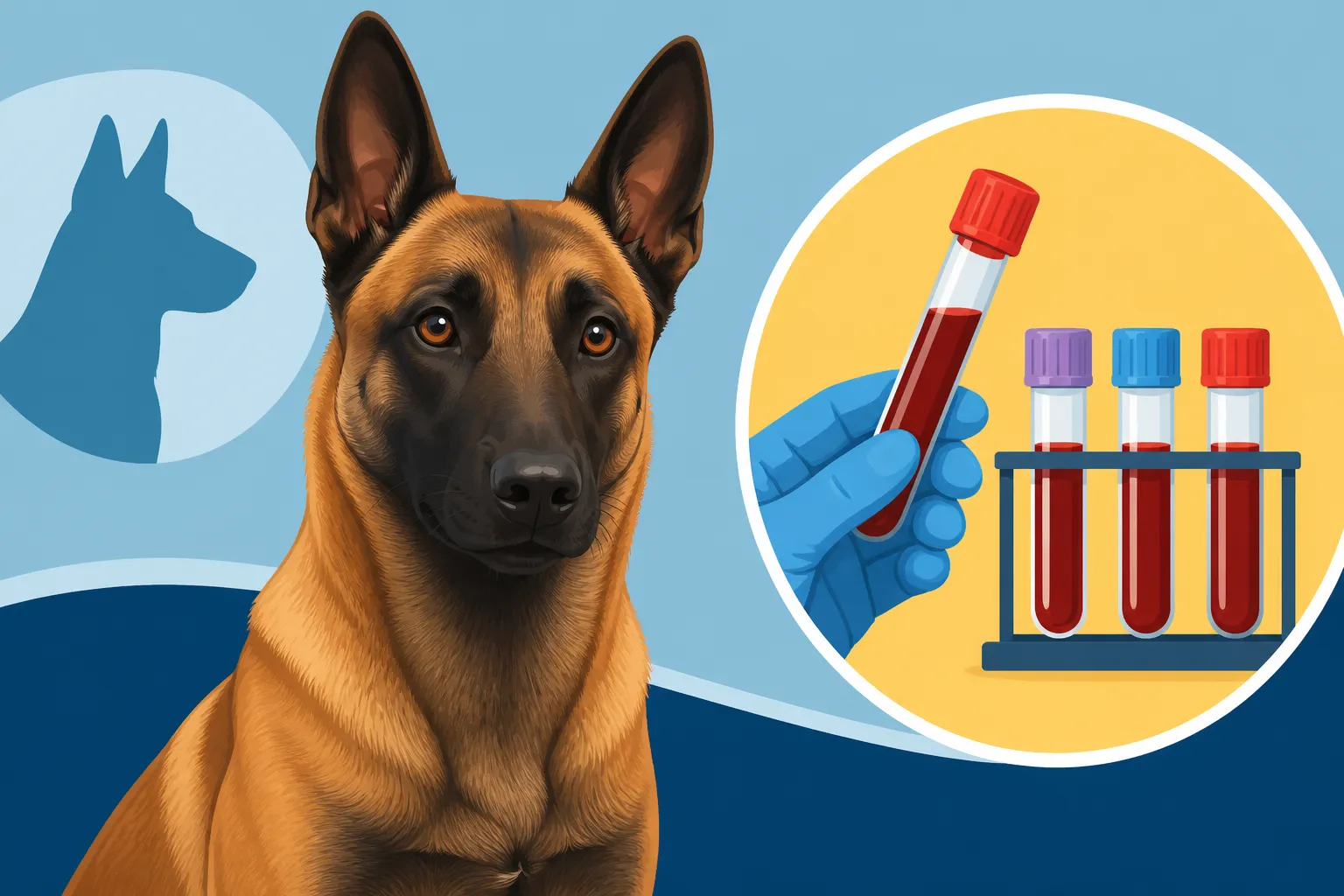
So, what exactly are they looking for in that little vial of blood? Pre-anesthetic bloodwork typically consists of a few key panels, each designed to evaluate different aspects of your Malinois's internal health. These tests are the foundation upon which your vet builds a safe anesthetic plan.
The Complete Blood Count CBC
The Complete Blood Count, or CBC, gives your vet a snapshot of your Malinois's blood cells. It's a fundamental test that tells them a lot about your dog's overall health and ability to handle stress or potential blood loss.
- Red Blood Cells (RBCs): These are the oxygen carriers. A low red blood cell count (anemia) could mean your dog isn't getting enough oxygen to their tissues, which can be dangerous during anesthesia, especially if there's any blood loss during surgery. On the flip side, a high RBC count might indicate dehydration, which also needs to be addressed before anesthesia.
- White Blood Cells (WBCs): These are the body's immune soldiers. Elevated WBCs can point to an infection or inflammation somewhere in the body. Putting an infected dog under anesthesia can complicate recovery and potentially worsen the infection, so it's best to address any infections beforehand. Conversely, very low WBCs might suggest a compromised immune system, making your Mal more vulnerable.
- Platelets: These tiny cells are crucial for blood clotting. If your Malinois has a low platelet count, they could be at a higher risk of excessive bleeding during surgery. This is a particularly important factor if a procedure involves any incision or potential for hemorrhage. Sometimes, specific situations might warrant additional checks for bleeding disorders, though Whether a Belgian Malinois Gets Von Willebrand Disease is not typically a common concern for this breed, it's a good example of why clotting can be vital.
The Blood Chemistry Panel
This panel delves deeper into organ function, giving crucial information about your Malinois's metabolic processes. These values are incredibly important because they dictate how well your dog will process and eliminate anesthetic drugs.
- Kidney Values (BUN & Creatinine): The kidneys are vital for filtering waste products from the blood and excreting them through urine. Elevated BUN (Blood Urea Nitrogen) and Creatinine levels signal that the kidneys might not be doing their job effectively. Since many anesthetic drugs are excreted by the kidneys, compromised function can lead to drugs building up in the system, causing prolonged sedation or toxicity. Sometimes, supplementary tests, like a urinalysis, might also be run for a complete picture, as poor kidney function could relate to A Malinois Whose Thyroid Has Given Out, indirectly affecting kidney health.
- Liver Values (ALT & ALP): The liver is the body's primary detoxification organ, metabolizing drugs and producing important proteins. High levels of liver enzymes like ALT (Alanine Aminotransferase) and ALP (Alkaline Phosphatase) can indicate liver damage or dysfunction. Anesthetic drugs are heavily metabolized by the liver, so impaired liver function can mean slower drug clearance, extended recovery times, and an increased risk of complications.
- Glucose (Blood Sugar): This measures the amount of sugar in your Malinois's blood. Hypoglycemia (low blood sugar) can cause weakness, tremors, and even seizures, especially when a dog hasn't eaten before anesthesia. Hyperglycemia (high blood sugar) might indicate diabetes or stress. Maintaining stable blood sugar is critical for overall stability during and after a procedure. Knowing What Triggers a Belgian Malinois Seizure highlights why managing blood sugar can be crucial for dogs prone to such episodes.
- Electrolytes (Sodium, Potassium, Chloride): These minerals are essential for nerve and muscle function, hydration, and maintaining the body's fluid balance. Imbalances can affect heart rhythm, blood pressure, and overall stability under anesthesia.
Here's a quick reference table for what these common tests check for:
| Blood Test Type | What It Checks For | Why It Matters for Anesthesia |
|---|---|---|
| Complete Blood Count (CBC) | ||
| Red Blood Cells (RBCs) | Anemia, oxygen-carrying capacity, hydration status | Low levels (anemia) reduce oxygen delivery; high levels indicate dehydration. |
| White Blood Cells (WBCs) | Infection, inflammation, immune response | High levels suggest active infection, which can complicate anesthesia. |
| Platelets | Blood clotting ability | Low levels increase risk of excessive bleeding during and after surgery. |
| Chemistry Panel | ||
| BUN & Creatinine | Kidney function | Kidneys excrete anesthetic drugs; impaired function leads to drug buildup. |
| ALT & ALP | Liver function | Liver metabolizes drugs; impaired function slows drug clearance and recovery. |
| Glucose | Blood sugar levels | Low blood sugar causes weakness/seizures; high indicates stress/diabetes. |
| Electrolytes | Fluid balance, nerve/muscle function | Imbalances affect heart, blood pressure, and overall stability. |
Interpreting the Results and Making Informed Decisions
Once the bloodwork is back, your vet will review it carefully. This is where their expertise truly shines, as they synthesize all the data to form a complete picture of your Malinois's health. It’s not just about looking for values outside the normal range; it’s about understanding what those deviations mean in the context of your dog's breed, age, and the procedure at hand.
Understanding Abnormalities
A slight elevation or decrease in one value might be insignificant, or it could be a red flag. For instance, a very mild elevation in liver enzymes might simply be due to stress from the vet visit, while a significantly elevated level could indicate a more serious underlying issue that needs further investigation or modification of the anesthesia plan. If your Malinois is older, or if the procedure is for something like a suspicious Lumps Worth Aspirating on a Belgian Malinois, the vet will be even more diligent in assessing all parameters.
- Elevated Kidney or Liver Values: If these are significantly high, your vet might recommend delaying the procedure to run more extensive diagnostics, such as an ultrasound or specific function tests. In less severe cases, they might simply adjust the anesthetic drugs and provide additional IV fluids during the procedure to support organ function.
- Anemia or Low Platelets: These findings could lead to a delay in the procedure. If severe, your vet might suggest a blood transfusion beforehand or have blood products on standby, especially if the surgery carries a risk of significant blood loss. Conditions like The Bleeding Tumor That Kills an Older Malinois would necessitate extreme caution and thorough pre-surgical bloodwork.
- Signs of Infection: If the CBC indicates an active infection, your vet will almost certainly postpone the elective procedure and prescribe antibiotics. It's much safer to get the infection under control before introducing the stress of anesthesia.
When a Delay is the Smartest Choice
Sometimes, the best decision for your Malinois is to delay or even cancel an elective procedure based on bloodwork findings. It can be frustrating, especially if you've already mentally prepared for the procedure, but it's always done with your dog's best interest at heart. Think of it as your vet prioritizing long-term health over immediate convenience. This comprehensive approach to monitoring your Mal's health should extend to routine screenings, as covered in The Bloodwork a Working Malinois Should Have Annually.
The Cost and Value of Pre-Anesthetic Bloodwork
Let's address the elephant in the room: cost. We all want the best for our dogs, but vet bills can quickly add up, and pre-anesthetic bloodwork is an additional expense on top of the procedure itself. However, it's crucial to view this not as an unnecessary cost, but as an indispensable investment in your Malinois's safety and well-being.
An Investment in Peace of Mind
The truth is, the cost of thorough pre-anesthetic bloodwork is usually a fraction of what it would cost to treat a serious anesthetic complication. Imagine the emotional and financial strain if your Malinois developed kidney failure, liver toxicity, or a severe bleeding episode during or after a procedure, all due to an undetected issue. The bills for emergency care, extended hospitalization, and specialized treatments can easily skyrocket into the thousands, far outweighing the initial cost of bloodwork. It's a proactive measure that buys you immense peace of mind. Knowing that you've done everything possible to ensure your Mal's safety under anesthesia is truly priceless. This is also where pet insurance can be a huge help. Many owners find policies from providers like Healthy Paws invaluable for managing unexpected veterinary costs, including diagnostic tests and emergency care. Understanding What Pet Insurance Runs on a Working Malinois can help you budget for these essential safeguards.
Considering Pet Insurance for Comprehensive Coverage
For many Malinois owners, especially those with working dogs involved in sports or protection work, the potential for injuries and health issues is a constant concern. Pet insurance can be a game-changer. Companies like Healthy Paws offer various plans that can cover a significant portion of diagnostic tests, treatments, and even emergency care. While routine pre-anesthetic bloodwork for an elective procedure might fall under a wellness rider or be covered if related to an illness, having comprehensive accident and illness coverage can certainly alleviate the financial burden if an unexpected issue is discovered via the bloodwork, or if a complication arises. This makes the decision to opt for thorough testing much easier, knowing that you have a safety net.
The Larger Picture of Veterinary Care
Pre-anesthetic bloodwork is just one piece of the puzzle when it comes to responsible Malinois ownership. From routine What a Belgian Malinois Puppy's Vaccine Series Costs to specialized care for injuries, these dogs require dedicated medical attention throughout their lives. By understanding the value of each diagnostic tool, you empower yourself to make the best decisions for your fiercely loyal companion. Ultimately, this bloodwork is about setting your Malinois up for the safest possible outcome, ensuring they continue to live their active, driven lives for many years to come.
Disclaimer
The information provided in this article is for educational purposes only and is not a substitute for professional veterinary advice. Always consult with a qualified veterinarian regarding any medical concerns or before making any decisions about your pet's health.