Hypothyroidism and a Malinois That Loses Drive
It’s a truly unsettling experience when your Belgian Malinois, a dog known for its relentless drive and seemingly endless energy, suddenly starts to lose that spark. You see them slowing down, maybe a bit less interested in that ball or the training session they used to live for, and your mind immediately races through a million possibilities. Is it pain? Are they just getting old? It’s frustrating because these dogs are built to go, and when they don't, it feels like something is fundamentally wrong. This guide aims to shed light on hypothyroidism, a common but often subtle condition that can manifest as a perplexing loss of drive in your otherwise indomitable Malinois.
Understanding Hypothyroidism and Its Impact on a Malinois
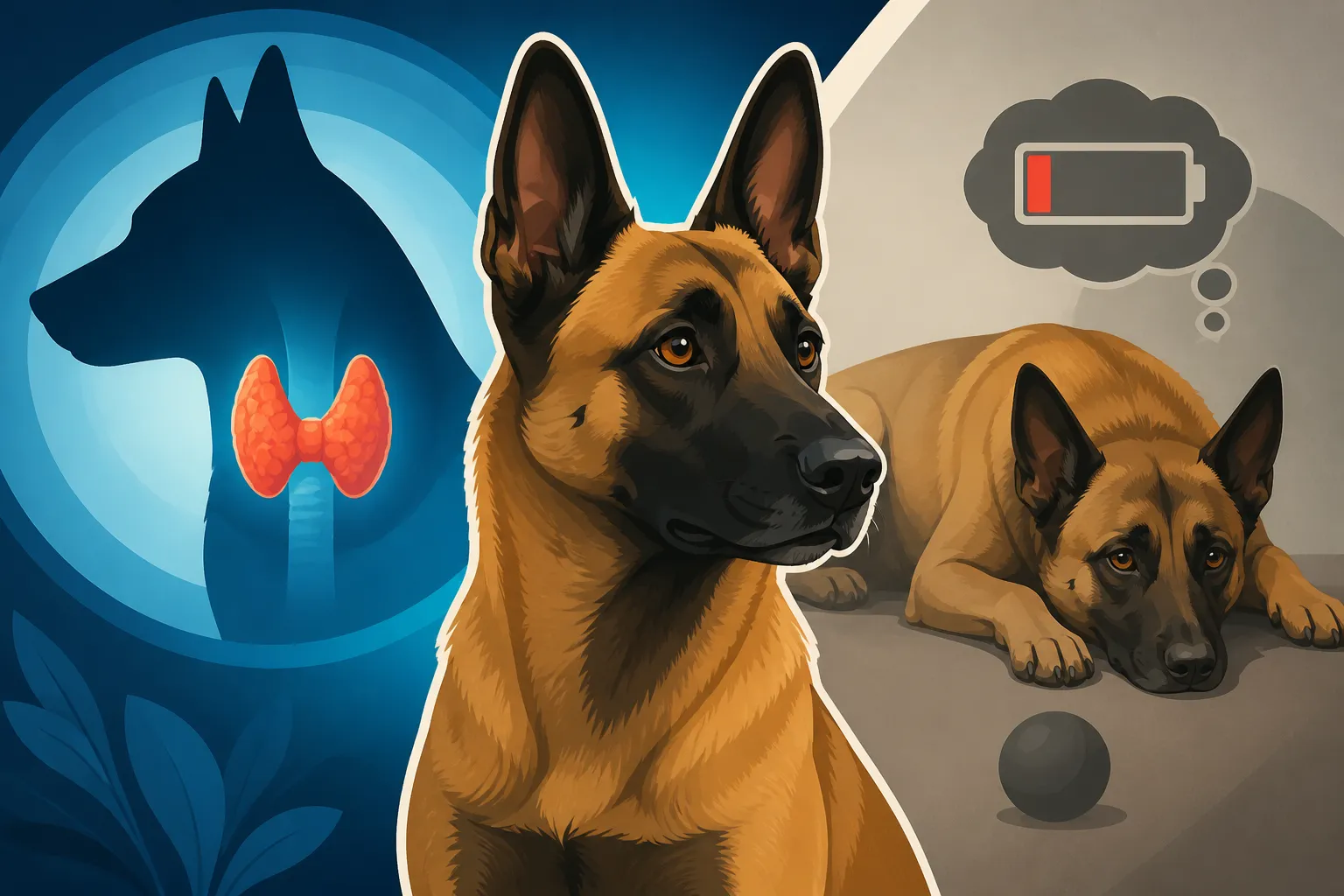
Hypothyroidism is a condition where your dog's thyroid gland doesn't produce enough thyroid hormones, primarily thyroxine (T4) and triiodothyronine (T3). These hormones are like the conductors of an orchestra, responsible for regulating nearly every metabolic process in the body. When their levels drop, the entire system can go out of whack, affecting everything from energy levels and weight to skin, coat, and even cognitive function. For a Belgian Malinois, a breed defined by its intense metabolism and powerful drive, this hormonal imbalance can have a particularly pronounced and often confusing effect.
The Thyroid's Crucial Role in a Malinois's Engine
Think of your Malinois as a high-performance sports car. The thyroid hormones are the finely tuned engine management system that ensures everything runs at peak efficiency. They control how quickly calories are burned, how proteins are synthesized, how quickly cells regenerate, and how effectively the brain processes information. In a Malinois, whose life often revolves around demanding physical and mental tasks—whether it's high-level protection sport, detection work, or simply being an incredibly active family companion—an optimally functioning thyroid is paramount. Without sufficient thyroid hormones, that finely tuned engine starts to sputter, leading to a cascade of subtle, yet debilitating, issues.
Beyond just physical stamina, these hormones directly influence neurological function. A Malinois relies heavily on its sharp intellect and quick decision-making, especially in working scenarios. A subtle decline in T3 and T4 can impact their focus, their ability to learn new commands, or even their recall in high-distraction environments. What might appear as a sudden stubbornness or disinterest could, in reality, be a physiological slowdown in their brain's processing speed. This is why diagnosing hypothyroidism in such a driven breed requires a keen eye and an understanding of their normal baseline.
Why Malinois Can Be Susceptible to Low Thyroid
While any dog can develop hypothyroidism, certain breeds, including the Belgian Malinois, appear to have a higher predisposition. The most common form in dogs, primary hypothyroidism, is usually caused by autoimmune thyroiditis, where the dog's own immune system mistakenly attacks and destroys the thyroid gland. This is a gradual process, often taking years before clinical signs become apparent. Other, less common causes can include iodine deficiency (rare in commercial diets), congenital defects, or certain medications.
For a breed like the Malinois, with its robust genetic lines and emphasis on performance, the idea of a genetic predisposition to an autoimmune disorder can be a tough pill to swallow. However, understanding this tendency helps owners and veterinarians be more vigilant. If you have a Malinois with a family history of autoimmune diseases or just a general decline in their legendary drive, it’s worth considering thyroid testing sooner rather than later. Proactive monitoring, as part of The Checkup Schedule a Sport Malinois Should Keep, can catch these issues before they significantly impact your dog's quality of life or their working capabilities.
Recognizing the Subtle Signs of Low Thyroid in a High-Drive Malinois
Identifying hypothyroidism in a Malinois can be particularly challenging because many of the classic symptoms—like lethargy or weight gain—can be easily dismissed or masked by the breed's inherently high energy and lean physique. These dogs are so high-octane that a slight dip in their usual intensity might still leave them more energetic than an average dog of another breed. It requires a deep understanding of your individual dog and a willingness to look beyond the obvious.
The Energy Dip That Isn't Just Age
One of the most frustrating aspects for Malinois owners is when their dog's boundless energy starts to wane. You might notice they're not as eager to jump into the car for training, or their sessions are shorter, with less intensity. They might seem to tire faster during a run or struggle to maintain focus during complex tasks, leading you to wonder if a Malinois that stops answering the whistle has a training issue or something more. It's easy to attribute these changes to "just getting older," especially once your Malinois hits an age where you might expect some natural slowdown. However, an abrupt or significant decrease in their typical drive and stamina, particularly before they reach a true senior age, should raise a red flag.
A Malinois that used to bounce off the walls might now merely walk around, or settle more quickly than before. They might still be active, but the quality of their activity changes. They might be less explosive, less sustained, or simply less engaged in the pursuit of their preferred game or work. It’s not just about a lack of physical energy; it's often a diminished mental drive, a subtle dulling of that sharp, alert responsiveness you've always known and loved. It can be hard to differentiate this from a natural progression, but when you consider The Age a Working Malinois Starts to Slow, you might find your dog is declining faster than typical expectations.
Physical and Behavioral Clues to Watch For
While a drop in drive is a primary concern, hypothyroidism often brings other, more generalized symptoms that, when pieced together, can paint a clearer picture.
- Weight Gain or Difficulty Losing Weight: Even in lean Malinois, you might notice a subtle softening around the middle, or that they’re not as hard-conditioned as they used to be, despite consistent exercise and The Daily Ration a Working Belgian Malinois Eats.
- Coat Changes: A classic sign is a dull, dry, brittle coat, sometimes accompanied by excessive shedding or hair loss, particularly on the flanks, tail ("rat tail"), or the bridge of the nose. Your Malinois might also develop a "puppy coat" or fail to grow back hair after clipping.
- Skin Issues: Recurrent skin infections, scaling, or hyperpigmentation (darkening of the skin) can be indicators. Your dog might seem itchier without a clear cause.
- Cold Intolerance: Hypothyroid dogs often feel the cold more acutely. They might seek out warm spots, shiver more, or be reluctant to go out in cooler weather.
- Behavioral Shifts: Beyond the loss of drive, some Malinois might exhibit behavioral changes such as increased anxiety, irritability, or even aggression due to feeling unwell or "off." Others might become withdrawn or appear depressed. Some might pace more at night, similar to An Old Malinois That Paces the House at Night but at a younger age.
- Lethargy and Weakness: While hard to spot in a Malinois, you might notice more napping, reluctance to exercise, or a general lack of enthusiasm for everyday activities. Their muscle tone might decrease, and they may appear weaker.
It’s crucial to document these signs, even if they seem minor. Because Malinois are such intense dogs, they often "power through" discomfort or illness for longer than other breeds. What might be a glaring symptom in a laid-back Golden Retriever could be a barely perceptible change in your Malinois, so pay close attention to any deviation from their normal, high-octane self.
Getting a Diagnosis and Understanding the Tests for Hypothyroidism
If you've noticed your Malinois displaying any of the subtle signs of hypothyroidism, particularly a baffling loss of drive, the next step is a visit to your veterinarian. It’s important to communicate all your observations, no matter how minor they seem, as they collectively form a crucial part of the diagnostic puzzle.
When to Suspect Low Thyroid and Talk to Your Vet
Don't wait until your Malinois is clearly ill. If you observe persistent changes in their energy levels, stamina, coat quality, or behavior—especially if they don't respond to usual interventions like rest or dietary adjustments—it’s time to consult your vet. Be explicit about how these changes impact your Malinois’s typical activities. For instance, rather than just saying "he's tired," explain that "he used to do three full retrieve drills without flagging, but now he's quitting after one and a half" or "his interest in the bite sleeve has dropped significantly." Your detailed observations are invaluable, especially since many early signs can mimic other conditions or simply be dismissed as normal Signs a Belgian Malinois Is Slowing Down.
When you talk to your vet, ensure they understand the breed's typical temperament and activity level. What is considered "normal energy" for a Labrador might be considered lethargic for a Malinois. Request a full thyroid panel, as standard annual bloodwork might only include a basic T4 test, which isn't always sufficient for a definitive diagnosis. It's an important part of The Bloodwork a Working Malinois Should Have Annually for active dogs.
Understanding the Thyroid Panel
Diagnosing hypothyroidism typically involves a comprehensive blood test known as a thyroid panel. This isn't just a single number; it's a battery of tests that provide a holistic view of your dog's thyroid function.
Here's a breakdown of what your vet will likely check:
- Total T4 (TT4): This measures the total amount of thyroxine (T4) in the blood, both free (active) and bound to proteins. A low TT4 is often the first indicator, but it can be affected by other illnesses (e.g., "euthyroid sick syndrome") or certain medications like steroids or NSAIDs.
- Free T4 (fT4): This measures only the unbound, biologically active form of T4. It's generally considered more reliable than TT4 because it's less influenced by non-thyroidal factors. A low fT4, especially when combined with a low TT4, strongly suggests hypothyroidism.
- Thyroid-Stimulating Hormone (TSH): TSH is produced by the pituitary gland to stimulate the thyroid to produce more hormones. In a hypothyroid dog, the pituitary tries to compensate for the low thyroid hormone levels by pumping out more TSH, so a high TSH level is a key indicator.
- Thyroglobulin Autoantibodies (TgAA): This test detects the presence of antibodies that attack the thyroid gland. A positive result indicates autoimmune thyroiditis, the most common cause of primary hypothyroidism in dogs. It confirms the underlying autoimmune process.
A thorough diagnosis relies on evaluating all these components together, along with your dog’s clinical signs. Sometimes, a "therapeutic trial" of thyroid medication may be initiated if the bloodwork is equivocal but clinical suspicion remains high, especially in a working Malinois where performance changes are so critical. It’s a process, but a definitive diagnosis is the first step toward getting your Malinois back to their best self.
Managing Hypothyroidism: Treatment and Lifestyle Adjustments
Once a definitive diagnosis of hypothyroidism is made, the good news is that it's a very manageable condition. Treatment involves lifelong medication, but with consistent care, your Malinois can often regain their lost drive and return to their normal, high-energy self.
Lifelong Medication and Monitoring
The cornerstone of hypothyroidism treatment is daily oral administration of synthetic thyroid hormone, typically levothyroxine (L-thyroxine). This medication effectively replaces the hormones your Malinois's body isn't producing enough of. It's not a cure, but rather a replacement therapy, which means consistency is absolutely key. You'll need to administer the medication at roughly the same time each day, ideally on an empty stomach, to ensure optimal absorption.
Your vet will start with an initial dose, and then, typically within 4-8 weeks, they will perform follow-up bloodwork to check the new thyroid levels and adjust the dosage as needed. This monitoring phase is crucial to find the "sweet spot" dose that brings your Malinois's hormone levels into the normal range without overshooting. Once a stable dose is achieved, monitoring usually shifts to every 6-12 months, or sooner if clinical signs reappear or worsen. This lifelong commitment can be an unexpected financial strain, and having pet insurance, such as through a provider like Healthy Paws, can significantly ease the burden of these ongoing medication and testing costs, ensuring your Malinois gets the consistent care they need without compromise. Just like Managing an Epileptic Belgian Malinois on Medication, consistency is paramount.
Supporting Your Malinois's Overall Health
While medication is the primary treatment, supporting your Malinois with appropriate lifestyle adjustments can enhance their recovery and overall well-being.
- Gradual Return to Activity: As your Malinois's energy levels begin to rebound, resist the urge to immediately jump back into full-throttle training. Their body needs time to rebuild muscle and stamina. Gradually reintroduce exercise, starting with shorter, less intense sessions and slowly building up. Observe their endurance and enthusiasm, letting them set the pace initially.
- Nutrition: Hypothyroidism can affect metabolism and weight. While medication helps normalize this, ensure your Malinois is on a high-quality, balanced diet appropriate for their activity level. If they gained weight due to low thyroid, work with your vet to adjust their caloric intake to facilitate healthy weight loss. Avoid overfeeding, even if their appetite increases.
- Mental Engagement: Even if their physical drive is temporarily diminished, their keen Malinois mind still needs stimulation. Continue with puzzle toys, scent work, and shorter, focused obedience sessions. This helps keep them engaged and prevents boredom-related behaviors while their body recovers. Keeping an Old Belgian Malinois Mentally Busy isn't just for seniors; it applies to any Malinois needing to conserve physical energy.
- Environmental Comfort: Hypothyroid dogs can be sensitive to cold. Ensure they have a warm, comfortable place to rest, especially during cooler months. A cozy bed indoors can make a big difference.
With proper diagnosis and consistent management, it’s entirely possible for your Malinois to regain their incredible drive and return to their former glory. Regular vet check-ups, like those involved in The Checkup Schedule a Sport Malinois Should Keep, are essential to monitor their progress and ensure their thyroid levels remain optimized.
| Symptom Category | Typical Hypothyroidism Presentation | How it Appears in a High-Drive Belgian Malinois (Often Subtle) |
|---|---|---|
| Energy/Drive | Obvious lethargy, unwillingness to exercise, sluggishness | Reduced enthusiasm for training/play, quicker to tire, less sustained focus, "off" during work |
| Weight | Unexplained weight gain, obesity | Subtle softening of physique, harder to maintain lean muscle, minor weight gain not explained by diet |
| Coat & Skin | Dull, dry coat, excessive shedding, "rat tail," recurrent skin infections | Slightly duller coat, some flank/tail hair thinning, minor dry patches, increased shedding you notice more |
| Behavioral | Depression, dullness, sometimes aggression/anxiety | Decreased engagement, irritability during work, minor anxiety, less tolerant of routine changes |
| Cold Tolerance | Seeks warm spots, shivers, aversion to cold weather | More likely to choose a warm spot, slower to warm up during cold weather training |
Disclaimer
The information provided in this article is for educational and informational purposes only and does not constitute veterinary advice. Always consult with a qualified veterinarian for any health concerns or before making any decisions about your pet's health or treatment.