Rhabdomyolysis in an Overworked Belgian Malinois
It's a familiar sight for anyone who lives with or works a Belgian Malinois: that relentless drive, that boundless energy, that absolute willingness to push their body to the limit and beyond. But sometimes, that incredible intensity can lead to a serious medical condition called rhabdomyolysis, where their muscles literally start to break down from overexertion. This guide will delve deep into understanding this dangerous condition, how to spot its signs, prevent it, and manage it if it strikes your incredible, but sometimes too-driven, Malinois.
Understanding Rhabdomyolysis in High-Drive Dogs
Anyone who has spent more than five minutes with a Belgian Malinois knows they operate at a different intensity level. They are finely tuned athletes, capable of incredible feats of speed, agility, and endurance. But this very trait, their unyielding drive, can inadvertently lead them into serious trouble, specifically a condition known as rhabdomyolysis. It's a scary term, and it represents a very real threat to these dogs who simply don't know when to quit.
What is Rhabdomyolysis?
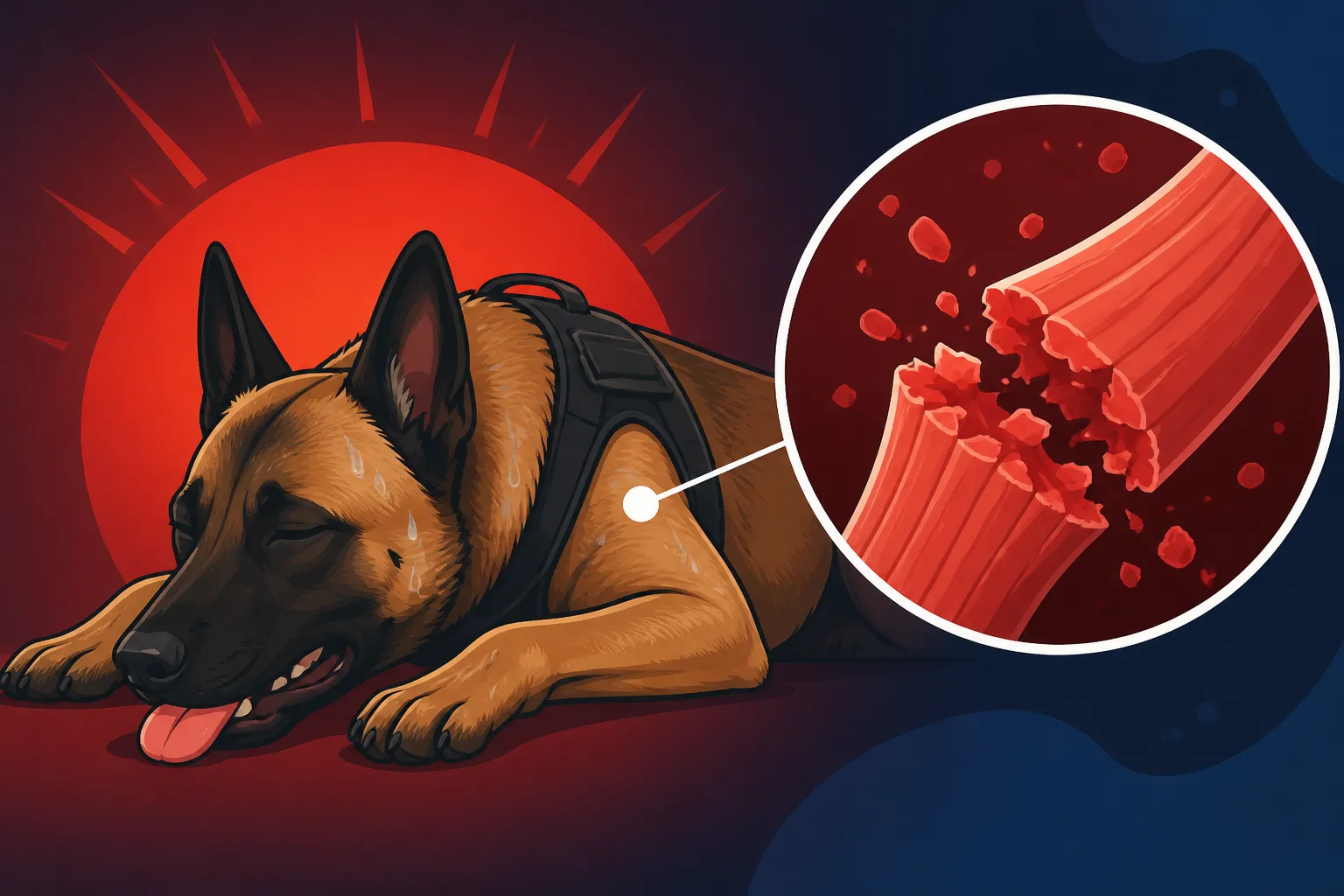
At its core, rhabdomyolysis is the rapid breakdown of skeletal muscle tissue. Imagine your dog's muscles as tiny engines, working hard to power their incredible movements. When these engines are pushed too hard, for too long, without adequate recovery or fuel, they can essentially overheat and start to damage themselves. This muscle damage releases a protein called myoglobin, along with other cellular contents, into the bloodstream. While myoglobin is normally found within muscle cells, it becomes toxic to the kidneys when it floods the bloodstream in high concentrations.
This isn't just a simple pulled muscle or a minor cramp; this is a systemic issue where the internal machinery of the muscle cells is compromised. The process can begin subtly, perhaps during an extra-long training session or a particularly intense trial where your Malinois simply refuses to slow down. The cumulative effect of sustained, intense muscle contraction without sufficient rest or hydration causes the muscle fibers to essentially disintegrate. This can quickly escalate from a performance issue to a life-threatening medical emergency if not recognized and treated promptly.
Why Belgian Malinois Are Particularly Susceptible
It might seem counterintuitive that a breed so renowned for its athleticism could be prone to such a condition, but it's precisely their unmatched drive and endurance that puts Belgian Malinois at risk. These dogs are hardwired to work. They thrive on challenging tasks and will often push past the point of physical exhaustion, overriding their body's natural signals to rest. Where another dog might slow down or quit, a Malinois will frequently dig deeper, fueled by their desire to complete the task or please their handler. This makes them exceptional working dogs, but also incredibly vulnerable.
Think about a Malinois during a demanding KNPV trial or an IGP competition; they are running, biting, jumping, and focusing with incredible intensity. They don't have an "off switch" built in the same way many other breeds do. This unyielding nature, combined with their lean, muscular build, means their bodies are constantly under high metabolic demand. If training isn't carefully managed, if environmental factors like heat and humidity aren't considered, or if their hydration and nutrition aren't meticulously maintained, their bodies can simply give out, even if their minds still want to go. This isn't a sign of weakness; it's a testament to their incredible spirit, but one that can have grave consequences.
The Dangers of Overexertion
The release of myoglobin into the bloodstream is the primary concern when it comes to rhabdomyolysis, as it can lead directly to acute kidney failure. The kidneys are designed to filter waste products from the blood, but they struggle to process large quantities of myoglobin. This can cause the delicate filtering tubules in the kidneys to become clogged and damaged, leading to a rapid decline in kidney function. If the kidneys shut down, the body quickly becomes overwhelmed with toxins, which can be fatal.
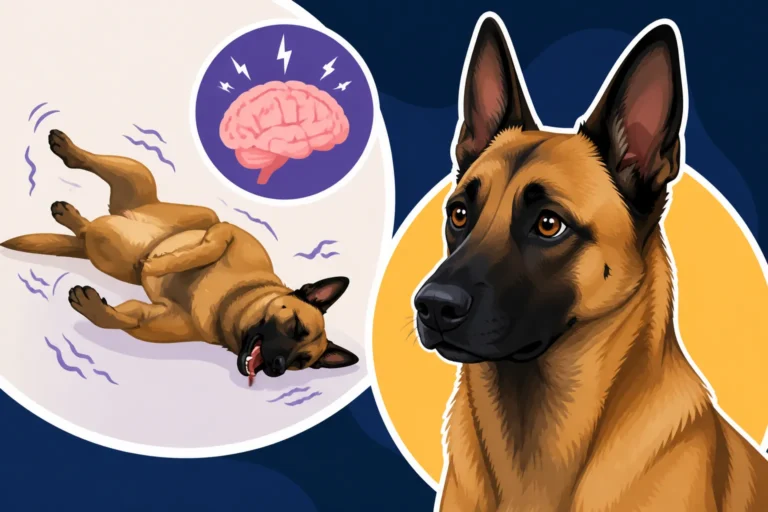
Beyond kidney damage, overexertion leading to rhabdomyolysis can trigger a cascade of other serious health issues. Electrolyte imbalances, particularly potassium, can lead to dangerous cardiac arrhythmias and heart muscle weakness. The extensive muscle damage itself can be incredibly painful, leading to severe discomfort and further stress on the dog's system. There's also the risk of compartment syndrome, where swelling muscles become so large within their fascial compartments that they cut off their own blood supply, causing further tissue death. This isn't a condition to take lightly; the stakes are incredibly high for a dog pushed into this state. For this reason, understanding What Actually Ends a Belgian Malinois's Life often includes such critical organ failures.
Recognizing the Signs and Symptoms
Spotting rhabdomyolysis isn't always obvious at first, especially with a dog like a Malinois who might try to mask discomfort or continue working despite pain. It requires a keen eye and a deep understanding of your dog's normal behavior and physical capabilities. Missing the early signs can have devastating consequences, so paying close attention during and after intense exercise is paramount.
Early Warning Signs During or After Exercise
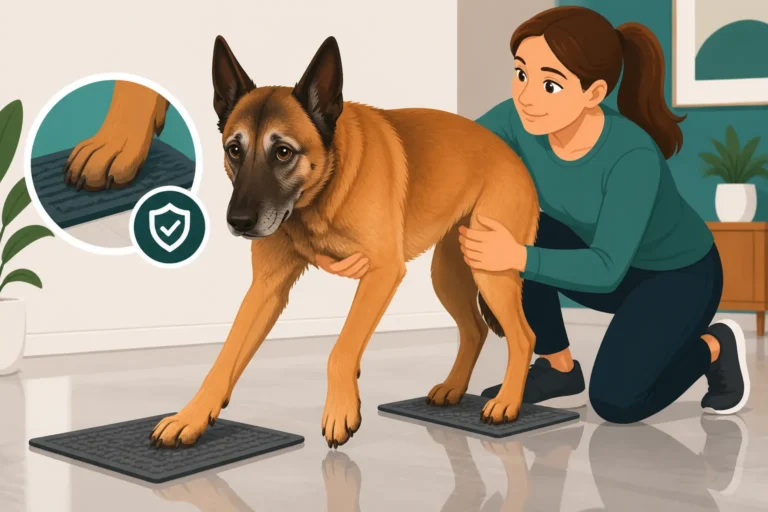
The insidious nature of rhabdomyolysis means the initial signs can be subtle, easily mistaken for simple fatigue or a minor strain. You might notice your Malinois, usually so eager and relentless, starting to slow down slightly during a session. Perhaps their stride isn't quite as fluid, or they show a subtle stiffness. They might become reluctant to move, lie down more frequently than usual, or even appear a bit wobbly when standing up. These are critical indicators that something is amiss.
A key sign to watch for is a change in urine color. If it appears darker than normal, anywhere from a deep yellow to a reddish-brown or even coffee-colored, it's a huge red flag. This dark coloration is due to the presence of myoglobin being filtered by the kidneys. This symptom, often appearing a few hours after the intense activity, is a strong indicator of muscle breakdown. Another less obvious sign can be muscle pain on palpation; if you gently feel their large muscle groups, especially in the hindquarters or along the back, they might be unusually firm, painful to the touch, or even swollen. Don't dismiss these changes as just normal post-workout soreness. Your Malinois is telling you something important.
Advanced Symptoms and Emergency Situations
If the early signs are missed, or the condition progresses rapidly, your Malinois can quickly enter an emergency state. At this point, the symptoms become far more severe and unmistakable. You might observe a sudden collapse, where your dog can no longer stand or move. They could exhibit severe dehydration, with dry, tacky gums and sunken eyes, even if they've been drinking. Rapid, shallow breathing is another alarming sign, indicating systemic distress and potential metabolic acidosis.
Muscle swelling, particularly in the large muscle groups of the hind limbs, can become pronounced and rock-hard. This is incredibly painful and can further impede blood flow. In severe cases, dogs can also show signs of kidney pain, such as an arched back or reluctance to be touched along their flank. At this stage, immediate veterinary intervention is not just recommended, it's absolutely critical. Every minute counts when kidney function is at risk. If you see these signs, it's not a question of waiting; it's a race against time to get them to an emergency vet. These situations are why having pet insurance like Healthy Paws can be a lifesaver, covering unexpected and expensive emergency treatments.
Distinguishing from Other Injuries
It's easy to confuse the initial signs of rhabdomyolysis with other common issues a working Belgian Malinois might face. Is it just a pulled muscle? A sprain? Or simply extreme exhaustion? While Muscle Strains in a Belgian Malinois are common, rhabdomyolysis affects larger muscle groups and presents with systemic signs like dark urine, not just localized lameness. Unlike a sprain or a tear, which often cause immediate lameness in one limb, rhabdomyolysis typically involves widespread muscle soreness and stiffness.
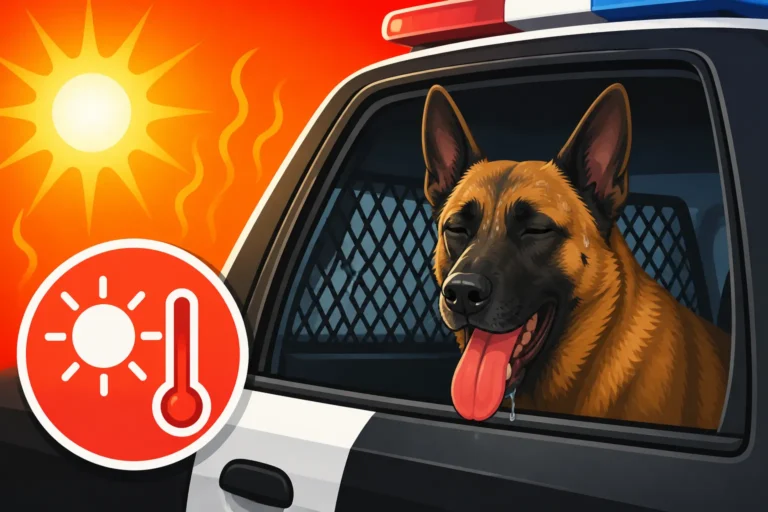
Exhaustion is another tricky one, as all dogs are tired after hard work. However, simple exhaustion usually resolves with rest and hydration, and doesn't typically involve dark urine or excruciating muscle pain upon touch. A Malinois experiencing rhabdomyolysis will often be far more distressed, less responsive, and show those systemic symptoms that go beyond just being tired. The key differentiators are the dark urine, the widespread muscle pain and stiffness, and the rapid progression of symptoms even after resting. When in doubt, always err on the side of caution and consult your veterinarian, especially if your dog has been subjected to prolonged or intense activity, or if the temperature was high, which can also lead to Heat Stroke in a Belgian Malinois in a Patrol Car.
Prevention and Management Strategies
The old adage "an ounce of prevention is worth a pound of cure" couldn't be more true when it comes to rhabdomyolysis in Belgian Malinois. Given their tendency to push past their limits, it's entirely up to us, as their handlers and caregivers, to implement strategies that protect them from themselves.
Proper Conditioning and Acclimatization
Building your Malinois's fitness gradually is absolutely non-negotiable. You wouldn't expect a human athlete to run a marathon without months of preparation, and the same applies to your high-drive dog. Start with short, low-intensity sessions and slowly, systematically increase both duration and intensity over weeks and months. This allows their muscles, cardiovascular system, and metabolic pathways to adapt and strengthen. Skipping steps or suddenly upping the workload dramatically is a recipe for disaster.
Warm-up and cool-down routines are also critical components of injury prevention, and often overlooked in these robust dogs. Before any intense activity, a 10-15 minute warm-up involving light trotting, stretching, and obedience exercises prepares the muscles for work. Equally important is a cool-down period after strenuous activity, allowing heart rate and body temperature to return to normal, and helping to flush metabolic byproducts from the muscles. This can involve a slow walk, gentle massage, and plenty of water. Environmental factors play a huge role too; avoid intense training during the hottest parts of the day or in high humidity. If you must work in warmer conditions, keep sessions short, provide frequent breaks, and ensure constant access to shade and cool water. Knowing The Temperature a Belgian Malinois Should Not Train In is vital for their safety.
Hydration and Nutritional Support
Adequate hydration is paramount for preventing rhabdomyolysis. Muscle function depends on proper fluid and electrolyte balance, and even mild dehydration can significantly increase the risk of muscle damage. Always have fresh water readily available, especially during and after training. For prolonged sessions or in warmer weather, consider adding canine-specific electrolyte supplements to their water to replenish essential minerals lost through sweat and panting. This is particularly important because Hydrating a Belgian Malinois During Training can be a challenge when they're so focused on the task at hand.
Nutrition also plays a supporting role. A high-quality diet appropriate for highly active dogs provides the necessary protein for muscle repair and carbohydrates for energy. While there isn't a "magic bullet" supplement to prevent rhabdomyolysis, ensuring a balanced diet and considering supplements like branched-chain amino acids (BCAAs) or L-carnitine, which some believe aid muscle recovery and energy metabolism, could be discussed with your vet. However, these are supportive measures, not replacements for proper conditioning and hydration. It's about providing the right fuel for a dog that is never not in drive.
Immediate Actions and Veterinary Care
If you suspect your Malinois is developing rhabdomyolysis, the absolute first step is to stop all activity immediately. Move them to a cool, shaded area. Offer small amounts of water, but don't force large quantities. Gently try to cool them down with wet towels, focusing on their armpits, groin, and neck, if heat stroke is also a concern. Then, transport them to your veterinarian as quickly and calmly as possible. This is an emergency, and prompt veterinary attention is crucial for the best outcome.
At the vet, they will likely perform a thorough physical exam and recommend diagnostic tests. Blood work will be critical to check for elevated levels of creatine kinase (CK), an enzyme released when muscle cells are damaged, and to assess kidney function (BUN, creatinine). Urinalysis will confirm the presence of myoglobin. Treatment typically involves aggressive intravenous (IV) fluid therapy to help flush the kidneys and prevent further damage. Medications for pain management, muscle relaxation, and kidney support may also be administered. The quicker this supportive care begins, the better the chances of minimizing long-term kidney damage. Remember, Emergency Care After a Malinois Training Injury can be costly, so having a good pet insurance plan like Healthy Paws can provide immense peace of mind.
Long-Term Recovery and Preventing Recurrence
Recovery from rhabdomyolysis is not a quick process. Your Malinois will need strict rest initially, followed by a very gradual, carefully monitored reintroduction to exercise. This can take weeks to months, depending on the severity of the muscle and kidney damage. Your vet will guide this process, likely recommending repeat blood work to monitor CK levels and kidney function as your dog recovers. Don't rush it; pushing them too soon can lead to a relapse or permanent damage.
To prevent recurrence, a complete overhaul of your training regimen and environmental considerations might be necessary. This includes being hyper-vigilant about proper warm-up and cool-down, ensuring constant hydration, and never pushing your dog past sensible limits, especially in adverse weather. Dietary adjustments, potentially incorporating kidney-supportive foods or supplements as recommended by your vet, may also be part of the long-term plan. For ongoing monitoring, make sure your Malinois receives The Bloodwork a Working Malinois Should Have Annually to keep an eye on kidney health and muscle enzymes. Consulting with a veterinary sports medicine specialist can also provide tailored guidance for safe return to activity and long-term well-being.
Living and Working with a Malinois Prone to Overexertion
Managing a Belgian Malinois means constantly balancing their incredible drive with their physical limitations. When rhabdomyolysis enters the picture, this balance becomes even more critical. It’s not about stopping them from working, but rather about teaching them, and yourself, smarter ways to achieve their potential safely.
Modifying Training Routines
After a rhabdomyolysis episode, or even as a preventative measure for a highly driven Malinois, modifying training routines is essential. Instead of long, sustained periods of high-intensity work, break training into shorter, more frequent sessions. Think 15-20 minutes of intense focus followed by a significant break for water and cool-down, rather than an hour-long marathon. Incorporate more varied activities to engage different muscle groups and reduce repetitive strain. Cross-training with activities like swimming (ensuring proper recovery afterwards), light tracking, or scent detection can provide excellent mental stimulation and physical conditioning without overtaxing the same muscle groups.
It's also crucial to emphasize quality over quantity. A well-executed 10-minute session with high focus and correct technique is far more beneficial than a scattered 30-minute session where your dog is simply pushing through fatigue. Always be responsive to their body language. Even if their mind says "go," if their body shows signs of stiffness, lagging, or a slightly off gait, it's time to call it a day. Remember that preventing Muscle Cramping in a Belgian Malinois After a Trial starts with intelligent training plans throughout the week.
The Importance of an "Off Switch"
One of the greatest challenges and triumphs for a Malinois owner is teaching that elusive "off switch." These dogs are always "on," and their inability to self-regulate their arousal and physical output is a major contributor to overexertion injuries. Building an "off switch" into your Malinois involves deliberate training to encourage calm, relaxation, and independent settlement. This can include "place" command training for extended periods, teaching them to settle quietly in their crate, or simply practicing periods of quiet togetherness without interaction.
It's not just about physical rest; it's about mental rest. Structured downtime is just as important as structured work. Reward calm behavior heavily. Make sure they have a comfortable, quiet space where they can genuinely relax and recuperate without constant stimulation. This fundamental training not only safeguards their physical health but also contributes to a more balanced and manageable dog in the long run.
Monitoring During Extreme Conditions
Belgian Malinois, despite their short coats, can be surprisingly resilient in various climates, but extreme conditions amplify the risk of rhabdomyolysis and other heat-related issues. When working in hot or humid weather, or even cold conditions where muscles can seize up faster, meticulous monitoring is vital. Invest in a reliable vehicle heat alarm if your dog travels in a crate in your car, and always have multiple water sources.
Consider using canine-specific cooling vests or mats during breaks, and ensure access to shade or an air-conditioned space immediately after high-intensity work. Learn to Reading Heat Stress on a Malinois Mid Session — heavy panting, bright red gums, a dazed expression, or a loss of focus are all signs to stop immediately. For critical working dogs, some handlers use rectal thermometers to monitor core body temperature, though this isn't practical for every owner. The key is proactive vigilance: plan your sessions around the weather, provide ample cooling opportunities, and never underestimate the impact of environmental stressors on your dog's athletic body.
Disclaimer
The information provided in this article is for general informational purposes only and is not intended as a substitute for professional veterinary advice. Always consult with a qualified veterinarian for any health concerns or before making any decisions related to your pet's health or treatment.