Muscle Cramping in a Belgian Malinois After a Trial
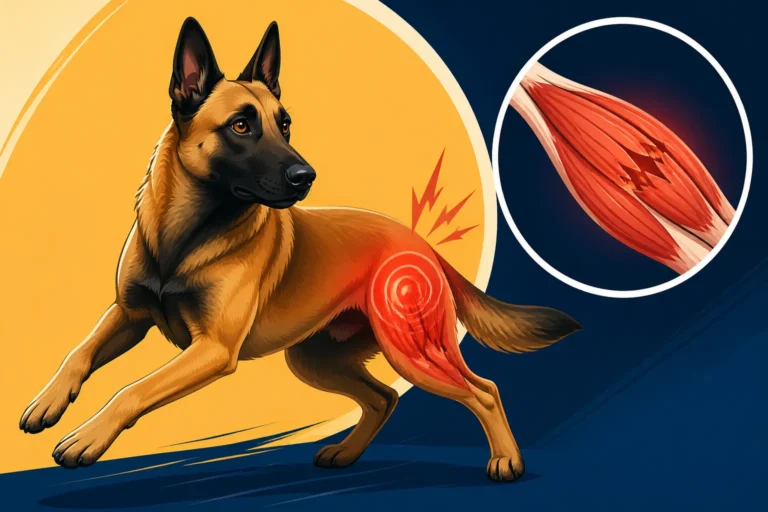
It’s a heart-stopping moment for any Belgian Malinois owner, isn't it? You’ve just finished a fantastic trial, your dog gave it their all, and then, as they’re cooling down, you see it – a muscle in their leg starts to twitch, then seize, and suddenly they’re yelping or refusing to bear weight. This excruciating experience of muscle cramping after intense work is a real concern, and it leaves us scrambling for answers. This guide is dedicated to dissecting why these cramps happen in our high-drive Malinois, how to prevent them with smart strategies, and what you can do when they inevitably strike.
Understanding Muscle Cramping in the High-Drive Malinois
Our Belgian Malinois are incredible athletes, built for speed, power, and relentless drive. They push their bodies to the absolute limit, especially during demanding tasks like bite work, agility, or detection trials. This incredible intensity, while admirable, also makes them particularly susceptible to physiological stressors, and muscle cramping is a stark reminder of just how much they invest physically.
What Causes Post-Trial Cramping
When your Malinois throws every ounce of their being into a trial, their muscles are working overtime, undergoing a complex dance of contraction and relaxation. When this delicate balance is thrown off, cramps can set in, often with startling speed and intensity. It's not usually one single factor but a combination of elements that creates the perfect storm for a painful muscle spasm.
First and foremost, dehydration and electrolyte imbalance are huge culprits. Imagine running a marathon without enough water or replenishing your salts. Your Malinois is doing a similar feat. During intense exercise, they sweat (though differently from humans, primarily through their paws and panting), losing vital fluids and electrolytes like sodium, potassium, and magnesium. These minerals are crucial for proper nerve and muscle function. If their levels drop too low, muscles can't properly contract and relax, leading to involuntary, sustained contractions – a cramp. Our Mals are often so focused on the job that they might ignore thirst cues, making this even more precarious.
Then there's the sheer exhaustion and potential overtraining that can precede or immediately follow a trial. A Malinois will run itself into the ground for you, pushing past fatigue. When muscles are pushed beyond their conditioning, microscopic tears occur, and metabolic byproducts build up. This state of extreme fatigue, coupled with insufficient recovery, primes the muscles for cramping. You might have seen your dog "hit a wall" and keep going; that's their phenomenal will, but their body still has its limits.
Furthermore, a lack of a proper warm-up and cool-down routine can exacerbate the risk. Jumping straight into high-intensity work without preparing the muscles, or abruptly stopping without a gradual cool-down, can leave muscles stiff, unyielding, and prone to spasms. A dynamic warm-up increases blood flow and muscle elasticity, while a cool-down helps flush out waste products and gradually brings the body back to a resting state. Skipping these critical phases is like asking a cold rubber band to perform acrobatics – it’s just asking for trouble.
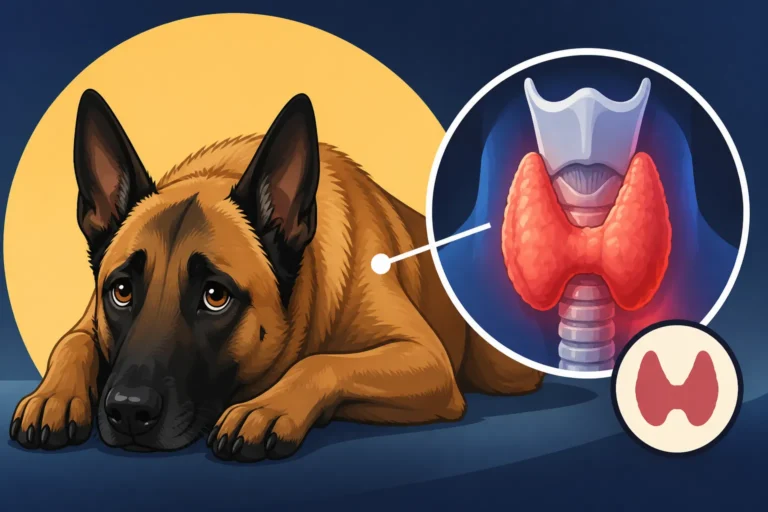
Finally, while less common, underlying nutritional deficiencies or metabolic issues can play a role. If your Malinois isn't receiving a balanced diet tailored to their activity level, or if they have an undiagnosed condition like A Malinois Whose Thyroid Has Given Out, their body might not be able to support the demands of intense work, making them more susceptible to cramping. While these aren't the primary cause for most healthy, working Mals, it's always something to keep in the back of your mind if cramping becomes a persistent and baffling problem.
Recognizing the Signs of a Cramp
Spotting a cramp quickly is important for managing it effectively and easing your Malinois’s discomfort. They can’t tell us in words that their hamstring is seizing up, so we have to be keen observers of their body language and physical cues. The signs can range from subtle to overtly painful, depending on the severity and location of the cramp.
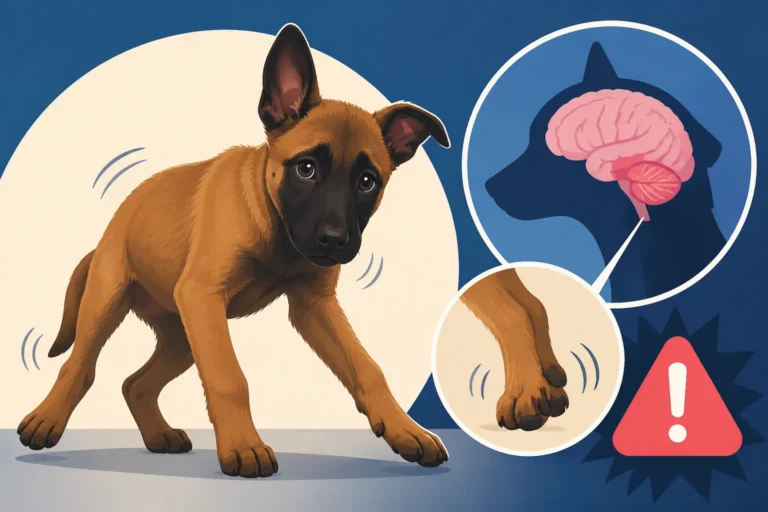
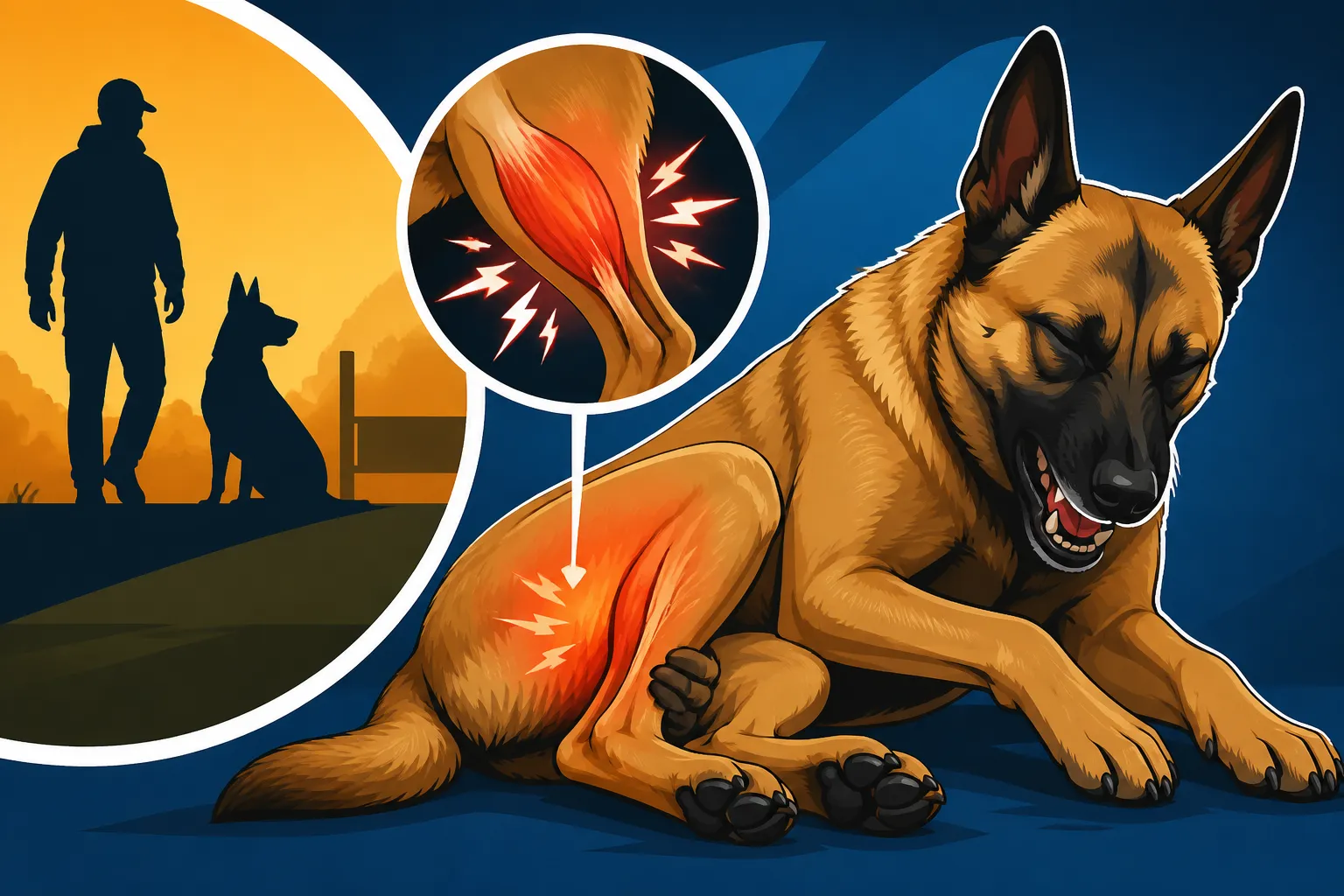
Often, the first thing you might notice is visible muscle spasms or twitching. You’ll see a specific muscle group, perhaps in the hindquarters or a front leg, quivering uncontrollably beneath their short, taut coat. This can quickly progress to rigidity in the affected muscle, feeling hard and unyielding to the touch. It’s distinctly different from normal muscle tone after exercise; it feels like a knot that won’t release.
Naturally, pain and discomfort are primary indicators. Your Malinois might vocalize, letting out a sharp yelp or a low whine when the cramp hits or when you try to touch the area. They might limp, lift the affected leg, or become suddenly reluctant to move or put weight on that limb. If they were just engaged in a high-energy activity and suddenly stop and present with these signs, a cramp should be high on your list of suspicions.
The cramp can also manifest as general stiffness or reduced mobility. After a trial, they might struggle to stand up from a down position, or they might walk with a peculiar, shortened stride. This isn't just general post-exercise soreness; it's a pronounced, localized restriction of movement directly attributable to the seizing muscle. Always pay close attention to how they move immediately after strenuous activity. Observing these signs early allows for quicker intervention and helps prevent the cramp from becoming more severe or leading to secondary injuries.
Proactive Strategies to Prevent Muscle Cramping
Preventing muscle cramps in your Belgian Malinois is all about being proactive and consistent with their care, conditioning, and nutrition. Given their incredible drive, it’s often up to us, their handlers, to implement these safeguards, as they’re too busy working to think about their own body mechanics. A well-rounded approach ensures their bodies can keep up with their indomitable spirit.
Optimized Hydration and Electrolyte Management
Proper hydration is foundational to preventing muscle cramps. It starts long before the trial day. Ensure your Malinois is consistently well-hydrated throughout the week, not just on event days. This means always having fresh, clean water available. On the day of a trial or intense training, implement pre-hydration protocols. Offer water frequently in the hours leading up to the event. Some handlers find adding a splash of bone broth or a few ice cubes (if safe for your dog) to the water makes it more appealing and encourages drinking.
During the trial itself, strategize water breaks. Our Mals can be so focused that they’ll ignore their thirst. Carry a collapsible bowl and offer water between sets, during downtimes, or even small sips after a particularly strenuous exercise. Don’t wait for them to ask; actively present the opportunity.
Post-trial, rehydration is paramount. Immediately after the work, offer fresh water, and consider incorporating electrolyte supplements designed for dogs. These come in powders or liquids that can be added to water, helping to replenish the vital minerals lost during exertion. Brands like K9 Power, Rebound, or even homemade solutions (a pinch of salt and sugar in water – consult your vet first!) can be beneficial. Remember that pet insurance, such as a plan from Healthy Paws, can sometimes help cover costs associated with maintaining your working dog's health, including diagnostics if persistent dehydration or electrolyte imbalances are suspected, which can add up over time.
Tailored Training and Conditioning Regimens
A well-conditioned Malinois is far less likely to cramp than one whose body isn't adequately prepared for the demands placed upon it. This isn't just about endless running; it's about smart, gradual conditioning that builds strength, endurance, and flexibility. Start with a solid foundation and slowly increase intensity and duration. Avoid sudden jumps in workload, which can overwhelm muscles and make them prone to injury and cramping. Regularly engaging in structured work versus just random running helps build specific muscle groups for specific tasks.
Crucially, never underestimate the power of a proper warm-up routine. Before any intense work, dedicate 10-15 minutes to dynamic stretching and light activity. This could involve a brisk walk or trot, gentle turns, and some active stretches where they reach for treats. This gets blood flowing, warms up the muscles, and increases their elasticity, making them less prone to seizing.
Equally important is an effective cool-down protocol. Once the intense work is done, resist the urge to immediately crate them. Instead, engage in 15-20 minutes of active cool-down. This might include a slow, relaxed walk, gentle stretching of major muscle groups, and a full body massage. This helps to flush out lactic acid and other metabolic waste products, reduces muscle soreness, and brings their heart rate and body temperature down gradually. Think of it as actively helping them recover, as detailed in articles like Bringing a Malinois Down After a Hard Session. Integrating these routines into every training session and trial day is a non-negotiable step for long-term muscle health. Also, ensure they get adequate rest and recovery days between intense sessions, allowing muscles time to repair and rebuild.
Nutritional Support for Working Muscles
What you put into your Malinois's body directly impacts what they can put out. A high-quality diet is fundamental for preventing cramps. Look for performance formulas that are specifically designed for highly active dogs, offering a balanced profile of proteins, fats, and carbohydrates to fuel their intense energy demands. The protein content is especially critical for muscle repair and growth, which is essential for a dog like a Malinois that is never not in drive, as discussed in Feeding a Malinois That Is Never Not in Drive.
Beyond the basic kibble, consider supplementation strategically. Magnesium is often touted for its role in muscle relaxation and nerve function, and a deficiency can contribute to cramps. Potassium and B vitamins also play crucial roles in muscle health and energy metabolism. Consult your veterinarian or a canine nutritionist before adding supplements to ensure appropriate dosages and avoid imbalances. They can help assess if your dog would truly benefit.
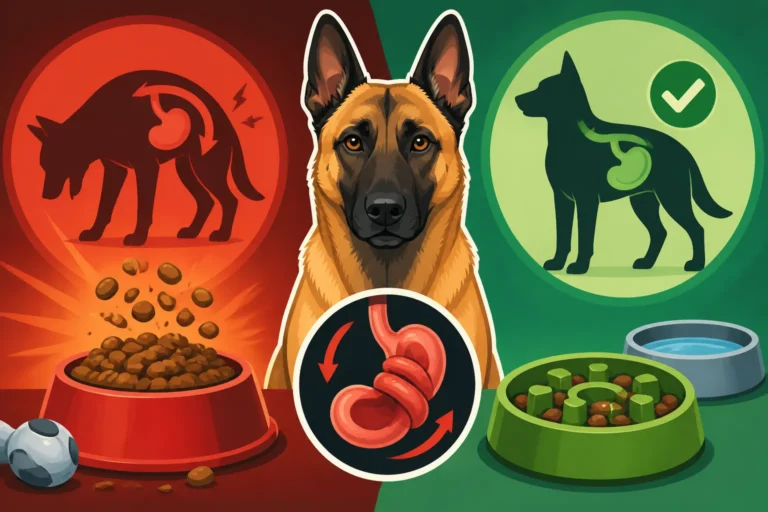
Consistency in feeding schedule also plays a part. Avoid feeding large meals immediately before or after intense exercise, which can divert blood flow to the digestive system rather than the muscles, and can also increase the risk of issues like bloat. Smaller, more frequent meals, or timing meals strategically around training sessions, can be beneficial. For specific guidelines, you might want to review resources like Whether a Belgian Malinois Should Be Fed Before a Trial. Proper nutrition is the fuel that keeps those powerful Malinois muscles running smoothly and prevents them from seizing up when pushed to their limits.
Immediate Actions and Long-Term Care for Cramping
Even with the best preventative measures, sometimes a muscle cramp can still strike. When it does, your immediate response can make a significant difference in your Malinois's comfort and recovery. Knowing what to do in the moment, and understanding when professional veterinary intervention is necessary, is crucial for any owner of a high-drive dog.
First Aid for an Active Cramp
When you see your Malinois suddenly pull up lame with a cramp, your first instinct might be panic, but staying calm is key. The immediate goal is to gently encourage the muscle to relax. Start by gently stretching and massaging the affected muscle. Be very careful and sensitive to your dog’s pain response. If they resist or show increased pain, stop immediately. The stretch should be slow and sustained, holding it for 15-20 seconds if your dog tolerates it, rather than bouncing or forcing it. Work from the periphery of the muscle inward, applying light pressure to help release the tension.
Applying warm compresses to the cramping area can also be incredibly soothing. Heat increases blood flow to the muscle, which helps relax it and flush away metabolic byproducts. A warm, damp towel, or a heat pack designed for pets, applied for 10-15 minutes can often provide relief. Ensure it’s warm, not hot, to avoid skin burns.
While you’re addressing the cramp, continue to monitor your dog's overall condition. Are they panting excessively? Do they seem disoriented? Is the cramp resolving or getting worse? Most simple cramps will ease within a few minutes with gentle intervention. However, if the cramp persists for more than 10-15 minutes, if the pain is severe and unremitting, or if your Malinois becomes unusually distressed, it’s time to consider escalating to professional veterinary care.
When to Consult Your Veterinarian
While many muscle cramps are transient and resolve with basic first aid, there are definite instances when a trip to the vet is warranted. It’s better to be safe than sorry, especially with a working dog whose soundness is paramount.
If the cramps are persistent or recurring, despite your best preventative efforts, it's a clear signal that something more might be going on. This isn't just a one-off incident; it suggests an underlying issue that needs investigation. This could range from subtle nutritional imbalances to more complex metabolic disorders. Similarly, if your Malinois experiences severe pain, is completely unable to bear weight, or shows any signs of distress beyond the cramp itself (like vomiting, extreme lethargy, or uncontrolled shaking), don't hesitate. These could indicate a more serious injury, such as a severe muscle strain, or a systemic problem.
Your veterinarian will conduct a thorough physical examination, observing your dog's gait, palpating muscles, and checking for tenderness or swelling. They might recommend diagnostic tests, such as bloodwork, to check electrolyte levels, kidney function, and thyroid hormone levels, among other things. Identifying these underlying causes is key to preventing future episodes. For instance, abnormal electrolyte levels could indicate a need for a specific supplement regimen, or a thyroid issue might require medication. Remember, these diagnostic procedures and potential treatments can incur significant costs, so having a pet insurance plan like Healthy Paws can provide immense peace of mind, ensuring you can make the best medical decisions for your Malinois without undue financial stress. Regular health checks, outlined in The Checkup Schedule a Sport Malinois Should Keep, can also help catch potential issues before they become emergencies.
Managing Recurring Issues and Recovery
If your Malinois experiences recurring muscle cramps, the approach needs to shift from immediate relief to comprehensive long-term management and recovery. The first step after a significant cramp, especially if it leads to lameness, is adequate rest. Just like with a human athlete, overworked muscles need time to heal. This doesn’t mean complete kennel rest in most cases, but rather a reduction in intense activity, focusing on passive range of motion exercises or very light, controlled walks until the muscle is no longer tender.
As they recover, a gradual return to work is essential. Don’t rush them back into full-blown training or trials. Slowly reintroduce activities, paying close attention to any signs of discomfort or recurrence. This might involve shorter sessions, reduced intensity, and increased warm-up and cool-down times.
For persistent issues, professional physical therapy or canine massage can be incredibly beneficial. A certified canine rehabilitation therapist can identify specific muscle weaknesses or imbalances, develop a targeted exercise plan, and use modalities like therapeutic massage, laser therapy, or hydrotherapy to promote healing and strengthen supporting muscles. This specialized care can make a huge difference in preventing future cramps and ensuring your Malinois remains sound. For those looking into such specialized care, it's worth noting that costs for services like Physical Therapy Prices for a Belgian Malinois can be substantial.
Finally, a complete re-evaluation of your Malinois's training, nutrition, and hydration plans is critical. Are they getting enough recovery time? Is their diet truly supporting their workload? Are you consistently hydrating them with electrolytes, particularly after intense work or in warmer weather, as explored in Electrolytes for a Belgian Malinois in Summer? You might also want to look into options for Joint Supplements for a Working Belgian Malinois if there's any concurrent joint discomfort, as these systems are often interconnected. By taking a holistic view and making necessary adjustments, you can significantly reduce the likelihood of future cramping incidents and ensure your incredible Malinois stays in top working condition for years to come.
Common Causes of Muscle Cramps and Prevention
| Cause of Cramping | Primary Prevention Strategies | Immediate Action for Cramp | Long-Term Management Considerations |
|---|---|---|---|
| Dehydration & Electrolyte Imbalance | Consistent access to fresh water; pre-hydration; electrolyte supplements during/after work. | Offer water; electrolyte solution if available; gentle massage. | Daily hydration monitoring; consider dietary electrolyte balance; vet check if persistent. |
| Overtraining & Fatigue | Gradual conditioning; appropriate rest days; avoid sudden increases in workload. | Stop activity; gentle massage; warm compress. | Re-evaluate training regimen (intensity/duration); focus on proper recovery and sleep. |
| Insufficient Warm-up/Cool-down | Implement dynamic warm-up before work; active cool-down after work (walk, stretch, massage). | Gentle stretching; warm compress to affected muscle. | Consistent integration of warm-up/cool-down into every session; review specific exercises. |
| Nutritional Deficiencies | High-quality performance diet; appropriate supplements (e.g., magnesium, B vitamins). | N/A (focus on immediate relief of cramp). | Vet consultation for blood panel; dietary analysis; balanced supplementation. |
| Underlying Health Issues | Regular vet check-ups; prompt investigation of new symptoms. | N/A (focus on immediate relief of cramp). | Comprehensive vet diagnostics (bloodwork, imaging); specific treatment for underlying condition (e.g., thyroid medication). |
Disclaimer
The information provided in this guide is for general informational purposes only and does not constitute veterinary advice. Always consult with a qualified veterinarian for any health concerns or before making any decisions related to your Belgian Malinois's care, diet, or training regimen.