The First Signs of Ataxia in a Malinois Puppy
It's incredibly distressing to watch your energetic Belgian Malinois puppy suddenly struggle with their movements, or to notice an odd gait that wasn't there before. You might wonder if they're just clumsy, or if something more serious is at play, causing a knot of worry in your stomach. This guide is here to shed light on the early indicators of ataxia in Malinois puppies, helping you understand what to look for and what steps to take if you suspect this challenging neurological condition.
Understanding Ataxia in Belgian Malinois Puppies
When you hear the word "ataxia," it can sound intimidating, but it essentially refers to a lack of muscle coordination that can manifest in various ways. For Belgian Malinois puppies, a breed celebrated for its agility, intelligence, and intense working drive, any compromise to their coordination is particularly concerning. These are dogs bred to move with precision and power, whether herding, performing protection work, or excelling in canine sports. When a Malinois puppy starts to show signs of ataxia, it's not just a minor inconvenience; it's a red flag that their neurological system might not be developing correctly.
What is Ataxia and Why It Matters in Malinois
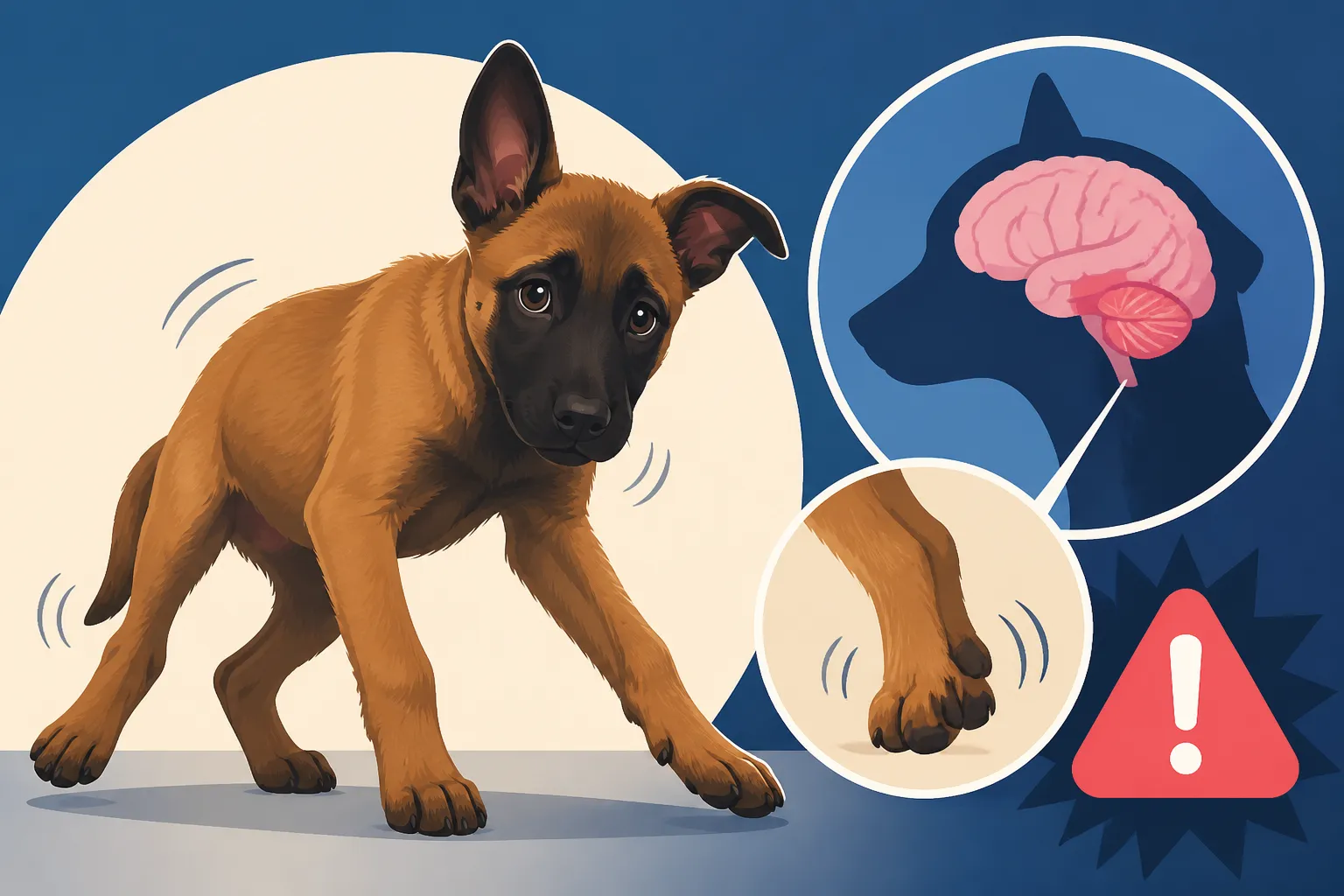
Ataxia isn't a disease itself, but rather a clinical sign of an underlying neurological issue affecting the parts of the brain, spinal cord, or peripheral nerves that control coordination. In simple terms, the brain isn't effectively communicating with the body's muscles, leading to uncoordinated or clumsy movements. This can present as a wobbly gait, difficulty balancing, or even a tremor.
For Malinois, who are known for their explosive energy and need for a "job," intact neurological function is paramount. A Malinois that cannot coordinate its movements effectively will struggle with basic puppy play, let alone the rigorous demands of advanced training or working roles. Imagine a young Malinois puppy trying to perform even simple obedience tasks or navigating uneven terrain if their legs aren't moving in sync. It's not just frustrating; it can severely impact their quality of life and future potential. Owners often report a deep sense of worry, trying to distinguish between normal puppy clumsiness and something more profound. This is why understanding the specific manifestations of ataxia in this breed is so crucial.
The Genetic Basis for Malinois Ataxia
One of the most significant reasons ataxia matters so much in Malinois is its known genetic component. Unlike ataxia caused by injury or infection, genetic ataxia is inherited, meaning it's passed down through specific genes from the parents. For Belgian Malinois, there are two primary forms of genetic ataxia that have been identified: Spongy Degeneration with Cerebellar Ataxia (SDCA1) and Spongy Degeneration 2 (SDCA2). These conditions are caused by specific mutations in different genes, leading to progressive neurodegeneration.
Both SDCA1 and SDCA2 are inherited in an autosomal recessive pattern. This means a puppy must inherit two copies of the mutated gene (one from each parent) to be affected by the condition. If a puppy inherits only one copy, they are considered a "carrier" and typically show no symptoms themselves, but can pass the gene on to their offspring. This is a critical point for breeders and prospective owners alike. Understanding The Two Ataxia Genes Belgian Malinois Are Tested For is the first step in prevention. Responsible breeders will meticulously test their breeding stock for these known mutations, aiming to avoid breeding two carriers together, which significantly increases the risk of producing affected puppies. If you're looking into Testing a Belgian Malinois for SDCA1 and SDCA2, you'll find it's usually done via a simple cheek swab or blood sample, and the results are incredibly valuable for making informed breeding and purchasing decisions.
Recognizing the Early Signs of Ataxia in Your Malinois Puppy
Spotting ataxia early in a Belgian Malinois puppy can be challenging, largely because puppies, in general, are often a bit uncoordinated as they grow and learn about their bodies. They tumble, they trip, and they misjudge distances – it's all part of being a clumsy, enthusiastic young dog. However, there are specific nuances to ataxic movements that can help you differentiate normal puppy antics from something more serious. Pay close attention to consistency and progression.
Subtle Changes in Gait and Coordination
The most common and often earliest signs of ataxia involve changes in how your Malinois puppy moves. This isn't just a random trip; it's a pattern of uncoordinated movement that doesn't seem to improve with age or practice.
- Wobbly or Drunken Gait: This is perhaps the most classic sign. The puppy might look as if they're perpetually off-balance, swaying from side to side, or staggering as they walk. Their hindquarters might seem to swing more widely than normal, and they may struggle to walk in a straight line. They might take exaggerated steps, lifting their legs higher than necessary, or appear to be marching. If you've observed The Wobbly Gait a Malinois Puppy Shows at Six Weeks, you'll know this is a significant indicator.
- Difficulty with Balance: You might notice your puppy struggling to stand still, swaying noticeably, or frequently losing their footing. Simple acts like turning around can become an awkward ordeal, sometimes resulting in a fall. They might have trouble getting up from a lying position, or seem to push off their hind legs unusually.
- Clumsiness Beyond Normal Puppy Play: While all puppies are clumsy, an ataxic puppy's clumsiness often seems disproportionate to their age and development. They might repeatedly bump into objects, trip over their own feet, or misjudge jumps, even on familiar terrain. This isn't just an occasional stumble; it's a consistent pattern of awkwardness that doesn't resolve as they gain better control of their bodies.
- Trouble with Stairs or Uneven Surfaces: A healthy Malinois puppy, once accustomed, navigates stairs and varied terrain with ease. An ataxic puppy, however, might show extreme hesitation, struggle to lift their paws correctly, or even tumble when attempting to climb or descend stairs. Walking on grass or gravel might pose significant challenges compared to smooth surfaces.
It’s important to observe these behaviors during various activities – during play, when walking on a leash, and even when simply moving around the house. Video recording these instances can be incredibly helpful when discussing your concerns with a veterinarian.
Behavioral and Motor Skill Difficulties
Beyond just their gait, ataxia can also manifest in a broader range of motor skill and behavioral difficulties that are linked to neurological control.
- Fine Motor Control Issues: Simple, coordinated movements that require precision might become difficult. For instance, an ataxic puppy might struggle to pick up a small treat from the floor, or they might overshoot their target when trying to bite a toy. Their head might bob or tremor when they try to focus on something.
- Exaggerated Movements: You might notice certain movements becoming overly dramatic or unrefined. When they shake their head, it might seem violent or uncontrolled. When they try to scratch an itch, their leg might flail excessively.
- Muscle Weakness or Tremors (Later Stages): While not always the first sign, as the condition progresses, you might start to notice subtle muscle weakness, particularly in the hindquarters. This can be accompanied by tremors, especially when the puppy is at rest or trying to hold a specific position. The lack of coordinated muscle activity over time can lead to a less developed musculature in the affected areas. It can be heartbreaking to observe Spongy Degeneration in a Belgian Malinois Puppy as it progresses, impacting their youthful vitality.
For a Malinois, where high energy and responsiveness are defining traits, these motor skill difficulties can be particularly disheartening. A puppy that struggles with basic balance will naturally have a hard time engaging in the energetic play and learning experiences crucial for their development.
Progression and When Signs Typically Appear
The timeline for the appearance and progression of ataxic signs in Malinois puppies can vary depending on the specific genetic mutation and individual factors. Generally, signs of genetic ataxia like SDCA1 and SDCA2 often begin to emerge in early puppyhood, usually between 2 to 6 months of age, though some cases might be seen earlier or later.
- Early Onset: Some puppies might display very subtle signs as early as 6-8 weeks old, right around the time they're becoming more mobile and exploring their environment. These initial signs might be dismissed as normal puppy clumsiness, which makes early detection tricky.
- Gradual Worsening: Genetic ataxia is typically progressive, meaning the symptoms tend to worsen over time. What starts as a slight wobble might evolve into more pronounced staggering, difficulty standing, and a greater loss of coordination. The rate of progression can differ, but the general trend is a decline in neurological function. This progressive nature is what differentiates it most starkly from a temporary injury or a minor developmental delay.
- Impact on Development: The timing of onset is critical because it coincides with a Malinois puppy's peak learning and physical development periods. A puppy struggling with coordination during these formative months will face significant hurdles in training, socialization, and even basic motor skill acquisition. Owners often express concern about their puppy's future, especially if they had plans for competitive sports or working roles.
What to Do If You Suspect Ataxia in Your Malinois Puppy
Discovering that your beloved Malinois puppy might have a serious neurological condition like ataxia is a gut-wrenching experience. It’s natural to feel overwhelmed, scared, and even a bit guilty for perhaps not noticing sooner. However, the most important thing is to act decisively and seek professional veterinary guidance immediately. Early intervention and accurate diagnosis are key to understanding the condition and making informed decisions for your puppy's future.
Immediate Steps and Veterinary Consultation
As soon as you notice persistent or worsening signs of uncoordinated movement in your Malinois puppy, it's time to contact your veterinarian without delay.
- Gather Your Observations: Before your appointment, make a detailed list of everything you've observed. When did the signs start? Do they seem to be getting worse? What specific movements are affected? Does it happen all the time or only during certain activities? The more specific you can be, the better your vet can narrow down potential causes.
- Video Recording is Invaluable: It can be challenging for a puppy to perform their "symptoms" on command in a stressful vet office environment. Use your phone to take short videos of your puppy exhibiting the wobbly gait, balance issues, or other concerning movements in their natural home environment. These videos provide objective evidence and can be incredibly helpful for your vet in assessing the problem.
- Comprehensive Physical and Neurological Exam: Your veterinarian will perform a thorough physical examination, including a detailed neurological exam. This will involve testing reflexes, assessing gait, checking balance, and evaluating muscle tone. They'll be looking for signs that point to specific areas of the nervous system that might be affected. This initial exam helps rule out other common issues that might present with similar symptoms, such as injuries or musculoskeletal problems like hip dysplasia, though these usually present differently than true ataxia.
- Rule Out Other Conditions: It’s vital for your vet to rule out other causes of poor coordination. Things like inner ear infections, toxicity, certain infectious diseases, or even structural issues in the spine can cause ataxia-like symptoms. This diagnostic process might involve blood tests, X-rays, or other imaging, depending on what the initial exam suggests.
This initial diagnostic phase can be stressful and involve multiple vet visits. Having a reliable pet insurance plan like Healthy Paws can be incredibly helpful during this time, covering unexpected diagnostic costs and allowing you to pursue every necessary avenue without financial strain.
Diagnostic Testing for Malinois Ataxia
Once other common causes are ruled out, if ataxia is still suspected, especially in a Malinois puppy, genetic testing becomes a critical step in confirming the diagnosis of inherited ataxia.
- DNA Testing for SDCA1 and SDCA2: The most definitive way to diagnose genetic ataxia in a Malinois is through DNA testing. These tests specifically identify the genetic mutations responsible for SDCA1 and SDCA2. Your vet can facilitate this by taking a blood sample or instructing you on how to perform a cheek swab collection. The sample is then sent to a specialized veterinary genetics laboratory.
- Interpreting Results: The results will typically classify your puppy as "clear," "carrier," or "affected." A result of "affected" confirms the diagnosis of genetic ataxia. If your puppy tests as a "carrier," it means they carry one copy of the mutated gene but will not develop the disease themselves, though they could pass it on if bred. Understanding How SDCA1 and SDCA2 Differ in a Malinois is important, as while both cause ataxia, they are distinct genetic conditions.
- Why Genetic Testing is Crucial: A confirmed genetic diagnosis provides clarity. It helps manage expectations about the disease's progression and informs decisions about the puppy's long-term care. It also provides invaluable information to the breeder, helping them make more responsible breeding choices in the future and prevent further affected puppies.
Managing a Malinois Puppy Diagnosed with Ataxia
A diagnosis of ataxia for your Malinois puppy can feel devastating. While there is currently no cure for genetic ataxia, there are ways to manage the condition and support your puppy's quality of life.
- Supportive Care and Environmental Modifications: Management focuses on minimizing symptoms and preventing secondary injuries. This might include:
- Safe Environment: Removing obstacles, providing non-slip flooring, and blocking access to stairs can prevent falls and injuries.
- Assisted Mobility: For puppies with severe coordination issues, assistive devices like slings or harnesses can help them move around safely.
- Physical Therapy: Gentle exercises and hydrotherapy (swimming) can help maintain muscle strength and range of motion, improving overall coordination and balance. A certified canine rehabilitation therapist can develop a tailored plan.
- Nutrition: A balanced diet is important to support overall health, but there are no specific dietary cures for ataxia.
- Quality of Life Considerations: The progressive nature of genetic ataxia means that your puppy's condition is likely to worsen over time. This can be incredibly difficult to accept. You'll need to work closely with your veterinarian to monitor their progress and assess their quality of life. Discussions about when to consider palliative care or, tragically, euthanasia, are incredibly painful but an essential part of responsible pet ownership when a condition severely impacts their well-being. Knowing Whether an Ataxic Malinois Puppy Can Improve is crucial for setting realistic expectations.
- Financial Planning: The costs associated with diagnostics, specialized care, physical therapy, and ongoing veterinary support for a puppy with a neurological condition can be substantial. This is where comprehensive pet insurance like Healthy Paws truly shines, offering peace of mind by helping to cover a significant portion of these expenses. It allows you to focus on your puppy's care rather than worrying about mounting vet bills.
Breeder Responsibilities and Prevention
The heartbreak of an ataxic Malinois puppy underscores the immense responsibility that breeders carry. Genetic diseases are preventable through careful screening and ethical breeding practices. For prospective puppy owners, understanding these responsibilities and knowing what questions to ask is your best defense against inadvertently acquiring a puppy at risk.
The Importance of Responsible Breeding Practices
Responsible breeders are the cornerstone of healthy breed preservation. For Belgian Malinois, this means much more than just producing puppies with good looks or high drive; it means prioritizing the health and temperament above all else.
- Health Testing and Transparency: A truly responsible breeder will perform extensive health testing on all their breeding dogs, not just for ataxia, but also for common orthopedic issues like hip and elbow dysplasia, and eye conditions. They should be completely transparent about these results and willing to share official documentation. They understand the grave implications of Breeding Two Ataxia Carrier Malinois and actively work to avoid it through DNA testing.
- Genetic Counseling: Good breeders understand genetic inheritance patterns. They will work to eliminate known genetic diseases from their lines by carefully selecting mates who are clear of known mutations or, at the very least, avoiding pairing two carriers. They are knowledgeable about The Potassium Channel Gene Behind Malinois Ataxia and other specific genetic markers relevant to the breed.
- Long-Term Support: A responsible breeder will stand by their puppies and their new families. They will offer support, guidance, and often a health guarantee for their puppies. If a genetic condition like ataxia is diagnosed, they should be willing to discuss the issue and potentially offer a remedy as outlined in their puppy contract.
Questions to Ask Your Breeder
When you are looking for a Belgian Malinois puppy, especially given the known genetic predispositions like ataxia, asking informed questions is absolutely vital. Don't be afraid to delve deep; a reputable breeder will welcome your inquiries.
- "What health clearances do the parents of this litter have?" This is your starting point. You want to hear about OFA (Orthopedic Foundation for Animals) or PennHIP clearances for hips and elbows, and ideally, an eye exam certification (CERF/OFA Eye).
- "Have the parents been DNA tested for SDCA1 and SDCA2 ataxia?" This is the direct question for this specific condition. A breeder should be able to provide official documentation from a reputable genetics lab. Ask to see the actual certificates, not just a verbal assurance. If they don't test, or if they brush off the concern, it's a major red flag. Knowing Asking a Breeder for Malinois Ataxia Results is your right as a prospective buyer.
- "What are the results for the sire and dam for SDCA1 and SDCA2?" Don't just ask if they're "clear." Ask for the specific status – Clear, Carrier, or Affected. Remember, a carrier parent can be bred, but only if paired with a clear mate to ensure no affected puppies are produced. Understanding Whether a Carrier Belgian Malinois Shows Signs is important context for this.
- "What is your policy or health guarantee if a puppy develops a genetic health issue?" Understand the terms of their puppy contract. This will outline their responsibility if a genetic condition like ataxia is diagnosed in your puppy.
- "Can I see the pedigrees of the parents, and can you explain the health history of their ancestors?" A good breeder will be familiar with the health of the lines behind their dogs and should be able to discuss any known issues or longevity trends.
Financial Considerations and Support
Even with the most meticulous breeding, unforeseen health issues can sometimes arise. Moreover, even a puppy from health-tested parents can still encounter accidents or illnesses that require expensive veterinary care. This is a critical point where financial preparedness becomes paramount.
- Unexpected Vet Bills: Diagnosing and managing a complex neurological condition like ataxia, or even a sudden injury, can quickly lead to thousands of dollars in veterinary bills. From specialist consultations to advanced imaging (like an MRI to rule out other neurological issues, which can cost $2,000-$5,000+), medications, and physical therapy, the expenses can be overwhelming.
- The Value of Pet Insurance: This is where pet insurance like Healthy Paws becomes an invaluable investment. For a breed as active and prone to certain health challenges as the Belgian Malinois, having a comprehensive policy can provide a crucial safety net. It can help reimburse you for a significant portion of unexpected vet bills, allowing you to focus on getting your puppy the best possible care without added financial stress. Think about What Pet Insurance Runs on a Working Malinois; even if your Malinois is a family companion, the costs of high-quality care remain substantial.
- Breeder Contracts and Guarantees: Understand the specific health guarantees offered by your breeder. While a good breeder will often offer a replacement puppy or a partial refund for severe genetic conditions, these guarantees usually don't cover the ongoing veterinary costs of treating an affected dog. Pet insurance fills this gap, covering the actual medical expenses.
By being informed, asking the right questions, and planning for potential health expenses, you can significantly reduce the emotional and financial burden if your Malinois puppy ever faces a health challenge like ataxia.
Distinguishing Ataxia from Normal Puppy Clumsiness
It's genuinely hard to tell the difference between a clumsy puppy and one with early signs of ataxia. Many new Malinois owners spend weeks or months second-guessing themselves. Here’s a simple table to help you identify some key differences, though remember, if you have any lingering concerns, a vet visit is always the best course of action.
| Feature | Normal Puppy Clumsiness (e.g., a 10-week-old Malinois) | Early Ataxia Signs (Malinois Puppy) |
|---|---|---|
| Onset | Occasional from when they start exploring and playing. | Often insidious, developing gradually from early puppyhood. |
| Consistency | Intermittent, situational (e.g., on slick floors, during over-excitement). | Persistent, noticeable across various environments and activities. |
| Progression | Improves with age, better coordination as they grow. | Worsens over time, movements become more uncoordinated or exaggerated. |
| Specific Movements | Tripping, bumping into things, misjudging jumps. | Staggering, swaying, wide-based stance, exaggerated limb movements, difficulty with turns. |
| Balance | Generally good balance, quick recovery from stumbles. | Frequent loss of balance, prolonged swaying, difficulty holding still. |
| Cause | Lack of experience, rapidly growing body, undeveloped proprioception. | Underlying neurological issue (often genetic in Malinois). |
| Impact on Activity | Enthusiastic participation in play, learns to adapt. | Hesitation, inability to keep up, frustration during play or training. |
Disclaimer
The information provided in this guide is intended for educational purposes only and should not be considered a substitute for professional veterinary advice, diagnosis, or treatment. Always seek the advice of your qualified veterinarian with any questions you may have regarding a medical condition or the health and welfare of your pet.