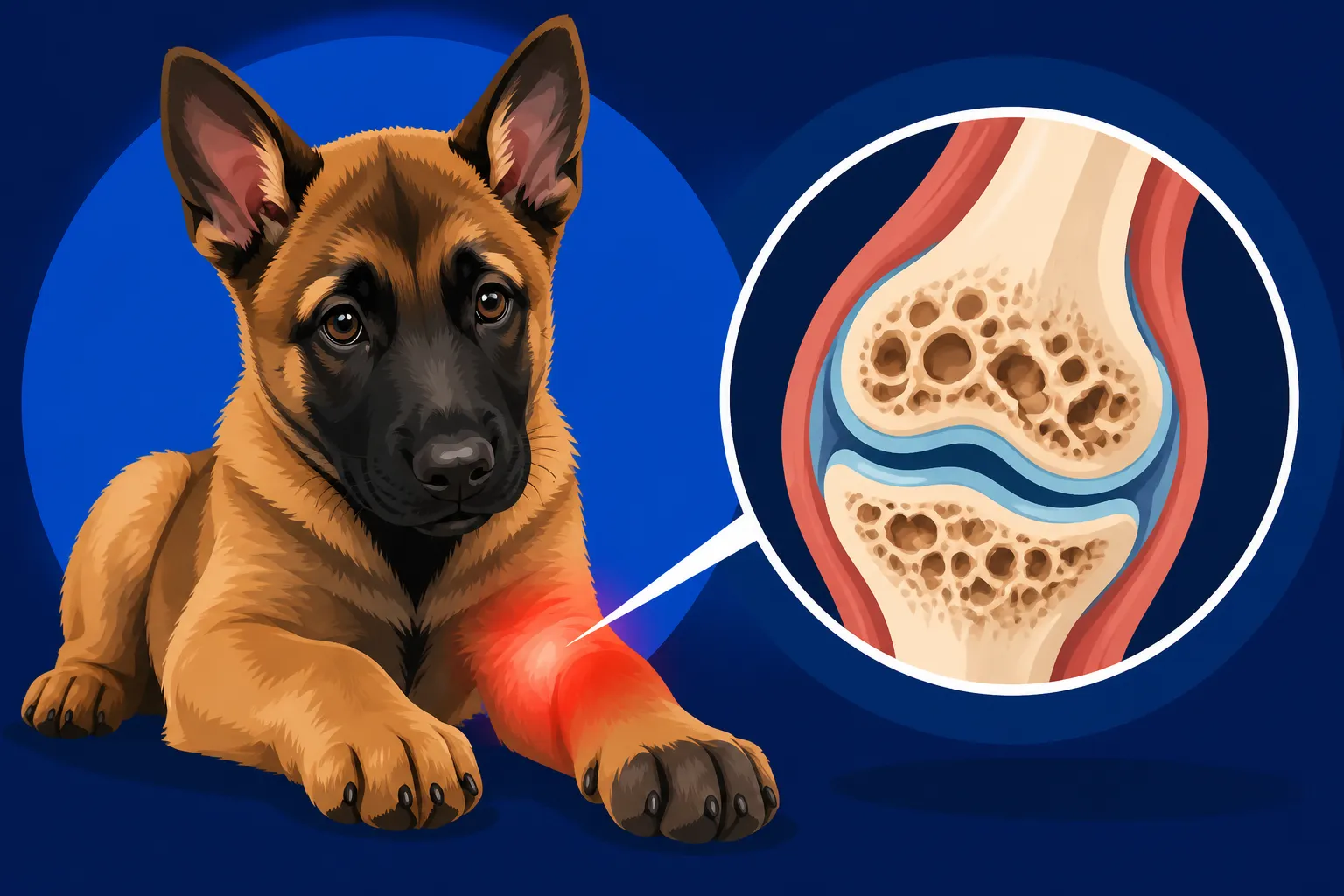
Spongy Degeneration in a Belgian Malinois Puppy
Finding out your beloved Belgian Malinois puppy isn't developing normally, or seeing those first unsettling wobbles, can be one of the most heartbreaking experiences for any dog owner. It’s an immediate plunge into worry, especially when you’re dealing with a breed known for its boundless energy and precision. This guide is here to shed light on a specific, challenging neurological condition known as Spongy Degeneration, or SDMA, which can affect young Malinois, helping you understand its nature, how to spot its signs, and what steps you can take.
Understanding Spongy Degeneration What It Is
Spongy Degeneration, often referred to as Spongiform Leukoencephalomyelopathy (SDMA), sounds complex, and in many ways, it is. But at its core, it’s a devastating neurological disorder that specifically targets certain breeds, including our incredible Belgian Malinois. It’s not something your puppy "catches" or that develops due to an injury; it's deeply rooted in their genetic makeup, a silent blueprint passed down through generations.
The Genetic Roots of SDMA
The science behind SDMA is a crucial piece of understanding the condition. We now know that this particular form of spongy degeneration in Belgian Malinois puppies is an inherited autosomal recessive disorder. What does that mouthful mean for you? It means a puppy must inherit two copies of the faulty gene – one from its mother and one from its father – to be affected by the disease. If a puppy inherits only one copy, they are considered a "carrier" and won't show symptoms themselves, but they can still pass that gene on to their own offspring.
Specifically, research has identified two primary genes associated with this condition in Malinois: SDCA1 and SDCA2. These aren't just obscure scientific labels; they are the very keys to unlocking the mystery of why some puppies are affected and others aren't. Understanding The Two Ataxia Genes Belgian Malinois Are Tested For is paramount for responsible breeders aiming to eliminate this disease from their lines. It highlights the critical importance of pre-breeding genetic screening for both parents, even if they appear perfectly healthy, because carriers can unknowingly perpetuate the problem.
How SDMA Affects the Brain and Spinal Cord
The term "spongy degeneration" itself offers a vivid, albeit unsettling, image of what's happening internally. In affected puppies, the white matter of the brain and spinal cord literally begins to degenerate, taking on a spongy, vacuolated appearance. Think of the intricate wiring system in your house; if that wiring starts to fray, or the insulation around it becomes riddled with holes, the electrical signals won't transmit efficiently, or they'll short out entirely.
Similarly, the white matter in a dog’s central nervous system is made up of bundles of nerve fibers, often coated in myelin, which acts like insulation. This myelin sheath allows for rapid and efficient transmission of nerve impulses throughout the body. When spongy degeneration occurs, these myelin sheaths break down, and fluid-filled vacuoles (small cavities) form. This damage effectively disrupts the smooth flow of information between the brain and the rest of the body. The signals responsible for movement, balance, and coordination simply can't get through properly, leading to the heartbreaking symptoms you'll observe in an affected puppy. It's a progressive breakdown, which means the symptoms often worsen over time as more and more of the crucial white matter is compromised.
Recognizing the Early Signs in Your Malinois Puppy
Spotting the signs of a neurological issue in a young, boisterous Belgian Malinois puppy can be incredibly challenging. Puppies, by nature, are clumsy! They trip over their own feet, misjudge distances, and generally lack the refined coordination of an adult dog. This normal puppy awkwardness can easily mask the subtle, early indicators of a serious condition like SDMA, leading owners to dismiss initial concerns as just "puppy antics." However, knowing what to look for and when to worry is absolutely vital.
The Tell-Tale Wobbly Gait and Coordination Issues
The most prominent and often the first noticeable symptom of spongy degeneration in a Malinois puppy is a progressive lack of coordination, medically termed ataxia. This isn't just a puppy tripping once; it's a consistent, worsening pattern. Many owners report seeing The Wobbly Gait a Malinois Puppy Shows at Six Weeks, although the onset can vary.
Imagine your puppy trying to walk across the room. Instead of a playful, if slightly unrefined, bounce, you might observe a distinct sway in their hindquarters, almost as if they're perpetually off-balance. They might overstep, placing their paws in odd positions, or struggle to lift their feet high enough, causing them to scuff their toes. When they try to run, it looks less like a joyful sprint and more like a drunken stumble, often ending in a tumble. Getting up from a lying position might become a prolonged, awkward process, rather than a quick, fluid motion. They might lean heavily against furniture or walls, or even fall over when trying to stand still. This isn't just clumsiness; it's a profound inability to control their body movements, a direct result of those compromised nerve signals. The progression is key – normal puppy clumsiness typically improves with age and muscle development, whereas ataxia from SDMA tends to either remain static or, more often, worsen.
Other Neurological Symptoms to Watch For
While the wobbly gait is often the first flag, other neurological symptoms can accompany SDMA, painting a fuller, more concerning picture. You might notice muscle tremors, particularly when the puppy is trying to focus or hold a position. Their head might bob, or their legs might shake. Weakness in the limbs is also common, making it difficult for them to support their own weight for extended periods, or preventing them from jumping or climbing even small obstacles. They might seem unusually tired or hesitant to engage in play that requires much movement.
In some cases, the disruption to nerve function can extend to other areas. You might observe difficulties with eating or drinking; the puppy might struggle to aim its mouth at the bowl, or their tongue coordination could be impaired, leading to messy meals. Some affected puppies might also show subtle changes in their ocular movements or even exhibit nystagmus (involuntary eye movements), though these are less commonly reported as primary early indicators compared to the profound motor deficits. If you're seeing The First Signs of Ataxia in a Malinois Puppy combined with any of these other symptoms, it’s imperative to seek veterinary attention immediately. These puppies, unfortunately, face a challenging road, and conditions like this underscore why having a pet insurance plan, perhaps from a provider like Healthy Paws, can be incredibly beneficial for managing unexpected and extensive veterinary care costs.
The Diagnostic Journey Confirming SDMA
When you observe those troubling signs in your Malinois puppy, the first instinct is often panic. But taking a deep breath and focusing on a clear diagnostic path is essential. Getting an accurate diagnosis for SDMA requires a systematic approach, starting with your primary veterinarian and potentially involving specialists. It’s a journey that can be emotionally taxing, but it’s critical for understanding your puppy’s condition and making informed decisions about their future.
The Initial Vet Visit and Neurological Exam
Your first stop will naturally be your trusted family veterinarian. When you bring in a puppy showing signs of ataxia or incoordination, your vet will begin with a thorough physical examination, but more importantly, a detailed neurological exam. This isn't just checking reflexes; it's a comprehensive assessment designed to pinpoint exactly where the neurological deficit might be originating. The vet will observe your puppy's gait, posture, balance, and coordination. They'll test proprioception – your puppy's awareness of where its limbs are in space – often by flipping a paw over and seeing how quickly they correct it. They'll check cranial nerves, assess muscle tone and strength, and look for any abnormal involuntary movements like tremors.
Crucially, your vet will also gather a detailed history from you. When did the symptoms start? Have they worsened? Are there specific triggers? Does it seem to affect one side more than the other, or all four limbs? All these pieces of information help the vet narrow down the possibilities. During this initial stage, they will also be working to rule out other, potentially more common, causes for neurological symptoms in a young puppy, such as infections, toxicities, traumatic injuries, or even nutritional deficiencies. It’s a process of elimination that helps to focus on the most likely culprits.
Advanced Imaging and Genetic Testing
If the neurological exam strongly suggests a central nervous system issue, your vet will likely recommend further diagnostics, often involving advanced imaging and, critically, genetic testing. Magnetic Resonance Imaging (MRI) is the gold standard for visualizing the brain and spinal cord. In puppies with SDMA, an MRI might reveal characteristic changes such as diffuse white matter lesions, signs of demyelination, or even secondary hydrocephalus (fluid accumulation in the brain). While an MRI can point strongly towards spongy degeneration, it’s usually not enough for a definitive diagnosis on its own, especially given the various conditions that can cause white matter abnormalities.
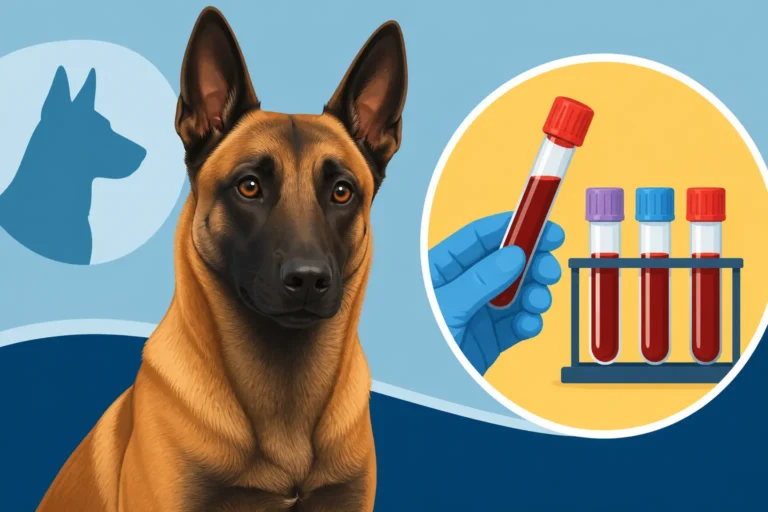
This is where genetic testing becomes indispensable. Since SDMA in Belgian Malinois is a known genetic disorder linked to specific mutations in the SDCA1 and SDCA2 genes, a simple DNA test can definitively confirm the diagnosis. A sample, often collected via a cheek swab or blood draw, is sent to a specialized laboratory. The results will indicate whether your puppy has two copies of the affected gene, thus confirming SDMA. This testing can also identify if a dog is a carrier. Understanding How SDCA1 and SDCA2 Differ in a Malinois can also be helpful for breeders and owners seeking specifics. For owners whose puppies are already exhibiting symptoms, the genetic test provides a definitive answer, allowing for more focused discussions on prognosis and care. For breeders, Testing a Belgian Malinois for SDCA1 and SDCA2 is a fundamental step towards eradicating this disease from their lines.
Managing Life With a Malinois Puppy With SDMA
Receiving a diagnosis of Spongy Degeneration in your Belgian Malinois puppy is devastating. There's no sugarcoating that. This is a condition with no cure, and the prognosis often depends on the severity and progression of the disease. However, it doesn't necessarily mean an immediate end to quality of life. Understanding what to expect and how to provide the best possible supportive care can make a significant difference for your puppy, even if the road ahead is challenging.
Prognosis and Quality of Life Considerations
The unfortunate reality of SDMA is that it is a progressive neurological disease. This means that for many affected puppies, the symptoms will continue to worsen over time as more white matter degenerates in the brain and spinal cord. The speed and severity of this progression can vary significantly from one puppy to another. Some might have a very rapid decline, while others might plateau for a period, with milder, more manageable symptoms. It's a cruel lottery within a cruel condition.
For puppies with severe forms, the profound lack of coordination can quickly render them unable to walk, stand, or even eat and drink independently. This can lead to very difficult conversations with your veterinary team about their quality of life. Is your puppy able to experience joy? Are they in constant discomfort or frustration? These are deeply personal and agonizing questions. However, for those with a slower progression or milder symptoms, with dedicated supportive care, a certain level of quality of life can be maintained for a period. It's important to have an open and honest dialogue with your neurologist about your puppy's specific case. There's often a hope, however faint, that Whether an Ataxic Malinois Puppy Can Improve but sadly, a full recovery is not expected with this degenerative disease.
Supportive Care and Environmental Adjustments
Since there's no cure for SDMA, management focuses entirely on supportive care designed to maximize comfort, safety, and function for as long as possible. This involves a multi-faceted approach, often requiring significant dedication from the owner.
One of the most critical aspects is creating a safe, accommodating environment. For a puppy with coordination issues, a home full of hard surfaces, stairs, and sharp corners is a hazard. Consider laying down non-slip mats or rugs, especially in high-traffic areas. Padding sharp edges of furniture can prevent injuries from falls. Using baby gates to restrict access to stairs or dangerous areas is also crucial. If your puppy struggles to walk, a harness with a handle, such as a sturdy Ruffwear Web Master Harness, can provide vital assistance for mobility, helping them navigate short distances or get outside for potty breaks. For puppies with more significant mobility challenges, a dog cart or wheelchair might be considered to offer them some independence, although this is often dependent on their overall comfort and mental well-being.
Nutritional support can also be an issue. Puppies who struggle with coordination might find it difficult to eat from a regular bowl. Elevated food and water bowls can make it easier for them to access their meals without having to bend down too much or lose their balance. Hand-feeding smaller, more frequent meals might also be necessary. Keeping your puppy at an ideal lean body weight is important to reduce strain on their struggling muscles and joints.
Regular veterinary check-ups are essential to monitor their progression and address any secondary issues, such as pressure sores if they become less mobile, or potential infections. Physical therapy, including gentle range-of-motion exercises, might be recommended to help maintain muscle mass and prevent stiffness, though it won't reverse the neurological damage. The financial implications of long-term supportive care, specialized equipment, and frequent vet visits can be substantial. This is where pet insurance, such as a comprehensive plan from Healthy Paws, can be an absolute lifesaver, helping to alleviate the monetary burden and allowing you to focus on providing the best possible care for your beloved Malinois puppy.
The Crucial Role of Responsible Breeding
While coping with an affected puppy is an individual family's challenge, the broader responsibility for preventing Spongy Degeneration lies squarely with responsible breeders. This isn't about shaming or blaming; it's about education and the ethical imperative to safeguard the health of the Belgian Malinois breed. SDMA is a preventable disease through careful, informed breeding practices.
Understanding Carrier Status and Breeding Decisions
The key to eradicating SDMA rests in understanding the concept of "carrier" status. As we discussed, SDMA is an autosomal recessive disorder. This means a dog can carry one copy of the mutated gene (be a carrier) without ever showing any symptoms of the disease. These dogs are phenotypically normal – they look and act perfectly healthy. This is precisely why the disease can persist silently in breeding lines for generations, only to manifest tragically when two unsuspecting carriers are bred together.
When two carriers are bred, statistically, 25% of their puppies will be affected by SDMA (inheriting two copies of the gene), 50% will be carriers (inheriting one copy), and 25% will be clear (inheriting no copies of the gene). This 1-in-4 chance of producing an affected puppy is a risk that responsible breeders simply cannot take. Therefore, the absolute golden rule for ethical breeding is: never breed two carriers together. Understanding Whether a Carrier Belgian Malinois Shows Signs is critical for breeders, as a seemingly healthy dog can still be a genetic risk. The gravity of Breeding Two Ataxia Carrier Malinois means that comprehensive genetic health screening is not just a recommendation, but an absolute necessity for anyone serious about the welfare of the breed.
Genetic Testing and Health Clearances
Given the clear genetic basis of SDMA, mandatory DNA testing for all breeding stock is the cornerstone of responsible breeding programs for Belgian Malinois. Before any dog is considered for breeding, it should be tested for both SDCA1 and SDCA2. This simple, non-invasive test provides invaluable information about a dog's genetic status – whether they are clear, a carrier, or affected.
Ethical breeders will not only perform these tests but will also be transparent with potential puppy buyers about the results. They should be able to provide documentation proving that their breeding pair are both "clear" or, at the very least, that one parent is clear and the other is a carrier, ensuring no affected puppies will be produced. If you're looking for a Belgian Malinois puppy, one of the first questions you should confidently Asking a Breeder for Malinois Ataxia Results for both parents. A reputable breeder will welcome this question and readily provide the information. They often go a step further, providing a written health guarantee in their puppy contract that addresses genetic health concerns like SDMA. These breeders are truly working to improve the health and longevity of the breed, ensuring that future generations of Malinois can live up to their full potential without the burden of preventable genetic diseases.
| Symptom Category | Normal Puppy Clumsiness | Spongy Degeneration (SDMA) |
|---|---|---|
| Onset | Intermittent, improves with age | Progressive, often noticeable around 6-12 weeks |
| Gait | Occasional trips, slight awkwardness, improves | Consistent wobbling, stumbling, sways, difficulty standing/walking, worsening over time |
| Balance | Generally good, minor missteps | Pronounced imbalance, frequent falls, leans on objects, struggles to right itself |
| Muscle Control | Developing coordination | Weakness, tremors (especially in hindquarters), inability to control limbs precisely |
| Eating/Drinking | Normal, enthusiastic | May struggle with coordination, messy eating, difficulty aiming mouth |
| Energy Level | High, bouncy, playful | Can be high, but struggles with execution; may tire more easily due to effort |
| Progression | Improves as puppy grows and muscles develop | Typically worsens over time; can be static but rarely improves |
| Overall Impact | Minor inconvenience, part of development | Significantly impacts quality of life, mobility, and independence |
Disclaimer
The information provided in this article is for educational and informational purposes only and does not constitute veterinary advice. Always consult with a qualified veterinarian or veterinary specialist for any health concerns or before making any decisions about your pet's medical care.