Tick Borne Disease in a Working Belgian Malinois
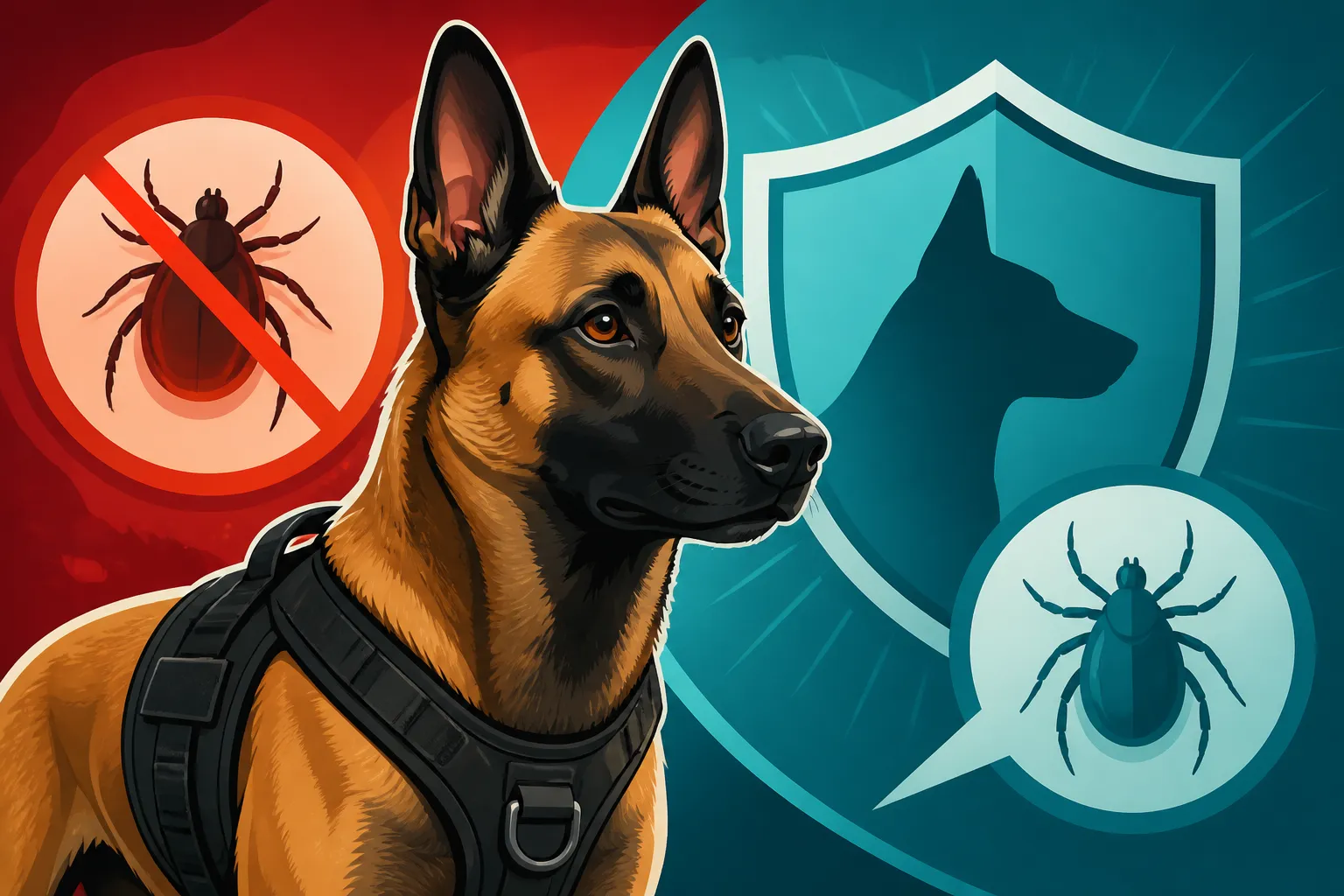
One of the most persistent, insidious threats to our active Belgian Malinois isn't a torn ligament or a bad bite, but something microscopic carried by tiny arachnids: tick-borne diseases. It's a frustrating reality that despite our best efforts to protect these incredible dogs, a single tick bite can lead to a cascade of health issues, often presenting with vague symptoms that are easy to dismiss until they've become serious. This guide will walk you through understanding these diseases, recognizing the subtle warning signs in a high-drive working Malinois, and implementing effective strategies to keep your canine partner safe and healthy.
The Hidden Threat of Tick-Borne Illnesses
Ticks aren't just creepy crawlies; they're vectors for a whole host of bacterial and protozoal pathogens that can wreak havoc on a dog's system. For a Belgian Malinois, a breed known for its robust health and incredible endurance, these illnesses can be particularly challenging because their high pain tolerance and drive often mask early symptoms, delaying diagnosis and treatment. It's not just about removing a tick; it's about understanding the potential aftermath of that tiny bite.
Common Culprits Affecting Working Malinois
When we talk about tick-borne diseases, we're really talking about a family of different infections, each with its own nuances but often sharing overlapping symptoms. The most common ones we encounter in Malinois include Lyme disease, Anaplasmosis, Ehrlichiosis, and Rocky Mountain Spotted Fever. Each of these can manifest differently, from a sudden onset of lameness to a slow, debilitating decline. Lyme disease, caused by the bacterium Borrelia burgdorferi, is perhaps the most well-known, often leading to shifting leg lameness, joint swelling, and fever. Anaplasmosis, caused by Anaplasma phagocytophilum or Anaplasma platys, can cause similar lameness, lethargy, and a low platelet count, which affects clotting.
Ehrlichiosis, caused by Ehrlichia canis (or other Ehrlichia species), is particularly concerning because it can lead to chronic forms, affecting bone marrow, causing severe anemia, weight loss, and eye issues. Then there's Rocky Mountain Spotted Fever (RMSF), caused by Rickettsia rickettsii, which can be extremely serious, causing fever, joint pain, neurological symptoms, and even bleeding disorders. The frustration for many Malinois owners is that these diseases often present with a generalized "unwell" feeling – a slight dip in energy, a subtle limp – things that a stoic, driven Malinois might just power through, making early detection a real challenge.
How Ticks Transmit Disease
The mechanics of disease transmission are important to grasp. Ticks don't just inject pathogens the moment they latch on. They typically need to be attached and feeding for a certain period, usually 24 to 48 hours, for the disease-causing organisms to successfully transfer from the tick's gut into your dog's bloodstream. This "attachment time" is crucial because it gives us a window for prevention. The tick first attaches to the host, begins to feed, and as it engorges, it releases saliva that often contains anticoagulants and other substances. If the tick is infected, these pathogens are then transmitted through the saliva into the dog's body.
Different ticks carry different diseases. For instance, the black-legged tick (or deer tick) is the primary vector for Lyme disease and Anaplasmosis. The brown dog tick can transmit Ehrlichiosis and Rocky Mountain Spotted Fever. Knowing which ticks are prevalent in your region, and understanding their life cycles, can help you be more vigilant. For a Malinois handler who takes their dog into various environments – from dense woods for tracking training to open fields for bite work – the risk exposure can change dramatically based on location and season. This is why Checking a Belgian Malinois Over After a Session is such a critical routine, not just for physical injuries but for tick detection.
Why Working Malinois Face Higher Risks
Our Belgian Malinois aren't couch potatoes; they're high-octane athletes constantly seeking a job. This inherent drive, while a hallmark of the breed, inadvertently places them at a higher risk for tick-borne diseases. Their working environments and their incredible ability to push through discomfort mean that what might be an obvious symptom in another breed can be easily overlooked in a Malinois.
Exposure in Diverse Working Environments
A working Belgian Malinois is rarely confined to a pristine, manicured backyard. They’re often out in the real world: navigating tall grasses during search and rescue drills, tracking through brush in K9 deployments, or working decoy fields that back up to wild areas. These are prime habitats for ticks. Whether you're involved in IGP, Schutzhund, ring sports, or active duty with law enforcement, your Malinois is repeatedly exposed to environments where ticks thrive. Each time they plunge into a field or bush, they become a moving target for these parasites.
Consider a K9 working a perimeter in a wooded area or a sport dog running a track through overgrown vegetation – these scenarios mean constant contact with potential tick habitats. Even if your Malinois is well-groomed, their short, dense coat can still provide enough cover for a tick to latch on undetected, especially in harder-to-reach areas like armpits, groin, ears, and between the toes. This broad exposure across various terrains and conditions significantly increases the probability of tick encounters, making consistent prevention paramount. Running a Belgian Malinois Beside a Bike or hiking off-leash in natural areas also exposes them to these risks.
The Impact of High Drive and Reduced Symptom Visibility
One of the most admirable, yet challenging, traits of a Belgian Malinois is their sheer tenacity and drive. They live to work, and often, even when they're not feeling 100%, they will try to push through. This means that the early, subtle signs of a tick-borne illness – a slight lethargy, a mild stiffness, a reduced appetite – can be easily missed or attributed to a hard training session. A Malinois might still complete a retrieve or a full bite sequence, even if they're running a low-grade fever or experiencing joint pain.
This makes their caregivers' role even more critical. You know your dog's normal better than anyone. That slight hesitation before jumping, a less enthusiastic drive for their favorite tug, or a subtle change in their coat quality could be the only hints that something is amiss. It’s a constant battle to distinguish typical post-exercise fatigue from the onset of illness. Many owners of working breeds will tell you how frustrating it is when their dog hides symptoms, making it a guessing game until the disease progresses to a more undeniable stage. This is why understanding The Age a Working Malinois Starts to Slow is important, as age-related changes can also sometimes mask or be confused with disease symptoms.
Spotting the Elusive Signs of Infection
Identifying a tick-borne disease in a Belgian Malinois can feel like chasing a ghost. The symptoms are often non-specific, can wax and wane, and are easily confused with other common ailments, especially those that might affect a highly active dog.
Non-Specific Symptoms That Mimic Other Ailments
Imagine your Malinois, normally a whirlwind of energy, is a little less eager to train today. They might be stiff after resting, perhaps even holding up a paw now and then. Is it just a Muscle Strains in a Belgian Malinois from yesterday’s intense session, or is it something more? This is the dilemma many Malinois owners face. Common symptoms of tick-borne diseases include:
- Lameness or Stiffness: Often a "shifting leg lameness" where the affected limb changes, or a general stiffness that seems to come and go.
- Lethargy/Fatigue: A noticeable decrease in energy, longer resting periods, or a reluctance to engage in usual activities.
- Fever: Can be low-grade and difficult to detect without a thermometer, or spike suddenly.
- Loss of Appetite/Weight Loss: May be subtle at first, just picking at food, then progressing to more significant weight loss.
- Swollen Joints: Though not always obvious under their coat, you might feel warmth or subtle swelling around knee, elbow, or hock joints.
- Swollen Lymph Nodes: Palpable lumps in the neck, armpits, or groin areas.
- Bleeding Disorders: Less common but more severe, including nosebleeds, bruising, or blood in urine/stool, particularly with Ehrlichiosis or severe Anaplasmosis.
- Neurological Signs: In very advanced or severe cases, seizures or weakness can occur.
The key challenge is that many of these mirror symptoms of common injuries or general fatigue in a working dog. A torn cruciate ligament, for instance, also causes lameness, leading to potential confusion. This is why thorough veterinary examination and specific testing are crucial rather than simply assuming it's an injury.
When to Suspect a Tick-Borne Disease
Given the non-specific nature of the symptoms, when should you really start suspecting a tick-borne illness? The first red flag should always be a known tick exposure, even if you removed the tick weeks or months prior. Remember, these diseases often have incubation periods. If your Malinois suddenly develops a persistent lameness that doesn't seem to have an obvious cause, or if they're just "off" for more than a day or two, it's time to consider a tick panel.
Pay close attention to any combination of symptoms, no matter how mild. For example, a dog that is stiff and has a slightly reduced appetite, or one that is lethargic and reluctant to jump, warrants a vet visit. Don't wait for your Malinois to be severely debilitated. Their drive means they'll hide it for as long as possible. If your Malinois isn't performing at their usual standard, or if you simply feel in your gut that something isn't right, trust that instinct. It's better to be overly cautious than to delay crucial treatment.
Diagnosis, Treatment, and Long-Term Management
Once you suspect a tick-borne disease, the next steps involve accurate diagnosis and appropriate medical intervention. This phase can be a journey of its own, requiring patience and a good partnership with your veterinarian.
The Diagnostic Puzzle
Diagnosing tick-borne diseases often starts with a detailed history from you – recent tick exposure, travel history, and any observed symptoms. Your vet will perform a physical exam, looking for fever, lameness, swollen joints, or enlarged lymph nodes. However, definitive diagnosis requires specific tests. A common first step is an in-clinic snap test (like the 4Dx Plus), which screens for Lyme, Anaplasmosis, and Ehrlichiosis antibodies, as well as heartworm. While these tests are great for a quick screen, a positive result for antibodies doesn't always mean active infection; it just means exposure.
Further diagnostics might include a complete blood count (CBC) to check for anemia, low platelet counts (thrombocytopenia), or elevated white blood cells, which are common indicators. A chemistry panel can assess organ function. If a snap test is positive, your vet might recommend a more sensitive C6 antibody test for Lyme or specific PCR (Polymerase Chain Reaction) tests to detect the actual DNA of the bacteria, confirming an active infection rather than just exposure. This is why The Bloodwork a Working Malinois Should Have Annually is so important; it can help establish a baseline and catch subtle changes early. Diagnostic costs, just like What a Year With a Working Belgian Malinois Costs, can add up, so having a good pet insurance plan like Healthy Paws can make a significant difference in covering these unexpected expenses.
Tailored Treatment Protocols
The good news is that most tick-borne bacterial infections respond well to antibiotics, primarily doxycycline. The typical course of treatment lasts for several weeks, and it's absolutely crucial to complete the entire course, even if your Malinois seems to recover quickly. Stopping antibiotics early can lead to a relapse or the development of antibiotic resistance. For severe cases, or if other complications like severe anemia are present, additional medications, supportive care, or even hospitalization might be necessary.
For protozoal diseases like Babesiosis, different medications may be used. Your vet will tailor the treatment based on the specific diagnosis and your dog's individual response. It's a relief to see a Malinois regain their energy and reduce lameness within days of starting treatment, but remember, the underlying infection needs to be eradicated. Follow your vet's instructions precisely, and don't hesitate to ask questions if anything is unclear.
Post-Treatment Care and Monitoring
Even after successful treatment, careful monitoring is essential. Some dogs may experience residual effects, and relapses can occur, especially with chronic forms of Ehrlichiosis. Your vet might recommend follow-up bloodwork to ensure platelet counts return to normal and to recheck antibody titers. Long-term management often involves diligent tick prevention moving forward and being extra vigilant for any recurrence of symptoms.
It's also important to consider the overall health impact. A severe bout of a tick-borne disease can sometimes compromise a dog's immune system or lead to joint issues that may require ongoing support. Ensure your Malinois continues to receive excellent nutrition and joint supplements if recommended. While the initial Emergency Care After a Malinois Training Injury might seem more dramatic, the chronic, slow burn of a tick-borne illness can be just as debilitating if not managed properly. Investing in pet insurance like Healthy Paws not only helps with emergency situations but also often covers the extended diagnostics and treatments associated with these complex conditions.
Proactive Protection Strategies for Your Malinois
Prevention truly is the best medicine when it comes to tick-borne diseases. For a Belgian Malinois, whose life often involves significant outdoor exposure, a multi-pronged approach to tick control is non-negotiable.
The Best Tick Preventatives on the Market
Today, we have a fantastic array of highly effective tick preventatives available, far beyond just topical drops. These fall into several categories:
- Oral Medications: These are often chewable tablets given monthly or quarterly. They work systemically, meaning once a tick bites your dog, the active ingredient in their bloodstream kills the tick. Popular brands include Bravecto, NexGard, and Simparica. They are highly effective and are not washed off by swimming or bathing.
- Topical Spot-Ons: Applied to the skin, typically between the shoulder blades, these distribute chemicals over the dog's skin and coat. They repel and kill ticks on contact. Brands like Frontline Plus or K9 Advantix II are common. They need to be applied monthly and care must be taken with water exposure immediately after application.
- Collars: Certain collars, such as the Seresto collar, release active ingredients that spread over the dog's skin and hair, offering protection for several months. They can be very effective, but proper fit is crucial, and they may not be suitable for all dogs, especially those that engage in rough play or could get the collar snagged.
When choosing a preventative, discuss with your veterinarian which option is best for your specific Malinois, considering their lifestyle, any health conditions, and the tick prevalence in your area. Many vets now recommend year-round prevention, even in colder climates, due to unpredictable weather patterns and ticks' ability to survive in surprising conditions.
Daily Checks and Environmental Management
Even with a preventative on board, daily tick checks are paramount, especially after your Malinois has been working or playing in tick-prone areas. Ticks can still hitch a ride and crawl on your dog for hours before biting, or before the preventative fully takes effect. Run your hands over your dog's entire body, paying special attention to warmer, hidden spots: between toes, in and around ears, under the collar, in armpits, and around the groin and tail base. If you find a tick, remove it immediately and carefully with fine-tipped tweezers, grasping it close to the skin and pulling straight up with steady pressure. Dispose of it properly to prevent re-infestation.
Managing your immediate environment can also reduce risk. Keep your yard mowed, especially if it borders wooded areas. Clear brush and leaf litter where ticks like to hide. Consider creating a barrier of wood chips or gravel between your lawn and any dense vegetation to discourage ticks from migrating. While Fencing That a Belgian Malinois Cannot Clear is usually about containment, good perimeter maintenance also aids in pest control.
Vaccination and Annual Screening
While there isn't a vaccine for every tick-borne disease, a Lyme disease vaccine is available and can be a valuable tool in your preventative arsenal, particularly if you live in or frequently visit high-risk areas. Discuss with your vet if the Lyme vaccine is appropriate for your Malinois. It's often recommended for dogs with significant outdoor exposure.
Beyond vaccination, annual screening for tick-borne diseases, often done as part of your dog's yearly wellness exam, is highly recommended. This typically includes the 4Dx Plus snap test mentioned earlier. Even if your dog isn't showing symptoms, this test can detect exposure and allow for early intervention if an infection is present. This routine check-up, along with The Vaccines a Working Belgian Malinois Needs for general health, contributes significantly to their long-term well-being. Regular screening and diligent prevention are vital components of responsible Malinois ownership, giving you peace of mind and your dog the best chance at a long, healthy, and active life. Remember, organizations like Healthy Paws often support preventative care and early detection, making it easier to afford these important screenings.
Tick-Borne Disease Prevention Checklist for Malinois Owners
To help you keep track of the key preventative measures, here's a quick checklist to incorporate into your routine.
| Action Item | Frequency | Details |
|---|---|---|
| Apply Tick Preventative | Monthly/Quarterly | Use vet-recommended oral, topical, or collar preventative (e.g., Bravecto, NexGard, Simparica, Seresto). |
| Perform Daily Tick Checks | After every outdoor activity | Thoroughly check coat, ears, armpits, groin, between toes, and around tail. |
| Maintain Yard Hygiene | Weekly/Bi-weekly | Mow grass short, remove leaf litter and brush, create natural barriers to wooded areas. |
| Annual Vet Check-up & Screening | Yearly | Include a 4Dx Plus test and discuss Lyme vaccination with your vet. |
| Monitor for Symptoms | Daily | Observe for changes in energy, appetite, lameness, or general "off" behavior. |
| Proper Tick Removal Kit | As needed | Keep fine-tipped tweezers or a tick remover tool handy. |
Disclaimer
Please remember that the information provided in this guide is for educational purposes only and should not be considered a substitute for professional veterinary advice. Always consult with a qualified veterinarian for any health concerns or before making any decisions about your Belgian Malinois's medical care.