Emergency Care After a Malinois Training Injury
It's every Belgian Malinois owner's worst nightmare: your incredible, high-drive dog, pushing its limits in training, suddenly falters, yelps, or can't bear weight. The rush of panic is overwhelming, and in that moment, knowing how to react calmly and effectively can make all the difference for your Mal's recovery. This guide is here to help you understand the realities of training injuries, what to do in those terrifying immediate moments, and how to navigate the emergency care process with confidence and preparedness.
Understanding the Risks of High-Drive Training
Owning a Belgian Malinois means embracing a dog built for intense work, and with that intensity comes a unique set of considerations when it comes to their physical well-being. These aren't your average couch potatoes; they are athletes, often pushing themselves to the brink, sometimes even past it. This incredible drive, while one of their most admirable traits, also means that training injuries are an unfortunate but real possibility.
Why Malinois Push Their Limits
Let's be honest, our Malinois are basically canine superheroes. They live for the job, whether it's bite work, agility, advanced obedience, or scent detection. Their pain tolerance can be remarkably high, and their mental fortitude often allows them to work through discomfort that would sideline many other breeds. This isn't a flaw, it's just who they are – relentless, driven, and often oblivious to their own physical limits when there's a task to complete or a handler to please. You might see a slight hesitation, a subtle shift in gait, or a less enthusiastic retrieve, which for another dog might signal significant pain, but for a Malinois, it might be the only sign they're hurting. It takes a keen eye and deep understanding of your individual dog to catch these early signals before something more serious occurs.
Because of this incredible drive, they often ignore the body's warning signs, especially when adrenaline is pumping during a high-stakes training session or trial. Their desire to perform often overrides their instinct for self-preservation. This means that as owners and handlers, we have an even greater responsibility to monitor them closely, build in appropriate rest, and understand the biomechanics of the movements we're asking them to perform. It also means that when an injury does occur, it can sometimes be more severe because they've pushed past those initial minor aches and pains.
Common Injury Scenarios
Given their athletic prowess and the nature of their work, Malinois are susceptible to a variety of injuries. In bite work, we often see injuries related to impact and torsion. A hard hit on a decoy, a bad landing after a jump, or a sudden twist while engaging a sleeve can lead to shoulder injuries a Malinois takes from decoy work, muscle strains, or even fractures. Their powerful jaws, while impressive, can also lead to broken teeth on a Malinois from bite work if they strike the sleeve or equipment incorrectly, or if they're working particularly hard and make contact with something rigid.
For agility and sport dogs, the quick turns, high jumps, and rapid accelerations can put immense stress on joints and soft tissues. Torn cruciates in a jumping Belgian Malinois are unfortunately common, as are various strains and sprains in the shoulders, hips, and hocks. Tracking and obedience, while seemingly less physically demanding, can lead to repetitive strain injuries, especially if the dog is constantly pulling or moving in an unbalanced way. And let's not forget the feet: running on varied terrain can cause pad injuries on a Belgian Malinois in training or torn nails on a Malinois working hard surfaces, which, while not always severe, require immediate attention to prevent infection and further lameness.
Immediate First Aid and Assessment at the Scene
When an injury occurs, those first few moments can feel like an eternity. Your heart races, and it’s easy to feel overwhelmed. But taking a deep breath and having a plan can empower you to provide the best immediate care for your Malinois. Remember, your calm demeanor will also help your dog, who will likely be reacting to your stress as much as their own pain.
Evaluating the Injury
The first step is to get your Malinois to a safe, quiet spot away from the activity where the injury occurred. Assess their demeanor – are they disoriented, yelping uncontrollably, or unusually quiet? Check for visible signs of trauma:
- Bleeding: Look for any cuts, punctures, or open wounds. Apply direct pressure to any bleeding area with a clean cloth.
- Lameness/Weight Bearing: Is your Malinois limping? Is a limb dangling unnaturally? Can they put any weight on it at all? A complete inability to bear weight often suggests a fracture or severe soft tissue injury.
- Swelling or Deformity: Gently palpate the affected area, if your dog allows. Feel for heat, swelling, or any unnatural bumps or angles that might indicate a fracture or dislocation.
- Neurological Signs: Is your dog stumbling, dragging limbs, or showing any signs of weakness or disorientation? This could indicate a head, neck, or spinal injury and requires extreme caution. Be especially aware if they are showing any signs similar to The First Signs of Ataxia in a Malinois Puppy, even if it's an acute onset rather than a genetic one.
- Pain Response: How does your dog react to gentle touch around the injured area? Extreme pain with minimal touch is a red flag.
Don't push your dog beyond their comfort level during this assessment. If they snap or growl, respect their pain. Muzzle conditioning before a Malinois ever needs one is invaluable here, as a dog in pain, even your own beloved Mal, can bite.
Stabilizing Your Malinois
Once you've made a quick assessment, the goal is to stabilize your dog as best you can before transport.
- Control Bleeding: For cuts, apply continuous, firm pressure with a clean cloth or sterile gauze. If bleeding is severe and won't stop, you may need to improvise a tourniquet above the wound, but only as a last resort and for no longer than 15-20 minutes, as it can cause further tissue damage.
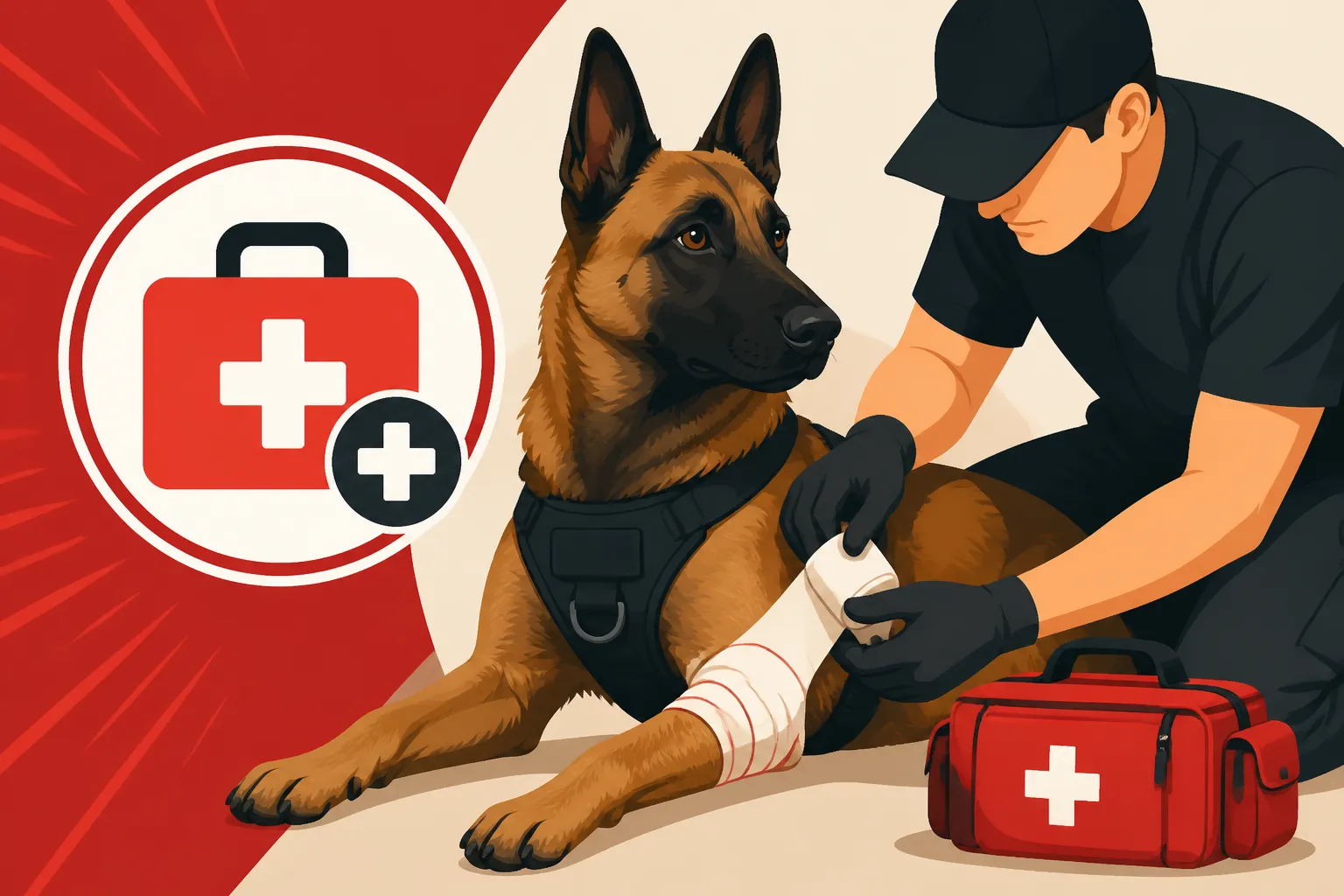
- Support Limbs: If you suspect a fracture or severe sprain in a limb, try to keep it as still as possible. You can gently wrap the limb with a towel or use a rolled newspaper/magazine as a temporary splint, securing it with tape or vet wrap, ensuring it's not too tight. The goal is to prevent further movement and damage during transport.
- Prevent Further Injury: If your dog is in severe pain, disoriented, or prone to thrashing, try to keep them confined in a crate or a small, enclosed space. Lift and carry them carefully, supporting their weight evenly, especially if a spinal injury is suspected. A blanket or towel can be used as a makeshift stretcher if they are unable to walk. Your top priority is getting them to veterinary care as quickly and safely as possible.
Remember, this is about immediate first aid to prevent worsening the situation, not a substitute for professional veterinary attention.
Navigating the Emergency Vet Visit
The moment you realize your Malinois needs urgent care, a flurry of questions and anxieties can hit you. Finding the right veterinary emergency clinic and knowing what to communicate are crucial steps in ensuring your dog receives the best possible treatment. This is where your preparedness truly pays off.
Choosing the Right Emergency Clinic
Not all emergency veterinary clinics are created equal, especially when dealing with a high-drive, potentially stressed, and injured Belgian Malinois. Ideally, you want a clinic that is well-staffed, has advanced diagnostic equipment, and is experienced with working breeds.
- Staff Experience: Look for a clinic with veterinarians and technicians who are comfortable handling strong, intense dogs. A Malinois isn't always easy to manage when in pain, and a team that understands their unique temperament can make a huge difference in reducing stress for both you and your dog.
- Diagnostic Capabilities: Time is often of the essence. Does the clinic have on-site digital X-ray, ultrasound, and blood testing capabilities? This can expedite diagnosis and treatment, rather than having to transport your dog elsewhere for imaging.
- Communication: A good emergency clinic will keep you informed every step of the way, explaining procedures, potential prognoses, and cost estimates. Don't be afraid to ask questions. You are your dog's advocate.
- Location and Availability: Know where your nearest 24/7 emergency veterinary hospital is before an emergency strikes. Have their number saved in your phone and know the fastest route. This foresight can save precious minutes.
What to Tell the Vet Before a Malinois Is Sedated
When you arrive at the emergency clinic, a clear and concise history is invaluable for the veterinary team. They need to know everything to provide the best care, especially if your dog needs sedation or anesthesia. Here’s what to prepare:
- How the Injury Occurred: Be as specific as possible. Was it a jump, a hard bite, a sudden stop? "He was running full speed and yelped when he planted his front paw," is more helpful than "He just started limping."
- Observed Symptoms: Detail what you saw: lameness, swelling, bleeding, neurological signs, changes in demeanor. Mention if he tried to work through it or immediately stopped.
- Medical History: Provide any known medical conditions, allergies, or medications your Malinois is currently on. If he has a history of seizures, even if mild, that's critical information. You might even have recent bloodwork results from a routine check-up that could be useful. This is also the time to mention if your Malinois has ever had a bad reaction to previous sedatives or anesthesia. For a deeper dive into pre-anesthetic considerations, check out our guide on What to Tell a Vet Before a Malinois Is Sedated.
- Behavioral Tendencies: Let the staff know about your Malinois's temperament, especially when in pain or stressed. Are they muzzle-trained? Do they have a bite history (even if only when scared)? Are they reactive to strangers or other dogs? This helps the staff handle them safely and effectively.
- Concerns About Sedation: Given their lean body mass and high metabolism, Malinois can sometimes react differently to anesthesia protocols for a lean Belgian Malinois. Express any concerns you have, and discuss the specific drugs and monitoring plans with the vet.
Understanding Diagnostic Procedures
Once the vet has examined your Malinois, they'll likely recommend diagnostic tests to pinpoint the injury.
- Radiographs (X-rays): These are essential for identifying fractures, dislocations, and some types of joint disease. They can also reveal foreign objects. Sedation might be necessary to get clear, pain-free images, especially for a dog in significant discomfort.
- Ultrasound: This imaging technique is excellent for soft tissue structures like tendons, ligaments, and internal organs. If the vet suspects a muscle strain in a Belgian Malinois, a ruptured ligament, or internal bleeding, an ultrasound can provide crucial information. It can also be used to check for conditions like The Bleeding Tumor That Kills an Older Malinois, which can cause sudden collapse.
- Bloodwork: Pre-anesthetic bloodwork on a Belgian Malinois is standard before any sedation or surgery to check organ function and blood clotting abilities. If there's suspicion of internal injury or systemic illness, additional blood tests may be run.
- MRI/CT Scan: For more complex injuries involving the spine, brain, or subtle soft tissue damage, an MRI or CT scan may be recommended. These provide much more detailed images but are also more costly and require general anesthesia. The price of imaging a Malinois's neck and spine, for example, can be substantial, but often necessary for proper diagnosis.
Common Training Injuries and Their Initial Treatment
Belgian Malinois, with their incredible athleticism, are unfortunately prone to a range of injuries during their demanding training routines. Knowing the signs and initial steps for common issues can help you react appropriately.
Soft Tissue Injuries: Sprains, Strains, and Bruises
These are perhaps the most common training injuries, often occurring during rapid movements, awkward landings, or sudden changes in direction.
- Sprains: These involve the stretching or tearing of ligaments, which connect bones to each other and stabilize joints. A common example is a sprain of the carpal (wrist) or tarsal (ankle) joint, or even a shoulder injury from decoy work. Symptoms include lameness, swelling, pain when touching the joint, and reluctance to bear weight.
- Strains: These involve muscles or tendons (which connect muscle to bone). A pulled hamstring or quadricep is a classic example. You might notice a sudden yelp, lameness, pain on palpation of the muscle, and sometimes swelling or bruising.
- Bruises (Contusions): These happen when capillaries under the skin rupture due to impact, leading to discoloration, swelling, and pain. While often less severe, significant bruising can indicate underlying deeper tissue damage.
Initial Care: The immediate treatment for soft tissue injuries often follows the RICE principle (Rest, Ice, Compression, Elevation), though compression and elevation can be tricky with dogs. Rest is paramount – restrict activity immediately. Apply ice packs (wrapped in a towel to prevent frostbite) to the affected area for 15-20 minutes, several times a day for the first 24-48 hours, to reduce swelling and pain. Pain management is crucial, and your vet will likely prescribe NSAIDs (non-steroidal anti-inflammatory drugs) or other pain relievers. The vet may also suggest anti-inflammatory injections in the immediate aftermath to help reduce swelling and pain, such as something like Rimadyl or similar options.
Fractures and Dislocations
These are more severe injuries requiring immediate veterinary intervention.
- Fractures: A broken bone can occur from a high-impact event, like a bad jump landing or being hit by a car. Symptoms include severe lameness, an inability to bear weight, swelling, intense pain, and often a visible deformity or unnatural angle of the limb. If it's an open fracture (bone protruding through the skin), there's a high risk of infection.
- Dislocations: This is when the bones at a joint are forced out of alignment, such as a dislocated hip or elbow. Symptoms are similar to fractures – severe pain, obvious deformity, and inability to use the limb.
Initial Actions: For both fractures and dislocations, the most important immediate action is stabilization. Do not attempt to reset a bone or put a dislocated joint back in place yourself. You can cause further damage. Gently support the limb and transport your Malinois to the vet immediately. The vet will likely take X-rays to confirm the diagnosis and determine the best course of treatment, which often involves surgical repair or casting for fractures, and manipulation under sedation or surgery for dislocations. Recovery can be lengthy, requiring strict rest and often physical therapy. Our guide on Rehabbing a Belgian Malinois After Knee Surgery offers some insights into rehabilitation principles that apply to other severe limb injuries as well.
Pad Injuries and Torn Nails
Foot injuries, while sometimes overlooked, can be incredibly painful and debilitating for a working Malinois.
- Pad Injuries on a Belgian Malinois in Training: Whether from sharp objects, abrasive surfaces, or simply overworking, paw pads can suffer cuts, abrasions, punctures, or even torn pads. These are incredibly painful because pads are highly innervated. Symptoms include limping, licking the paw excessively, and visible damage to the pad.
- Torn Nails on a Malinois Working Hard Surfaces: This common injury occurs when a nail gets caught and tears, often right down to the quick, which is very painful and bleeds profusely. It can happen on rough terrain, in fencing, or even from vigorous play.
Immediate Care: For pad injuries, thoroughly clean the wound with mild soap and water (or antiseptic solution if available), remove any foreign objects, and apply a clean bandage. For torn nails, control the bleeding with direct pressure (cornstarch or styptic powder can help), and then loosely bandage the paw. In both cases, veterinary attention is necessary. The vet will clean and disinfect the wound thoroughly, remove any damaged nail, and may prescribe antibiotics to prevent infection and pain medication. They might even need to sedate your Malinois to properly clean and treat the wound without causing further distress. Keeping the paw clean and bandaged, with regular changes, will be key to recovery.
The Bleeding Tumor That Kills an Older Malinois
While not a direct training injury, it's vital to discuss sudden collapse in older working Malinois, as it can be confused with an injury from overexertion. A condition like The Bleeding Tumor That Kills an Older Malinois, typically hemangiosarcoma, can rupture internally, leading to acute weakness, collapse, pale gums, and a distended abdomen. This is a life-threatening emergency. If your older Malinois suddenly collapses during or after a training session, showing these signs, it's a medical emergency that needs immediate veterinary attention. Don't assume it's "just" an injury; consider all possibilities, especially with an aging dog.
Financial Preparedness for Emergency Care
Let's talk about the elephant in the room: the cost. Emergency veterinary care, especially for a large, active breed like a Belgian Malinois, can be incredibly expensive. It's a harsh reality, but being financially prepared can alleviate immense stress during an already difficult time, allowing you to focus on your dog's recovery rather than scrambling for funds.
The Vet Bills a Bite Sport Belgian Malinois Runs Up
The truth is, high-drive working dogs, particularly those in sports like IGP or Ring, have a higher risk profile for injuries simply due to the intense physical demands of their jobs. When an emergency strikes, the costs can escalate quickly. A simple visit for a severe muscle strain could involve an emergency consultation fee, X-rays, pain medications, anti-inflammatories, and follow-up visits. This can easily run into hundreds, if not a few thousand, dollars.
For more serious injuries, like a torn cruciate ligament (a common issue in jumping dogs), the price for cruciate surgery prices for a Belgian Malinois can be staggering, often ranging into the high thousands for diagnostics, surgery, anesthesia, hospitalization, and post-operative care. If your Malinois chips a tooth from a hard bite on a sleeve, the cost of repairing a Malinois's broken canine, or even a root canal or titanium crown for a working Malinois's teeth, is not insignificant. These are the kinds of expenses that can blindside even the most diligent owner. Being prepared for these realities, knowing that these costs are part and parcel of owning and working such an intense animal, is crucial. For a comprehensive look at these expenses, refer to our article on The Vet Bills a Bite Sport Belgian Malinois Runs Up.
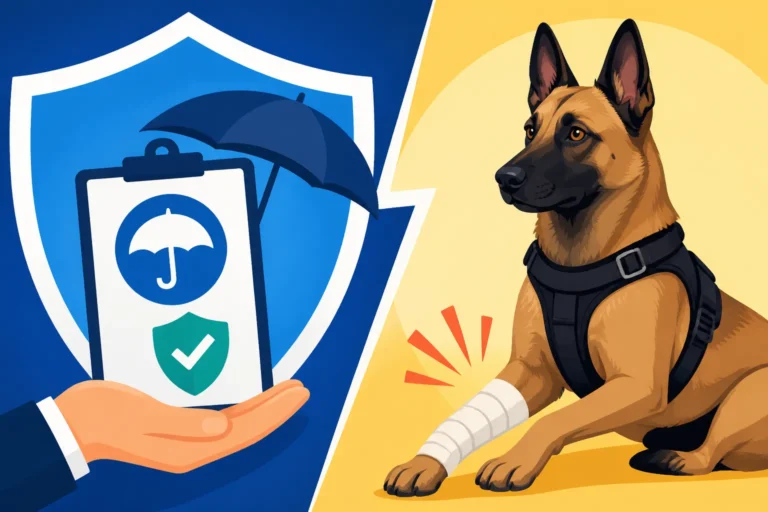
Pet Insurance for Working Dogs
This is where pet insurance can be a literal lifesaver. While it's another monthly expense, it can provide invaluable peace of mind when an emergency strikes.
- Coverage: Most pet insurance plans, like those offered by Healthy Paws, cover accidents and illnesses, which would include most training injuries. Some plans might even cover rehabilitation therapy, which is essential for a full recovery after a significant injury. However, be aware of waiting periods before coverage kicks in and any exclusions for pre-existing conditions.
- Deductibles and Reimbursement: Understand how deductibles work (the amount you pay before insurance starts covering) and the reimbursement percentage (how much the insurance company pays back). Some plans offer higher reimbursement percentages for a higher monthly premium.
- Working Dog Considerations: Some insurance providers may have specific clauses or higher premiums for working dogs, especially those involved in high-risk activities like protection sports. Be upfront with the insurer about your Malinois's activities to ensure full coverage. It's important to ask specific questions about what a Malinois owner should bank each month to cover potential gaps between insurance reimbursement and actual costs.
While insurance may not cover everything, it can significantly reduce your out-of-pocket expenses for major incidents. It's worth researching different providers and plans to find one that fits your budget and your Malinois's lifestyle.
Emergency Funds and Credit Options
Even with pet insurance, it's wise to have an emergency fund specifically for your dog. This fund can cover deductibles, non-covered expenses, or unexpected costs that arise.
- Dedicated Savings: Set aside a small amount each month into a separate savings account. Over time, this can grow into a substantial safety net for veterinary emergencies. Think of it as investing in your dog's future health.
- Veterinary Credit Lines: Many veterinary offices work with third-party financing options like CareCredit, which offers special financing plans that can help manage large, unexpected veterinary bills. These can be interest-free for a certain period if paid off on time. Having a pre-approved line of credit can provide immediate access to funds without the stress of an urgent loan application. To understand more about financial strategies for unexpected costs, you might find our guide on The Credit Line a Belgian Malinois Owner Should Have helpful.
- Family/Friends: In truly dire situations, don't be afraid to reach out to trusted family or friends for support. Your dog's well-being is paramount, and sometimes a community can rally around to help.
The goal isn't just to have a Malinois; it's to be able to care for them throughout their life, especially when unexpected emergencies occur. Financial preparedness is a huge part of being a responsible working dog owner.
Post-Injury Care and Rehabilitation
Getting through the immediate emergency is only the first hurdle. The journey to full recovery for a high-drive Belgian Malinois can be long and challenging, requiring dedication, patience, and a well-structured rehabilitation plan. It's not just about physical healing, but also maintaining their mental well-being when their usual outlets are restricted.
Managing Recovery and Medication
Once your Malinois is home, diligent post-operative or post-injury care is paramount. This will involve administering medications, monitoring the injury site, and strictly adhering to activity restrictions.
- Medication Adherence: Your vet will likely prescribe a regimen of pain medication, anti-inflammatories, and possibly antibiotics. Follow these instructions precisely. Missing doses or stopping medication prematurely can hinder healing, cause discomfort, or lead to complications. If your Malinois is also on medication for other conditions, such as managing an epileptic Belgian Malinois on medication, ensure you discuss any potential interactions with your vet.
- Wound Care and Monitoring: Keep surgical incisions or wound sites clean and dry. Watch for signs of infection like redness, swelling, discharge, or foul odor. Prevent your Malinois from licking or chewing at the site, which often means using an Elizabethan collar (the dreaded "cone of shame") or a recovery suit.
- Activity Restriction: This is often the hardest part for a Malinois owner. A high-energy dog placed on strict crate rest or leash-only outings can become incredibly frustrated. However, allowing too much activity too soon can re-injure the area, setting back recovery significantly. The vet's instructions for restricted activity, often involving leash walks only for bathroom breaks, will be specific and must be followed. This is where building a Malinois's place command and a solid "down-stay" can be incredibly beneficial.
It's a balance: you want your Malinois to heal, but you also need to manage their intense mental drive. Providing mental enrichment through puzzle toys, sniff work, or gentle training sessions within their physical limitations can help keep them sane during recovery.
Rehabbing a Belgian Malinois After Knee Surgery
For significant orthopedic injuries, like a torn cruciate ligament or a severe fracture, rehabilitation is not just recommended, it's often critical for achieving the best long-term outcome.
- Physical Therapy: Professional physical therapy can significantly accelerate recovery, restore range of motion, build strength, and improve proprioception (awareness of body position). This might include modalities like underwater treadmill therapy, therapeutic exercises, massage, laser therapy, and electrical stimulation. Many vets recommend starting physical therapy early in the recovery process. Our in-depth article on Rehabbing a Belgian Malinois After Knee Surgery provides a lot of detail on what this process entails and its benefits.
- Gradual Return to Activity: This must be a slow, carefully managed process, guided by your veterinarian and physical therapist. It's not a race to get back to bite work or agility. The return to full activity might take weeks or even months, gradually increasing duration and intensity. Jumping or high-impact activities are usually restricted for a long time.
- Weight Management: Keeping your Malinois at a healthy, lean weight is crucial during recovery, as extra pounds put undue stress on healing joints and tissues. This might mean adjusting their food intake, potentially exploring options from brands like Ollie or Chewy that offer specific prescription diets for recovery, or simply measuring their performance kibble more carefully.
Long-Term Recovery and Prevention
Even after your Malinois appears fully recovered, it's important to think about long-term management and prevention.
- Continued Monitoring: Keep a watchful eye for any subtle signs of recurring pain or lameness, especially when returning to higher impact activities. Regular check-ups with your vet can help catch issues early.
- Conditioning and Warm-ups: Implement a rigorous conditioning program to build strength and resilience, and always ensure a proper warm-up before intense training sessions and a cool-down afterward. This includes dynamic stretches and light cardio before heavy work.
- Environmental Adjustments: Evaluate your training surfaces. Are they too hard, too slippery, or too uneven? Could changing surfaces or adding protective gear (like boots for rough terrain) reduce risk?
- Supplements: Discuss with your vet whether joint supplements for a working Belgian Malinois or other supportive nutrients might be beneficial in the long term, especially for joints that have undergone surgery or significant trauma.
- Listen to Your Dog: The most important prevention strategy is to truly listen to your Malinois. Learn their subtle cues for fatigue, discomfort, or stress. If they seem off, take a break. Push days are important, but so are rest and recovery days. Recognizing signs a Belgian Malinois is slowing down or showing slight changes in their movement is key to proactive management and avoiding future injuries.
Disclaimer
This article is for general informational purposes only and does not constitute professional advice. Laws, prices and regulations vary by location and change over time. Consult a qualified professional for guidance on your specific situation.