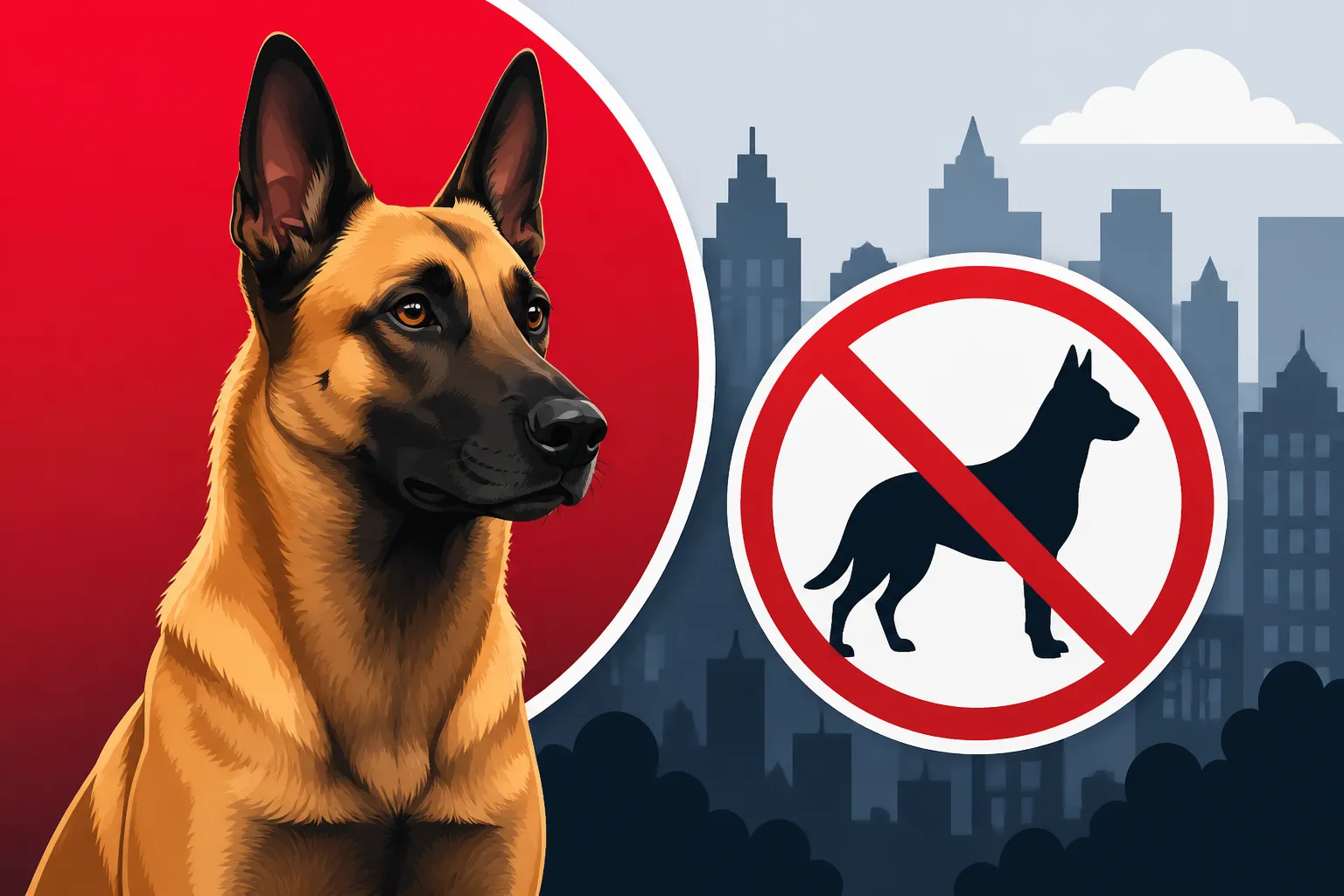
Cities That Restrict a Belgian Malinois
It’s incredibly frustrating when you’re a dedicated Belgian Malinois owner, deeply committed to your dog’s training and well-being, only to discover that your beloved companion is viewed with suspicion or even outright banned in certain areas. This isn't just about finding a home; it's about navigating a world that often misunderstands these incredible dogs. This guide will explore the reality of breed-specific legislation and other restrictions that can impact Belgian Malinois owners, helping you understand what to look for and how to advocate for your dog.
Understanding Breed-Specific Legislation BSL and Its Impact on Malinois Owners
For many years now, certain dog breeds have faced discrimination purely based on their appearance or a misguided public perception. This issue, known as Breed-Specific Legislation (BSL), isn't about individual dog behavior or a specific bite incident; it's a blanket rule targeting entire breeds or types of dogs. As a Malinois owner, you might be thinking, "My dog is a highly trained, well-socialized member of my family, why would they be banned?" And that's exactly the heart of the frustration.
What is BSL and Why Does It Target Certain Breeds?
Breed-Specific Legislation refers to laws enacted by municipalities, counties, or even states that prohibit or regulate the ownership of specific dog breeds. These laws often stem from a desire to enhance public safety, usually in response to a serious dog bite incident or a general increase in reported incidents involving certain breeds. However, critics argue that BSL is largely ineffective because it punishes responsible owners and fails to address the true root causes of aggression, such as poor breeding practices, lack of training, neglect, or abuse. It’s an approach that focuses on the type of dog rather than the behavior of an individual animal or the responsibility of its owner.
Beyond Belgian Malinois, BSL commonly targets breeds often labeled as "dangerous," such as Pit Bull Terriers, Rottweilers, Doberman Pinschers, and sometimes even German Shepherds. The rationale usually involves perceived strength, bite force, or a breed's historical use in protection or fighting, even if those uses are far removed from the average pet's life. It’s a sad reality that these broad strokes often lead to perfectly good dogs and their devoted owners being penalized.
How Malinois Get Caught in the Crosshairs of BSL
The Belgian Malinois, with its striking appearance, intense focus, and undeniable drive, often gets painted with a brush meant for other breeds or misunderstood as inherently dangerous. Their impressive capabilities in police, military, and protection sports—which we so admire—can be misinterpreted by the general public and lawmakers as signs of aggression rather than highly specialized training and genetic predisposition for work. People see a Malinois on a K9 unit or performing bite work and fail to understand the immense control and training involved. They just see a "powerful dog."
Often, Malinois are mistakenly lumped into categories like "shepherd-type dogs" or "dogs resembling wolves," especially by those who aren't familiar with the nuances of dog breeds. Their lean, athletic build and often intense gaze can lead to snap judgments. Incidents involving poorly managed or untrained Malinois, while rare when compared to the breed's prevalence, can unfortunately grab headlines and fuel the demand for restrictive legislation. It’s a constant uphill battle to educate people about the breed's true nature: intelligent, demanding, and incredibly loyal, but not inherently vicious.
Navigating the Legal Landscape of Malinois Restrictions
As a Malinois owner, or someone considering getting one, understanding the potential legal hurdles is paramount. It’s not just about what you can do, but what you must do, or what might be completely off-limits, depending on where you live or plan to move. These rules can be incredibly granular, varying significantly from one town line to the next.
Types of Restrictions You Might Encounter
Breed-Specific Legislation isn't a one-size-fits-all situation. The restrictions can range from inconvenient to absolutely prohibitive. Here’s a breakdown of what you might encounter:
- Outright Bans: This is the most severe form of BSL, where ownership of a Belgian Malinois is completely forbidden within city or county limits. If you already own one, you might be forced to move or surrender your dog, which is a heartbreaking scenario no owner ever wants to face.
- Mandatory Muzzling: Some jurisdictions require certain breeds, including Malinois, to be muzzled whenever they are in public spaces, regardless of their temperament or training. This is a common restriction that can impact socialization and public perception.
- Enhanced Containment Requirements: You might be required to have specific types of fencing or kennel setups that exceed typical regulations. This often means secure, unscalable fences of a certain height, sometimes with concrete footings to prevent digging out. Ensuring a Malinois cannot escape is vital for everyone's safety, and these regulations formalize what many responsible owners already prioritize. Fencing That a Belgian Malinois Cannot Clear is a good example of what might be required.
- Increased Liability Insurance: Owners may be mandated to carry a special liability insurance policy, often with higher coverage limits, specifically for their Malinois. This is distinct from regular pet health insurance, which covers vet bills (like Healthy Paws might offer for medical emergencies). This extra liability coverage is designed to protect third parties in the event of a bite or incident. Liability Insurance for a Belgian Malinois Owner is a critical read if you face this.
- Special Permit Systems: Some areas require owners of restricted breeds to obtain a special permit or license. This often involves an application process, fees, proof of spay/neuter, microchipping, and sometimes even home inspections or temperament evaluations of the dog.
- Public Access Restrictions: Your Malinois might be prohibited from certain public parks, dog parks, or even walking paths, even if leashed. This can severely limit exercise and socialization opportunities.
- Signage Requirements: You might be required to display "Beware of Dog" signs or similar warnings on your property. While this seems innocuous, it can contribute to the perception of your dog as dangerous.
These varied restrictions highlight why due diligence is so crucial. A table might help clarify:
| Type of Restriction | Description | Impact on Malinois Owners |
|---|---|---|
| Outright Ban | Prohibits ownership of Malinois within city/county limits. | Cannot live in that area with a Malinois; forced relocation or surrender. |
| Mandatory Muzzling | Requires Malinois to wear a muzzle in public. | Limits public outings, impacts socialization, reinforces negative stereotypes. |
| Enhanced Containment | Specific fence heights, double gates, locked kennels required. | Significant investment in secure infrastructure; Building a Run a Malinois Cannot Escape is essential. |
| Liability Insurance | Mandates special insurance policies beyond standard homeowner's. | Increased cost of ownership; vital for protection against potential legal issues. |
| Permit/Licensing | Special application, fees, proof of spay/neuter, inspections. | Administrative burden, ongoing compliance checks. |
| Public Access Limits | Restricted from certain parks, trails, or public spaces. | Reduces exercise options, impacts quality of life for an active breed. |
| Warning Signage | Requires "Beware of Dog" or similar signs on property. | Contributes to perception of dog as dangerous, even if well-behaved. |
Finding Information on Breed Restrictions in Your Area
The most maddening part of BSL is its patchwork nature. What's perfectly fine in one town can be illegal in the next, even if they share a border. It's like a legal minefield, and you need to be extremely proactive in your research.
First and foremost, never assume. Always do your homework. Start by checking the municipal code or county ordinances for the specific area you live in, or are considering moving to. Many cities have these readily available online. Look for sections related to animal control, dangerous dogs, or specific breed regulations. Don't just search for "Belgian Malinois"; also look for broader terms like "shepherd breeds" or "large working dogs," as your Malinois might fall under a more general umbrella.
Another crucial step is to contact your local animal control department directly. They are the ones who enforce these laws, so they'll have the most accurate and up-to-date information. While you're at it, contacting your homeowner's insurance provider is a must. Many insurers have their own list of restricted breeds that can affect your policy, regardless of local laws. Homeowners Policies and the Belgian Malinois details this further. If you're renting, your landlord or HOA rules can be even more restrictive than city ordinances, so make those inquiries early. Real estate agents in areas with BSL are often aware of the restrictions, but don't rely solely on them—verify everything yourself.
Strategies for Malinois Owners in Restricted Areas and Beyond
Living with a Belgian Malinois, especially in an area with breed-specific concerns, requires a proactive and dedicated approach. It's not just about complying with laws; it's about setting your dog up for success and being an ambassador for the breed. The reputation of your Malinois often falls squarely on your shoulders, and responsible ownership is the best defense against breed discrimination.
Proactive Steps for Responsible Ownership
The best way to combat negative perceptions and navigate restrictions is through unwavering commitment to responsible ownership. This starts from day one, often even before your puppy comes home.
- Early, Consistent Training and Socialization: This is non-negotiable for a Malinois. They are incredibly intelligent and capable, but without proper guidance, their intensity can become problematic. Start training the moment your puppy arrives, focusing on basic obedience, impulse control, and polite public manners. The Age a Belgian Malinois Puppy Starts Training is a good place to start. Exposure to various sights, sounds, people, and appropriate dogs in a controlled, positive manner is crucial for building a confident, well-adjusted adult dog.
- High-Level Containment: Given their athleticism and problem-solving skills, a Malinois needs a secure physical perimeter. This means sturdy, tall fencing that they can't jump or dig under. Inside, a well-sized, durable crate can be a lifesaver for management and safety. Companies like Chewy offer a range of heavy-duty crates and kennels designed for stronger dogs that can be a good investment. Think about it: if your dog can get out, that's an incident waiting to happen, which only feeds into BSL arguments. Crates, Kennels and Heat Alarms for a Belgian Malinois covers this in detail.
- Ample Exercise and Mental Stimulation: An under-exercised or bored Malinois is a destructive Malinois. They are not dogs that are satisfied with a stroll around the block. They need a job, whether it's competitive sport, advanced obedience, scent work, or vigorous play sessions. Puzzle toys, training sessions, and long, structured walks or runs can help meet their immense needs. Remember, Two Hours and a Job a Belgian Malinois Demands Daily isn't an exaggeration. A tired Malinois is a good Malinois.
- Maintaining Health and Wellness: A healthy dog is a happier dog, and health issues can sometimes lead to behavioral changes. Regular vet check-ups are essential, and feeding a high-quality diet, perhaps from a brand like Ollie with fresh, nutrient-dense options, can contribute to overall well-being. Good nutrition supports their high energy levels and helps maintain their lean, athletic condition.
Advocacy and Education for the Breed
Beyond your own personal efforts, actively participating in advocacy and education can make a difference in the broader fight against BSL.
- Join Breed Clubs and Advocacy Groups: Organizations dedicated to the Belgian Malinois often work to educate the public and lobby against discriminatory legislation. Joining these groups gives you a voice and connects you with a network of experienced owners and trainers. The American Belgian Malinois Club (ABMC) is one such organization that promotes responsible ownership and provides resources.
- Educate Others About the Malinois: Be a positive ambassador for your dog. When people ask about your Malinois, share information about their intelligence, loyalty, and the dedication required for their training. Explain that they are working dogs who thrive with a purpose, not simply "aggressive" animals. Highlighting the joy and fulfillment they bring can slowly chip away at misconceptions.
- Promote Responsible Ownership: Encourage potential Malinois owners to thoroughly research the breed and understand its demands. Many Malinois end up in shelters or rescues because owners weren't prepared for their intensity. Sharing resources like Why a Belgian Malinois Is the Wrong First Dog can help ensure dogs go to appropriate homes, reducing incidents that fuel BSL. The goal is to show that breed issues are often owner issues.
Living with a Malinois in a World of Misconceptions
Being a Malinois owner often means dealing with a level of scrutiny and misunderstanding that other dog owners don't face. It can be exhausting, but building a strong support system and planning for various eventualities can make a huge difference in managing these challenges.
The Importance of a Strong Support System
You don't have to navigate the world of Malinois ownership alone. A strong network of informed individuals is invaluable.
- Finding Malinois-Experienced Professionals: Seek out veterinarians, trainers, and pet sitters who have experience with high-drive working breeds. A vet who understands the Malinois temperament and health predispositions (like their lean build needing specific anesthesia protocols) will be a better partner in your dog's care. Similarly, finding a trainer who truly understands the breed's drive, rather than just basic obedience, is critical. This could be someone at a club you join for sport work, which also offers a community of like-minded individuals. The Twenty Five Thousand Dollar Trained Belgian Malinois speaks to the investment in high-level training, and a good trainer is worth every penny.
- Connecting with Local Breed Enthusiasts: Online forums and local breed clubs are excellent resources. These communities offer advice, share experiences, and can provide a sense of belonging when you feel isolated by misconceptions. They can also be a lifeline if you ever need temporary care for your dog.
- Having Emergency Plans in Place: Life happens. What if you're hospitalized? What if you need to travel unexpectedly? Having a clear plan for your Malinois's care, including trusted friends or family members who understand the breed and are willing to help, is crucial. Boarding kennels, if you can find one that accepts Malinois, might require extra documentation or proof of training.
Practical Considerations for Travel and Relocation
Thinking about moving or even just taking a vacation with your Malinois requires careful planning when breed restrictions are a factor.
- The Challenges of Moving to a New City with BSL: If you're considering relocating, BSL must be one of the very first things you research. Imagine finding your dream job or home, only to discover you can't bring your dog. It's a deal-breaker for many Malinois owners. Research every potential city and county thoroughly, checking for bans, restrictions, and insurance implications.
- Researching Destinations for Vacations: Even for short trips, you need to know if the hotels, campgrounds, or rental properties you choose have breed restrictions. A quick search for "pet-friendly" isn't enough; you need to confirm they are "Malinois-friendly." This might mean calling ahead, explaining your dog's breed, and even offering references or proof of training.
- Planning Ahead for Housing and Insurance: Always be transparent about your Malinois when applying for housing or insurance. While it might sometimes make things harder, honesty upfront prevents major issues down the line. Many landlords and insurance companies are more amenable if you can demonstrate responsible ownership, provide training certificates, or show proof of participation in canine sports. Understanding What Pet Insurance Runs on a Working Malinois can help you budget for the medical side, but remember that liability is a separate, vital consideration.
Navigating the world with a Belgian Malinois can be a journey filled with incredible joy, but also unique challenges due to misconceptions and breed-specific legislation. By being informed, proactive, and a passionate advocate for your dog, you can help change perceptions and ensure a happy, fulfilling life for your remarkable companion.
Disclaimer
This article is for general informational purposes only and does not constitute professional advice. Laws, prices and regulations vary by location and change over time. Consult a qualified professional for guidance on your specific situation.