Homeowners Policies and the Belgian Malinois
The moment you decide to bring a Belgian Malinois into your home, you're signing up for an incredible adventure, but also a unique set of challenges—and one of the most frustrating can be navigating the world of homeowners insurance. Many owners find themselves in a bind, struggling to secure or maintain coverage simply because of their dog's breed, leaving them vulnerable to significant financial risk. This comprehensive guide will walk you through why Malinois present an insurance hurdle, what options are available, and how to proactively protect yourself.
Why Belgian Malinois Pose an Insurance Challenge
It's a bitter pill to swallow for those of us who know and love these intelligent, driven dogs, but the reality is that the Belgian Malinois, along with several other breeds, often appears on "dangerous dog breed" lists compiled by insurance companies. This isn't usually a judgment on your individual dog's temperament, but rather a cold, hard actuarial calculation based on statistics.
The Perception of Risk
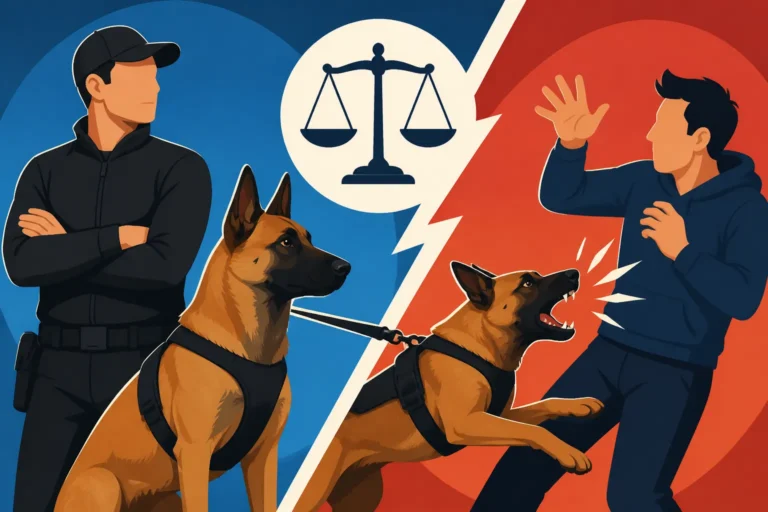
Insurance companies are in the business of assessing and mitigating risk. When they look at breeds like the Belgian Malinois, they see a dog often employed in police, military, and protection work, known for its intense prey drive, powerful bite, and protective instincts. While these traits make them exceptional working dogs, they also, unfortunately, contribute to a perception of higher liability risk from an insurer's standpoint. It doesn't matter that your Malinois is a sweet, well-trained family member; the breed's general reputation, often fueled by sensational media reports or statistics on dog bites, can precede them.
This perception leads to insurers believing there's a greater chance of a claim involving a bite or injury caused by the dog. Even if such an incident is incredibly rare for a responsible owner, the potential severity of a bite from a powerful dog like a Malinois translates into a higher potential payout for the insurance company. They're weighing the possibility of serious injury, medical bills, and potential lawsuits, and they often choose to err on the side of caution. It's a frustrating situation for diligent owners, who know their dog is a far cry from the media stereotype.
Impact of Bite Statistics
While individual anecdotes about gentle Malinois abound, insurance companies rely on broader data. If a breed is statistically associated with a higher number of bite claims, or claims resulting in more severe injuries, it will likely land on a restricted or prohibited breed list. These statistics are often aggregated nationally, sometimes without distinguishing between well-trained, well-socialized dogs and those that may have been poorly managed or abused. The context of a bite incident—whether provoked, during protection training, or due to neglect—is often lost in the data insurers review.
The financial implications of a dog bite can be staggering. Medical treatments, reconstructive surgeries, lost wages, and pain and suffering can quickly escalate into hundreds of thousands of dollars. When an insurance company looks at their bottom line, they want to avoid these payouts. This is why some companies take a blanket approach, rather than assessing each dog individually, which feels incredibly unfair to us as owners. It often feels like you're being penalized for a breed's potential, not your dog's actual behavior.
Understanding Breed-Specific Restrictions
Navigating the labyrinth of homeowners insurance policies with a Belgian Malinois means understanding the various ways insurers implement breed restrictions. It's not a one-size-fits-all situation, and what one company does, another might handle completely differently.
"Dangerous Dog" Lists and Policy Non-Renewal
Many insurance carriers maintain specific lists of dog breeds they consider "dangerous" or high-risk. If you own a Belgian Malinois, there's a good chance their name will appear on one of these lists. What happens next varies. Some companies will simply refuse to issue a new policy to you if you declare ownership of a restricted breed. If you already have a policy and then acquire a Malinois, they might notify you that your policy will not be renewed at the end of its term. This can be a huge shock and leaves you scrambling to find new coverage, often under a tight deadline.
It's absolutely vital to be upfront with your insurance provider about owning a Malinois. While it might be tempting to "forget" to mention your dog, most policies have clauses that allow the insurer to deny a claim or even retroactively cancel your policy if you've misrepresented important information. Imagine the devastation of a claim being denied because you weren't transparent about your beloved companion. This honesty, though sometimes painful, is your best protection.
Exclusion Clauses and Dog Bite Waivers
Even if an insurer is willing to provide a policy, they might do so with significant caveats. One common approach is to include a specific exclusion clause in your policy related to your Malinois. This clause explicitly states that any liability arising from an incident involving your dog—such as a bite or property damage—will not be covered. Essentially, you'd still have coverage for other aspects of your home (fire, theft, natural disaster), but you would be personally responsible for any costs associated with your dog's actions. This can be a very risky position to be in, as personal assets could be on the line.
Another possibility is a "dog bite waiver," which you might be asked to sign. This document legally affirms that you understand and accept that your policy will not cover any incidents involving your dog. While it might seem like a way to get some coverage, it effectively leaves you uninsured for one of the biggest liability risks of dog ownership. Before signing anything like this, it's crucial to understand the full implications and consider if you're comfortable taking on that level of personal financial exposure.
Finding Homeowners Insurance When You Own a Malinois
It can feel like you're searching for a needle in a haystack, but finding homeowners insurance with a Belgian Malinois is absolutely possible. It often requires more effort, asking the right questions, and being prepared to explore various avenues.
Insurance Carriers That Don't Discriminate by Breed
Believe it or not, some insurance companies are moving away from breed-specific legislation. Instead of focusing on the breed, they assess the individual dog's history and temperament, or simply offer policies without any breed restrictions at all. These companies are often your best bet, as they recognize that responsible ownership and training are far more indicative of risk than breed alone. You might need to do some digging, but they are out there.
When speaking with potential insurers, ask directly about their dog policy. Do they have a restricted breed list? If so, is the Malinois on it? If not, do they require any specific information about your dog, such as a temperament evaluation or proof of training? Be prepared to provide references from trainers or veterinarians who can attest to your dog's good behavior. Sometimes, a strong endorsement from a professional who knows your dog well can make a significant difference. You might also want to look into carriers known for insuring working dog owners, as they tend to be more understanding of high-drive breeds.
Factors That Can Help Your Case
Even with a company that might initially hesitate, certain factors can help strengthen your application and potentially lower your perceived risk. These aren't guarantees, but they certainly improve your chances.
- Proof of Training and Certification: A well-trained Malinois is a more predictable Malinois. Providing documentation of obedience classes, canine good citizen (CGC) certification, or even advanced titles like IGP or French Ring can demonstrate responsible ownership and a dog under control. Showing that your Malinois has successfully completed a Whether IGP Suits a Belgian Malinois program, for instance, speaks volumes about its socialization and your dedication.
- Veterinary Records: Up-to-date vaccination records, regular check-ups, and proof of spaying/neutering (which can sometimes be seen as reducing aggression, though this is debated among experts) can show your commitment to your dog's health and well-being.
- Secure Containment: Demonstrate that your property has secure fencing and containment measures that a high-drive dog like a Malinois cannot easily escape. This includes robust kennels, secure gates, and perhaps even a plan for Fencing That a Belgian Malinois Cannot Clear. Showing you've thought about preventing incidents is a big plus.
- Previous Insurance History: If you've owned Malinois before and had no claims, this can work in your favor.
- Umbrella Policies: Consider adding a personal umbrella policy, which provides additional liability coverage beyond what your homeowners insurance offers. This can sometimes be a workaround if your primary homeowners policy has limits or exclusions, offering an extra layer of protection against major claims.
Alternatives to Traditional Homeowners Insurance
If traditional homeowners insurance with full liability coverage for your Malinois proves elusive, don't despair. There are other avenues you can explore to ensure you're protected. It's about building a robust safety net from different sources.
Standalone Dog Liability Insurance
Some companies specialize in offering standalone dog liability insurance. This type of policy acts as your primary coverage specifically for incidents involving your dog, separate from your homeowners policy. It's an excellent option if your homeowners insurer refuses to cover your Malinois or has an exclusion clause. These policies are designed for situations where a dog bite or other dog-related incident leads to injury or property damage.
This can be a smart move, as it directly addresses the specific risk associated with owning a Malinois. You maintain your homeowners policy for everything else, and this specialized policy steps in for your dog-related liabilities. While it's an additional cost, the peace of mind knowing you're protected from potentially ruinous financial claims is often well worth it. When looking into these policies, make sure you understand the coverage limits, deductibles, and any specific exclusions. Compare providers and read reviews, just as you would for any other insurance.
Umbrella Insurance Policies
We touched on umbrella policies briefly, but they deserve a deeper dive. A personal umbrella policy provides extra liability coverage that kicks in after the limits of your primary policies (like homeowners or auto) are exhausted. If your homeowners insurance only covers up to, say, $300,000 for liability, and you get sued for $1 million due to a dog bite, an umbrella policy could cover the remaining $700,000. It's like a giant safety net for catastrophic liability claims.
For a Malinois owner, an umbrella policy can be invaluable. It offers an additional layer of protection against significant financial loss that could arise from a severe incident involving your dog. Even if your homeowners policy does cover your Malinois, increasing your liability limits with an umbrella policy is a wise decision given the breed's power and potential for serious injury. It's often more affordable than you might think for the amount of coverage it provides. You should always aim to have ample coverage, considering What a Belgian Malinois Bite Costs an Owner.
Self-Insurance and Risk Mitigation
While not a true insurance product, "self-insurance" in this context means setting aside a significant amount of money specifically for potential liability claims related to your dog. This is a high-risk strategy and generally only feasible for those with substantial liquid assets. For most of us, relying solely on self-insurance is not a responsible option, as the costs associated with a severe dog bite can quickly exceed personal savings.
A more practical approach is rigorous risk mitigation. This involves being an exceptionally responsible owner. Consistent, ongoing training is paramount. Enroll your Malinois in advanced obedience, consider Building an Off Switch Into a Belgian Malinois, and focus on perfect recall, especially if you ever take them off-leash. Proper socialization, starting from puppyhood, helps them cope with various environments and strangers. Always use appropriate leashes and harnesses, and consider muzzle training for vet visits or public places where required. Secure your home, preventing escapes, and ensure children and guests know how to interact safely with your dog. Managing an epileptic Belgian Malinois on medication is another example of a situation where you are actively mitigating a health risk that could indirectly lead to behavioral issues. Investing in a healthy diet from a reputable supplier like Chewy or Ollie can contribute to a well-adjusted dog, and regular vet care can catch issues before they escalate.
Consider this table for a quick overview of insurance options:
| Insurance Type | Description | Pros | Cons |
|---|---|---|---|
| Traditional Homeowners | Standard policy covering home and liability, may include dog liability. | Comprehensive coverage for home and general liability. | Frequent breed restrictions, potential for non-renewal or exclusion clauses for Malinois. |
| Homeowners (No Breed Restrictions) | Specific carriers that do not use breed-specific lists. | No breed discrimination, individual assessment (sometimes). | Harder to find, may still require proof of training/temperament. |
| Standalone Dog Liability | Separate policy covering liability specifically for dog-related incidents. | Direct coverage for dog liability, useful if homeowners excludes breeds. | An additional premium, only covers dog-related liability, not home. |
| Personal Umbrella Policy | Extra liability coverage beyond primary policies. | High coverage limits, kicks in after other policies max out. | Requires underlying primary policies, does not replace dog liability if primary excludes it. |
| Self-Insurance (Savings) | Setting aside personal funds for potential claims. | No premiums. | Very high risk, only viable for very wealthy individuals, requires immense discipline. |
Steps to Take Before and After Getting a Malinois
The key to navigating insurance challenges with a Belgian Malinois often lies in proactive planning and diligent action, whether you're bringing a new puppy home or already share your life with one of these incredible dogs.
Research Insurance Early
One of the biggest mistakes prospective Malinois owners make is waiting until after they have their dog to look into insurance. This can leave you in a desperate scramble. Before you even finalize your adoption or purchase, start calling insurance providers. Be completely honest about the breed you intend to get. Ask specific questions: "Do you cover Belgian Malinois? Are there any breed restrictions? What are the liability limits for dog bites?" Don't assume anything. Get quotes and understand the terms.
It’s also wise to check local and state regulations. Some jurisdictions have breed-specific legislation that can affect both insurance and ownership rights. Knowing this upfront can save you a lot of headache down the line. If you're considering a Belgian Malinois puppy, understanding these financial and logistical hurdles is just as important as knowing about The Shark Phase Every Malinois Puppy Goes Through or the intense training they require. Having a clear insurance plan in place is part of being a responsible owner from day one.
Document Everything
Documentation is your best friend when it comes to insurance. Keep meticulous records of everything related to your Malinois, especially anything that speaks to their temperament, training, and health.
- Training Certificates: As mentioned, Canine Good Citizen, obedience titles, or advanced sport certifications are powerful evidence of a well-managed dog.
- Veterinary Records: Regular check-ups, vaccinations, spay/neuter certificates, and any health clearances (like those for The Hip and Elbow Numbers Behind a Malinois Clearance) demonstrate responsible care. A healthy dog is often a happier, less reactive dog.
- Trainer References: Obtain letters or contact information from professional trainers who have worked with your Malinois and can vouch for their behavior and your handling skills.
- Socialization Log: Keep a record of positive socialization experiences – exposure to different people, places, and appropriate interactions with other dogs.
- Temperament Assessments: If your dog has undergone any formal temperament testing, keep the results on file.
This detailed paper trail can be invaluable if you ever need to appeal a non-renewal, apply for a new policy, or, worst-case scenario, defend yourself in a liability claim. It shows that you're a responsible owner who has taken every step to ensure your dog is a well-adjusted member of society. And remember, while Healthy Paws or other pet insurance might cover vet bills, they won't cover third-party liability claims, which is what your homeowners policy is for.
Navigating the Claims Process with a Restricted Breed
Even with the best preparation, accidents can happen. If your Belgian Malinois is involved in an incident that could lead to a liability claim, understanding how to navigate the claims process is critical, especially if your breed is restricted.
Reporting an Incident
If your Malinois is involved in an incident that results in injury to another person or animal, or damage to someone else's property, you must report it to your insurance company promptly. Delaying can complicate your claim or even lead to denial. Be honest and factual in your report, providing all the details you know. Avoid speculating or admitting fault; simply state what occurred.
It's natural to be shaken, but try to remain calm and collect information. Get contact information for all parties involved, including witnesses. Take photos of the scene and any injuries. Seek medical attention for the injured party immediately. This proactive approach not only shows responsibility but also provides valuable evidence for your claim. Even if you have a standalone dog liability policy, you'll follow a similar reporting procedure with that carrier.
What to Expect During the Investigation
Once you report a claim, your insurance company will conduct an investigation. This typically involves speaking with you, the injured party, and any witnesses. They might also review police reports, medical records, and potentially even your dog's history. If your Malinois is on a restricted breed list, be prepared for extra scrutiny. The adjuster will be looking for anything that might justify denying the claim based on policy exclusions or your prior representations.
This is where your meticulous documentation from earlier steps becomes critical. Providing training certificates, vet records, and references can demonstrate that you're a responsible owner and that the incident was an unfortunate accident, rather than a result of negligence or a vicious dog. If your policy has a breed exclusion, your claim for dog-related liability will likely be denied, and you will be on the hook for damages. This is why exploring Liability Insurance for a Belgian Malinois Owner or umbrella policies is so vital. Being denied can be incredibly stressful, but knowing your policy's limitations beforehand helps manage expectations.
Disclaimer
This article is for general informational purposes only and does not constitute professional advice. Laws, prices and regulations vary by location and change over time. Consult a qualified professional for guidance on your specific situation.