What Diagnosing a Malinois’s Seizures Costs
Watching your beloved Belgian Malinois suddenly collapse into a seizure is one of the most terrifying experiences a dog owner can face. The panic, the helplessness, the fear for their life—it's overwhelming. Once the immediate crisis passes, a new wave of anxiety often sets in: the urgent need to find out why this happened, and the dawning realization of the potential costs involved in getting answers. This guide will walk you through the various diagnostic steps for seizures in Malinois, detailing the types of tests, what they aim to uncover, and the financial considerations at each stage, helping you navigate this challenging journey.
The Initial Veterinary Consultation and Emergency Care
When a seizure strikes, your first instinct is to get help, and fast. This immediate response is crucial, but it also marks the beginning of the diagnostic expense. Understanding what these initial steps entail can help you prepare.
First Response and Emergency Vet Visits
A seizure is almost always a veterinary emergency. Whether it's a grand mal seizure with full-body convulsions, or a more subtle focal seizure that manifests as odd behavior or twitching, getting your Malinois to an emergency veterinarian is often the first, necessary step. During an emergency visit, the immediate goal is stabilization. The vet will assess your dog's vital signs, ensure they are not overheating (a common complication of prolonged seizures), and potentially administer anti-seizure medication to stop the episode or prevent another one from occurring. They might also draw blood for immediate basic checks like blood sugar levels, which can sometimes identify simple causes like hypoglycemia.
These emergency visits can be costly due to the after-hours nature of care, the specialized equipment, and the rapid response required. You're paying for immediate medical intervention that could save your Malinois's life, and that often comes with a premium. It's a bill no one wants to see, but the alternative is unthinkable when your high-drive, intensely bonded Malinois is in distress.
Gathering History and Initial Exam Costs
Once your Malinois is stable, or if you've managed to get through a milder event and are making a regular appointment, the next step is a thorough initial examination and history taking. Your veterinarian will ask you detailed questions about the seizure itself – when it happened, how long it lasted, what your Malinois looked like during and after, and if there were any potential triggers. This history is vital for narrowing down potential causes. They'll perform a general physical exam, checking everything from heart and lung sounds to abdominal palpation.
Beyond the basic physical, the vet will often recommend initial diagnostic screenings. This typically includes a complete blood count (CBC) and a biochemistry panel, along with a urinalysis. These fundamental tests can rule out many common non-neurological causes of seizures, such as metabolic imbalances, organ dysfunction, or infections. While these are routine tests, their cumulative cost starts to add up, especially if your initial visit was an emergency one. This is just the groundwork, but it’s a critical part of understanding what might be going on.
Essential Diagnostic Tests: Ruling Out the Obvious
After the initial assessment, your veterinarian will move into more specific diagnostic tests. The goal here is to systematically rule out extracranial (outside the brain) causes for the seizures before considering primary neurological issues. This process can feel lengthy and expensive, but each step provides valuable pieces of the puzzle.
Comprehensive Blood Panels and Urinalysis
Expanding on the initial blood work, a more comprehensive panel delves deeper into your Malinois's internal health. This includes checking liver and kidney function more thoroughly, as issues with these organs can lead to toxins building up in the bloodstream that then affect brain function, triggering seizures. For instance, severe liver disease can cause hepatic encephalopathy, manifesting as neurological signs. The blood work will also evaluate electrolyte levels, as imbalances can affect nerve impulses, and protein levels, which can indicate inflammation or other systemic diseases.
A urinalysis complements the blood work by providing information about kidney function, hydration status, and the presence of infections or metabolic abnormalities that might not be immediately obvious from blood tests alone. These tests are the backbone of ruling out systemic disease and are always among the first recommended. While they don't directly diagnose a brain issue, they are indispensable for ensuring you're not missing a treatable cause originating elsewhere in the body. It's a critical, albeit sometimes frustrating, step on the path to understanding what's happening.
Tick-Borne Disease and Infectious Disease Screening
Given the active, outdoorsy lifestyle many Belgian Malinois lead, especially those involved in Bite Sport Actually Asks of a Belgian Malinois, screening for tick-borne diseases is often a crucial step in diagnosing seizures. Conditions like Lyme disease, Ehrlichiosis, Anaplasmosis, and Rocky Mountain Spotted Fever can all cause a range of neurological symptoms, including seizures, due to inflammation or direct impact on the central nervous system. These diseases are prevalent in many regions and can sometimes present with vague symptoms before a severe neurological event.
Specialized blood tests are available to detect antibodies or DNA from these pathogens. Depending on your geographical location and your Malinois's exposure history, your vet might recommend a single panel testing for multiple diseases or specific tests based on clinical suspicion. Beyond tick-borne illnesses, other infectious agents, like certain viruses or fungi, can also cause seizures, though these are less common. Getting these tests done is vital because if an infection is the root cause, aggressive treatment with appropriate antibiotics or antifungals can often resolve the seizure activity.
Thyroid Function and Other Metabolic Tests
While less common as a direct cause, hypothyroidism—an underactive thyroid gland—can sometimes contribute to or exacerbate seizure activity in dogs. It's not typically the primary cause of idiopathic epilepsy, but a severely underactive thyroid can lead to a cascade of metabolic issues that might lower the seizure threshold. A simple blood test can measure your Malinois's thyroid hormone levels (T4 and TSH). If abnormal, this is a relatively easy condition to manage with daily medication.
Other metabolic conditions, while rare, can also be screened for if initial tests are inconclusive. These might include tests for specific enzyme deficiencies or electrolyte abnormalities beyond the basic panel. Your vet might also consider more specific toxicology screenings if there's any suspicion your Malinois ingested something harmful. The goal is always to cast a wide net initially, methodically eliminating possibilities, to ensure no stone is left unturned before moving to more invasive or expensive neurological diagnostics. Every step, while adding to the overall cost, brings you closer to an accurate diagnosis for your Malinois.
Advanced Imaging: Peering Inside the Brain
Once extracranial causes have been thoroughly ruled out, attention turns to the brain itself. This is where advanced imaging and specialized procedures come into play, offering a glimpse into what might be happening within your Malinois's skull. These tests are often the most expensive but are indispensable for diagnosing structural problems or inflammatory conditions.
The Role of MRI and CT Scans
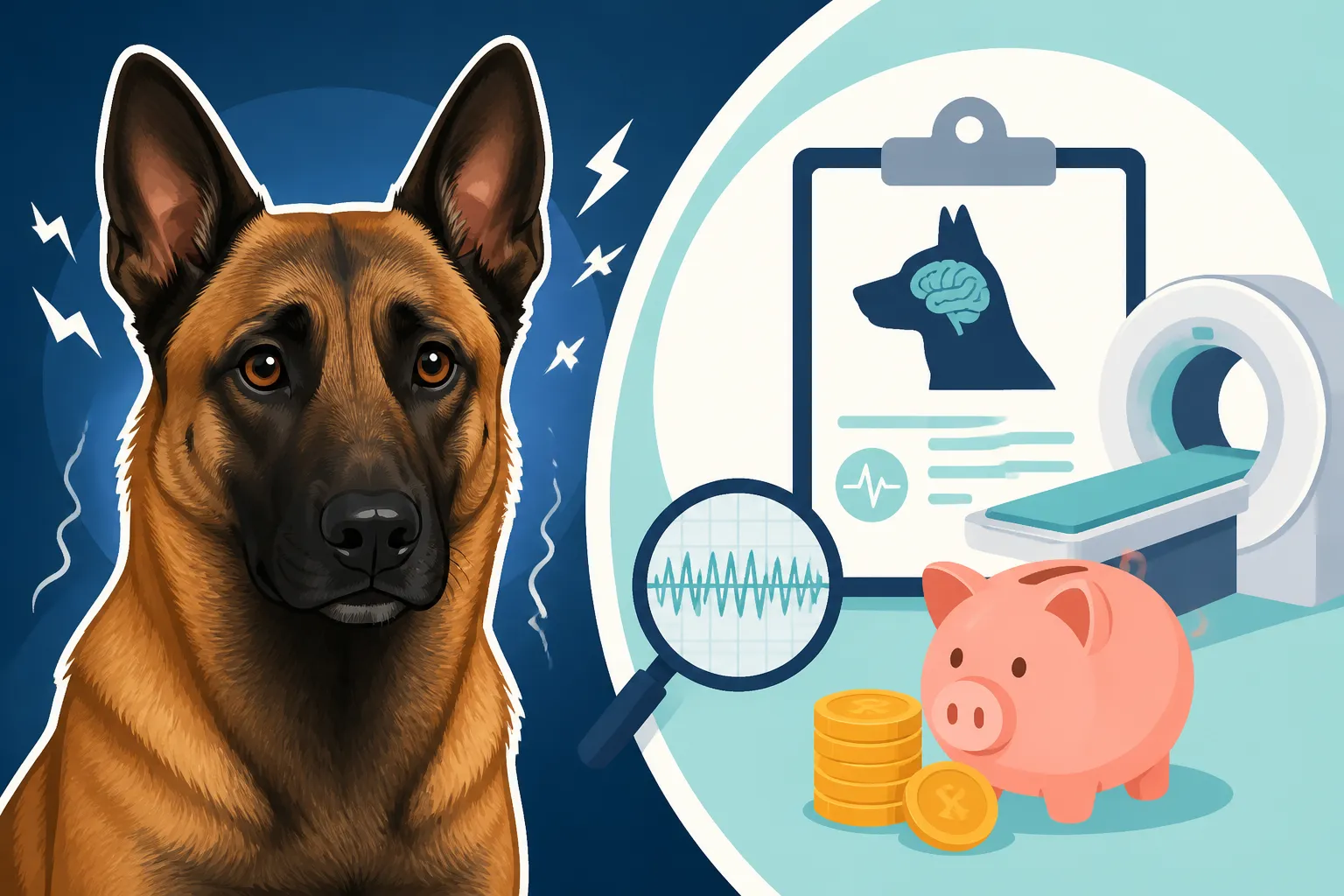
If your Malinois's seizures continue and all other tests come back normal, your veterinarian will likely recommend a referral to a veterinary neurologist for advanced imaging, specifically an MRI (Magnetic Resonance Imaging) or a CT (Computed Tomography) scan of the brain. An MRI is generally considered the gold standard for soft tissue structures like the brain, providing highly detailed images that can reveal tumors, inflammation, stroke, structural abnormalities, or even hydrocephalus (water on the brain). A CT scan is faster and better for bone structures but offers less detail for soft tissues. Many specialists prefer MRI for seizure diagnosis.
For these procedures, your Malinois will need to be under general anesthesia, as remaining perfectly still for the duration of the scan is critical. This adds another layer of cost, including pre-anesthetic bloodwork to ensure your dog is healthy enough for sedation, and the actual anesthesia monitoring. You might want to ask your vet about Anesthesia Protocols for a Lean Belgian Malinois as Malinois can sometimes have specific considerations. The decision to pursue an MRI is significant, both medically and financially, but it is often the only way to differentiate between structural brain disease (which may be treatable with surgery or radiation) and idiopathic epilepsy, where no structural cause is found. This is also where you might ask Whether an MRI Is Worth Running on a Seizing Malinois.
Cerebrospinal Fluid Analysis (CSF Tap)
Alongside or after an MRI, a neurologist might recommend a cerebrospinal fluid (CSF) tap. CSF is the fluid that surrounds the brain and spinal cord, and analyzing it can provide crucial information about inflammatory, infectious, or neoplastic (cancerous) processes affecting the central nervous system. The procedure involves collecting a small sample of this fluid, typically from the neck or lower back, while your Malinois is under general anesthesia. The fluid is then sent to a specialized laboratory for analysis, looking for abnormal cell counts, protein levels, or the presence of infectious agents.
A CSF tap carries its own set of considerations, including the risks associated with anesthesia and the procedure itself, although complications are rare in experienced hands. The cost includes the anesthesia, the procedure, and the laboratory analysis fee. Combined with an MRI, CSF analysis offers a comprehensive view of brain health, helping neurologists make a definitive diagnosis for conditions like meningoencephalitis (inflammation of the brain and its surrounding membranes) or certain types of cancer. While it adds to the overall expense, it's a vital tool for pinpointing the exact nature of the neurological problem.
Neurologist Consultation and Ongoing Management Costs
Receiving a diagnosis, or ruling out structural causes, often involves the expertise of a veterinary neurologist. Their specialized knowledge is invaluable in interpreting complex test results and formulating a long-term management plan.
Specialty Referral and Initial Neurological Exam
Once you've exhausted the general practitioner's diagnostic toolkit, a referral to a board-certified veterinary neurologist is almost always the next step. These specialists have undergone extensive additional training in diseases of the brain, spinal cord, and nerves. Their initial consultation involves a highly detailed neurological examination, often more comprehensive than what your regular vet performs. They'll assess gait, reflexes, cranial nerve function, and proprioception, gathering clues about where in the nervous system the problem originates.
The cost of this initial specialist consultation can be substantial, as you are paying for their advanced expertise and the specialized equipment in their clinic. However, this investment is critical. A neurologist can interpret your Malinois's symptoms and previous test results with a keen eye, guiding the most appropriate next diagnostic steps, such as an MRI or CSF tap, or confirming a diagnosis of idiopathic epilepsy. They’ll also be crucial in discussions around Managing an Epileptic Belgian Malinois on Medication once a diagnosis is established.
Genetic Testing for Seizure Disorders
For some breeds, including certain lines of Belgian Malinois, genetic testing for specific seizure disorders can be an important diagnostic tool. While not a blanket test for all types of seizures, it can identify a predisposition to certain forms of epilepsy. For example, some breeds have identified genes linked to juvenile myoclonic epilepsy or other seizure conditions. If your neurologist suspects a hereditary component, especially if the seizures started at a young age and other causes have been ruled out, they might recommend sending a cheek swab or blood sample for DNA analysis.
The cost of genetic testing varies depending on the panel and the lab, but it's typically a one-time fee. This kind of testing can be incredibly valuable, not just for confirming a diagnosis, but also for informing breeding decisions if your Malinois comes from a breeding line. While genetic testing won't replace the need for ruling out other causes, it can provide definitive answers when applicable. For specific inherited conditions, your vet might discuss if Whether a Malinois Should Be DNA Tested for Myelopathy is relevant, though this is a different neurological condition.
The Long-Term Financial Picture of Seizure Management
While this guide focuses on diagnostic costs, it's impossible to discuss seizures without touching upon the ongoing financial commitment of management. If your Malinois is diagnosed with idiopathic epilepsy or another treatable neurological condition, ongoing medication will likely be necessary. These medications require regular refills, and your Malinois will need periodic blood tests to monitor drug levels and check liver function, as many anti-epileptic drugs are metabolized by the liver.
This long-term perspective is important when you're evaluating the upfront diagnostic costs. Knowing that there will be monthly medication expenses and regular follow-up visits can help you plan your finances. Some owners find that pet insurance, such as policies from providers like Healthy Paws, can be a huge help with these ongoing costs, often covering a significant portion of both diagnostic tests and subsequent medication. Having a clear picture of the full journey helps alleviate some of the stress when your Malinois experiences The Seizure Disorder Running in Malinois Lines.
Strategies to Mitigate Diagnostic Costs
The potential costs associated with diagnosing seizures in a Belgian Malinois can be daunting, but there are strategies you can employ to make it more manageable. Planning ahead, if possible, can make a world of difference during a stressful time.
Pet Insurance: A Lifeline for Unexpected Illnesses
One of the most effective ways to mitigate the financial shock of a seizure diagnosis is to have pet insurance. If your Malinois is already enrolled in a comprehensive plan before any symptoms appear, the diagnostic tests for seizures—including blood work, imaging like MRIs, CSF analysis, and specialist consultations—are typically covered, subject to your deductible and reimbursement rate. Companies like Healthy Paws offer plans that can significantly reduce your out-of-pocket expenses for unexpected illnesses. It's truly a lifeline when you're faced with an emergency.
It's crucial to understand that pet insurance generally doesn't cover pre-existing conditions. So, if your Malinois has already had a seizure, it might be classified as a pre-existing condition, and future diagnostic or treatment costs related to seizures may not be covered. This highlights the importance of enrolling your dog in a policy when they are young and healthy. Researching What Pet Insurance Runs on a Working Malinois can give you an idea of monthly premiums versus the potential savings during a health crisis.
Payment Plans and Financial Aid Options
Even with pet insurance, or if you don't have it, large veterinary bills can be overwhelming. Many veterinary hospitals, especially specialty and emergency clinics, understand this and offer various payment options. These can include in-house payment plans, where you pay a portion upfront and spread the remaining cost over several months. Additionally, third-party veterinary credit lines are often available, specifically designed for pet healthcare expenses. These sometimes offer interest-free periods if paid in full within a certain timeframe.
Beyond payment plans, several charitable organizations and foundations exist to provide financial assistance for pet owners facing expensive medical treatments. Some are breed-specific, while others are national programs for any pet in need. While these funds are not guaranteed and often have strict eligibility requirements, they are certainly worth exploring during a crisis. It's worth looking into options to cover unexpected costs, perhaps using The Credit Line a Belgian Malinois Owner Should Have as a reference.
Budgeting for the Unforeseen
The reality is that owning a high-drive, active breed like a Belgian Malinois means being prepared for unexpected health challenges. Just like humans, dogs can develop chronic illnesses or suffer sudden emergencies. One of the best proactive steps you can take is to build an emergency fund specifically for your pet. Even setting aside a small amount each month into a dedicated savings account can accumulate over time and provide a buffer for unforeseen diagnostic or treatment costs.
Consider creating a regular line item in your budget for "pet emergencies." This might feel like a luxury until you need it, but when your Malinois suddenly experiences What Triggers a Belgian Malinois Seizure, having that financial cushion provides immense peace of mind. It allows you to make medical decisions based on what's best for your dog, rather than being solely driven by immediate financial constraints. Preparing in advance empowers you to provide the best care without undue stress.
Here’s a general overview of the diagnostic stages and what you might expect in terms of cost shapes:
| Diagnostic Stage | Purpose | Typical Procedures | Cost Shape |
|---|---|---|---|
| Initial Emergency/GP Visit | Stabilize, gather history, rule out immediate life threats | Exam, basic blood glucose, anti-seizure meds, basic vitals | Moderate to High (higher for ER visits) |
| Primary Diagnostics | Rule out systemic causes | Comprehensive blood panels, urinalysis, infectious disease screens | Moderate |
| Specialist Consultation | In-depth neurological exam, treatment planning | Neurological exam, discussion of imaging needs | Moderate to High |
| Advanced Imaging (MRI/CT) | Visualize brain structure, identify lesions | Anesthesia, MRI/CT scan, radiologist interpretation | High to Very High (often the largest single diagnostic expense) |
| Cerebrospinal Fluid Analysis (CSF) | Detect inflammation, infection, cancer in CNS | Anesthesia, CSF collection, lab analysis | Moderate to High (often done in conjunction with MRI, adding to anesthesia costs) |
| Genetic Testing | Identify hereditary epilepsy markers (if applicable) | Cheek swab or blood draw, lab analysis | Low to Moderate (typically a one-time fee) |
Disclaimer
This article is for general informational purposes only and does not constitute professional advice. Laws, prices and regulations vary by location and change over time. Consult a qualified professional for guidance on your specific situation.