Travel Costs to Trial a Belgian Malinois
Planning to trial your Belgian Malinois? It's an incredibly rewarding journey, watching your dog perform at its peak, but the reality is that the costs extend far beyond just entry fees. Many handlers get caught off guard by the cumulative expenses of travel, accommodation, and unexpected situations that arise when you're on the road with a high-drive working dog. This guide will meticulously break down the various travel-related costs you can expect when taking your Malinois to trials, helping you budget wisely and avoid financial surprises.
Understanding the Scope of Malinois Trials
Before we dive into the nitty-gritty of travel expenses, it's crucial to understand that "trial" can mean a lot of different things. Are you participating in a local club obedience trial, a regional IGP (formerly Schutzhund) event, a national Belgian Ring championship, or perhaps a large agility competition hundreds of miles away? The distance, duration, and intensity of the trial all dramatically influence your overall costs. A simple drive to a park for a local titling event is a world away from flying cross-country for a major championship.
Initial Travel for Training and Prep
Even before the actual trial, the journey often begins with travel for specialized training. Many Malinois handlers find themselves driving significant distances on a regular basis to access qualified decoys, advanced instructors, or specific training grounds. For a dog destined for bite sports like IGP or Mondioring, access to experienced decoys is non-negotiable, and these individuals are often located outside of urban centers. You might spend countless weekends making two-hour round trips just for a single training session. These consistent travel costs for gas, wear and tear on your vehicle, and potentially even overnight stays for intense training camps, form a foundational expense layer long before you ever register for a trial. It's a commitment that starts early and never really lets up if you're serious about competing. Club Dues, Decoys and Equipment for a Malinois touches on other related expenses for this stage.
Local vs. Regional vs. National/International Trials
The distance you're willing to travel directly impacts your budget. A local trial, perhaps within an hour's drive, might only incur gas money and a day's worth of packed meals. These are fantastic for gaining experience and earning initial titles without breaking the bank. As you progress, however, you'll likely need to seek out regional trials to compete against a wider pool of dogs or to earn higher-level titles not offered locally. This means longer drives, potentially one or two nights in a motel, and more meals out.
National or even international competitions, while the pinnacle for many, are an entirely different beast financially. These often require significant air travel, extended stays, and specialized logistics for your dog. For instance, competing in a major event like the WUSV (World Union of German Shepherd Dogs, but open to Malinois in certain categories) or an FMBB (Fédération Mondiale du Berger Belge) World Championship abroad means factoring in international flights, pet import regulations, potential quarantine periods, and currency exchange rates. The aspiration to compete at such a high level comes with a proportionally high price tag, not just in terms of trial entry, but in the entire logistical operation of getting you and your Malinois there safely and comfortably.
Transportation Expenses for You and Your Malinois
This is where the bulk of your travel costs will typically lie. Getting yourself and your high-energy Malinois from point A to point B requires careful planning and a realistic budget for fuel, vehicle maintenance, and finding suitable lodging that accommodates a working dog.
Vehicle Fuel and Maintenance
For most handlers, driving is the primary mode of transport to trials. The cost of fuel can add up quickly, especially with the fluctuating prices at the pump and the distances involved in reaching quality competition venues. Factor in not just the gas for the trip there and back, but also for any driving you'll do at the destination – scouting the trial grounds, running to the store, or taking your Malinois on walks to burn off steam. It's not uncommon for a weekend regional trial to require several tanks of gas.
Beyond fuel, consider the wear and tear on your vehicle. Long drives, especially with a heavy-duty crate or multiple dogs, put extra strain on tires, brakes, and the engine. Regular oil changes, tire rotations, and general maintenance become even more critical to ensure your vehicle is reliable. Breaking down on the way to a trial with your Malinois in tow is a nightmare scenario that can be costly and stressful. It's a good practice to have your vehicle serviced before any significant road trip, ensuring everything is in top shape for safe travel.
Air Travel Considerations
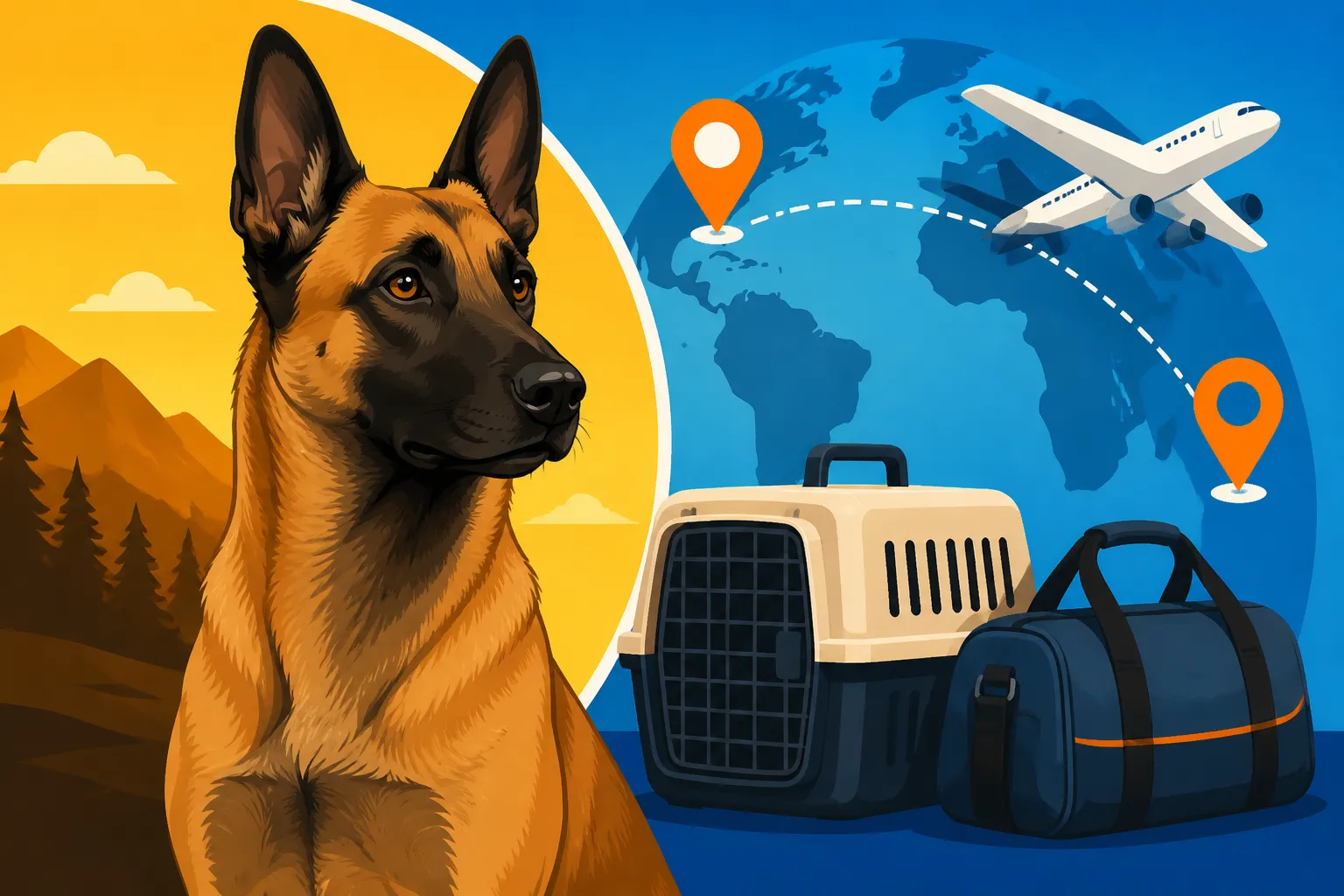
While less common for routine trials, air travel becomes a consideration for national championships or international events. Shipping a Belgian Malinois by air is a complex and expensive endeavor. You'll need an airline-approved travel crate, which must be large enough for your dog to stand, turn around, and lie down comfortably. Many airlines have specific temperature restrictions, blackout dates for pet travel, and health certificate requirements that must be met by a veterinarian shortly before the flight. These vet visits, along with the necessary vaccinations and potential pre-travel sedatives (if deemed safe by your vet), add to the bill.
The actual cargo fee for a large dog like a Malinois can be substantial, often running into hundreds or even thousands of dollars, depending on the airline, destination, and crate size. Some handlers choose to fly with their Malinois in the cabin if the dog is small enough to fit under the seat (unlikely for a Malinois) or if they qualify as a service animal, but for standard competition dogs, cargo is the norm. It's a logistical puzzle that demands meticulous planning, often weeks or months in advance, to secure a spot for your dog and navigate all the rules.
Accommodation for Handler and Dog
Finding appropriate accommodation is often one of the trickiest and most expensive parts of trialing with a Malinois. Many hotels and motels have strict "no pets" policies or hefty pet fees that can quickly inflate your stay. Even those that are pet-friendly often have breed restrictions (sometimes including Malinois due to their reputation), weight limits, or only allow small dogs. This leaves handlers scrambling to find suitable places.
Options typically include:
- Pet-friendly hotels: Be prepared for non-refundable pet fees per night or per stay, which can range widely. Always call ahead to confirm their specific policies for large dogs and potential breed restrictions.
- Airbnb/VRBO: These can be great if you find an owner who genuinely welcomes working dogs, but again, clarify breed and size. Cleaning fees can be substantial.
- Camping/RV: This is often the most cost-effective option, especially if the trial grounds allow on-site camping. An RV provides a contained, climate-controlled space for your dog, which is invaluable. However, if you don't own an RV, rental costs can be high.
- Friend's house: The ideal scenario, but not always possible.
Regardless of your choice, ensure the accommodation is safe, secure, and comfortable for your Malinois. A quiet, dark crate setup is essential for your dog to rest between sessions, and having access to outdoor space for potty breaks and quick bursts of exercise is crucial. You might also want to research What Boarding Costs If They Will Take a Malinois if you consider having someone else care for your dog.
Trial-Specific Fees and Hidden Costs
Beyond getting there and having a place to sleep, there are numerous other financial considerations that crop up when you’re trialing a Belgian Malinois. These range from the obvious entry fees to often-overlooked expenses that can quickly add up.
Entry Fees and Membership Dues
The most straightforward cost associated with trialing is, of course, the entry fee. These vary significantly depending on the sport, the level of competition, and the prestige of the event. A local obedience trial might cost a nominal fee, while a national-level IGP or Ring trial could be several hundred dollars. If you're entering multiple events or classes, these fees multiply. Many organizations also require annual membership dues to be eligible to compete. For example, joining a national breed club or a sport-specific organization (like the American Working Dog Federation or a specific IGP club) is often a prerequisite. These dues contribute to the infrastructure that makes trials possible, but they are an ongoing expense you must factor into your yearly budget. Don't forget that many clubs also require local club membership to participate in their events, adding another layer of recurring cost. What It Costs to Enter a Malinois in a Trial gives a more specific breakdown of these expenses.
Food and Supplies on the Road
Your Malinois's diet is critical, especially when they are under the stress and exertion of a trial. You can't just switch their food willy-nilly, as that can lead to digestive upset – the last thing you want mid-competition. This means packing enough of your dog's regular high-performance kibble. Brands like Chewy offer convenient bulk ordering and delivery, which can be useful for stocking up before a trip. Consider supplementing with high-value treats or specific nutritional boosters to help maintain energy levels. Some handlers even bring along specialized fresh food options from services like Ollie for an extra boost, though this requires careful planning for refrigeration.
Beyond food, you'll need to account for water – often bringing your own purified water from home to avoid upset stomachs from unfamiliar sources. Collapsible bowls, extra leashes, tie-outs, blankets, and a first-aid kit specific to dogs are also essential. Don't forget waste bags, cleaning supplies for accidents, and plenty of stimulating toys to keep your Malinois mentally engaged during downtime. Packing for a Malinois trial is akin to packing for a small expedition, and every item has a cost. Feeding a Belgian Malinois That Works Every Day and The Daily Ration a Working Belgian Malinois Eats are good resources for understanding your dog's dietary needs.
Emergency Fund for Unexpected Situations
This is arguably the most crucial "hidden" cost and one that every Malinois handler should budget for. No matter how well you plan, unexpected situations will arise when you're traveling with a working dog. This could range from a minor injury during training or competition, an upset stomach from stress or unfamiliar water, or even a sudden illness. Having an emergency fund dedicated to these scenarios is vital. Imagine your Malinois stepping on a sharp object, developing a sudden limp, or suffering from heat exhaustion during a hot day at a trial. You'll need immediate veterinary care, and if you're out of town, you'll be relying on emergency clinics that often charge premium rates.
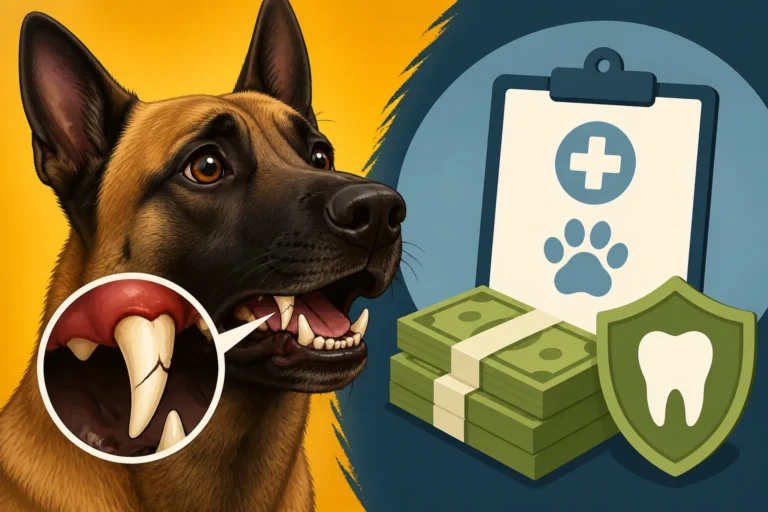
Consider investing in pet insurance from providers like Healthy Paws to help mitigate the financial impact of such emergencies. While it's an upfront cost, it can be a lifesaver when faced with a several-thousand-dollar vet bill far from home. Beyond vet emergencies, your fund might cover unexpected extra nights in a hotel, last-minute equipment replacements, or even a tow truck if your vehicle breaks down. Being prepared for the unforeseen is not just smart financial planning; it's a responsible part of owning and trialing a Belgian Malinois. The Vet Bills a Bite Sport Belgian Malinois Runs Up illustrates the potential costs of injuries, while Why Anesthesia Needs Discussing Before a Malinois Goes Under highlights crucial pre-treatment considerations.
Here's a simplified table illustrating potential travel costs for a regional trial:
| Category | Description | Estimated Cost Range (Per Trial Weekend) | Notes |
|---|---|---|---|
| Pre-Trial Training Travel | Regular drives to specialized trainers/decoys | $50 – $200 (per month) | Accumulates over time, critical for preparation. |
| Fuel | Round trip (200-500 miles total) | $80 – $200 | Varies greatly by vehicle MPG and gas prices. |
| Vehicle Maintenance Fund | Contribution to upkeep for frequent long drives | $20 – $50 (per trial) | Ongoing savings for tires, oil, etc. |
| Accommodation | 1-2 nights pet-friendly hotel/motel | $150 – $400 (plus pet fees) | Pet fees often range from $25-$75/night or per stay. |
| Food & Water (Dog) | Extra kibble, high-value treats, bottled water | $30 – $75 | Essential for performance and hydration. |
| Handler Meals | Eating out or packed food for 1-2 days | $50 – $150 | Can be reduced by packing meals. |
| Trial Entry Fees | Varies by sport and level | $75 – $300 | Higher for national/international events. |
| Membership Dues | Annual club/organization dues (prorated per trial) | $5 – $20 (per trial) | Often paid annually, but a per-trial impact. |
| Emergency Fund | Contribution to vet bills, unexpected repairs | $50 – $100 (per trial) | Crucial safety net, consider pet insurance like Healthy Paws. |
| Misc. Supplies | Poop bags, cleaning supplies, toys, extra leashes | $15 – $40 | Small costs that add up. |
| TOTAL | (Excluding Air Travel) | $485 – $1345+ | Per regional trial weekend, without major emergencies. |
This table is a general guideline, and your actual costs may be higher or lower depending on your specific situation, location, and the level of competition. Always research and plan thoroughly for each event.
Disclaimer
This article is for general informational purposes only and does not constitute professional advice. Laws, prices and regulations vary by location and change over time. Consult a qualified professional for guidance on your specific situation.