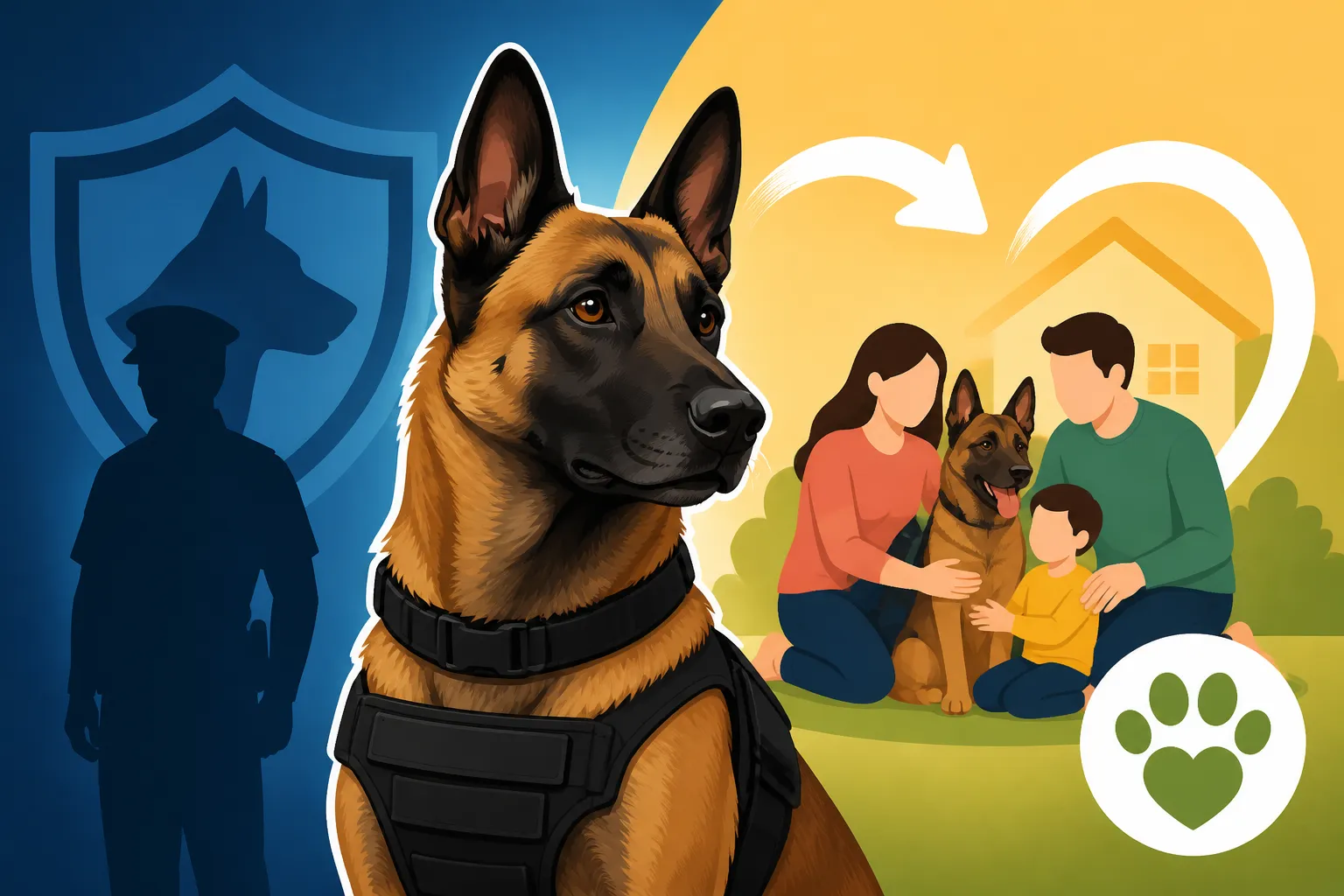
Whether a Retired Police Belgian Malinois Can Be Adopted
Many folks dream of giving a loving home to a retired police dog, especially a magnificent Belgian Malinois who has served their community. It’s a truly noble thought, filled with images of a hero dog finally relaxing by the fire. However, the reality of adopting a retired police Belgian Malinois is far more complex than many realize, and it's essential to understand the unique circumstances, stringent processes, and the significant commitment involved before setting your heart on it. This guide will walk you through the ins and outs, giving you a realistic picture of what it takes and what to expect.
The Reality of Police Dog Retirement
Let's be honest, the idea of a police K9 retirement sounds a bit like a movie plot, where the grizzled veteran dog gets to ride off into the sunset. While the sentiment is beautiful, the actual process and the reasons for retirement are often less dramatic and more practical. These dogs are highly trained tools, and their working lives are intense, leading to specific needs as they transition out of service.
When Police Dogs Retire: Age, Injury, or Behavioral Changes
Police K9s don't punch a clock for retirement at a set age like humans. Their working careers can vary significantly. Some might serve a full tenure of eight to ten years, stepping down due to age-related slowdowns, much like any athlete. You might be interested in reading about The Age a Working Malinois Starts to Slow as it details the gradual shift in their capabilities. Others, sadly, are forced into early retirement due to injuries sustained in the line of duty – anything from joint issues to more severe trauma. Think about the physical toll that intense bite work, jumping obstacles, and searching challenging terrains can take on a dog's body; it's significant. Sometimes, behavioral changes can also lead to retirement. A dog might develop an aversion to certain aspects of police work, or perhaps their drive, which was once their greatest asset, becomes unmanageable in a controlled environment. These are not failures, but rather indicators that a highly specialized animal is no longer suitable for the demands of their very specific job.
Who Owns a Retired Police Malinois: Often the Handler
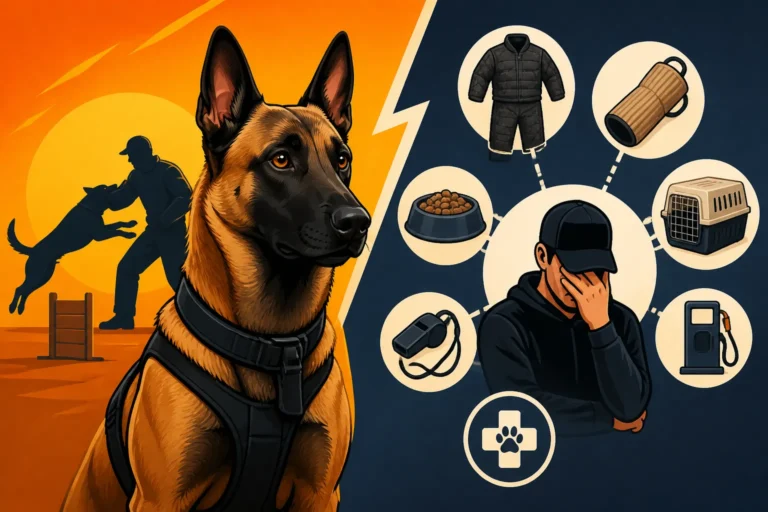
This is one of the biggest misconceptions. When a police K9 retires, it's not simply returned to a kennel to wait for public adoption. In the vast majority of cases, the dog's handler has the first right of refusal to adopt them. And let's be frank, these dogs have often spent years, literally every day, living and working with their handlers. They've formed an unbreakable bond, a partnership forged in high-stress situations. The dog lives with the handler, rides in their patrol car, and is a constant presence in their life. It's only natural, and often mandated by policy, that the handler becomes the dog's civilian owner. It’s a continuation of their family unit, providing the most seamless and least stressful transition for the dog. Departments understand the profound connection and the best interests of the dog, which is why this arrangement is so common. It's not about being exclusive; it's about ensuring the dog's well-being.
The Adoption Process for a Retired Police Malinois
So, with handlers usually taking their K9 partners home, where does that leave the average citizen hoping to adopt? The truth is, opportunities for the general public are incredibly rare, bordering on almost non-existent for healthy, well-adjusted retirees.
Department Policies and Protocols
Each police department, sheriff's office, or federal agency that utilizes K9s has its own specific policies regarding retirement and placement. These are not uniform, but a common thread runs through them: the priority is almost always the dog's welfare and a smooth transition. These policies are often designed to ensure that the dog, who has given so much, finds a stable and understanding home that can manage its specific needs. Some departments might have a formal transfer of ownership process, while others might simply deem the dog surplus property and allow the handler to take ownership for a nominal fee, or sometimes even for free. There are very few, if any, general "adoption programs" for retired police K9s in the same way you might find for shelter animals. This is because the K9s are not pets; they are valuable, highly trained assets with very specific temperaments and histories.
The Preference for Former Handlers
We've touched on this, but it bears repeating: the bond between a police K9 and its handler is unparalleled. Imagine your closest work colleague, who also happens to live with you, shares your daily routine, and whose life literally depends on yours. That's the K9 handler relationship. When a dog retires, the handler is already intimately familiar with the dog's quirks, its medical history, its triggers, and its comfort levels. They are the absolute best choice for ensuring the dog's continued well-being and successful adjustment to civilian life. Because of this deep personal and professional connection, departments prioritize placing the dog with its former handler. It minimizes stress for the dog and provides continuity. It's rare for a police Malinois not to go home with its handler, unless the handler's personal circumstances make it impossible.
Public Adoption Programs: Rarity and Requirements
If a handler cannot take their retired K9, or in the even rarer case of a "washed out" dog (one that didn't make the cut for police work), the department might seek alternative placement. However, these situations are usually handled internally first, perhaps by another officer within the department, or through specialized K9-specific rescue organizations that work directly with law enforcement agencies. These aren't your average animal shelters.
For the general public, finding one of these dogs available for adoption is like finding a needle in a haystack. If such an opportunity were to arise, the requirements would be incredibly stringent. Expect an exhaustive application process, including:
- Extensive background checks: Far beyond what a typical shelter might conduct.
- Home visits: Multiple, thorough checks to ensure the environment is suitable and secure.
- Demonstrated experience with high-drive dogs: Belgian Malinois are not for novices. You'd need to prove you understand their needs.
- Financial stability: These dogs can come with significant ongoing costs, especially if they have health issues from their working life.
- Commitment to continued training and exercise: Even in retirement, a Malinois needs a "job" and significant physical and mental stimulation.
Essentially, if you were to adopt a retired police Malinois, you'd be evaluated as if you were taking on a working dog, not just a pet. It's a massive responsibility. You might read What a Washed Out Police Malinois Costs to get an idea of the unique challenges and considerations that come with these animals.
What to Expect from a Retired Police Malinois
Assuming, against the odds, you found a way to adopt a retired police Malinois, you need to understand that this is not like adopting a golden retriever. These dogs are products of intense selection and training, and those traits don't just vanish because they've hung up their badge.
Health Considerations and Medical Needs
A retired police Malinois has lived a hard life, often pushing its body to the limits. This means they are prone to certain health issues that require ongoing veterinary care. You could be looking at:
- Orthopedic problems: Hip and elbow dysplasia, arthritis, torn ligaments (like cruciates), spinal issues are common. Years of jumping, running, and high-impact work take their toll. You'll want to be familiar with concerns like The Hip and Elbow Numbers Behind a Malinois Clearance and understand that even cleared dogs can develop issues over time.
- Dental wear and tear: Bite work often leads to worn, broken, or chipped teeth, potentially requiring expensive dental procedures.
- Chronic pain: Managing discomfort with pain medication, physical therapy, or other interventions might be a lifelong commitment.
- Other conditions: Just like any older dog, they can develop conditions like The Cancers That Take a Belgian Malinois or A Malinois Whose Thyroid Has Given Out.
These medical needs translate into significant veterinary bills. Pet insurance providers like Healthy Paws can offer some relief, but you’d need to thoroughly research their coverage for pre-existing conditions and working dog backgrounds. It's critical to be prepared for the financial reality of caring for a veteran athlete. You'll want to think about The Vet Bills a Bite Sport Belgian Malinois Runs Up and budget accordingly.
Behavioral Traits and Decompression
This is perhaps the biggest hurdle for public adopters. A police Malinois isn't just a dog; it's a finely tuned instrument with specific drives and ingrained behaviors.
- High Drive: These dogs are bred and trained for intense prey drive, defense drive, and tenacity. That doesn't simply disappear. They need significant mental and physical outlets, even in retirement. Imagine Two Hours and a Job a Belgian Malinois Demands Daily – that doesn't stop just because they're retired.
- Environmental Sensitivity: They are trained to be alert and respond to stimuli. Loud noises, sudden movements, or strangers can trigger responses that are perfectly acceptable in police work but alarming in a home environment.
- Decompression Period: The transition from a structured working life to a civilian home can be incredibly stressful for the dog. They need a long period of decompression, often months, to adjust. They might seem shut down, anxious, or even destructive initially.
- Lack of "Pet" Socialization: Many police K9s aren't socialized in the traditional "pet" sense. Their interactions with strangers or other dogs are often structured and task-oriented, not casual or friendly. This means they might not be suitable for dog parks, busy public places, or even homes with young children or other pets. You'd need to consider A Belgian Malinois in a House With Kids and Dogs very carefully.
A retired police Malinois often perceives the world through the lens of its training. They are always on, always alert. This is why a handler who understands their specific "language" and can provide continuity is so vital.
Living with a Highly Trained Dog
Even retired, these dogs require structure, consistency, and outlets for their drives.
- Continued Mental Stimulation: Simply letting them roam a yard won't cut it. They need puzzles, scent games, obedience drills, and a "job" to do every single day to stay mentally satisfied. This could be advanced obedience, nose work, or even just complex retrieve games.
- Physical Exercise: Their bodies might be aging, but their need for physical exertion remains. Structured walks, controlled running, or swimming can help keep them sound and happy. Consult your vet about appropriate exercise levels, especially if they have orthopedic issues.
- Clear Boundaries and Leadership: These dogs thrive on clear communication and a confident, consistent leader. Any ambiguity can lead to stress or them trying to take on the leadership role themselves.
- Safety First: Their bite work training means they have a powerful and precise bite. While they are usually under the control of their handler, in a new environment, vigilance is paramount. You may need to muzzle condition them for vet visits or public outings, something detailed in Muzzle Conditioning Before a Malinois Ever Needs One.
Preparing Your Home for a Retired Malinois
If you somehow overcome the immense challenges and are approved to adopt, your home needs to be ready for an animal unlike any you've likely owned before. This isn't just about setting out a new dog bed; it's a complete lifestyle adjustment.
Securing Your Property
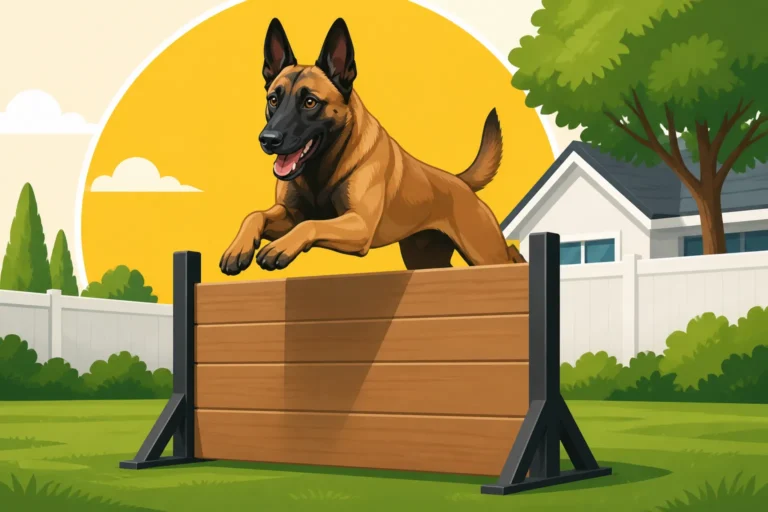
This is non-negotiable. Belgian Malinois, especially those from working lines, are phenomenal escape artists. They are agile, intelligent, and driven. A standard six-foot fence might be a minor inconvenience for them.
- High Fencing: Think eight feet, and consider anti-climb features.
- Dig Guards: They will dig. Fencing needs to go deep into the ground.
- No Weak Spots: Check for gaps, loose panels, or anything they could exploit. They will find it. This is why a post like Fencing That a Belgian Malinois Cannot Clear is so relevant; these dogs are built to breach barriers.
- Indoor Security: When unsupervised, they will investigate. Childproof locks, secured cabinets, and no tempting items left within reach are essential. Their drive to investigate can lead to destructive behavior if not channeled correctly.
Your home environment must become a fortress that can safely contain an animal bred for detection and pursuit.
Daily Routine and Enrichment
A structured life is a happy life for a retired police Malinois. Consistency is key to helping them decompress and thrive.
- Predictable Schedule: Regular feeding times, exercise slots, training sessions, and downtime will help them feel secure and understand their new world.
- Enrichment Toys: Durable chew toys and puzzle feeders are crucial. Look for high-quality items from brands like Chewy that can withstand the power and intensity of a Malinois. Interactive toys can keep their minds busy, preventing boredom and potential destructive behaviors.
- Scent Work: This is a natural fit for many retired K9s. Simple hide-and-seek games with treats or their favorite toys can provide immense mental satisfaction and tap into their ingrained detection drives.
- Controlled Socialization: If appropriate and safe, very controlled, positive introductions to calm, stable dogs might be possible, but always under strict supervision. Never force interactions.
Remember, the goal is to substitute their intense working life with a fulfilling, yet less demanding, "civilian job" that respects their instincts and capabilities.
Financial Commitment
Adopting a retired police Malinois is a significant financial undertaking, far more than the initial adoption fee (if any).
- Ongoing Veterinary Care: As discussed, anticipate regular vet visits, potential medications for pain or chronic conditions, and possibly specialized therapies. You'll need to budget for these substantial costs.
- High-Quality Food: A working line Malinois needs premium nutrition. Brands like Ollie, which offer fresh, high-quality ingredients, could be beneficial, but be prepared for the expense of feeding such an active and robust dog. Even with less intense exercise in retirement, their metabolism and nutritional needs are higher than average. Consider What Feeding a Working Malinois Costs Each Month to get a clear picture.
- Durable Equipment: Leashes, collars, crates, and toys will need to be heavy-duty and regularly replaced. These dogs are strong and can be tough on gear.
- Training and Behavioral Support: You might need to invest in private training sessions with a professional experienced in working breeds or retired K9s to help manage any transition issues or specific behavioral challenges.
Here's a quick comparison of what you might expect versus a typical pet adoption:
| Aspect | Typical Pet Adoption | Retired Police Malinois Adoption (If Available) |
|---|---|---|
| Availability | Relatively high | Extremely rare, almost always handler-retained |
| Adoption Process | Application, reference checks, home visit | Extensive background checks, multiple home visits, K9 experience required |
| Prior Experience | General dog ownership, maybe large breeds | Proven experience with high-drive, working breeds |
| Health Profile | Mixed, often unknown history, potential for common ailments | Documented working history, high potential for chronic injuries/conditions |
| Behavioral Traits | Vary widely, often socialized as pets | High drive, intense focus, minimal "pet" socialization, needs decompression |
| Exercise Needs | Moderate to high, depends on breed | Extremely high, requires structured physical and mental work |
| Training Needs | Basic obedience, ongoing socialization | Advanced obedience, continued "job" simulation, expert handling |
| Home Environment | Secure yard, safe indoor space | Hyper-secure yard (8ft+), robust indoor proofing, quiet environment |
| Financial Cost | Moderate, routine vet care, food, supplies | High, extensive vet care, specialty food, durable equipment, potential professional training |
Disclaimer
This article is for general informational purposes only and does not constitute professional advice. Laws, prices and regulations vary by location and change over time. Consult a qualified professional for guidance on your specific situation.