A Malinois Whose Thyroid Has Given Out
It’s a heart-wrenching scenario many Belgian Malinois owners know all too well: your once tireless, laser-focused partner, who lived for work and adventure, starts to subtly change. They might seem a bit slower to get up, less enthusiastic about training, or perhaps their beautiful coat looks a little…off. You might dismiss it as age creeping in, or perhaps even a behavioral issue, but what if these changes signal something deeper, something biochemical, like a failing thyroid? This comprehensive guide will walk you through understanding, recognizing, and effectively managing hypothyroidism in your Belgian Malinois, helping you uncover the true cause of their shifting vitality and get them back to their best.
Understanding Hypothyroidism in Belgian Malinois
When your Malinois, a breed renowned for its relentless drive and incredible athleticism, starts to show signs of slowing down, it’s not just a physical change; it’s an emotional one for both of you. Many owners initially struggle to pinpoint what’s wrong, often chalking it up to normal aging or a temporary dip in enthusiasm. However, for some, the underlying culprit can be an underactive thyroid gland, a condition known as hypothyroidism.
What is Hypothyroidism?
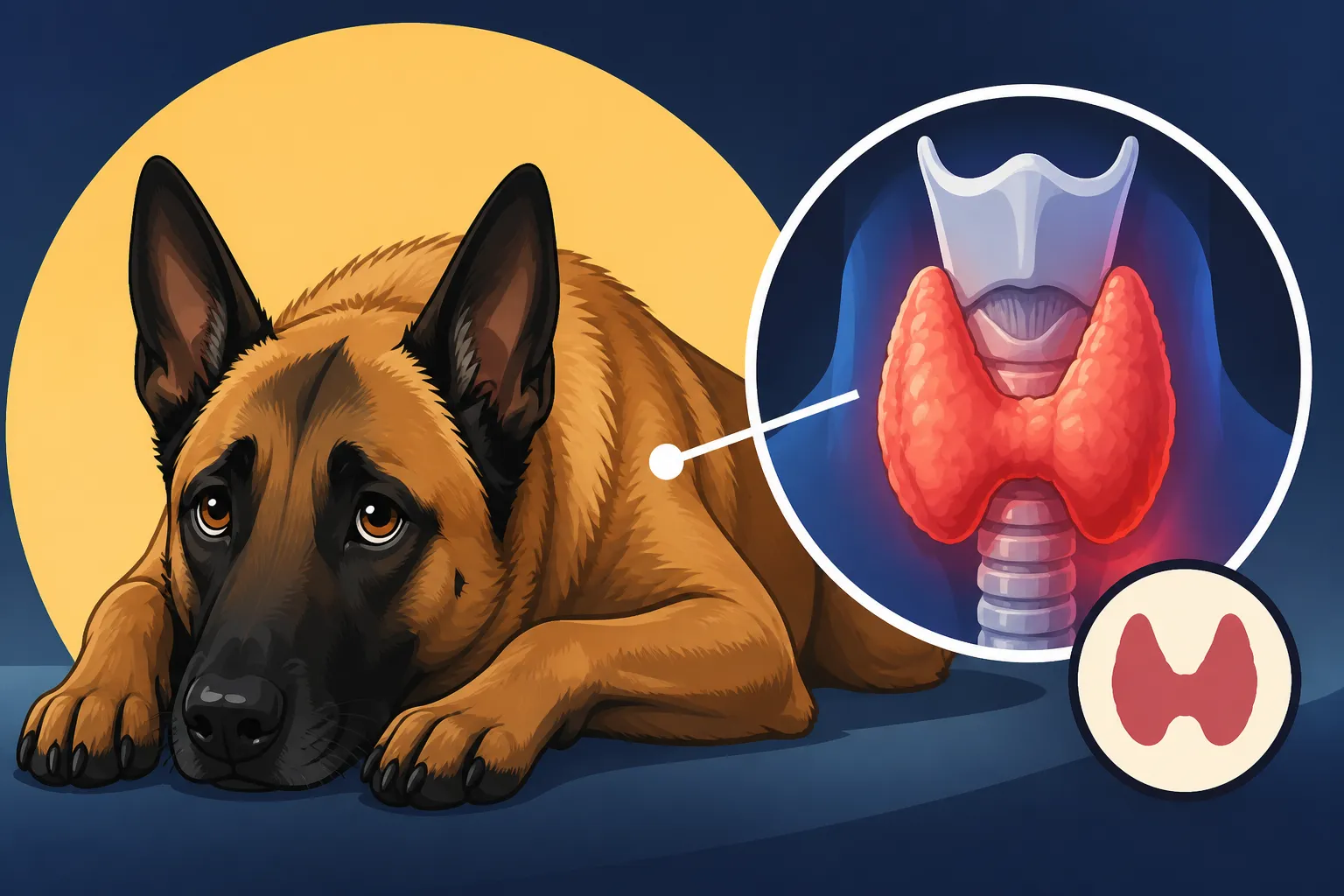
At its core, hypothyroidism is a condition where the thyroid gland, a small but mighty gland located in your dog’s neck, doesn't produce enough thyroid hormones. These hormones are like the conductors of an orchestra, responsible for regulating nearly every metabolic process in the body, from energy production and heart rate to skin health and body temperature. When these hormones drop, the entire system can go out of tune.
In Malinois, and indeed most dogs, the most common form of hypothyroidism is primary hypothyroidism, typically caused by an autoimmune disease called lymphocytic thyroiditis. This is where the dog’s own immune system mistakenly attacks and destroys the thyroid gland. Less commonly, it can be due to idiopathic atrophy (the gland simply wastes away for unknown reasons) or, very rarely, a problem with the pituitary gland (secondary hypothyroidism). Because it's often an autoimmune process, the damage to the gland can occur gradually over months or even years, making the onset of symptoms insidious and easily missed in the early stages. It’s not a sudden collapse, but a slow, creeping decline that can be incredibly frustrating to observe without understanding its cause.
Why Malinois Are Susceptible
Unfortunately, Belgian Malinois, along with their other Belgian Shepherd cousins, are among the breeds genetically predisposed to developing hypothyroidism. While the exact genetic markers are still being researched, it's clear that there's a higher prevalence in these lines compared to the general canine population. This breed-specific susceptibility means that if you own a Malinois, especially one from lines where thyroid issues have been reported, it’s a concern you should be aware of and proactively monitor.
Their naturally high metabolism and seemingly boundless energy can also complicate early detection. A Malinois might have a significant drop in thyroid hormone levels, but because they start with such a high baseline of activity, their owners might only notice a subtle decrease in drive, rather than outright lethargy, masking the true problem for longer. This inherent athleticism, which makes them such incredible working partners, can inadvertently delay diagnosis as owners attribute minor changes to factors other than illness.
The Frustration of Vague Symptoms
One of the most challenging aspects of hypothyroidism is its vague and often overlapping symptoms, which can mimic a myriad of other conditions or simply be dismissed as normal changes. Owners frequently express frustration, feeling like their once-vibrant dog is fading, but without a clear explanation. They might visit the vet reporting "my dog just isn't himself," only for initial tests to come back inconclusive or for the symptoms to be attributed to something less serious.
Imagine your Malinois, who usually bounces off the walls at the mention of a walk, now hesitates, or only half-heartedly engages in tug. You might think they're bored, or perhaps just having an off day. Then, when the vet suggests "maybe he's just getting older," it can feel incredibly dismissive of the deep changes you're observing. This diagnostic ambiguity is a significant source of stress for owners, leading to delays in treatment and prolonged suffering for their beloved companions. Understanding this inherent difficulty is the first step towards advocating effectively for your dog.
Recognizing the Subtle Signs of a Failing Thyroid
Identifying hypothyroidism in a high-drive breed like the Belgian Malinois requires a keen eye and an understanding of what subtle changes might signify. Because their baseline energy is so high, the classic "sluggish" dog often associated with thyroid issues might manifest differently in a Malinois.
Changes in Energy and Behavior
Perhaps the most noticeable, yet often overlooked, initial signs of hypothyroidism in a Malinois are shifts in their energy levels and behavior. This isn't usually an overnight transformation. Instead, you might notice your dog is just a bit less on. They might take longer to warm up to their usual vigorous play, seem less interested in their training sessions, or prefer to nap rather than patrol the yard. The relentless drive that defines the breed may seem to dim, replaced by a more subdued demeanor.
An active Malinois might become uncharacteristically lethargic, needing more sleep or being slower to respond to cues that once brought immediate action. This isn't laziness; it's a systemic slowdown. Some owners report their Malinois is simply "less enthusiastic" about life. Beyond just energy, hypothyroidism can also impact brain function, leading to subtle behavioral changes. Your usually stable Mal might become inexplicably anxious, more irritable, or in rare cases, even show uncharacteristic aggression. This is often attributed to fear or discomfort rather than a direct thyroid link, highlighting why it’s so important to consider the full picture of your dog's health, even if their behavior seems to be the primary concern. Keeping an Old Belgian Malinois Mentally Busy becomes even more crucial if a Malinois's physical energy wanes, but if it's due to thyroid, even mental tasks might feel like too much effort.
Weight Gain and Coat Issues
For a breed known for its lean, athletic build, unexplained weight gain is a significant red flag that often frustrates owners trying to maintain their Malinois's optimal condition. You might find yourself scratching your head, thinking, "I haven't changed his food, and he's still getting exercise, but he's packing on pounds!" This weight gain is typically not due to overeating, but rather a direct consequence of a slowed metabolism. Calories that would normally be burned efficiently are now stored as fat.
Beyond weight, the skin and coat are often powerful indicators. Hypothyroidism can lead to a dull, dry, or brittle coat that sheds excessively. You might notice thinning hair, particularly along the flanks or on the tail, sometimes referred to as a "rat tail." Wounds might heal more slowly, and shaved areas (like for surgery or IVs) might take an unusually long time to regrow hair. The skin itself can become dry, flaky, or even develop hyperpigmentation (darkening) in chronic cases. While a Malinois's short coat naturally sheds, a significant increase or noticeable quality change is worth investigating.
Other Physical Symptoms to Watch For
While energy, weight, and coat changes are common, other physical symptoms can also point towards a failing thyroid. Belgian Malinois are typically very tolerant of various weather conditions, but a hypothyroid Malinois might suddenly become unusually cold-intolerant, seeking out warm spots in the house or shivering in temperatures that previously didn't bother them. This is because thyroid hormones play a key role in regulating body temperature.
You might also observe subtle muscle weakness or stiffness, though this can be difficult to differentiate from normal wear and tear in an athletic dog. In intact breeding animals, reproductive problems such as infertility, abnormal heat cycles, or even stillbirths can be a symptom. While less common as primary indicators, digestive upset like chronic constipation has also been linked to hypothyroidism due to the slowed metabolic processes affecting gut motility. It’s critical to remember that these signs, especially when viewed in isolation, can be ambiguous. However, when multiple symptoms appear, especially in a breed known for its susceptibility, it strongly warrants a detailed conversation with your veterinarian.
The Diagnostic Journey for a Malinois
Diagnosing hypothyroidism isn't always a straightforward path, especially in breeds like the Belgian Malinois where initial symptoms can be subtle and easily confused with other conditions. It often requires a comprehensive approach and a vet who understands the nuances of the breed's physiology.
Initial Vet Visit and Bloodwork
When you first bring your concerns to the vet, it’s absolutely crucial to provide a complete and detailed history. Don't just mention the weight gain; describe every subtle shift in energy, behavior, coat quality, and any other changes you've observed, even if they seem unrelated. Your narrative is key to guiding the diagnostic process.
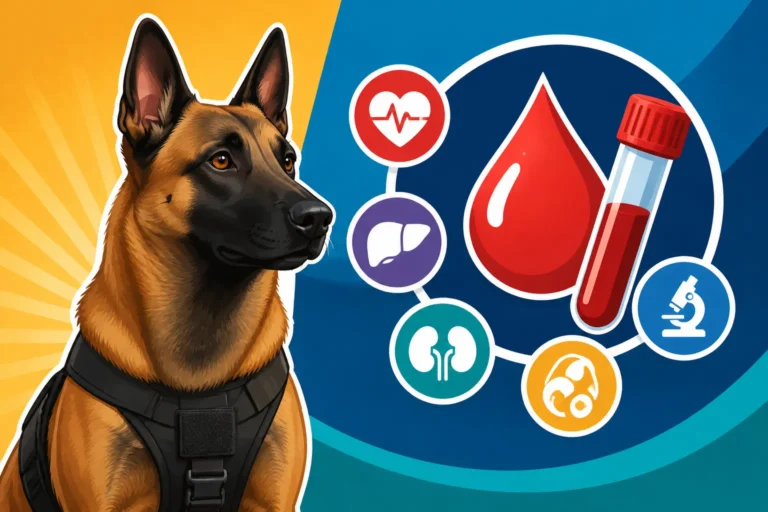
The initial screening usually involves basic bloodwork, including a total thyroxine (T4) level. T4 is the main hormone produced by the thyroid gland. A low T4 level is often the first indicator, but it’s not always definitive on its own. There are several reasons why T4 can be temporarily suppressed in a dog with a perfectly healthy thyroid, a phenomenon known as "sick euthyroid syndrome." This can happen if your dog is stressed, fighting another illness (even a minor infection), or on certain medications like steroids, NSAIDs, or even some seizure medications. This is why a simple low T4 isn't an automatic diagnosis of hypothyroidism, particularly in a high-strung Malinois who might be stressed by a vet visit.
Comprehensive Thyroid Panels and Antibody Testing
To get a clearer picture, your vet will likely recommend a more comprehensive thyroid panel. This typically includes:
- Free T4 (fT4): This measures the unbound, biologically active form of T4. It's generally considered a more accurate indicator of thyroid function than total T4 because it's less affected by non-thyroidal illnesses or medications.
- TSH (Thyroid-Stimulating Hormone): TSH is produced by the pituitary gland to tell the thyroid to make more hormones. In primary hypothyroidism (where the thyroid itself is failing), the pituitary gland works overtime, so TSH levels are usually high. A low fT4 combined with a high TSH is a strong indicator of primary hypothyroidism.
- TgAA (Thyroglobulin Autoantibodies): This test specifically looks for antibodies that attack the thyroid gland. A positive TgAA result strongly suggests an autoimmune basis for the hypothyroidism (lymphocytic thyroiditis), even if T4 and TSH levels are still within the normal range in the early stages of the disease. This is particularly valuable for breeders trying to identify carriers or affected dogs before clinical signs are obvious, to prevent Breeding Two Ataxia Carrier Malinois or other genetic predispositions from continuing.
For the most accurate and reliable results, many vets utilize specialized veterinary diagnostic laboratories, such as Michigan State University's Animal Health Diagnostic Laboratory (MSU AHDC), which is renowned for its comprehensive canine thyroid panels and expertise in diagnosing complex cases. These labs provide breed-specific reference ranges and can offer more in-depth analysis. Knowing that a Malinois might have a naturally lower T4 baseline than other breeds, their expertise becomes invaluable.
Avoiding Misdiagnosis and the Importance of a Full Picture
The path to diagnosis isn't always a straight line, and avoiding misdiagnosis is paramount. It’s crucial not to jump to conclusions based solely on a single low T4 reading. Given a Malinois’s propensity for high stress, which can suppress T4, or the possibility of concurrent illnesses, a holistic view is essential. Your vet will consider the clinical signs you’ve observed, the results of the complete thyroid panel (including fT4, TSH, and TgAA), and rule out other potential health issues.
Sometimes, repeat testing might be necessary, perhaps a few weeks later, or after resolving any other concurrent health problems. The goal is to correlate the bloodwork with the clinical signs – is your dog acting hypothyroid, and do the blood tests confirm it? A high-performance Malinois needs every system firing optimally, and a correct diagnosis ensures that the right treatment is initiated. It’s a process that demands patience and thoroughness from both you and your veterinary team. For any working dog, regular check-ups, like those outlined in The Bloodwork a Working Malinois Should Have Annually, are vital for catching these insidious issues early.
Managing Hypothyroidism and Restoring Vitality
Once a diagnosis of hypothyroidism is confirmed for your Malinois, it can be a huge relief to finally understand what's been happening. The good news is that hypothyroidism is highly treatable, and with consistent management, your dog can regain their lost vitality.
Lifelong Medication and Dosage
The cornerstone of treating hypothyroidism in dogs is lifelong medication with synthetic thyroid hormone, specifically levothyroxine. This medication simply replaces the hormones your Malinois's body isn't producing enough of. It's a daily commitment, usually given orally once or twice a day, typically without food to maximize absorption.
Your veterinarian will determine an appropriate starting dose based on your dog's weight and the severity of their condition. It's not a "one size fits all" approach, and it's absolutely crucial to follow your vet's instructions precisely. You might start at a lower dose and gradually increase it, or begin with a standard dose. The goal is to bring your Malinois's thyroid hormone levels back into the normal range, alleviating their symptoms. It’s important to understand that improvement isn't instantaneous. You'll likely start to see changes in energy and behavior within a few weeks, while coat and skin issues might take a few months to fully resolve. Many owners find that the ongoing cost of this medication is manageable, especially with the help of pet insurance providers like Healthy Paws, which can significantly offset the expenses for chronic conditions.
Monitoring and Adjustments
Treating hypothyroidism isn't a "set it and forget it" situation. Regular monitoring is essential to ensure your Malinois is on the correct dose. Typically, your vet will recommend rechecking blood levels (specifically T4 and TSH) about 4 to 8 weeks after starting the medication or after any dose adjustments. This is done to confirm that the hormone levels are within the therapeutic range.
When collecting blood for these rechecks, consistency is key. Your vet will often recommend drawing blood 4 to 6 hours after the morning dose of levothyroxine, as this provides a "peak" level that helps assess the medication's effectiveness. Based on these results, and critically, how your Malinois is feeling and acting, your vet will either maintain the current dose or adjust it. Once your dog is stable, monitoring might shift to every 6 to 12 months, or sooner if symptoms reappear or other health issues arise. This ongoing partnership with your vet is vital for your Malinois's long-term well-being and allows for proactive management to keep them feeling their best.
Supportive Care and Lifestyle Adjustments
While medication is the primary treatment, supportive care and lifestyle adjustments play a significant role in helping your Malinois thrive once their thyroid is functioning correctly again. If your dog experienced weight gain, returning to a healthy, balanced diet will be important. As their energy returns, you can gradually reintroduce their normal exercise and training routines. Don’t rush it; let your Malinois’s body adjust and regain its strength.
The mental relief for owners is often as profound as the physical improvements in their dog. Seeing their Malinois's spark return – the intense focus, the eagerness for work, the joy in play – is incredibly rewarding. With proper management, a Malinois whose thyroid has given out can absolutely lead a full, active life, often returning to their previous high-performance capabilities, ready for rigorous activities and maintaining The Checkup Schedule a Sport Malinois Should Keep. It’s a testament to the power of accurate diagnosis and consistent treatment, transforming a once-puzzling decline into a success story of renewed vitality.
Navigating Potential Complications and Concerns
While hypothyroidism is generally well-managed with medication, understanding potential complications and ongoing concerns is part of being a responsible Malinois owner. It ensures you’re prepared for any bumps in the road and can continue to advocate for your dog’s health.
Concurrent Health Issues
An underactive thyroid doesn't just affect energy and coat; it can have ripple effects throughout the body. Hypothyroidism can sometimes contribute to or exacerbate other health conditions. For instance, it's not uncommon to see elevated cholesterol levels in hypothyroid dogs, which, while not as directly linked to cardiovascular disease as in humans, can still be a concern. Additionally, a suppressed immune system due to low thyroid hormone levels might make your Malinois more susceptible to infections.
It's also worth noting that other autoimmune diseases can sometimes occur alongside lymphocytic thyroiditis. Therefore, maintaining a broad perspective on your dog's overall health is paramount. Regular, comprehensive veterinary check-ups are essential, especially for The Bloodwork a Working Malinois Should Have Annually, ensuring that any concurrent issues are identified and addressed promptly. This integrated approach helps manage your Malinois’s health holistically, especially as they age or if other challenges arise.
Over-Supplementation and Side Effects
While it's natural to want to see your Malinois thrive, it's crucial to resist the temptation to "super-charge" them with extra medication. Over-supplementation, or giving too much levothyroxine, can lead to a condition called iatrogenic hyperthyroidism, where the dog has too much thyroid hormone. The symptoms are essentially the opposite of hypothyroidism: restlessness, hyperactivity, increased thirst and urination, unexplained weight loss despite a good appetite, and even cardiac issues like a rapid heart rate.
This highlights why strict adherence to your vet's prescribed dosage and regular monitoring is so important. Never adjust your Malinois's medication dose without consulting your veterinarian, even if you feel they could use "a little more pep." The goal is balance, not excess. Your vet, using comprehensive blood work and clinical assessment, is best equipped to find and maintain that optimal balance, ensuring your Malinois receives the right amount of support without experiencing harmful side effects. This careful management is part of the long-term care that pet insurance, like plans from Healthy Paws, can help make more affordable, covering the cost of blood tests and consultations.
Long-Term Outlook and Owner Resilience
The long-term outlook for a Belgian Malinois with hypothyroidism is overwhelmingly positive, provided the condition is consistently managed. This isn't a death sentence; it's a chronic but controllable condition. With the right medication and regular monitoring, your Malinois can return to their former self, full of energy and ready for work or play. The resilience of Malinois owners, who often overcome significant challenges with this demanding breed, is truly inspiring.
Witnessing your Malinois regain their zest for life after a period of unexplained decline is incredibly rewarding. You'll likely see improvements in their energy, focus, coat quality, and even temperament. A well-managed Malinois can still perform at a high level, whether in protection sports, detection work, or simply as an incredibly engaged family companion. While A Malinois Whose Thyroid Has Given Out might have once been a significant hurdle, with informed care, it becomes just another chapter in their remarkable life story. Remember, consistent veterinary partnership and your dedication are the keys to a happy, healthy future for your extraordinary dog.
| Symptom Category | Common Hypothyroidism Signs in Malinois | Other Potential Causes (for differentiation) |
|---|---|---|
| Energy/Behavior | Lethargy, decreased drive, increased sleep, irritability, anxiety | Pain, other illnesses, aging (The Age a Working Malinois Starts to Slow), behavioral issues, lack of stimulation |
| Weight/Metabolism | Unexplained weight gain despite normal intake/exercise, cold intolerance | Overfeeding, insufficient exercise, Cushing's disease, heart disease |
| Skin/Coat | Dull, dry, brittle coat, excessive shedding, thinning hair (flanks/tail), slow regrowth, hyperpigmentation | Allergies, nutritional deficiencies, parasites, other hormonal imbalances, seasonal shedding |
| Reproductive | Infertility, abnormal heat cycles, stillbirths (in intact animals) | Other hormonal disorders, infection, genetic issues |
| Other | Muscle weakness, stiffness, chronic constipation | Arthritis, neurological issues, dietary issues, dehydration |
Disclaimer
The information provided in this guide is intended for educational purposes only and should not be considered a substitute for professional veterinary advice, diagnosis, or treatment. Always seek the advice of your veterinarian or other qualified health provider with any questions you may have regarding a medical condition or treatment for your Belgian Malinois.