Whether Pannus Blinds a Belgian Malinois
One of the most concerning things for any Belgian Malinois owner is seeing a change in their dog's eyes, especially when it involves a condition like Pannus. It’s natural to worry if this means your highly driven companion might lose their sight, impacting their quality of life and ability to work or play. This guide will meticulously break down what Pannus is, how it affects your Malinois's vision, and what proactive steps you can take to manage it and safeguard their precious sight.
Understanding Pannus in Belgian Malinois Eyes
When you first notice something off with your Malinois's eyes – maybe a reddish-brown film starting to creep in from the edges, or a cloudiness that wasn't there before – it's easy to jump to the worst conclusions. For many Malinois owners, this can be the unsettling first sign of a condition known as Chronic Superficial Keratitis, more commonly referred to as Pannus. It’s not just a superficial irritation; it’s a chronic, progressive, immune-mediated disease that primarily affects the cornea, which is the clear outer layer of the eye, and sometimes the third eyelid (nictitating membrane).
What Exactly Is Pannus and How Does It Manifest
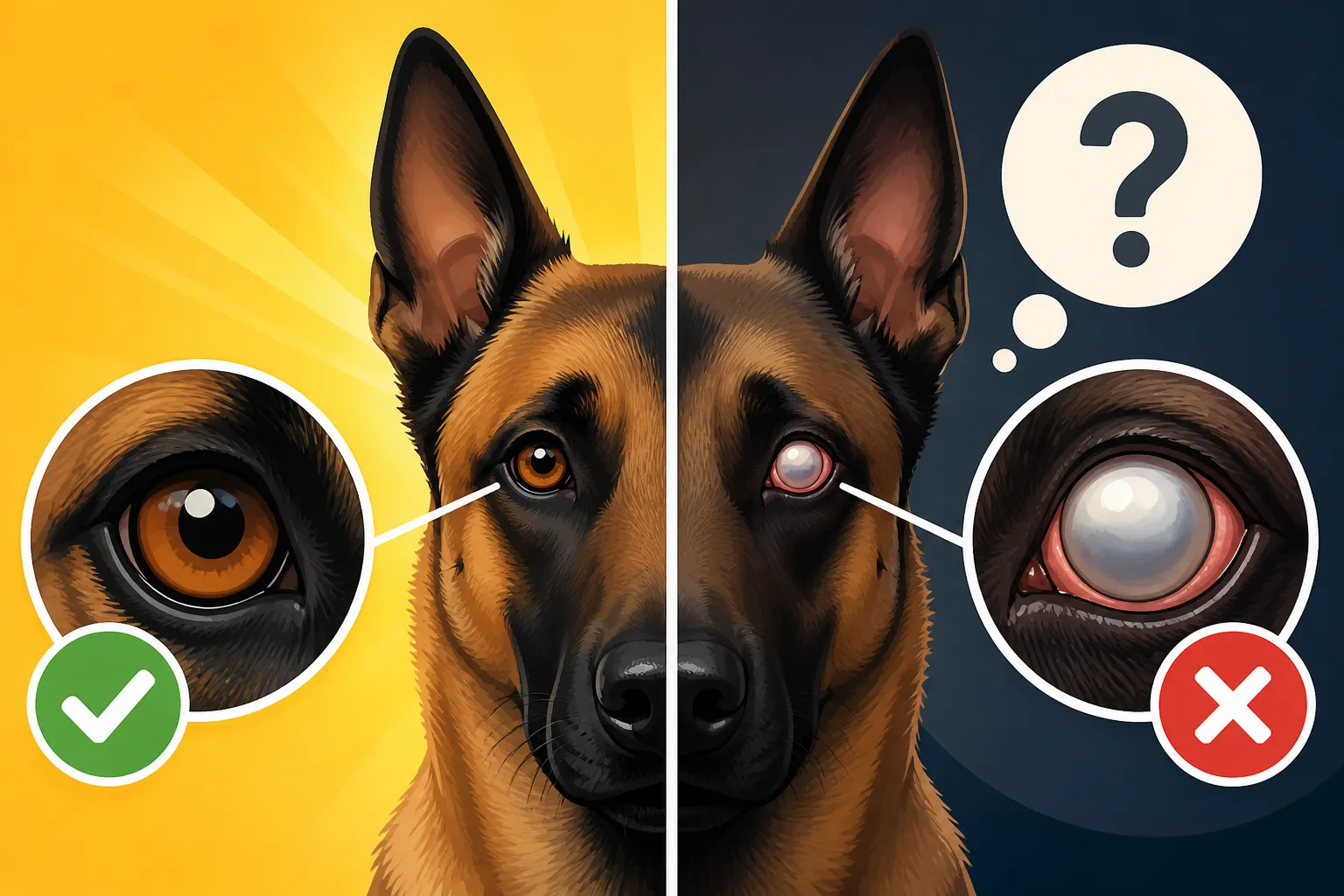
Pannus, at its core, is your Malinois's immune system mistakenly attacking healthy eye tissue. Imagine your body's defense mechanisms, designed to protect against invaders, suddenly turning on itself. That's essentially what happens with Pannus. It typically starts as a pinkish or reddish-brown lesion on the outer (lateral) and inner (medial) edges of the cornea, often appearing first in the temporal (outer) corner. As the disease progresses, these lesions can become pigmented, developing into a dark, opaque film that spreads across the surface of the eye. You might also notice small blood vessels growing into the affected area, making the eye appear inflamed and bloodshot.
The third eyelid, or nictitating membrane, can also become thickened and depigmented, losing its usual pink color and looking quite rough or irregular. This combined assault on both the cornea and the third eyelid can significantly impact the eye's ability to function normally. Owners often report their dogs squinting, rubbing their eyes, or showing increased sensitivity to light, especially bright sunlight. It's a frustrating reality to watch unfold, knowing your dog is uncomfortable and that their vision might be at stake.
The Underlying Causes and Risk Factors
While the exact trigger for Pannus remains somewhat elusive, it's widely understood that genetics play a significant role. Belgian Malinois, along with German Shepherds and Greyhounds, are predisposed to this condition. If you're considering a Malinois puppy, it's wise to inquire about the eye health history of the parents and their lines. While not a perfectly predictable genetic disease in the same way some other conditions are, a family history of Pannus certainly raises the risk.
Beyond genetics, environmental factors are powerful exacerbators. Sunlight, specifically ultraviolet (UV) radiation, is the primary environmental culprit. Think of it like a severe sunburn on the inside of your dog's eye. Dogs living in high-altitude areas, where UV exposure is more intense, or those spending extensive time outdoors, especially without shade, are at a much higher risk of developing Pannus or experiencing more rapid progression of the disease. This is why you often hear of Pannus being more prevalent in sunny, mountainous regions. Understanding these factors is crucial not just for prevention, but also for managing the disease once it's diagnosed.
The Progression of Pannus and Vision Loss
The burning question for any Malinois owner whose dog is diagnosed with Pannus is always, "Will my dog go blind?" It's a terrifying thought, especially for a breed so dependent on its keen senses for its work and active lifestyle. The good news is that Pannus does not always lead to complete blindness, particularly if caught early and managed diligently. However, if left untreated, or if treatment isn't consistent, the progression can indeed result in significant, irreversible vision impairment and even blindness.
How Pannus Can Gradually Affect Sight
Imagine a translucent film slowly turning opaque and spreading across a window. That's a good analogy for how Pannus affects your Malinois's vision. Initially, the lesions and pigmentation might be small and confined to the periphery of the cornea. At this stage, your dog might not show any obvious signs of vision loss because their central vision remains clear. However, as the disease progresses, the blood vessels, inflammatory cells, and melanin pigment invade more and more of the cornea, making it thicker, cloudier, and darker. This process is called corneal pigmentation, and it’s the primary way Pannus steals sight.
When the pigmented areas begin to cover the central part of the cornea, where light needs to pass through to reach the retina, that's when vision truly starts to diminish. It's like looking through a perpetually dirty, gradually darkening window. Peripheral vision might be the first to go, followed by central vision. In severe, unchecked cases, the entire cornea can become completely opaque and black, blocking almost all light. This is particularly concerning for working Malinois, where even subtle changes in visual acuity can impact their performance in detection, obedience, or protection work. For more on the specific visual changes, you might find The Grayish Film Creeping Across a Malinois Eye helpful.
Factors That Worsen the Condition's Progression
Several factors can accelerate the progression of Pannus, making vision loss more likely and more severe. As mentioned, UV radiation is the chief antagonist. Prolonged exposure to direct sunlight, especially during peak hours, acts like fuel to the inflammatory fire in the eye. This is why dogs living in sunny climates or those that spend a lot of time outdoors without proper eye protection are more susceptible to rapid advancement of the disease.
Altitude also plays a significant role because UV intensity increases with elevation. A Malinois living and working in a mountainous region of Colorado, for instance, might experience faster and more aggressive Pannus than one living at sea level in a less sunny environment. You can read more about this in Why Altitude Makes a Malinois's Pannus Worse. Beyond environmental factors, inconsistent or inadequate treatment is a major contributor to worsening progression. Pannus is a lifelong condition, and treatment needs to be consistent, even when the eyes appear to be improving. Any lapse can allow the inflammation to flare up again, causing further damage and pigmentation. Stress, other concurrent eye conditions, or even seasonal changes can sometimes lead to temporary worsening, making constant vigilance necessary.
Managing Pannus to Preserve Vision
The good news, as a Malinois owner, is that Pannus is a highly manageable condition, especially with early diagnosis and a consistent, proactive approach. The goal of management is not to cure the disease (as there is no cure), but to control the inflammation and prevent the irreversible pigmentation that leads to blindness. It's a marathon, not a sprint, and requires dedication, but your Malinois's vision is absolutely worth the effort.
Essential Treatment Protocols and Medications
The cornerstone of Pannus treatment involves topical corticosteroids and/or immunomodulatory drugs. These medications work by suppressing the immune response in the eye, reducing inflammation, and preventing further corneal damage and pigmentation.
- Corticosteroid Eye Drops or Ointments: Often, a veterinary ophthalmologist will start with steroid drops, such as prednisone acetate, applied several times a day. These are powerful anti-inflammatories that can quickly reduce redness and swelling. The frequency is gradually tapered down as the condition improves, but often a maintenance dose is required for life.
- Cyclosporine or Tacrolimus: These are immunomodulatory drugs that work by directly inhibiting the immune cells responsible for the attack on the cornea. Cyclosporine (Optimmune is a common brand) and tacrolimus are particularly effective at preventing pigmentation and are often used long-term, either alone or in conjunction with steroids. Many Malinois will require these drops daily for the rest of their lives. For insights into this routine, see Daily Eye Drops for a Malinois With Pannus.
- Other Treatments: In very severe or unresponsive cases, other interventions might be considered, such as superficial keratectomy (surgical removal of the affected corneal layer) or even radiation therapy. However, these are typically last resorts when medical management proves insufficient.
It's vital to remember that consistency is key. Missing doses or stopping medication because the eye looks better can lead to a relapse and accelerated progression. This is truly a condition where lifelong commitment to the treatment plan is essential. To understand the long-term commitment, explore Treating Pannus in a Belgian Malinois for Life.
Protective Measures to Slow Progression
Beyond medication, there are several practical steps you can take to protect your Malinois's eyes from the primary trigger: UV light.
- Limit Sun Exposure: This is perhaps the most critical protective measure. Avoid allowing your Malinois to spend extended periods in direct sunlight, particularly during the peak UV hours (typically 10 AM to 4 PM). If outdoor time is necessary, ensure there is ample shade available. For a working Malinois, this means carefully planning training sessions to avoid the harshest parts of the day. More information can be found in Pannus and the Sunlight That Drives It in Malinois.
- Doggles or Eye Protection: This might sound a bit silly, but dog goggles (often called "Doggles") are an incredibly effective tool for Malinois with Pannus, especially those who spend time outdoors or in bright environments. These specialized goggles offer UV protection, similar to sunglasses for humans. Getting your Malinois accustomed to wearing them takes patience and positive reinforcement, but it can make a huge difference in slowing the disease's progression. If you're considering this, check out Goggles for a Belgian Malinois With Pannus.
- Shade and Indoor Time: When possible, keep your Malinois in shaded areas when outdoors. For pet Malinois, maximizing indoor time during sunny parts of the day is highly recommended. Even window tinting or UV-blocking films on windows can help reduce exposure indoors.
These protective measures, combined with diligent medication, form a powerful defense against the vision-stealing effects of Pannus. It’s an investment of time and effort, but it pays dividends in preserving your Malinois's sight and quality of life.
Living with a Malinois Diagnosed with Pannus
Receiving a Pannus diagnosis for your Belgian Malinois can feel overwhelming, but it's a manageable condition that many owners successfully navigate for years. It does, however, require a shift in routine and a commitment to ongoing care. Understanding the impact on their daily life, whether they’re a dedicated working dog or a cherished family companion, is crucial for both their well-being and your peace of mind.
Impact on Working and Pet Malinois
The implications of a Pannus diagnosis can vary depending on your Malinois's role. For a working Malinois—be it in police, military, or high-level sport like IGP or Ring Sport—the impact might be more pronounced. Even subtle vision changes can affect their ability to track, detect, or react to a decoy. Handlers will need to be extra vigilant, observe their dog's performance closely, and possibly adjust training schedules to avoid peak sun exposure. Whether a Malinois With Pannus Should Work Outdoors delves into these considerations. Regular check-ups with a veterinary ophthalmologist are non-negotiable to monitor progression and ensure their vision remains adequate for their demanding jobs.
For a pet Malinois, the day-to-day impact might be less about performance and more about comfort and preventing permanent blindness. Owners will still need to be diligent with medication and sun protection, but the pressure of maintaining specific working standards isn't there. The focus shifts to ensuring a good quality of life and preventing pain or significant vision loss that could hinder their ability to navigate their home and yard, or enjoy walks and playtime. In both scenarios, the core commitment to treatment and protective measures remains the same.
Long-Term Adjustments and Financial Considerations
Living with Pannus means making long-term adjustments to your lifestyle and your Malinois's routine. This isn't a condition that resolves; it's managed for life. This includes:
- Consistent Medication Schedule: Integrating eye drops into your daily routine, often twice a day, every single day, becomes second nature. It requires discipline and ensures the inflammation remains suppressed.
- Environmental Management: Always being mindful of sun exposure, seeking shade, and possibly using Doggles. This might mean adjusting walk times or creating shaded areas in your yard.
- Regular Veterinary Check-ups: These are crucial to monitor the condition, adjust medication as needed, and catch any potential complications early. Initially, these might be frequent, then settling into a yearly or bi-annual schedule with your general vet or ophthalmologist.
Financially, managing Pannus can accumulate over time. The cost of lifelong medications like cyclosporine eye drops, which can be quite expensive, adds up. Monthly Cyclosporine Costs for a Malinois With Pannus provides a deeper look into these expenses. On top of medication, there are the costs of specialist veterinary visits, prescription refills, and potentially Doggles. This is where pet insurance can be a real lifeline. Companies like Healthy Paws, for instance, are known for their comprehensive coverage, which often includes chronic conditions like Pannus once the waiting period is over. Having a plan with Healthy Paws or a similar provider can significantly alleviate the financial burden, allowing you to focus on getting your Malinois the best possible care without constant worry about the cost. It’s definitely worth researching if you don't already have it. For a general overview of the financial landscape, consider What a Malinois Pannus Specialist Visit Costs.
Support and Resources for Owners
You don't have to navigate a Pannus diagnosis alone. There are numerous resources and communities available to support Malinois owners. Connecting with other owners in breed-specific forums or social media groups can provide valuable insights, tips, and emotional support. Your veterinary ophthalmologist is your primary resource for medical advice and treatment plans, but don't hesitate to ask about patient support programs or discount options for medications. Some pharmacies offer loyalty programs, and sometimes your vet might have samples or be able to recommend compounding pharmacies for more affordable options. Remember, the goal is to keep your Malinois comfortable, visually capable, and enjoying their vibrant life for as long as possible. The dedication you show in managing their Pannus will directly impact their well-being.
| Aspect of Pannus | Initial Presentation | Moderate Progression | Severe Progression (Untreated) | Prognosis with Treatment |
|---|---|---|---|---|
| Corneal Appearance | Pinkish/reddish film, minimal pigmentation at edges | Increased vascularization, more pronounced reddish-brown pigment spreading | Dense, dark, opaque pigmentation covering central cornea | Stable, clear central vision, reduced pigmentation |
| Vision Impact | Minimal to none, slight blurriness | Mild to moderate visual impairment, reduced peripheral vision | Significant to complete blindness in affected eye(s) | Vision maintained, occasional flare-ups |
| Third Eyelid | Mild thickening, slight depigmentation | Moderate thickening, more prominent depigmentation | Severely thickened, depigmented, rough appearance | Improvement in texture and color |
| Symptoms | Squinting, rubbing, light sensitivity | Increased squinting, bumping into objects (especially in low light), discharge | Severe disorientation, complete blindness, chronic discomfort | Comfortable, minimal squinting or discomfort |
| Treatment Urgency | High, to prevent progression | Very high, to halt further damage | Emergency, to save any remaining vision | Lifelong commitment to daily drops |
Disclaimer
This article is for general informational purposes only and does not constitute professional advice. Laws, prices and regulations vary by location and change over time. Consult a qualified professional for guidance on your specific situation.