The Age Pannus Usually Starts in a Malinois
It’s truly disheartening when you start noticing something amiss with your beloved Belgian Malinois’s eyes. That cloudy, sometimes reddish film creeping in can be incredibly worrying, and for many Malinois owners, it immediately brings up the concern of pannus. This isn't just a minor irritation; it's a serious autoimmune condition that can significantly impact your dog’s vision and quality of life if not managed. This guide will walk you through when you can typically expect pannus to appear, what to look for, and why early detection is absolutely key for your Malinois.
Understanding Pannus in Belgian Malinois
When we talk about pannus, also known as Chronic Superficial Keratitis (CSK), it's not just a simple eye infection that clears up with a round of antibiotics. This is a complex, autoimmune-mediated condition that specifically affects the cornea and, sometimes, the third eyelid of your dog's eye. It’s a chronic, progressive issue that requires lifelong management once diagnosed.
What Exactly is Pannus?
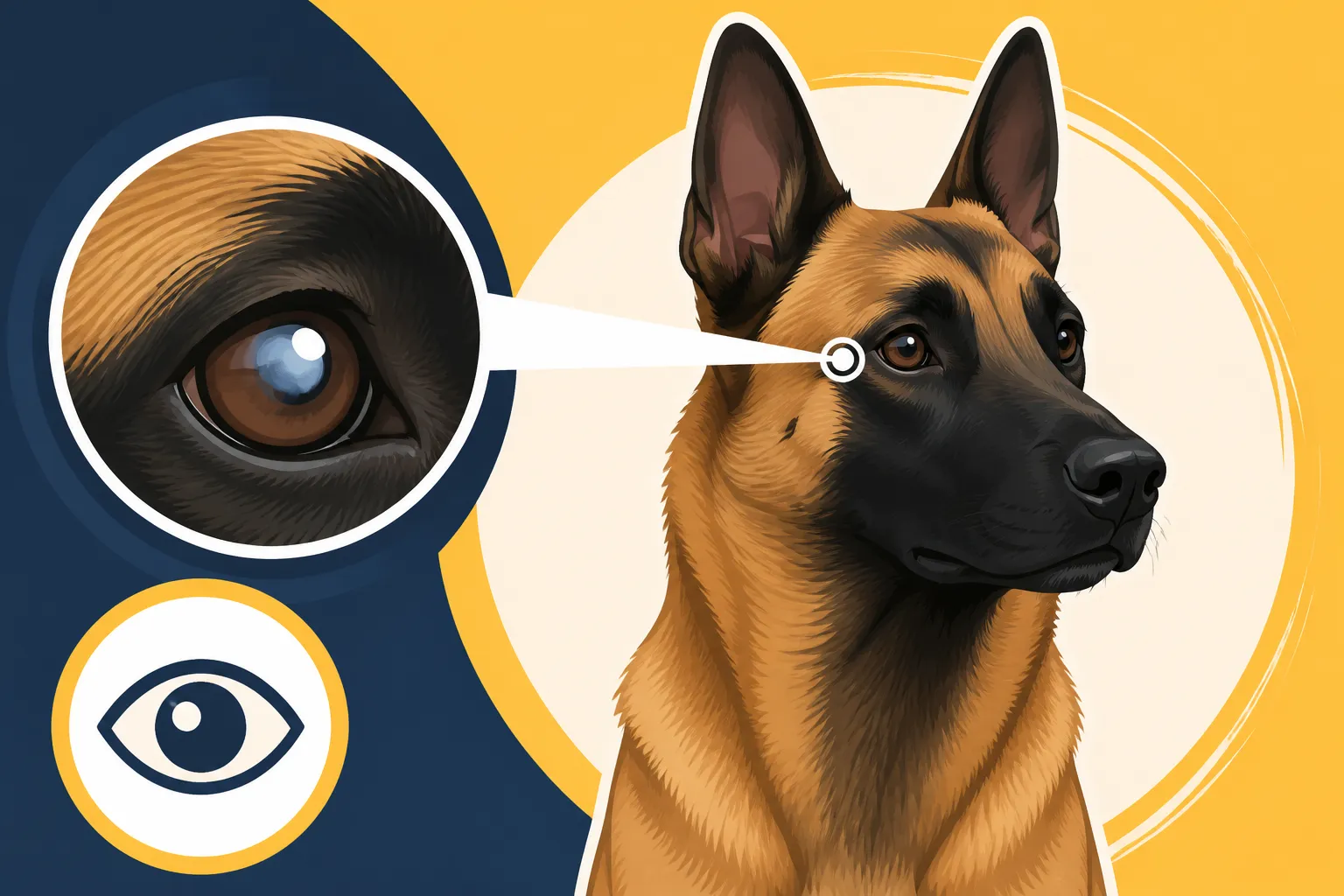
Imagine your dog's cornea, the clear outer layer of the eye, suddenly starting to get inflamed. That's essentially what pannus is. The immune system, for reasons not fully understood but with strong genetic links, mistakenly attacks the corneal tissue. This leads to the infiltration of inflammatory cells, blood vessels, and pigment into the cornea. Visually, this often manifests as a grayish, pinkish, or reddish film, sometimes accompanied by dark pigment, that starts to spread across the surface of the eye. It usually begins at the outer (lateral) edges of the eye and slowly progresses inward, eventually covering more and more of the cornea. Without intervention, this progression can lead to severe vision impairment or even blindness because the pigmented and vascularized tissue blocks light from reaching the retina.
Why Malinois Are Prone to Pannus
It’s a cruel irony that such an active, visually dependent breed like the Belgian Malinois is particularly susceptible to a debilitating eye condition like pannus. While pannus can affect any breed, it is overwhelmingly common in German Shepherds and, by extension, other closely related herding breeds, including our incredible Malinois. The scientific community strongly believes there's a significant genetic component at play, meaning certain lines are predisposed to developing the condition. It’s not simply a matter of bad luck; it’s often written into their genetic code.
However, genetics aren't the whole story. Environmental factors act as triggers, making the condition worse or even initiating its onset in a genetically predisposed dog. Sunlight, specifically the ultraviolet (UV) radiation, is the most well-documented environmental culprit. Think of it like sunburn for the eyes – chronic exposure can inflame the cornea and trigger the autoimmune response. This is why you'll often hear about Pannus and the Sunlight That Drives It in Malinois. High altitudes, where UV exposure is naturally more intense, also tend to correlate with a higher incidence and severity of the disease. It’s a perfect storm of genetic vulnerability meeting environmental challenge.
When Pannus Typically Makes Its Appearance
This is often the burning question for Malinois owners: when do I need to start actively looking for this? The reality is, while it can appear earlier or later, there's a general window when pannus tends to manifest.
The Common Age Range for Onset
For most Belgian Malinois, pannus doesn't show up in puppyhood, thankfully. Instead, it usually makes its unwelcome debut when they are in their prime, typically between two and six years of age. This is often when they are fully matured, actively working or training, and generally at their peak. It’s a frustrating time for owners to receive such a diagnosis, as these are the years you expect them to be robust and healthy.
However, it's crucial to understand that this is just a typical range. I’ve known dogs who presented with subtle signs closer to one year old, and others who didn’t show noticeable symptoms until they were much older, perhaps eight or nine. The severity can also vary wildly from dog to dog. Some might have a very slow, subtle progression, while others can develop advanced signs quite rapidly, especially if not living in an environment conducive to management. So, while the 2-6 year window is a good guideline, constant vigilance is required throughout your Malinois's adult life.
Early, Subtle Signs to Watch For
The trick with pannus is that it often starts subtly, easily dismissed as a minor irritation or conjunctivitis. Many owners don't realize what they're seeing until the condition is already well-established. This is why being aware of the specific early signs is so important for Malinois owners.
Initially, you might notice a slight haziness or a very fine, reddish-pink discoloration on the white part of the eye (sclera) near the outer corner, often near the third eyelid. This can easily be mistaken for dust, allergies, or a minor scratch. It usually appears as a The Grayish Film Creeping Across a Malinois Eye. You might also see tiny, delicate blood vessels starting to grow across the cornea from the edge. These aren't usually prominent at first, but they are a hallmark of pannus. Some dogs might also have a slightly thickened or redder-than-normal third eyelid. They might squint a little more in bright sunlight, or seem to be bothered by glare. As the condition progresses, the changes become more obvious: the film becomes denser, the red vessels more pronounced, and dark brown or black pigment starts to deposit on the cornea. This pigmentation is a desperate attempt by the eye to protect itself from harmful UV light, but ironically, it’s what ultimately blocks vision.
Here's a quick overview of what to look for:
| Symptom Feature | Early Stage | Later Stage |
|---|---|---|
| Corneal Appearance | Slight haziness, translucent reddish/pink film | Dense grey/pink film, dark brown/black pigmentation |
| Vascularization | Fine, sparse red blood vessels along edges | Thick, prominent blood vessels spreading across cornea |
| Third Eyelid | Mild thickening or redness | Often more inflamed, may be noticeably raised |
| Comfort Level | May squint in bright light, mild irritation | Obvious discomfort, vision impairment, light sensitivity |
| Progression | Slow, easily missed | Often accelerates without treatment, vision deteriorates |
Factors Influencing Pannus Development
While genetics are a foundational piece of the puzzle, they don't tell the whole story. Several environmental and physiological factors can significantly influence whether pannus develops, how early it starts, and how quickly it progresses in a Belgian Malinois. Understanding these can help you mitigate risk and be more proactive in care.
The Role of UV Light Exposure
As mentioned, UV light is a major accelerant for pannus. This isn’t just about dogs who spend all day sunbathing, though that certainly doesn't help. Even regular outdoor activity, especially during peak sunlight hours, contributes to cumulative UV exposure. For a working Belgian Malinois, who might spend hours training outdoors, whether it's for protection work, agility, or tracking, this exposure is a constant. The cornea simply isn't designed to handle prolonged, intense UV radiation when it's already predisposed to an autoimmune reaction.
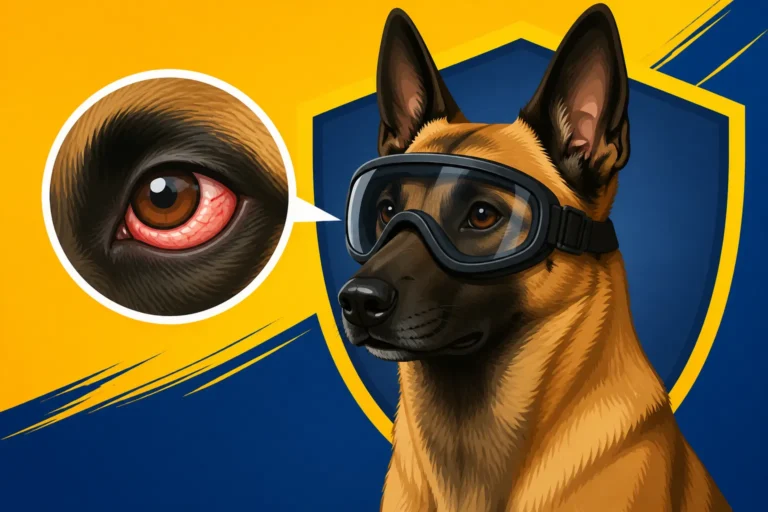
Areas with higher UV indices, such as those closer to the equator, places with less atmospheric ozone, or simply locations that experience many clear, sunny days, will see a higher incidence and often more aggressive forms of pannus. Owners in these regions really need to be extra vigilant and consider preventative measures early on. Simple things like ensuring shaded rest areas, training in the early morning or late afternoon, and even considering Goggles for a Belgian Malinois With Pannus can make a substantial difference in managing this relentless condition.
Geographic Location and Altitude
It's not just about sunny days; where you live geographically plays a huge role. For instance, if you live in Denver, Colorado, or other high-altitude areas, your Malinois is at a significantly increased risk. The thinner atmosphere at higher elevations means less UV radiation is filtered out, leading to more intense exposure for your dog. I’ve seen firsthand how Why Altitude Makes a Malinois's Pannus Worse, and it’s a stark reminder that geographical factors are not just abstract statistics.
Conversely, a Malinois living in a consistently overcast, lower-latitude region might have a slower onset or less severe progression, even if genetically predisposed. This doesn’t mean they won’t get it, but it underscores the environmental influence. Knowing your local climate and geographical conditions can help you assess your dog's individual risk and adjust their outdoor routine accordingly. This is part of responsible ownership for a Malinois, whose job often takes them outside.
Genetic Predisposition and Lineage
Ultimately, while environment plays a strong role, the underlying susceptibility to pannus is genetic. If your Malinois comes from lines where pannus is prevalent, their risk is significantly higher, regardless of how meticulously you manage their sun exposure. Responsible breeders will often be transparent about the health history of their breeding stock, including any incidence of pannus. Asking about the eye health of the parent dogs and their close relatives is a crucial step when choosing a Belgian Malinois puppy.
Unfortunately, a specific gene marker for pannus hasn't been definitively identified, making pre-screening difficult. This means owners must rely on breeder honesty and careful observation. It's a frustrating aspect because you can do everything right, and still, your dog might develop the condition due to inherent genetic vulnerability. This is also why regular vet check-ups are so important, as early signs can be missed by even the most attentive owner.
What to Do if You Suspect Pannus
Spotting those subtle changes in your Malinois's eyes can be unsettling, and it's natural to feel a pang of worry. The good news is that while pannus is chronic, it is manageable, especially with early and consistent treatment.
The Importance of Prompt Veterinary Diagnosis
If you notice any of the early signs – that slight haziness, reddish tinge, new blood vessels, or dark spots on the cornea – the absolute first step is to get your Malinois to the vet. Don't wait. Time is really of the essence here. A general practitioner can often make an initial diagnosis, but ideally, you’ll want to see a veterinary ophthalmologist, a specialist in animal eye conditions. They have the specialized equipment and expertise to properly diagnose pannus and rule out other eye conditions that might mimic its symptoms.
The ophthalmologist will use a slit lamp biomicroscope to examine the cornea, conjunctiva, and third eyelid in detail. They might also perform other tests, such as fluorescein staining to check for corneal ulcers (which can look similar but require different treatment) and a Schirmer tear test to assess tear production. A definitive diagnosis of pannus will then lead to a discussion about a long-term treatment plan. Remember, the earlier you catch it, the better the prognosis for controlling the disease and preserving your Malinois’s vision.
Management and Long-Term Care Considerations
Once diagnosed, pannus requires lifelong management. There is no cure, but there are highly effective treatments to control its progression and prevent vision loss. The cornerstone of treatment usually involves topical corticosteroids and/or cyclosporine eye drops or ointment. These medications work to suppress the overactive immune response in the eye. For many owners, it means a routine of Daily Eye Drops for a Malinois With Pannus, sometimes twice a day, for the rest of their dog’s life.
It can feel daunting to commit to this level of care, but it becomes second nature quickly. Regular follow-up appointments with the vet ophthalmologist are essential to monitor the condition, adjust medication dosages as needed, and ensure the treatment is effective. They will assess How Far Pannus Progresses in an Untreated Malinois and fine-tune your approach. For some severe cases, other treatments like radiation therapy or even cryosurgery might be considered, but these are less common and typically reserved for dogs that don't respond to topical medications.
Beyond medication, environmental management is crucial. Minimizing UV exposure is vital. This means avoiding peak sun hours, providing ample shade outdoors, and considering canine UV protection goggles, especially for active working dogs or those in sunny, high-altitude regions. This aspect of Eye Care on a Malinois Prone to Pannus is just as important as the medication itself. The financial aspect of lifelong treatment can also be a concern. Many owners wisely invest in pet insurance policies from reputable providers like Healthy Paws, which can help cover the ongoing costs of medication, vet visits, and specialist consultations. Knowing that Whether Insurance Covers a Malinois's Pannus Drops can be a huge relief, making consistent care more accessible.
Pannus can be a challenging diagnosis, but with vigilance, early intervention, and consistent management, your Belgian Malinois can continue to live a full, happy life with clear vision for many years to come.
Disclaimer
This article is intended for informational purposes only and does not constitute veterinary advice. Always consult with a qualified veterinarian or veterinary ophthalmologist for any health concerns or before making any decisions about your Belgian Malinois's medical care.