Why Altitude Makes a Malinois’s Pannus Worse
It’s a heart-wrenching moment when you first notice that tell-tale grayish film creeping across your Belgian Malinois's eyes, especially when you're doing everything right to keep them healthy. For those of us living in or near higher elevations, managing a condition like pannus can feel like an uphill battle, literally. This guide is dedicated to demystifying why altitude often makes your Malinois's pannus worse and, more importantly, how you can proactively shield your fiercely loyal companion from its compounding effects.
Understanding Pannus in Belgian Malinois
Pannus, officially known as chronic superficial keratitis, is one of those frustrating, lifelong conditions that Belgian Malinois owners often face. It's not just a cosmetic issue; it's a progressive inflammatory disease that can significantly impair vision if left unchecked. The challenge lies in its chronic nature and the fact that certain environmental factors can fan its flames, turning a manageable condition into a rapidly worsening one.
The Autoimmune Component of Pannus
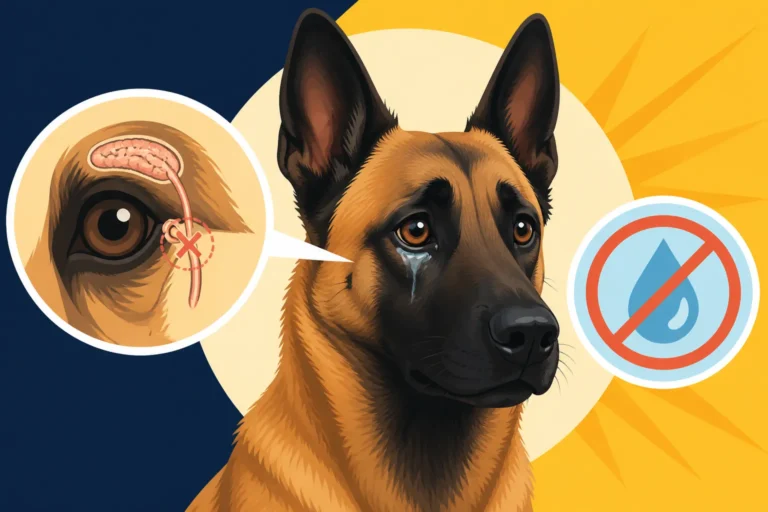
At its core, pannus is an autoimmune disease, meaning your Malinois's own immune system mistakenly attacks the superficial layers of its cornea (the clear front surface of the eye) and sometimes the nictitating membrane (the third eyelid). This isn't a simple infection that clears up with antibiotics; it's a complex, misguided immune response. You might notice blood vessels invading the clear cornea, appearing as red streaks, along with pigment deposition that darkens the eye's surface. This pigment, called melanin, can spread and form a thick, dark layer, gradually obscuring your dog's vision.
Genetics play a significant role here, with Belgian Malinois, German Shepherds, and Greyhounds being particularly predisposed. While we don't fully understand the exact genetic markers yet, it's clear that certain bloodlines carry a higher risk. This predisposition means that even without obvious triggers, some Malinois will develop pannus, but external factors are often the accelerant. Recognizing it early, even when it's just a faint, reddish haze, is crucial for effective management.
How Sunlight Acts as a Trigger
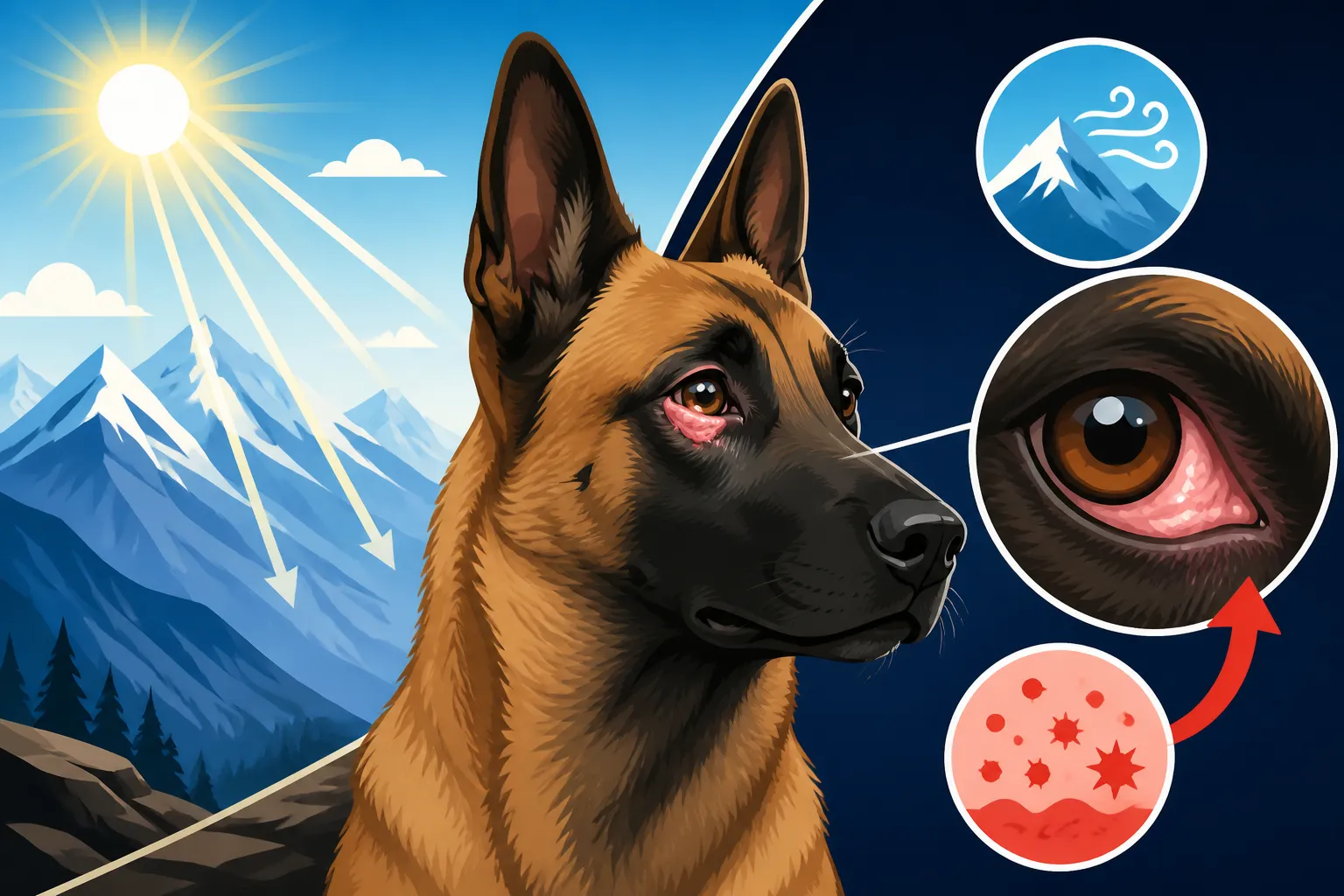
If pannus has an accelerant, it’s undeniably ultraviolet (UV) radiation from the sun. Think of it like a sunburn for the eye, but instead of just redness, it triggers that autoimmune attack. The T-cells, which are part of the immune system, become overactive when exposed to UV light, leading to the inflammation and blood vessel growth characteristic of pannus. This is why you often hear veterinarians emphasize limiting sun exposure and providing shade.
The problem isn't just direct, glaring sunlight. Reflected UV from snow, water, or even light-colored surfaces can contribute significantly. This is particularly relevant for active Malinois who spend a lot of time outdoors in various environments. The constant exposure, even if seemingly mild, accumulates over time and pushes the disease forward. Understanding that Pannus and the Sunlight That Drives It in Malinois is a primary concern is the first step in formulating a solid management plan for your companion.
The High-Altitude Environment and Its Impact
Now, let's layer in the specific challenge of altitude. Many Malinois owners live in beautiful, active areas with elevated terrain, from the mountains of Colorado to the high deserts of Arizona. While these environments offer incredible opportunities for outdoor activities with your dog, they also present unique stressors, especially for a Malinois battling pannus.
Increased UV Exposure at Higher Altitudes
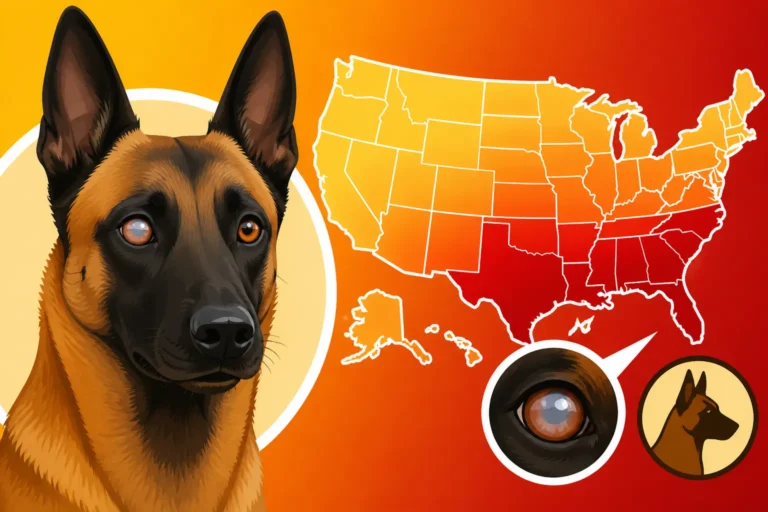
This is perhaps the most critical factor. The higher you go, the thinner the Earth's atmosphere becomes. A thinner atmosphere means less natural filtering of harmful UV radiation. For every 1,000 feet (approximately 300 meters) of elevation gain, UV intensity increases by about 10-12%. So, a Malinois living in Denver, Colorado (about 5,280 feet above sea level), or Flagstaff, Arizona (around 7,000 feet), is consistently exposed to significantly stronger UV rays than a dog at sea level.
Think about how quickly you can get a sunburn hiking in the mountains compared to a beach vacation. The same principle applies to your Malinois's eyes. This heightened UV exposure acts as a constant, more potent trigger for pannus progression. It’s not just about the summer months either; even on cloudy days, a substantial amount of UV radiation can penetrate the cloud cover, and snow-covered landscapes at altitude can reflect up to 80% of UV rays, creating a double whammy for unprotected eyes. This is why discussing Why Altitude Makes a Malinois's Pannus Worse is so crucial; it's a direct threat multiplier.
Atmospheric Pressure and Oxygen Levels
While increased UV is the undisputed heavyweight champion of altitude's impact on pannus, there's some emerging thought on how other atmospheric changes might play a secondary role. High altitudes are characterized by lower atmospheric pressure and consequently, lower partial pressure of oxygen. This means there's less oxygen available with each breath. While dogs are generally good at adapting to hypoxia (low oxygen), these subtle physiological shifts can influence cellular functions and immune responses over time.
For an already compromised system, like the eyes of a Malinois with pannus, this could mean that the body's ability to repair and regulate inflammation might be subtly affected. While direct links between lower oxygen and pannus flare-ups are not as well-established as UV radiation, the overall stress on the body from adapting to a high-altitude environment could, theoretically, reduce its resilience. It's a complex interplay, and every little bit of physiological stress can contribute to the body's inflammatory load, potentially making the eyes more susceptible to the primary UV trigger.
The Combined Effect: Altitude, Sunlight, and Pannus Progression
When you put all these factors together, it creates a challenging environment for a Malinois with pannus. It's like having multiple stressors constantly pushing the disease forward, making it harder to manage and potentially leading to more rapid and severe eye damage.
Accelerated Disease Progression
Imagine a Malinois living in a sunny, high-altitude city like Santa Fe, New Mexico, where the elevation is around 7,000 feet and sunlight is abundant almost year-round. This dog is receiving a continuous, amplified dose of the primary trigger for pannus. What might be a slow, manageable progression at sea level can become an aggressive, fast-moving threat at altitude. The pigmented lesions can spread more quickly across the cornea, and the vascularization (blood vessel invasion) can become more pronounced. This isn't just an inconvenience; it can lead to permanent vision loss if not addressed with heightened vigilance and proactive care.
The constant inflammatory cascade means that the eyes are under perpetual attack. Even with diligent medication, the environmental pressure can push the boundaries of what the medication can effectively control. Owners might find themselves needing more frequent vet visits, stronger concentrations of eye drops, or additional therapies to keep the disease at bay. It's a testament to the powerful, compounding effect of these environmental factors.
Challenges for Working Malinois at Altitude
For working Belgian Malinois, whether they're police K9s, search and rescue dogs, or high-level sport competitors, the challenges are even greater. These dogs are designed to be outdoors, performing demanding tasks that often require intense focus and clear vision. If a police Malinois is working patrol in a city like Salt Lake City, Utah (around 4,200 feet), or is deployed for mountain search and rescue, their eyes are constantly exposed.
Visual impairment from pannus isn't just uncomfortable; it can compromise their ability to perform their job safely and effectively. Imagine a detection dog missing a subtle cue because its vision is cloudy, or a protection dog misjudging a bite because of reduced peripheral vision. Furthermore, the necessary shade routines or eye protection, while vital, can sometimes interfere with their work or training, requiring careful adaptation of protocols. This highlights why understanding Whether a Malinois With Pannus Should Work Outdoors is such a serious consideration for their handlers.
Mitigating the Effects of Altitude on Malinois Pannus
While the outlook might seem daunting for Malinois owners at altitude, proactive and consistent management can make a world of difference. It requires a dedicated approach that combines protective measures, diligent medication, and overall lifestyle adjustments.
Essential Eye Protection Strategies
Protecting your Malinois's eyes from UV radiation, especially at altitude, is paramount. This isn't a "nice to have"; it's a "must-do." The first line of defense is physical protection. Specialized dog goggles, often called "Doggles" (like those made by brands such as Rex Specs or Doggles, for example), are specifically designed to fit a dog's face comfortably and block a high percentage of UV rays. It's crucial to acclimate your Malinois to wearing them early and consistently. Start with short durations in low-stress environments, gradually increasing wear time. They might resist at first, but with patience and positive reinforcement, most Malinois can learn to tolerate them.
Beyond goggles, strategic timing of outdoor activities is vital. Avoid peak UV hours, typically between 10 AM and 4 PM. If your Malinois must be outside during these times, seek out shaded areas – natural tree cover, awnings, or even portable canopies for training sessions. For vehicle transport, consider window tinting that blocks UV rays, or ensure your dog’s crate is positioned away from direct sunlight. Integrating Shade Routines for a Light Sensitive Belgian Malinois into their daily life is non-negotiable for their long-term eye health.
Medication Management and Veterinary Oversight
Pannus is a medical condition requiring ongoing veterinary care and consistent medication. The cornerstone of treatment involves topical immunosuppressants, primarily corticosteroids or calcineurin inhibitors like cyclosporine and tacrolimus. These medications work by suppressing the localized immune response that causes the inflammation and pigmentation. Your veterinarian will typically prescribe eye drops that need to be administered once or twice daily, for life. This consistency is absolutely critical. Missing doses, even for a few days, can lead to a flare-up that is much harder to bring back under control.
For Malinois at high altitudes, your vet might recommend a more aggressive initial treatment protocol or a higher maintenance dose to combat the increased environmental challenge. Regular follow-up appointments, often every 3-6 months, are essential to monitor the disease progression and adjust medication as needed. This often involves staining the eye to check for ulcers, measuring tear production, and visually assessing the extent of pigmentation and vascularization. It's also worth investigating pet insurance options, like Healthy Paws, which can help cover the ongoing costs of these lifelong medications and specialist visits, alleviating some of the financial burden for owners. Understanding Treating Pannus in a Belgian Malinois for Life is about preparing for a journey, not a quick fix.
Lifestyle Adjustments for Malinois in High-Altitude Regions
Managing pannus at altitude extends beyond just eye drops and goggles; it encompasses a holistic approach to your Malinois's well-being. Keeping your dog generally healthy and free from other stressors can help their immune system function more optimally.
Consider a balanced diet rich in antioxidants, which can support overall eye health and reduce systemic inflammation. Ensure they are well-hydrated, especially at higher elevations where dehydration can be more pronounced. Beyond physical health, consider their mental state. A stressed Malinois, regardless of altitude, might have a compromised immune system. Maintain consistent training and a stable routine to minimize anxiety. For a working or sport Malinois, adjust their training schedule to account for the increased UV exposure and potentially lower oxygen levels, perhaps opting for early morning or late evening sessions. Consulting with a veterinary ophthalmologist, especially if you live in an area known for severe pannus cases, can provide specialized insights. This might involve discussing What a Malinois Pannus Specialist Visit Costs versus the potential long-term benefits of expert guidance.
Long-Term Outlook and Owner Responsibilities
Living with a Malinois affected by pannus, especially in a high-altitude environment, requires unwavering commitment. It's a lifelong partnership where your vigilance directly impacts your dog's quality of life and vision.
Commitment to Lifelong Care
Pannus is not a curable condition; it's manageable. This means that once diagnosed, your Malinois will likely need medication and protective measures for the rest of their life. The goal of treatment is to halt the progression of the disease and prevent further vision loss, not to eradicate it completely. Regular administration of eye drops, consistent use of goggles during sun exposure, and scheduled veterinary check-ups are not optional; they are fundamental pillars of their care. You'll become an expert at noticing subtle changes in their eyes, recognizing when a flare-up might be starting, and understanding the importance of adherence to the treatment plan.
Financial planning is also a part of this commitment. The cost of daily eye drops, periodic specialist visits, and potentially even insurance (remembering that a provider like Healthy Paws can often provide substantial support for chronic conditions once a pet is enrolled) adds up over a Malinois's lifespan. Being prepared for these ongoing expenses ensures that you can always provide the best care without compromise.
Advocacy and Education
As a Belgian Malinois owner, you are often your dog's strongest advocate. This is particularly true when managing a condition like pannus in challenging environments. Don't hesitate to ask your vet questions, seek second opinions from veterinary ophthalmologists, and educate yourself about the latest research and treatment options. If you're new to a high-altitude area, share this specific concern with your vet from the outset.
Beyond your own dog, consider advocating for responsible breeding practices. Awareness about genetic predispositions to conditions like pannus can encourage breeders to screen their lines more rigorously, potentially reducing the incidence of the disease in future generations. By staying informed and proactive, you ensure your Malinois enjoys the fullest, most comfortable life possible, even when faced with the intensified challenges of living high above sea level. It's truly about understanding How Far Pannus Progresses in an Untreated Malinois and taking every possible step to prevent that outcome.
| Factor | Impact at Sea Level (Lower Altitude) | Impact at High Altitude | Mitigation Strategies |
|---|---|---|---|
| UV Radiation | Moderate exposure, less atmospheric filtering needed | Significantly increased exposure, thinner atmosphere, more potent trigger | Goggles, shade, avoid peak sun, tinted windows |
| Pannus Progression | Slower, more manageable with consistent treatment | Accelerated, more aggressive, harder to control | More vigilant medication, frequent vet checks, specialist consultation |
| Working Dog Challenge | Manageable risk, easier to adapt training schedules | Greater risk of vision impairment affecting performance, complex adaptation | Strategic training times, mandatory eye protection, review job suitability |
| Physiological Stress | Lower general environmental stress on the body | Potential subtle stress from lower oxygen/pressure, adds to inflammatory load | Holistic health, diet, stress reduction, vet monitoring |
| Treatment Intensity | Standard topical immunosuppressants often sufficient | May require higher doses, more frequent application, or additional therapies | Strict adherence to medication, proactive adjustments with vet |
Disclaimer
The information provided in this article is for general informational purposes only and is not a substitute for professional veterinary advice. Always consult with a qualified veterinarian or veterinary ophthalmologist for any health concerns or before making any decisions related to your Belgian Malinois's health and treatment. Individual results may vary based on specific circumstances and your dog's unique condition.