Where in the Country Malinois Pannus Is Worst
It's truly heartbreaking to watch your active Belgian Malinois struggle with an eye condition like pannus, especially when it feels like the environment itself is working against them. Many owners worry if their location exacerbates this frustrating issue. This guide will meticulously explore where in the country pannus tends to be most severe and why, empowering you with knowledge to protect your beloved Malinois from this often progressive and vision-threatening condition.
Understanding Pannus and Its Triggers
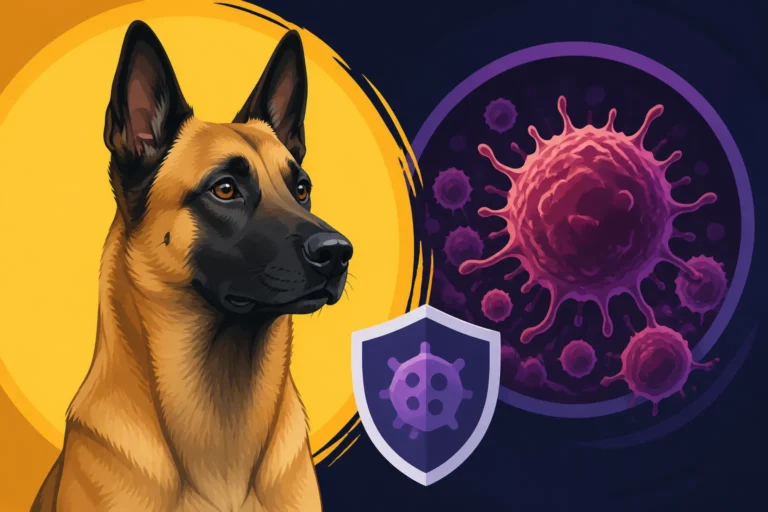
Pannus, medically known as Chronic Superficial Keratitis, isn't just an inconvenience; it's a serious autoimmune disease that can drastically impact your Malinois's vision and quality of life. Owners often feel a deep sense of frustration, wondering why their otherwise robust and healthy dog is suddenly developing this persistent eye problem. It's a condition that demands vigilance and long-term commitment, and understanding its roots is the first step toward effective management.
What Exactly is Pannus?
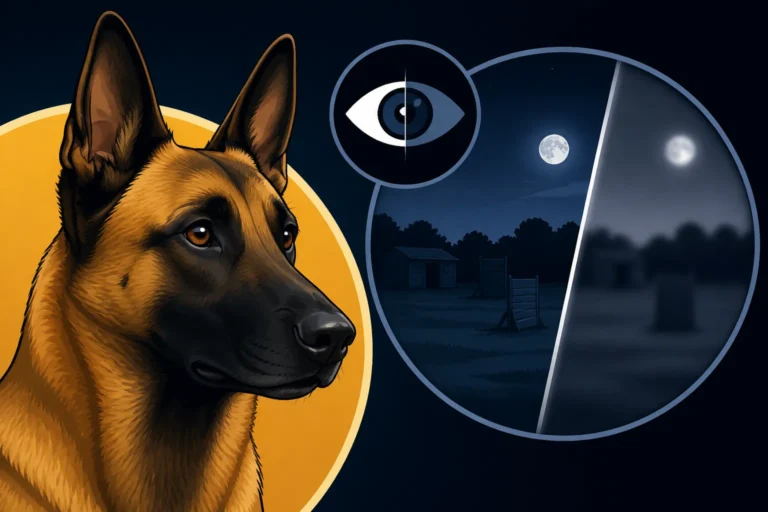
At its core, pannus is an inflammatory condition affecting the cornea (the clear outer layer of the eye) and sometimes the nictitating membrane (the third eyelid). It manifests as a reddish, fleshy, and sometimes grayish film that creeps across the surface of the eye, starting usually from the outer corner and moving inward. This progressive infiltration of blood vessels and pigment can, if left untreated, eventually cover the entire cornea, leading to significant vision impairment or even blindness. Imagine trying to see the world through a constantly growing red and cloudy film – that's what your Malinois is experiencing. It’s an autoimmune response where the body mistakenly attacks its own corneal tissue, making it a particularly stubborn foe.
The initial signs can be subtle: a slight redness, maybe a bit of tearing, or squinting in bright light. But without intervention, that tiny red spot can quickly expand. Many owners initially dismiss these symptoms, thinking it's just allergies or a minor irritation, only to be hit with the diagnosis later. This delay can allow the condition to take a firmer hold, making subsequent treatment more challenging. It’s a chronic condition, meaning once it appears, it's usually something your Malinois will battle for the rest of their life, requiring consistent care.
The Role of UV Radiation
While pannus is an autoimmune disease, its severity and progression are heavily influenced by environmental factors, with ultraviolet (UV) radiation being the absolute biggest culprit. Think of UV light as the fuel to the fire of pannus. The more intense and prolonged your Malinois's exposure to UV rays, the more likely the condition is to develop, worsen, and spread across the cornea. This isn't just about direct sunlight; reflected UV from snow, water, sand, or even light-colored concrete can be just as damaging, often hitting the eyes from unexpected angles.
This means that a Malinois living in an area with clear skies and lots of outdoor time is at a much higher risk than one living in a perpetually overcast climate or spending most of their time indoors. The sunlight literally drives the disease, causing oxidative stress and inflammation that triggers and exacerbates the autoimmune response in the eye. It's a frustrating reality for Malinois owners who value outdoor activity, as the very thing that makes their dogs thrive – being outside and active – can also be a significant threat to their eye health. Understanding Pannus and the Sunlight That Drives It in Malinois is critical for managing this condition.
Genetic Predisposition in Malinois
It’s not just the sun, though. There's a strong genetic component to pannus, which is why certain breeds, including our beloved Belgian Malinois, are disproportionately affected. While any dog can technically develop pannus, some breeds, particularly German Shepherds and their close relatives like the Malinois, have a genetic predisposition that makes them much more susceptible. It’s a bitter pill to swallow when you’ve chosen a breed known for its robust health and working ability, only to find they carry a genetic vulnerability to such a persistent ailment.
This genetic link means that even if a Malinois lives in a relatively low-UV environment, they could still develop pannus, though it might be less severe or slower to progress. It also means that dogs from lines with a history of pannus are more likely to pass that susceptibility on to their offspring. Responsible breeders will often track occurrences of pannus in their lines, but it’s a tricky condition because it’s not a simple recessive gene, and environmental factors play such a huge role. For owners, this genetic predisposition underscores the importance of being proactive with The Eye Diseases Behind a Malinois Eye Certificate and regular veterinary check-ups, especially in environments that are known to accelerate the disease.
Geographic Hotspots for Malinois Pannus
While pannus can theoretically appear anywhere, certain regions of the country act like superchargers for the disease due to their unique environmental conditions. If you live in or are considering moving to one of these areas with a Malinois, you absolutely need to be extra vigilant and proactive. The difference in disease progression between a Malinois in, say, foggy Seattle and one in sunny Phoenix can be stark.
Sunny Climates and High Altitudes
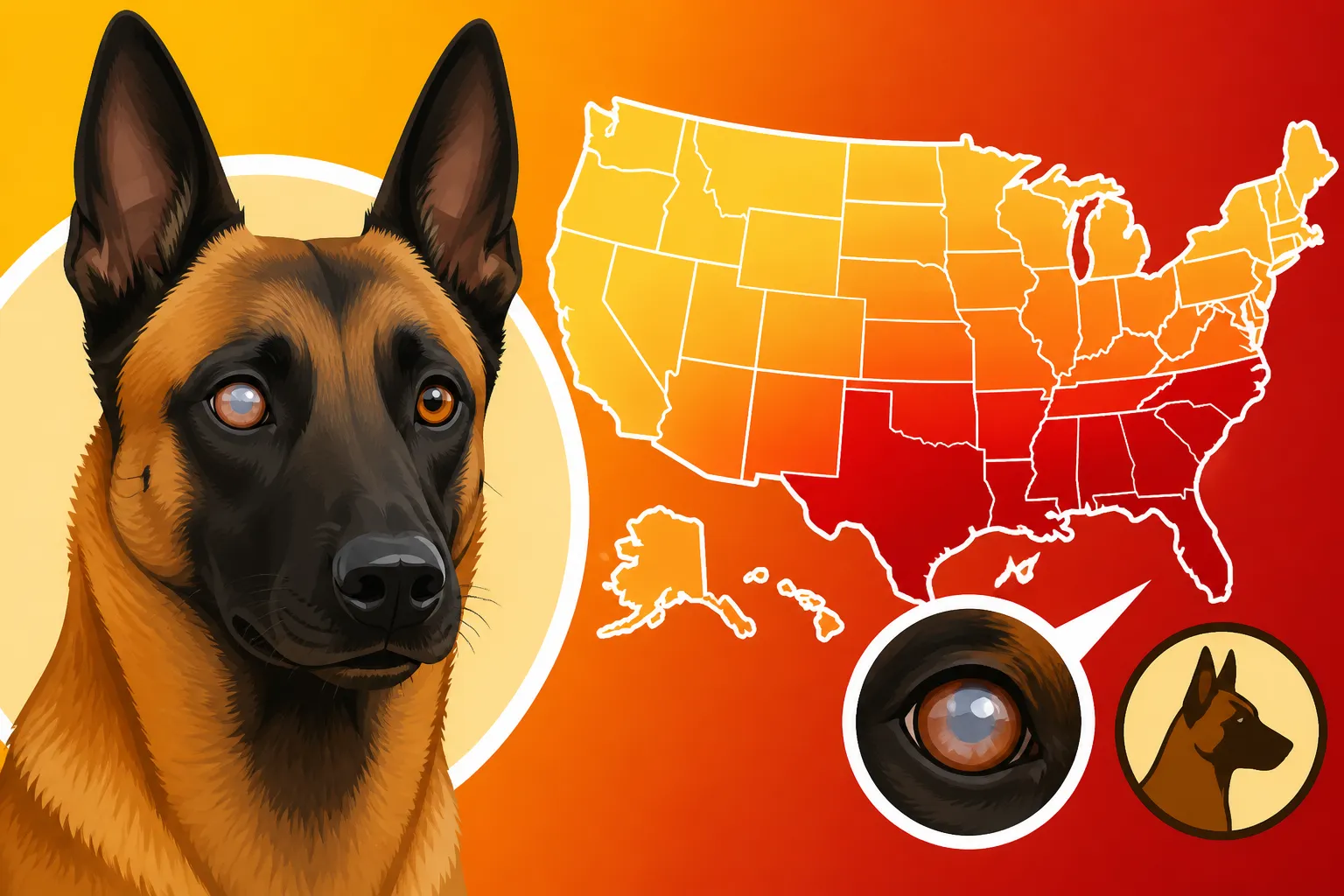
Without a doubt, the absolute worst places for Malinois pannus are regions characterized by high UV exposure. This often means areas with abundant sunshine year-round and, critically, high altitudes. Why? Because the higher the elevation, the thinner the atmosphere, and the less UV radiation is filtered out before it reaches the ground. This scientific fact translates directly into a higher risk for your Malinois’s eyes.
Consider places like Colorado, especially at elevations above 5,000 feet. The clear mountain air combined with intense sun makes it a prime hotspot. Similarly, the desert states of Arizona, New Mexico, Nevada, and parts of Southern California experience extremely high UV indices for much of the year, often with very little cloud cover. Even states like Florida or coastal areas of Texas and Louisiana, while not high in altitude, boast intense sun and often have reflective surfaces like water or sand that amplify UV exposure. It’s not just a theoretical risk; veterinarians in these regions often see pannus cases that are more aggressive and challenging to manage. If your Malinois lives in one of these areas, or if you're planning to visit for extended periods, it's vital to understand Why Altitude Makes a Malinois's Pannus Worse and take extra precautions.
| Geographic Factor | UV Exposure Level | Pannus Risk for Malinois | Common Regions/Examples |
|---|---|---|---|
| High Altitude, Sunny | Very High | Very High | Colorado, Utah, New Mexico (mountainous/desert) |
| Low Altitude, Sunny | High | High | Florida, Southern California, Arizona (desert/coastal) |
| High Altitude, Overcast | Moderate | Moderate | Parts of Pacific Northwest mountains |
| Low Altitude, Overcast | Low to Moderate | Low to Moderate | Pacific Northwest coast, Great Lakes region (less sun) |
| Snow/Water Reflection | High | Elevated | Ski resorts, beaches, large lakes anywhere |
Specific Regions and Environmental Factors
Beyond just sun and altitude, other regional environmental factors can contribute to the severity of pannus. Think about environments that naturally increase irritation or reflectivity. For example, in dusty, windy regions, such as parts of the Midwest or Southwest, constant particulate matter in the air can cause chronic irritation to the eyes, potentially exacerbating an existing pannus condition or making the eyes more susceptible to UV damage. While dust itself doesn't cause pannus, irritated eyes are generally more vulnerable.
Coastal areas, even those not considered high-UV, might still pose a risk due to the reflection of sunlight off water. A Malinois frequently at the beach, even on a cloudy day, could be getting a significant dose of reflected UV. Similarly, regions with heavy snow cover for extended periods, like many northern states (e.g., Minnesota, Wisconsin, New England), present a different kind of UV challenge: snow dramatically reflects UV light, hitting the dog's eyes from below. This can be especially deceptive because people often associate winter with lower UV risk, but the reflection can be intense. So, it's not just "hot" places, but any environment where UV rays are amplified or the eyes are chronically irritated that can make pannus worse for a genetically predisposed Malinois.
Why City Versus Rural Can Matter
The distinction between urban and rural living environments can also surprisingly influence pannus severity, though often in more nuanced ways than sheer UV intensity. In an urban setting, while there might be less wide-open, unfiltered exposure, the presence of numerous reflective surfaces like concrete sidewalks, glass buildings, and parked cars can bounce UV rays around, creating a complex web of exposure. City pollution and particulate matter can also contribute to eye irritation, making the corneas more sensitive.
Conversely, a Malinois living in a rural environment might have access to vast open spaces, but this often means more direct, prolonged exposure to sunlight without the mitigating factors of shade from tall buildings. A farm dog working in open fields, for instance, might spend hours under direct sun with little natural shade, especially if trees are sparse. Owners in these settings might also be less inclined to use sun protection like goggles, assuming the "natural" environment is safer. The key is often the amount of consistent, unmitigated UV exposure, whether it's direct in a rural field or reflected in an urban canyon. Owners need to assess their specific surroundings, not just the general category, to best protect their Malinois's eyes.
Mitigating Pannus Risk in High-Exposure Areas
Living in a pannus hotspot doesn't mean you can't have a happy, healthy Malinois, but it absolutely means you need to be hyper-vigilant and proactive. Ignoring the risk is not an option when your dog's sight is on the line. Owners often feel overwhelmed by the constant management, but with a consistent routine, you can significantly reduce the impact of this condition.
Lifestyle Adjustments for Sun Protection
The most straightforward way to combat UV-driven pannus is to limit UV exposure. This means adjusting your Malinois's daily routine, especially during peak sunlight hours. Avoid training, long walks, or extended outdoor playtime between 10 AM and 4 PM when the sun's rays are strongest. Instead, schedule activities for early mornings or late evenings. If your Malinois needs to be outside during these hours, seek out shaded areas. Utilize dog runs with covers or large shade sails in your yard. Planting shade trees, if feasible, can also make a long-term difference.
For Malinois that spend time in vehicles, especially those secured in crates in truck beds or SUV cargo areas, ensure proper shading. Tinted windows are a start, but additional reflective window covers or sun shades for crates are invaluable. Remember that light bouncing off pavement can still reach their eyes. These aren't just minor suggestions; they are crucial lifestyle shifts that become non-negotiable for dogs prone to or suffering from pannus. Simple actions like adhering to Shade Routines for a Light Sensitive Belgian Malinois can make a profound difference in slowing the progression of the disease.
Proactive Veterinary Care and Monitoring
Early detection and consistent veterinary oversight are paramount for managing pannus, especially in high-risk areas. Regular eye examinations by a veterinarian are essential, even if you don't immediately notice symptoms. A vet can spot subtle changes in the cornea or third eyelid before they become obvious to the untrained eye. If pannus is diagnosed, your vet will likely prescribe topical corticosteroids or cyclosporine eye drops, which need to be administered diligently, often for life. For more insights on this, you might find valuable information in Daily Eye Drops for a Malinois With Pannus.
Don't hesitate to seek out a veterinary ophthalmologist if your general practitioner finds the condition challenging to control. These specialists have advanced diagnostic tools and treatment options, including cryosurgery or superficial keratectomy in severe cases. They can also provide more nuanced advice tailored to your specific climate and your Malinois's individual needs. Financial planning for these ongoing medical costs is wise, and many owners find that pet insurance, such as a policy from Healthy Paws, can significantly alleviate the burden of continuous medication, specialist visits, and potential surgical interventions for chronic conditions like pannus. It’s a peace of mind to know that the lifelong commitment to your dog’s health can be supported.
Essential Gear for Outdoor Malinois
For Malinois that must work or train outdoors in sunny environments, protective gear is not a luxury; it’s a necessity. Dog goggles, often called "Doggles" (a brand like Rex Specs is popular among working dog handlers), are specifically designed to filter out harmful UV rays. Introducing these early and making them a positive experience is key. Start with short wear times, associate them with treats and praise, and gradually increase the duration. Some dogs take to them quickly, others require more patience, but the effort is worth it to protect their sight.
Beyond goggles, consider visors or hats designed for dogs. While they don't offer full protection, they can provide additional shade from direct overhead sun. Even something as simple as ensuring your Malinois has access to a shaded "place" during outdoor training sessions can make a difference. The goal is to create a physical barrier against UV radiation whenever your dog is in a high-exposure environment. For a deeper dive into this, check out Goggles for a Belgian Malinois With Pannus. Investing in this gear is part of the commitment to a working Malinois, much like you'd invest in quality equipment for yourself.
Living With Pannus No Matter Where You Are
A diagnosis of pannus can feel like a life sentence, both for your Malinois and for you as an owner. The reality is that it's a chronic condition that requires unwavering dedication, but it is manageable. Many Malinois with pannus live long, fulfilling lives with appropriate care. It just means adapting to a "new normal" and understanding the marathon, not sprint, nature of the treatment.
Managing Daily Treatment Routines
The cornerstone of pannus management is consistent, lifelong administration of eye medications, typically topical corticosteroids and/or cyclosporine drops. This usually means applying drops once or twice a day, every single day, without fail. Missing doses can allow the inflammation to flare up, setting back progress and potentially leading to irreversible pigment deposition. This can be incredibly challenging for busy owners or those with multiple dogs, but it's non-negotiable for preventing vision loss. It's a daily ritual that becomes as ingrained as feeding or walking.
It's not just about the drops, though. It’s also about regular monitoring at home. Keep an eye on any changes in the cornea – increased redness, new pigmentation, or cloudiness. Communicate these observations to your vet promptly. Sometimes, the dosage or type of medication needs to be adjusted based on the eye's response. This constant vigilance is part of the commitment to Treating Pannus in a Belgian Malinois for Life. This daily routine, while demanding, is what allows your Malinois to maintain their vision and comfort, even if they're still in a region where pannus is worse.
The Emotional Toll on Owners
Let's be real: managing a chronic condition like pannus takes an emotional toll on owners. The initial shock of the diagnosis, the worry about their dog's vision, the daily grind of administering eye drops, and the financial strain of ongoing medication and vet visits can be exhausting. Many owners feel a deep sense of guilt, wondering if they could have done something differently, or if their choice of living in a sunny climate was somehow negligent. These feelings are valid and normal. It’s tough to constantly battle something that feels beyond your control.
The frustration can be compounded when you see the condition progress despite your best efforts, or when your high-drive Malinois resists eye drops, turning a simple task into a wrestling match. It’s okay to feel overwhelmed. Remember that you are doing everything you can for your dog, and managing pannus is a testament to your dedication. Don't be afraid to acknowledge these feelings and seek support, whether from your vet, fellow Malinois owners, or online communities. You're not alone in this journey.
Support Systems and Resources
No one should have to navigate the complexities of pannus alone. Leaning on support systems and utilizing available resources can make the journey much more manageable. Connect with other Belgian Malinois owners, especially those who have experience with pannus. Online forums, breed-specific social media groups, and local working dog clubs can be invaluable for sharing tips, commiserating, and finding encouragement. Sometimes just knowing someone else understands the struggle of getting Eye Care on a Malinois Prone to Pannus into a wriggly Malinois makes all the difference.
Beyond informal support, don't underestimate the expertise of your veterinary team. They are your primary resource for medical advice, but they can also offer practical tips for administering medication or managing environmental factors. If financial concerns are a major stressor, investigate pet insurance options. Providers like Healthy Paws offer comprehensive coverage that can help offset the significant, ongoing costs of chronic conditions, ensuring you can prioritize your Malinois’s health without crippling your budget. There are also breed-specific rescues and foundations that sometimes offer grants or assistance for working dogs with chronic health issues. Remember, an informed and supported owner is an empowered owner, better equipped to give their Malinois the best possible life.
Disclaimer
The information provided in this guide is for general informational purposes only and does not constitute veterinary advice. Always consult with a qualified veterinarian or veterinary ophthalmologist for any health concerns or before making any decisions related to your Belgian Malinois's care, especially regarding conditions like pannus.