Night Blindness Setting In on a Malinois
Many Belgian Malinois owners eventually notice their energetic companions hesitating in dim light or bumping into familiar furniture after dusk, a worrying change that points to night blindness. This comprehensive guide will walk you through understanding what night blindness is, how to spot its subtle onset, the potential causes, and most importantly, practical strategies to diagnose, manage, and adapt your life to support your Malinois through this challenging condition, a journey often supported by thoughtful planning and pet insurance like Healthy Paws.
What is Night Blindness and How Does it Affect a Malinois?
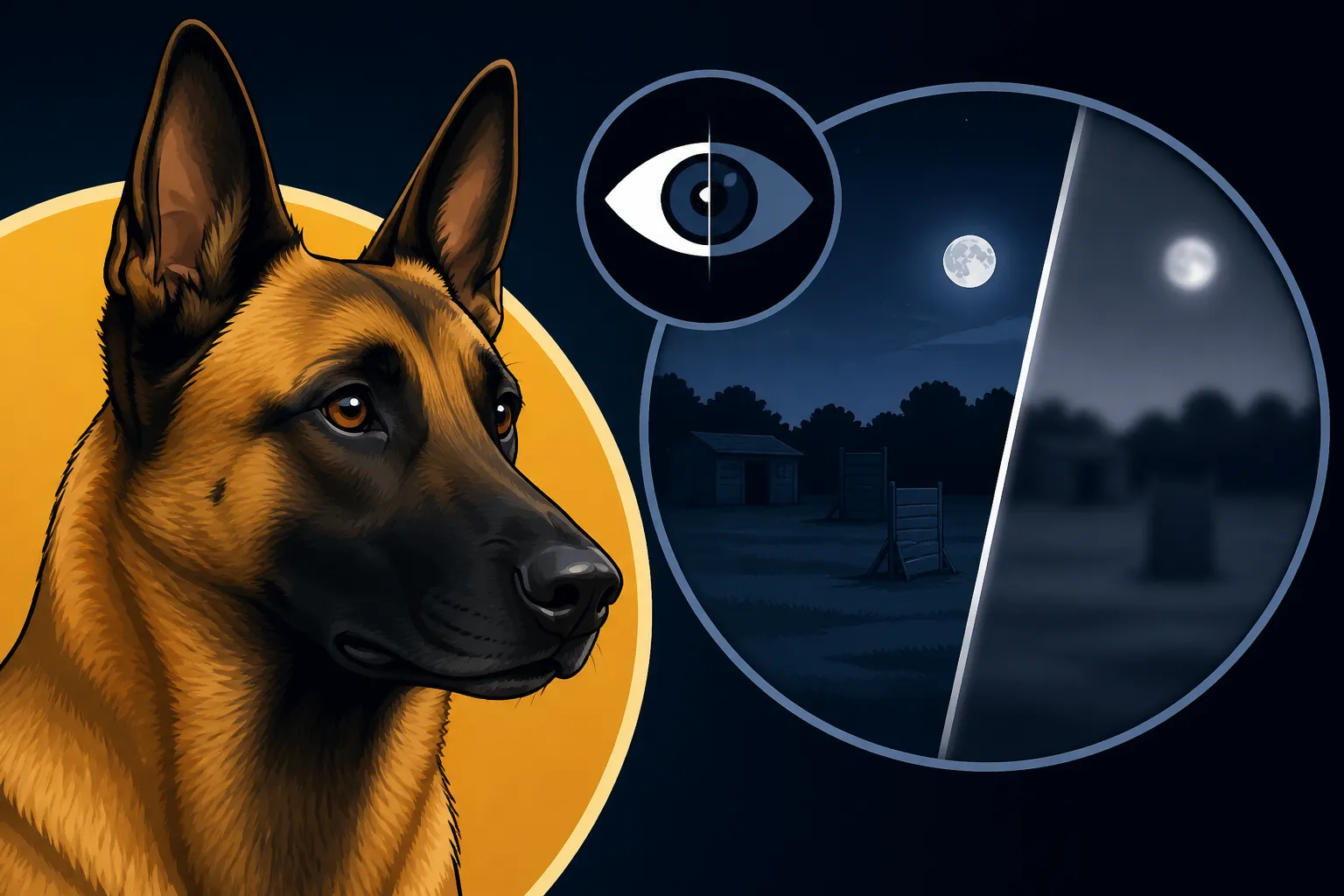
Seeing your once-fearless Malinois stumble or freeze in dim light can be incredibly distressing. Night blindness, or nyctalopia, is more than just a minor inconvenience; it significantly impacts a dog's ability to navigate and interact with their world once the sun begins to set. Understanding the science behind it can help owners better grasp what their dog is experiencing.
Understanding Rod and Cone Cells in Canine Vision
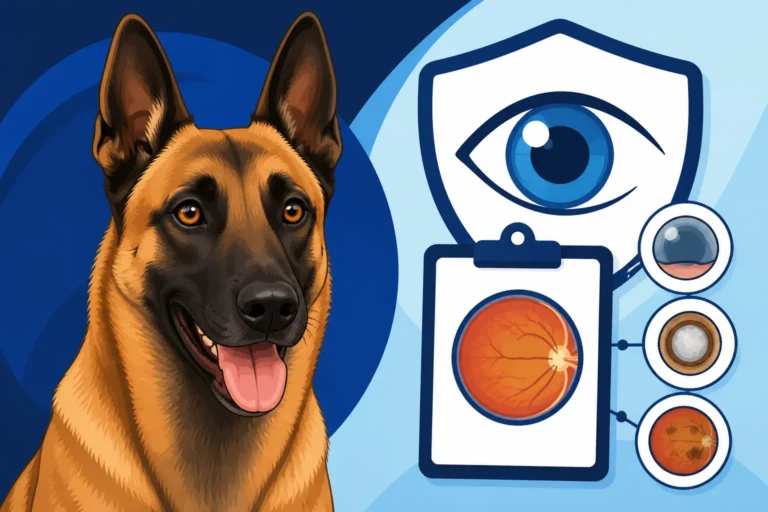
A dog's retina, like a human's, contains two main types of photoreceptor cells: rods and cones. Rod cells are highly sensitive to light and movement, making them essential for vision in low-light conditions and for detecting motion. Cone cells, on the other hand, function best in bright light and are responsible for color perception and detailed vision. Dogs naturally possess a higher proportion of rod cells compared to humans, which is why they generally see much better in dim light than we do.
When night blindness sets in, it's primarily an issue with these crucial rod cells. They either don't function correctly or begin to degenerate, losing their ability to gather light effectively. This means that environments that humans might perceive as merely dim become incredibly dark and disorienting for a Malinois whose rod cells are compromised. For a breed whose entire world revolves around fast-paced work, quick reactions, and precise movements, this loss can be profoundly impactful, affecting their confidence and ability to perform everyday tasks.
The implications for a Malinois, a breed that relies so heavily on all its senses for agility, detection, and protection work, are significant. Losing this critical part of their vision doesn't just hinder their formal duties; it affects their general spatial awareness and their very zest for life. A Malinois thrives on being aware of its surroundings, and when that awareness is compromised, it can lead to increased anxiety, frustration, and a noticeable dip in their typically high energy levels.
How Night Blindness Progresses
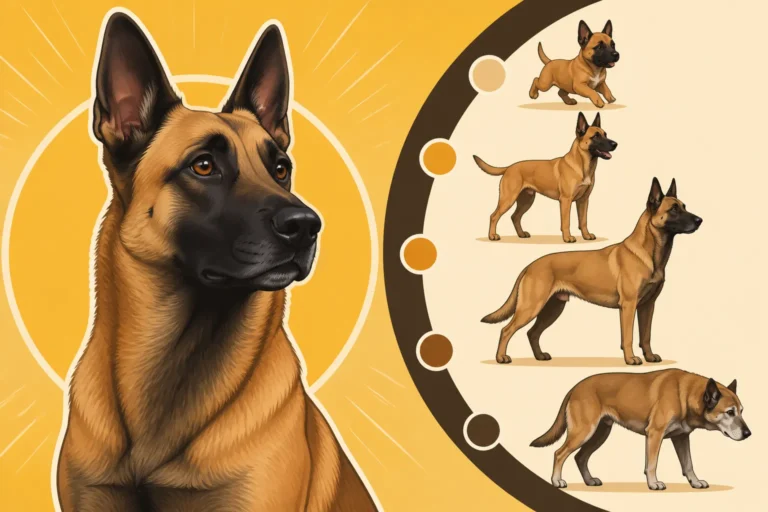
Night blindness is rarely a sudden event that happens overnight. Instead, it's typically a gradual decline, often so insidious that owners might initially miss the subtle changes. In the early stages, you might simply notice your Malinois hesitating more than usual when transitioning from a brightly lit room into a darker one, or perhaps taking a moment longer to locate a toy dropped in the shadow of the couch. These small cues can be easily dismissed as momentary distractions or early signs of aging.
However, over weeks and months, these subtle hesitations can become more pronounced. What makes it particularly tricky to identify in a clever breed like the Malinois is their innate ability to compensate. They might start relying more heavily on their keen sense of smell, their acute hearing, or their remarkable spatial memory to navigate familiar environments. You might not fully grasp the extent of their vision loss until you move a piece of furniture, introduce a new object, or take them to an unfamiliar, dimly lit outdoor space. This often leads to owners feeling a pang of guilt for not noticing sooner, but it truly is a testament to the Malinois's adaptability.
As the condition advances, even familiar outdoor spaces at dusk or dimly lit indoor rooms can become hazardous. Your dog might begin bumping into walls or furniture, misjudging steps, or even outright refusing to venture outside once the sun begins to set. This heartbreaking transformation for a breed known for its boundless confidence and fearless approach to life can be incredibly challenging for both the dog and its owner. Their world literally shrinks as the light fades, forcing them into a state of constant caution.
Recognizing the Early Signs of Night Blindness in Your Malinois
Catching night blindness early can make a world of difference in managing the condition and adapting your Malinois's routine. It requires owners to be observant and pay close attention to subtle shifts in behavior, particularly as evening approaches.
Subtle Changes in Behavior
The earliest indicators of night blindness can be so subtle that they are easily overlooked. You might notice your Malinois, typically so confident and agile, slowing down or showing a slight hesitation when moving from a well-lit area to a darker one. For example, they might pause at the threshold of a dimly lit hallway, or take an extra second before jumping off a porch at twilight, actions that were once second nature. This isn't a sign of laziness or defiance; it's genuine apprehension as their eyes struggle to adjust and process light.
Another common sign is an increased reliance on their other powerful senses. You might observe your dog sniffing the ground more intently, particularly in new or low-light environments, or perking their ears more frequently, attempting to locate objects, people, or even their beloved tug toys by sound rather than sight. They might also start sticking closer to you during evening walks or in dimly lit rooms, bumping into your legs more often than usual, seeking your proximity as a form of navigation. For a breed that thrives on independence and exploration, this uncharacteristic clinginess can be a strong indicator that their visual world is becoming less certain.
Pay particular attention to how they interact with their favorite toys or during playtime as light fades. A Malinois known for its intense ball or tug drive might suddenly miss a catch, misjudge the trajectory of a thrown object, or struggle to find a dropped toy if the lighting isn't optimal. This frustration can manifest as giving up on a game faster than usual or appearing less engaged, not because they've lost their drive, but because they've lost the ability to execute with their usual precision.
Navigational Difficulties in Low Light
As night blindness progresses, the navigational challenges your Malinois faces become more overt and concerning. They might start to bump into furniture or obstacles that haven't moved, especially around dawn, dusk, or in poorly lit indoor spaces. Misjudging distances can become common, leading them to trip over thresholds, curbs, or even their own feet. What once was a confident, brisk walk outside at night can devolve into a series of hesitations and tentative steps, transforming a joyful outing into a source of stress for both of you.
Stairs are often one of the major hurdles for a dog experiencing vision loss. A Malinois with night blindness might begin to refuse going up or down stairs in the dark, or they might descend with extreme caution, placing each paw deliberately and slowly. If your dog, who once bounded effortlessly up and down steps, now plants its feet firmly at the top or bottom, assessing the situation before moving, it's a significant red flag. This can become a serious safety concern, as a misstep could lead to a fall and potential injury.
Their characteristic confidence outdoors, a hallmark of the Belgian Malinois breed, can significantly plummet. They might become visibly hesitant to explore the backyard after sunset, or even refuse to venture out for routine potty breaks if the lighting is insufficient. This impacts not only their quality of life but can also lead to house-soiling accidents if their fear of the dark or unfamiliarity with their surroundings overrides their physiological needs.
Impact on Training and Work
For a working breed like the Belgian Malinois, night blindness doesn't just affect their casual life; it can have a profound impact on their ability to perform their duties or excel in their chosen sport. A Malinois involved in bite work, detection, or other precise tasks might struggle significantly with object identification, tracking, or navigating an environment in low-light conditions. This can lead to errors, reduced efficiency, and a noticeable decrease in their usual impeccable performance. Their rapid, precise movements, which are their hallmark, become less reliable when they cannot accurately perceive their target or the nuances of their surroundings.
Even basic obedience cues can be affected. Hand signals, which are often a critical part of a Malinois's training, might become harder to perceive in dim light, leading to confusion or delayed responses. Their ability to stay focused on a moving target, whether it’s a decoy, a hidden scent article, or a retrieve object, is severely compromised when their vision fails. Imagine asking a dog that lives for its job to perform intricate tasks while essentially blindfolded; that’s the reality for them when night blindness takes hold. It is vital for handlers not to mistake these struggles for stubbornness, defiance, or a sudden lack of desire.
This shift can be incredibly frustrating for both the handler and the dog. A Malinois who was once a stellar performer might appear to be "losing it" or "acting out," when in reality, their vision is steadily failing them. Early recognition of this visual decline means you can adapt your training methods, shifting focus to more verbal cues and engaging their other heightened senses, or even consider Retiring a Working Belgian Malinois From the Job if the condition progresses to a point where their specific duties become unsafe or impossible.
Common Causes of Night Blindness in Belgian Malinois
Night blindness in Belgian Malinois can stem from several underlying conditions, most of which involve the progressive degeneration of the eye's delicate structures. Understanding these causes is the first step toward appropriate management and care.
Progressive Retinal Atrophy PRA
The most prevalent and significant cause of night blindness in many dog breeds, including the Belgian Malinois, is Progressive Retinal Atrophy (PRA). This isn't a single disease but rather a group of inherited genetic disorders that lead to the gradual degeneration of the photoreceptor cells (rods and cones) within the retina. As the name suggests, it is progressive, meaning the condition worsens over time. Typically, the rod cells, which are responsible for low-light vision, are affected first, leading directly to the initial symptom of night blindness. Over months or years, the cone cells may also begin to degenerate, eventually resulting in complete daytime blindness.
There are various forms of PRA, with some appearing in very young puppies (early-onset) and others manifesting later in a dog's life (late-onset). For the Belgian Malinois, late-onset PRA is the more commonly observed form, with initial signs often appearing as they approach middle age or enter their senior years. This strong genetic component underscores the critical importance of responsible breeding practices, where breeders should be diligent in screening their breeding stock for known genetic mutations, though it's important to note that not all forms of PRA currently have readily available genetic tests.
While there is currently no cure to reverse the effects of PRA, understanding its genetic basis and typical progression allows owners and veterinarians to manage expectations and implement supportive strategies that might help slow the disease's advancement. It also highlights the crucial importance of asking breeders about The Eye Diseases Behind a Malinois Eye Certificate and genetic health clearances when considering a new Malinois puppy.
Other Ocular Conditions
While PRA is a primary concern, several other eye conditions can also contribute to or mimic the symptoms of night blindness in a Belgian Malinois. For instance, Cataracts in an Older Belgian Malinois are a common age-related condition where the lens of the eye becomes cloudy, significantly reducing the amount of light that can reach the retina. Even a small or early-stage cataract, while not causing complete blindness, can dramatically impair vision in dim light, making night navigation extremely difficult for your dog.
Glaucoma, characterized by an abnormal increase in pressure within the eye, can also lead to significant vision loss if left untreated. Although often acutely painful and rapidly vision-threatening, chronic forms of glaucoma can manifest with a more gradual deterioration of vision, including reduced ability to see in low light. Prompt veterinary attention for any signs of eye pain, redness, or cloudiness is crucial to potentially preserve vision if glaucoma is suspected, as early intervention can sometimes make a difference.
Furthermore, conditions such as Pannus and the Sunlight That Drives It in Malinois, an immune-mediated condition primarily affecting the cornea, can, in severe and untreated cases, cause enough corneal opacity to interfere significantly with overall light transmission into the eye. This indirect reduction in light reaching the retina can consequently impact a dog's ability to see effectively in low-light environments. The complex interplay of various ocular conditions makes a thorough ophthalmic examination absolutely essential for an accurate diagnosis.
Nutritional Deficiencies
Although less common in dogs fed high-quality, commercially prepared and balanced diets, severe nutritional deficiencies, particularly a lack of Vitamin A, can theoretically impact vision and potentially contribute to night blindness. Vitamin A is a vital nutrient for the proper function of the retina and is crucial for the production of rhodopsin, a light-sensitive pigment found in the rod cells that is essential for low-light vision. A profound deficiency could, in theory, contribute to or exacerbate existing night blindness, though such severe deficiencies are rare when feeding a complete and balanced commercial dog food.
In some specific cases, dogs on homemade or raw diets that are not meticulously balanced or supervised by a veterinary nutritionist might be at a higher risk for developing such nutritional imbalances. This underscores the paramount importance of providing a well-rounded and nutrient-dense diet, especially for active, high-performance breeds like the Malinois, whose nutritional needs are robust. Always consult with a veterinary nutritionist if you are preparing your dog's food yourself to ensure all essential vitamins and minerals are provided in appropriate quantities.
Beyond just preventing deficiencies, certain antioxidants and specific omega-3 fatty acids are thought to play a supportive role in overall eye health and may potentially help slow the progression of retinal degeneration, though research in this area is ongoing. Reputable brands, often recommended by pet insurance providers like Healthy Paws, typically formulate their foods with these beneficial ingredients, emphasizing the importance of comprehensive nutrition for long-term health, including optimal vision.
Diagnosing Night Blindness: What to Expect at the Vet
When you first suspect your Malinois might be experiencing night blindness, a visit to your veterinarian is the crucial first step. Early and accurate diagnosis can help differentiate between various eye conditions and guide the most appropriate course of action.
Ophthalmic Examination Techniques
Upon your visit, your veterinarian will begin with a comprehensive general physical examination and a detailed review of your Malinois's medical history and current symptoms. Be prepared to describe your observations precisely: when you first noticed the changes, how they have progressed, and any specific behaviors that raise concern. Your vet will then perform a standard ophthalmic exam, meticulously inspecting all visible structures of the eye, including the eyelids, conjunctiva, cornea, anterior chamber, iris, and lens. They will use an ophthalmoscope to visualize the back of the eye, specifically examining the retina and the optic nerve for any abnormalities.
To specifically assess night vision, the vet might conduct various tests in a dimly lit environment. This could involve observing your Malinois navigating a simple obstacle course in a dark room to gauge their spatial awareness, or checking their pupillary light reflexes, though these tests are not always definitive for early-stage night blindness. If the initial comprehensive eye exam suggests a retinal disease, your primary vet may recommend a referral to a veterinary ophthalmologist, a specialist equipped with advanced diagnostic tools and extensive expertise in canine eye conditions.
A veterinary ophthalmologist will most likely perform an Electroretinography (ERG) test. This highly specialized, non-invasive procedure precisely measures the electrical responses of the retina’s photoreceptor cells to different light stimuli. The ERG is considered the gold standard for diagnosing various retinal diseases, including PRA, as it can detect retinal dysfunction and degeneration even before obvious behavioral signs of vision loss become apparent. This test is crucial for differentiating between rod-only degeneration, which characterizes true night blindness, and more generalized retinal issues affecting both rods and cones.
Genetic Testing for Retinal Diseases
Given the hereditary nature of many forms of Progressive Retinal Atrophy, genetic testing can serve as an incredibly valuable diagnostic tool. This is particularly relevant if you have concerns about your Malinois's suitability for a breeding program or simply wish to understand the specific genetic basis of the PRA affecting your beloved companion. Various commercial laboratories now offer reliable DNA tests that screen for specific PRA mutations identified in certain dog breeds. While not every form of PRA has an identified genetic marker, for those that do, a simple and non-invasive cheek swab can provide a definitive diagnosis.
Knowing the precise genetic mutation responsible for your Malinois's night blindness can offer crucial insights into the expected progression of the disease, allowing you to anticipate future challenges and make informed decisions about your dog's care. For working Malinois, this information is particularly vital for career planning. Furthermore, such genetic insights are invaluable for responsible breeders to prevent the inadvertent transmission of these debilitating conditions to future generations, ensuring healthier bloodlines.
It is always advisable to discuss with your veterinary ophthalmologist which specific genetic tests might be appropriate for your Malinois. Even if your dog is older and no longer part of a breeding program, a definitive genetic diagnosis can provide immense peace of mind and help validate the subtle changes you've been observing, ensuring you have a complete understanding of the underlying cause of their night blindness.
Ruling Out Other Conditions
It's paramount to understand that not all vision problems, even those that appear as night blindness, are necessarily related to Progressive Retinal Atrophy or other primary retinal diseases. Various other systemic health issues can, at times, manifest with ocular symptoms that might mimic night blindness. For instance, certain neurological conditions, metabolic disorders like diabetes (which can lead to cataracts), or even exposure to specific toxins could potentially affect a dog's vision. This is precisely why your veterinarian might recommend additional diagnostic tests, such as general blood work, urine analysis, or even imaging, to systematically rule out any underlying systemic health issues that could be contributing to or exacerbating the vision changes you are observing.
The vet will also meticulously check for other primary eye conditions that could either cause or severely obscure vision. This includes conditions like glaucoma, a painful condition involving increased intraocular pressure; severe dry eye (keratoconjunctivitis sicca), which can lead to corneal damage; or even issues like The Grayish Film Creeping Across a Malinois Eye, often symptomatic of corneal dystrophy. Each of these conditions requires a distinct and often urgent treatment protocol, so a precise and accurate diagnosis is absolutely critical to ensuring your Malinois receives the correct and most effective care.
In some instances, behavioral changes that outwardly appear as night blindness could actually stem from other issues entirely, such as chronic pain or discomfort, or even the onset of cognitive dysfunction (canine dementia) in older Malinois. A thorough and comprehensive diagnostic workup is therefore essential. This methodical approach ensures that you are addressing the actual root cause of the problem, rather than merely treating symptoms, thereby giving your Malinois the best possible chance for improved quality of life. This level of thoroughness in diagnostics is often supported by comprehensive pet insurance plans, like those offered by Healthy Paws, which can significantly alleviate the financial stress associated with extensive veterinary investigations.
Managing and Supporting a Malinois with Night Blindness
Discovering your Malinois has night blindness can be disheartening, as there's often no cure for the underlying retinal degeneration. However, your role as an owner becomes even more critical in providing supportive care, adapting their environment, and maintaining their quality of life.
No Cure but Supportive Care
Unfortunately, for conditions like Progressive Retinal Atrophy, which is a leading cause of night blindness, there is currently no medical cure that can reverse the degeneration of the retina. This news can be incredibly difficult for Belgian Malinois owners to process, especially given the breed's reputation for being robust, resilient, and seemingly invincible. However, the absence of a cure does not mean that you are helpless or that your dog's future is bleak. Instead, your focus shifts decisively towards providing compassionate and comprehensive supportive care, with the primary goals of maintaining your Malinois's comfort, ensuring their safety, and slowing the progression of the disease where scientifically possible.
Your immediate and long-term objective becomes centered on maximizing your Malinois's quality of life. This involves implementing a regular schedule of veterinary check-ups to closely monitor their vision, promptly address any secondary eye issues that may arise, and ensure they are not experiencing any undue pain or discomfort. Establishing and rigorously maintaining a consistent routine and environment is paramount, as this allows your Malinois to rely heavily on their strong spatial memory, scent cues, and auditory signals to navigate confidently through their familiar world.
Ultimately, managing night blindness is about adapting with your dog, rather than futilely trying to "fix" an irreversible condition. This journey will undoubtedly test your patience, resilience, and creativity, but it often deepens the unique bond you share with your Malinois as you navigate these new challenges together. Remember, your Malinois still feels your unwavering love, guidance, and reassuring presence, even if their world is becoming visually dimmer. This commitment to care is a true testament to the partnership you share and can dramatically enhance Caring for a Belgian Malinois After Ten.
Nutritional and Antioxidant Support
While dietary interventions alone cannot cure night blindness, certain specific nutrients and powerful antioxidants are widely believed to play a crucial role in supporting overall ocular health. In some cases, they may even help to slow the progression of retinal degeneration, particularly in conditions like PRA. Veterinary ophthalmologists frequently recommend supplements that contain a blend of key compounds, such as Vitamins C and E, beta-carotene, lutein, zeaxanthin, and omega-3 fatty acids (specifically DHA and EPA).
These compounds function as potent antioxidants, working diligently to protect the delicate photoreceptor cells and other structures within the retina from the damaging effects of oxidative stress. Oxidative damage is a known contributor to cellular aging and degeneration, so providing these protective elements can be a proactive step. Many reputable brands specializing in canine health now offer eye-specific supplements that are formulated with optimal ratios of these beneficial ingredients. However, it is absolutely essential to consult with your veterinarian or a board-certified veterinary nutritionist before introducing any new supplements into your Malinois's diet, as excessive amounts of certain vitamins can potentially be harmful. They can provide tailored guidance on appropriate dosages and recommend high-quality, scientifically-backed brands.
Beyond targeted supplementation, ensuring your Malinois consistently consumes a high-quality, complete, and balanced diet from a brand that prioritizes nutrient bioavailability is a foundational step for their overall well-being. Look for dog food formulas that incorporate a robust balance of essential vitamins and antioxidants. Remember, every little bit of nutritional support contributes in the long run, not just to preserving whatever remaining vision they possess, but also to maintaining their robust overall health as they gracefully age. This commitment to holistic care is often a key consideration for pet owners, and many Healthy Paws policyholders find value in coverage for vet-recommended therapies, including nutritional support, that contribute to their dog's ongoing wellness.
Veterinary Consultations and Follow-ups
Regular, consistent veterinary visits are an absolutely critical component of managing a Belgian Malinois affected by night blindness. These ongoing check-ups allow your primary veterinarian or veterinary ophthalmologist to diligently monitor the progression of the condition, accurately assess any subtle or significant changes in your dog's remaining vision, and address any new concerns you might have. These appointments are also essential for detecting and managing any secondary eye conditions, such as the potential development or worsening of cataracts or glaucoma, which may require specific additional interventions.
Your veterinary team can also provide invaluable updated advice on a range of topics, including further environmental modifications, adjustments to training protocols, and insights into the latest research and advancements in canine ophthalmology. The field of veterinary medicine is constantly evolving, and new supportive therapies or management techniques may emerge that could benefit your Malinois. These regular appointments also serve as a crucial platform for you, the owner, to ask questions, share your observations, and actively participate in a collaborative approach to your dog’s ongoing care.
Never hesitate to schedule an immediate appointment if you observe a sudden or dramatic worsening of your Malinois's symptoms, or if your dog appears to be experiencing pain, discomfort, or significant distress. Prompt intervention can often make a substantial difference in managing acute issues, mitigating secondary complications, and ensuring your Malinois's overall comfort and well-being. This proactive and consistent approach to veterinary care is fundamental to Keeping a Belgian Malinois Sound Past Twelve and empowering them to live the most fulfilling life possible despite their visual challenges.
Adapting Your Home and Routine for a Night Blind Malinois
Living with a Malinois experiencing night blindness requires thoughtful adaptation of their environment and daily routines. The goal is to maximize their independence and safety by leveraging their other strong senses and keen intelligence.
Creating a Safe and Predictable Environment
The single most impactful action you can take to support a Malinois with night blindness is to establish and rigorously maintain a safe, consistent, and highly predictable home environment. Avoid the temptation to frequently rearrange furniture, particularly in areas your dog navigates often during low-light hours. If it becomes absolutely necessary to move something, do so gradually and dedicate time to repeatedly guiding your Malinois around the new layout. This process allows them to re-memorize their surroundings and integrate the changes into their strong spatial memory, which is crucial for their confident navigation.
Beyond static furniture, meticulously consider the pathways your Malinois takes throughout the day and night. Keep floors scrupulously clear of any clutter, loose rugs, or anything that could potentially become a tripping hazard, especially in dimly lit spaces. For homes with stairs, utilize baby gates to effectively block access to these potentially dangerous areas, particularly after dusk. If your dog is struggling significantly with stairs, consider investing in a sturdy ramp, or for smaller Malinois, be prepared to carry them up and down. Strategically placed nightlights in hallways, bathrooms, and frequently used rooms can provide just enough ambient illumination for them to distinguish major shapes and outlines, dramatically boosting their confidence.
It can also be immensely helpful to incorporate different textures or subtle scents to mark important areas or transitions within the home. For example, a small, textured mat placed just before a step-down, or a distinct, non-overpowering scent diffuser near their water and food bowls, can provide crucial non-visual cues that their other senses can interpret. This proactive and thoughtful approach to modifying their living space not only significantly reduces their anxiety but also drastically minimizes the risk of accidental injury, empowering them to maintain a sense of independence.
Enhancing Safety Outdoors
Outdoor safety demands an even higher level of vigilance and adaptation once night blindness begins to affect your Malinois. It is imperative to always keep your dog on a leash when venturing outside in dim light or after dark, even if it's within a securely fenced yard that they know intimately. What was once a perfectly familiar outdoor space can become profoundly disorienting and confusing when vision is compromised, making it easy for them to bump into objects, misjudge boundaries, or, in a worst-case scenario, become disoriented and lost. Utilizing a long line can provide them with a sense of freedom to explore while ensuring you maintain control and security.
Consider installing motion-activated lights in your backyard, specifically targeting areas near potty spots, entryways, or along frequently used paths. The sudden burst of light can provide essential orientation cues. If you regularly take walks after dark, equip your Malinois with a bright, reflective harness or collar, and make sure you carry a powerful flashlight. This not only illuminates your path and helps your dog see better but also crucially alerts other pedestrians, cyclists, or drivers to your presence, enhancing overall safety.
As much as possible, try to avoid introducing your Malinois to new or unfamiliar outdoor environments once night blindness has set in. Stick to well-known routes and areas during nighttime walks, as familiarity will allow them to rely on their memory and scent trails. While your Malinois might still enjoy vigorous off-leash time in a secure, familiar area during daylight hours, it's important to remember that as Signs a Belgian Malinois Is Slowing Down become more apparent, their reflexes and ability to react quickly to avoid obstacles may also diminish, necessitating even greater supervision and caution on your part.
Maintaining Mental Stimulation
While physical exercise routines may need to be adjusted to accommodate their visual impairment, maintaining robust mental stimulation is absolutely paramount for a Belgian Malinois, especially one experiencing diminishing vision. This highly intelligent and driven breed thrives on having a "job" to do and on the challenge of solving problems. If their usual visual tasks, such as tracking a thrown ball or performing complex agility courses, become difficult, it's crucial to redirect their immense energy and sharp intelligence towards activities that predominantly engage their other powerful senses: scent and hearing.
Scent work, in particular, can be incredibly fulfilling and confidence-boosting for a night-blind Malinois. Activities such as nose games, where treats or toys are hidden for them to find, or even formal scent detection training (often called "nose work" for pet dogs), leverage their extraordinary sense of smell. This natural talent, when engaged, provides a much-needed mental workout and helps prevent boredom and frustration. Interactive puzzle toys that dispense treats, textured snuffle mats, and various puzzle feeders are also excellent options for keeping their minds actively engaged indoors.
Continue to practice and introduce new verbal obedience commands, ensuring your cues are clear, consistent, and accompanied by tactile guidance if necessary. Short, frequent training sessions can help reinforce their strong bond with you, prevent cognitive decline, and stave off boredom or anxiety. Remember, a mentally stimulated Malinois is a happier, more content Malinois, regardless of the acuity of their vision. Do not allow night blindness to diminish their innate zest for learning, problem-solving, and continuous engagement with their world. When a Malinois Is Considered Old, maintaining this mental engagement becomes even more important for their overall well-being.
Disclaimer
This article is intended for informational purposes only and does not constitute professional veterinary advice. Always consult with a qualified veterinarian or veterinary ophthalmologist for any health concerns or before making any decisions about your Belgian Malinois's care, diet, or treatment. They can provide an accurate diagnosis and personalized recommendations based on your dog's specific needs and condition.