Whether Torsion Happens in Belgian Malinois
The sudden, terrifying thought of your powerful Belgian Malinois collapsing due to something as rapid and devastating as bloat is a nightmare for any dedicated owner. This isn't just a tummy ache; it's a life-threatening emergency known as Gastric Dilatation-Volvulus (GDV), and understanding its specifics, especially for active, deep-chested breeds like ours, can literally be the difference between life and death. This guide will meticulously break down what GDV is, why your Malinois might be at risk, how to spot the crucial signs, and what proactive steps you can take to protect your incredible companion.
Understanding Gastric Dilatation-Volvulus in Malinois
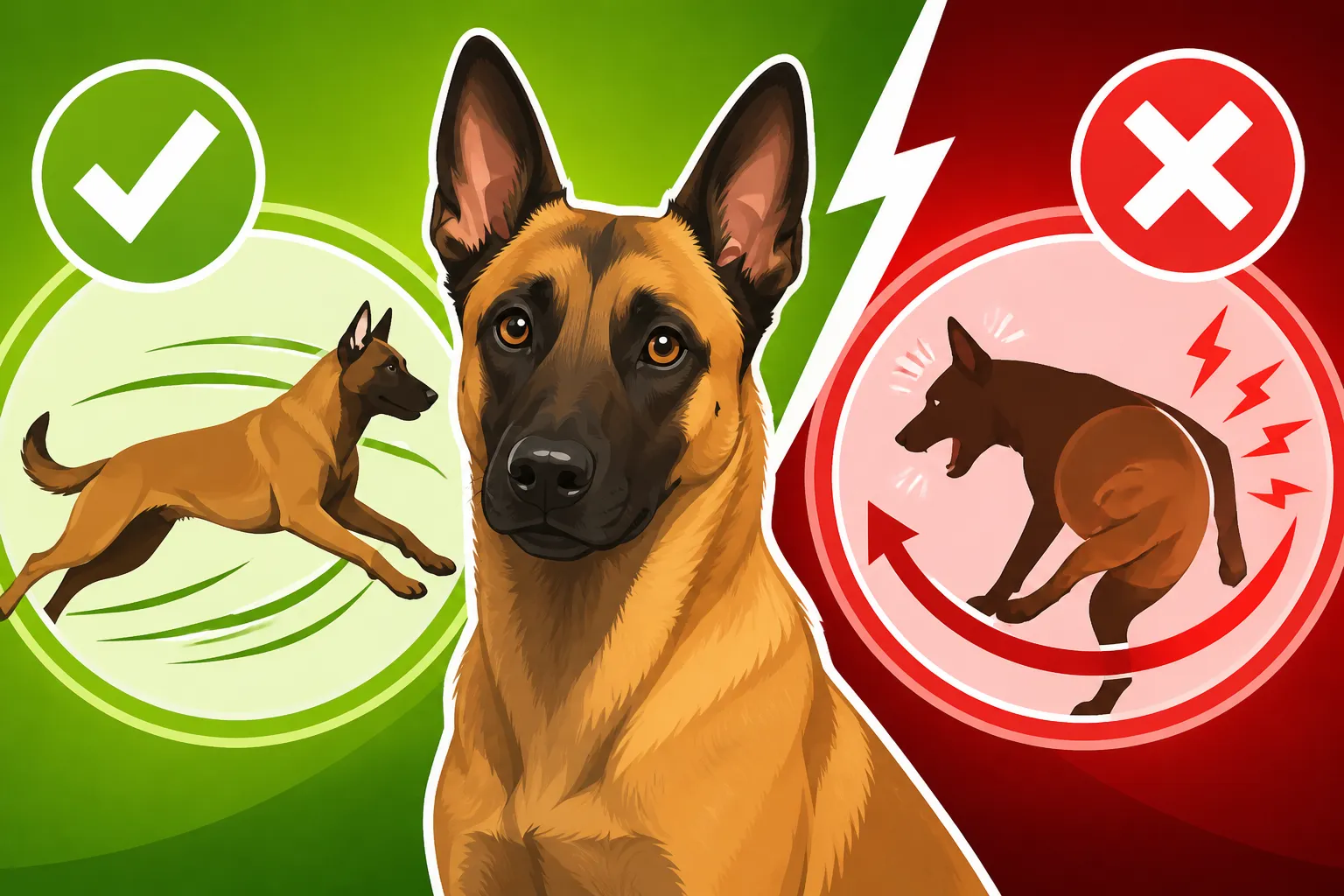
When we talk about "bloat" in dogs, particularly in breeds like the Belgian Malinois, we're usually referring to Gastric Dilatation-Volvulus, or GDV. It’s a condition that strikes fear into the hearts of large and giant breed owners, and for good reason. It’s not simply an upset stomach; it’s a rapidly progressing, life-threatening situation where your dog’s stomach first fills with gas (dilatation) and then twists upon itself (volvulus). This twisting cuts off both the entrance and exit of the stomach, trapping gas and food, and blocking blood flow.
The Mechanism of Bloat in Deep-Chested Breeds
Imagine a balloon. If you blow it up and then twist the neck, everything inside is trapped. That's essentially what happens with GDV. The stomach, distended with gas, flips over, often clockwise, cutting off the esophagus and the duodenum. This rotation also compresses major blood vessels, including the vena cava, reducing blood flow back to the heart. The consequences are dire: rapid onset shock, damage to other organs, and if not treated immediately, death. For a Belgian Malinois, with their deep, narrow chests, there's more "room" for the stomach to swing and twist, which is why they, along with other similar breeds, are considered higher risk. It’s not just if a Belgian Malinois is built for bloat, but how their conformation makes them particularly susceptible.
Why Malinois are Prone to This Condition
While GDV can theoretically happen to any dog, breeds with a deep chest-to-width ratio are disproportionately affected. Think about breeds like Great Danes, Weimaraners, and German Shepherds – and yes, our beloved Belgian Malinois fit right into this category. Their athleticism, high energy levels, and specific body type contribute to this heightened risk. It's a cruel twist of fate that the very traits that make them such capable working dogs also place them in a vulnerable position regarding this emergency. This susceptibility means that proactive measures and vigilant observation are not just recommended, but absolutely essential for Malinois owners. Understanding Whether a Malinois Is Built for Bloat is a critical first step for any owner.
Risk Factors Specific to Belgian Malinois
Beyond their deep-chested anatomy, several other factors can increase a Belgian Malinois's risk of developing GDV. It’s often a perfect storm of genetics, environment, and feeding practices that culminates in this terrifying event. Knowing these factors can help you mitigate some of the risks.
Genetic Predisposition and Age
While no single gene has been definitively identified for GDV, there’s a strong consensus among veterinarians and breeders that a genetic component exists. Dogs with a first-degree relative (parent, sibling, offspring) who has experienced GDV are at a significantly higher risk. This is why discussing the health history of a puppy’s lineage, beyond just hip and elbow clearances, is so crucial with your breeder. Age is another factor; while GDV can occur at any age, it is more common in middle-aged to older dogs, typically between 2 and 10 years old. As our Malinois mature and continue their active lives, the risk sadly increases.
Eating Habits and Exercise Routines
The way your Malinois eats and exercises plays a massive role in their GDV risk. Rapid eating, gulping air along with food, is a major culprit. Think about your Malinois, often in full drive, scarfing down dinner in seconds. This behavior introduces a lot of air into the stomach. Feeding one large meal a day versus multiple smaller ones can also increase risk, as a larger volume of food and gas in the stomach provides more opportunity for torsion. Strenuous exercise too close to a meal, both before and after, is another significant risk factor. A Belgian Malinois often transitions quickly from intense activity to eating, or vice-versa, which can be a recipe for disaster. This is why Feeding Habits That Raise a Malinois's Torsion Risk is a topic every owner needs to understand intimately.
Stress and Temperament
Our Malinois are often highly sensitive, driven dogs, and stress can impact them in many ways, including their digestive system. High-stress environments, changes in routine, or even the excitement of a trial day can contribute to gastric upset and potentially increase GDV risk. While it’s not as directly linked as anatomy or eating habits, the physiological response to stress – including changes in gut motility and blood flow – should not be overlooked for this breed. This is especially true for working Malinois who face novel situations and high-pressure scenarios regularly. It's vital to create as calm an environment as possible around meal times, especially for a Belgian Malinois that will not eat under stress.
Recognizing the Signs and Acting Fast
Time is absolutely critical when it comes to GDV. The faster you recognize the signs and seek veterinary intervention, the higher the chances of survival for your Belgian Malinois. This is not a situation where you "wait and see." If you suspect bloat, consider it an emergency and act immediately.
Early Warning Signs and Symptoms
The first signs of GDV can be subtle, but they quickly escalate. You might notice your Malinois looking anxious, pacing, or trying to vomit but nothing comes up (this is often described as "retching"). They might start drooling excessively, looking at their abdomen, or trying to get comfortable in unusual positions. As the condition progresses, their abdomen will visibly distend and become hard and painful to the touch. Their gums may appear pale, and their breathing might become rapid and shallow. Your dog might show signs of weakness or collapse. Any combination of these symptoms, especially the unproductive retching and a distended belly, should send alarm bells ringing.
| Symptom Category | Mild/Early Signs | Moderate Signs | Severe/Late Signs |
|---|---|---|---|
| Behavioral | Restlessness, pacing, anxiety, looking at flank | Whining, panting, reluctance to lie down, unsuccessful attempts to vomit | Collapse, lethargy, unresponsiveness |
| Physical | Excessive drooling, lip-licking, mild abdominal discomfort | Distended abdomen (may be firm), shallow breathing, pale gums | Abdomen very tense, rapid heart rate, weak pulse, signs of shock |
| Vomiting | Dry heaves, unproductive retching | More frequent unproductive retching | Inability to vomit, complete gastric obstruction |
Immediate Actions to Take
If you suspect GDV, do not delay. Call your veterinarian or the nearest emergency veterinary clinic immediately. Inform them you suspect bloat and are on your way. This allows them to prepare for your arrival, potentially saving precious minutes. Do not try to give your dog anything by mouth, attempt to induce vomiting, or massage their stomach. These actions can actually worsen the situation. Get your Malinois into your vehicle safely and drive directly to the vet. Remember, minutes matter. Emergency Care After a Malinois Training Injury can often involve the same rapid response.
Veterinary Intervention and Prognosis
At the vet, they will quickly confirm the diagnosis, usually with X-rays. If GDV is confirmed, the first steps are to stabilize your dog, treat for shock (intravenous fluids are critical), and attempt to decompress the stomach. A tube may be passed down the esophagus into the stomach to release gas and fluid. If the stomach has twisted, surgery is almost always required to untwist it and return it to its normal position. During surgery, a procedure called gastropexy is often performed, where the stomach is surgically attached to the abdominal wall to prevent future twisting. While a gastropexy doesn't prevent dilatation, it significantly reduces the risk of recurrence. The prognosis for GDV depends heavily on how quickly treatment is initiated, the severity of the twist, and whether other organs have been damaged. The costs associated with such an emergency are substantial, which is why many proactive owners invest in pet insurance. Companies like Healthy Paws can offer significant peace of mind for unexpected emergencies like GDV, helping cover The Vet Bills a Bite Sport Belgian Malinois Runs Up.
Prevention Strategies for Malinois Owners
While GDV can sometimes feel like an unpredictable nightmare, there are concrete steps you can take to significantly reduce your Belgian Malinois's risk. Proactive management of feeding, exercise, and even considering preventative surgery are all part of responsible ownership for a high-risk breed.
Optimizing Feeding Routines
One of the most impactful changes you can make is to adjust your Malinois's feeding schedule. Instead of one large meal, break their daily ration into two or three smaller meals. This reduces the volume of food in the stomach at any one time. Slow feeder bowls or puzzle feeders can also be incredibly beneficial, as they force your dog to eat more slowly, reducing the amount of air they gulp down. Avoid elevated food bowls unless specifically advised by your vet for another medical condition, as some studies suggest they may increase risk. Ensuring your Malinois gets their The Daily Ration a Working Belgian Malinois Eats in a calm, measured way is paramount.
When it comes to the specific food, while no diet guarantees immunity from bloat, choosing a high-quality, balanced diet without excessive fermentation-prone ingredients is generally recommended. Discuss your feeding plan with your veterinarian, especially if you're feeding a performance diet for a working dog. Many Malinois are fed specific performance kibble to sustain their high energy levels, and understanding how to feed around training sessions is crucial to prevent issues like bloat. It's also wise to avoid strenuous exercise for at least one hour before and two hours after meals. Let their digestion happen in peace!
Lifestyle Adjustments and Hydration
Managing your Malinois's lifestyle to minimize stress and sudden activity around meal times is vital. Provide a quiet, calm environment for eating. If you have a multi-dog household, separate them during meals to prevent competitive eating, which often leads to fast consumption and air gulping. While exercise is paramount for a Belgian Malinois, schedule intense work sessions at times that don't directly precede or follow eating. A brisk walk or light play is usually fine, but leave the heavy training or running until well after their meal has settled. Hydration is always important, but make sure they don't gulp down massive amounts of water immediately after a meal or intense exercise. Offer smaller, frequent sips if they're particularly thirsty.
Considering Prophylactic Gastropexy
For many owners of high-risk breeds like the Belgian Malinois, a prophylactic (preventative) gastropexy is a serious consideration. This is a surgical procedure, often minimally invasive via laparoscopy, where the stomach is permanently attached to the abdominal wall. While it doesn't prevent the stomach from dilating with gas, it does prevent it from twisting (volvulus), which is the life-threatening component of GDV. If your Malinois is already undergoing another surgery, such as spaying or neutering, it's an excellent opportunity to discuss adding a gastropexy with your veterinarian.
It's a decision that warrants a thorough conversation with your vet, weighing the risks and benefits of surgery against the significant risk of GDV. For a breed so predisposed, it can offer immense peace of mind. Many insurance providers, like Healthy Paws, cover preventative procedures as part of their comprehensive plans, making this vital protection more accessible. For those with insurance from companies like Healthy Paws, discussing how such preventative care might be covered can be a game-changer. It's a significant step to take, but one that drastically reduces the most dangerous aspect of bloat for our active, deep-chested companions.
Disclaimer
The information provided in this guide is for informational purposes only and does not constitute veterinary advice. Always consult with a qualified veterinarian for any health concerns or before making any decisions about your pet's care. In an emergency, seek immediate veterinary attention.