Feeding Habits That Raise a Malinois’s Torsion Risk
The sheer energy and drive of a Belgian Malinois are incredible, but they also bring a unique set of concerns for us owners. One of the most terrifying, whispered fears among Malinois handlers is the threat of bloat, or more specifically, Gastric Dilatation-Volvulus (GDV). It's a life-threatening condition that can strike with alarming speed, and understanding how our daily feeding habits might inadvertently raise that risk is absolutely crucial. This guide will walk you through the specific ways how you feed your high-octane Malinois could be impacting their susceptibility to this dangerous emergency, and what you can do to minimize the chances.
Understanding Gastric Dilatation-Volvulus GDV
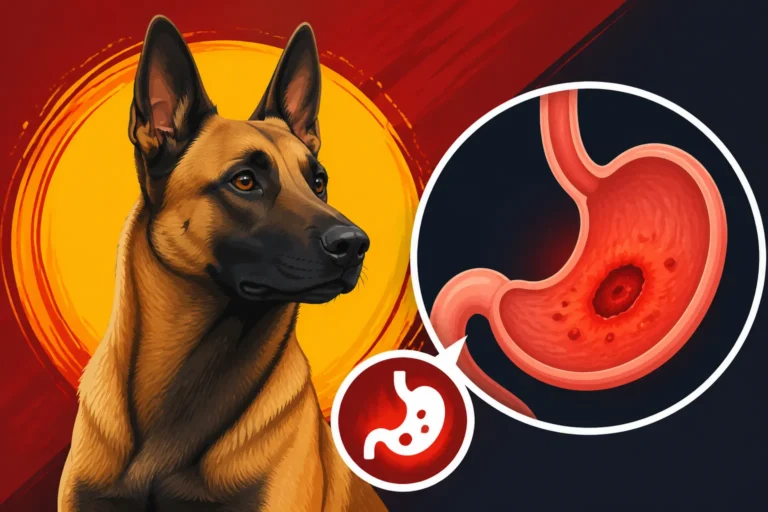
Let's not sugarcoat it: GDV, commonly known as bloat with torsion, is a nightmare. It's not just a little upset stomach; it’s a medical emergency where your dog’s stomach first fills with gas (dilatation) and then twists upon itself (volvulus). When the stomach twists, it traps the gas, food, and fluid inside, cutting off blood supply to the stomach and potentially other organs, leading to rapid tissue death. The pressure can also impede blood flow back to the heart, leading to shock and death if not treated immediately. It’s a terrifying prospect for any dog owner, especially those with deep-chested, active breeds like our beloved Malinois. You might be wondering, "Is a Belgian Malinois built for bloat?" and the answer, unfortunately, leans towards yes, due to their body type.
Why Malinois Are More Susceptible to Bloat
Belgian Malinois, like many large, deep-chested breeds such as Great Danes, German Shepherds, and Boxers, have an anatomical predisposition to GDV. Their chest structure allows more room for the stomach to distend and twist. It's not just about their barrel chests, but also their general physiology – they are often high-strung, energetic dogs. While the exact cause of GDV isn't fully understood and often involves a combination of factors, breed conformation plays a significant role. Imagine a balloon tied to a string inside a large box; there's more space for it to move and potentially knot up. This is a simplistic analogy, but it helps visualize why our lean, athletic Mals might be at higher risk.
The Role of Gas Accumulation and Stress
The initial dilatation, or gas accumulation, is a critical precursor to the stomach twisting. Dogs naturally ingest air when they eat and drink, but certain habits can lead to excessive air swallowing. Beyond that, stress can also play a role. Our Malinois are often intense animals, always "on." This high-drive nature, while fantastic for work and sport, can sometimes contribute to stress, which in turn can affect digestion and gastrointestinal motility, potentially increasing the risk of gas build-up. A Malinois that gulps food quickly or experiences anxiety around meal times might be setting themselves up for trouble, making it more important to consider Diarrhea in a Stressed Belgian Malinois or other stress-related digestive issues.
Specific Feeding Habits That Raise Torsion Risk
Now, let's get down to the nitty-gritty of what we, as owners, might be doing (or not doing) that could be increasing our Malinois's risk. These aren't just old wives' tales; many of these practices are supported by veterinary observation and research on bloat.
Rapid Eating and Gulping Food
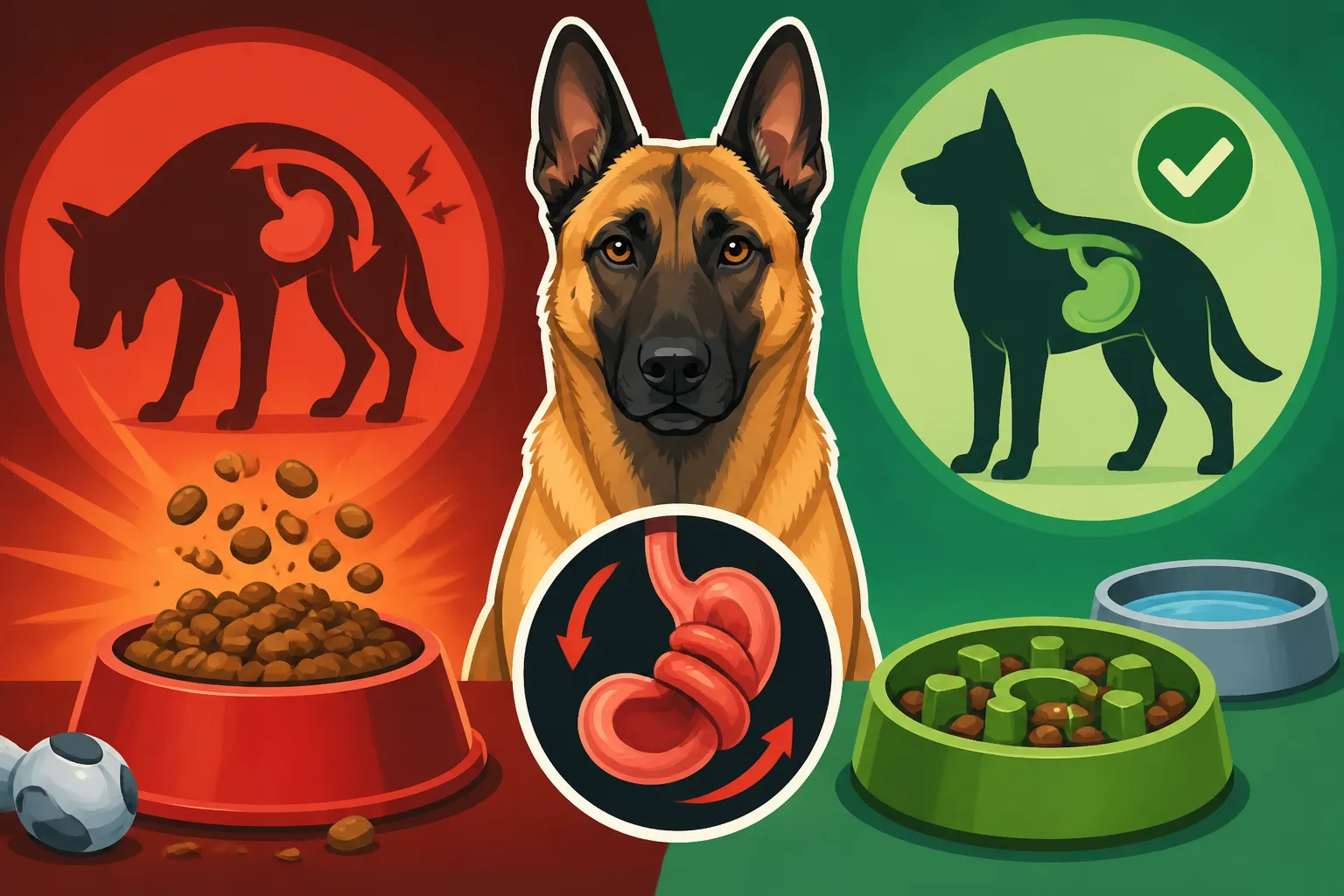
This is probably one of the biggest culprits. Malinois are often highly food-motivated and can be incredibly fast eaters, vacuuming up their meals in mere seconds. When a dog eats too quickly, they swallow a significant amount of air along with their food. This excess air accumulates in the stomach, contributing to the initial dilatation phase of GDV. It's a classic scenario: the bowl hits the floor, and your Malinois inhales it as if it might disappear.
Think about it from their perspective: they're driven, they're always ready for the next task, and for some, food is just another task to be completed with maximum efficiency. This isn't a sign of poor training or bad manners; it's often just their high-drive nature manifesting at mealtime. Using tools like slow-feeder bowls or puzzle feeders can be a game-changer here. These devices force your dog to work for their food, slowing down ingestion and reducing the amount of air swallowed.
Large, Infrequent Meals
Feeding your Malinois one massive meal a day can also be problematic. A large volume of food in the stomach creates a heavier, more distended organ, making it more prone to twisting, especially if your dog is active shortly before or after eating.
Instead of a single large meal, breaking your Malinois's daily food ration into two or three smaller meals spread throughout the day is a much safer practice. This keeps the stomach from being excessively full at any one time, reducing the overall volume and pressure. It’s about moderation and consistent input rather than one big dump. For active dogs, this also helps manage energy levels better throughout the day. You might find that The Daily Ration a Working Belgian Malinois Eats is quite substantial, making multiple meals even more critical.
Eating Before or Immediately After Exercise
This is a huge one, especially for a breed like the Malinois that thrives on intense physical activity. Feeding your dog right before or immediately after vigorous exercise is a recipe for disaster. During and after exercise, dogs pant heavily, which can lead to swallowing more air. Additionally, their digestive system is not the priority when their body is focused on intense physical exertion. Blood flow is diverted to muscles, and the stomach contents can slosh around more vigorously.
The general rule of thumb is to wait at least an hour before and after strenuous activity before feeding your Malinois. This allows their body to calm down, breathing to normalize, and digestion to begin or properly finish. If your Malinois is involved in Bite Sport Actually Asks of a Belgian Malinois, or any intense training, strict adherence to this feeding schedule is paramount. Don't be tempted to feed them a big meal right before a training session, or as an immediate reward after. Let their system settle.
Elevated Food Bowls
For years, many dog owners were advised to use elevated food bowls, particularly for large breeds, with the idea that it would help digestion. However, multiple studies have actually suggested that using elevated bowls might increase the risk of GDV in large and giant breeds. While the exact mechanism isn't fully understood, it's thought that eating from an elevated position might encourage more rapid eating and air gulping, or change the angle of the esophagus in a way that contributes to gas accumulation.
Unless specifically advised by your veterinarian for a particular medical condition (like megaesophagus, which is rare in Malinois), it's generally recommended to feed your Malinois from a bowl on the floor. It's a simple change that could potentially make a big difference in reducing risk.
Excessive Water Intake After Eating or Exercise
Just like food, excessive water intake, especially after eating or vigorous activity, can contribute to bloat. A dog that is extremely thirsty after a long run might gulp down a large volume of water rapidly, similar to rapid eating, leading to excessive air swallowing and a sudden distension of the stomach.
Instead of offering an unlimited supply of water immediately after exercise, offer smaller amounts more frequently. Let them drink a bit, then walk around for a few minutes, then offer a bit more. This controlled approach prevents over-gulping. Keeping your Malinois hydrated throughout their training and daily activities, rather than allowing them to become parched, can also help regulate their water intake naturally. Consider Hydrating a Belgian Malinois During Training as a continuous process rather than a sporadic one.
Mitigating Torsion Risk Through Smart Feeding
Now that we've identified the potential pitfalls, let's talk about proactive steps you can take to make mealtime safer for your Malinois. Prevention is always better than emergency surgery, both for your dog's health and your peace of mind.
Implementing Multiple Small Meals Daily
This is arguably the most impactful change you can make. Breaking their daily caloric intake into two, or even better, three smaller meals (breakfast, lunch, dinner if your schedule allows, or breakfast and dinner) helps prevent the stomach from ever becoming overly full.
Here's how you might approach it:
- Morning: Feed a portion before your morning routine or walk.
- Midday/Lunch: If you're home or have someone who can, a small midday meal further reduces volume. This can be especially helpful for high-energy dogs or those with slightly sensitive stomachs.
- Evening: Feed the final portion well before bedtime and after any significant evening exercise.
This consistent, smaller-volume approach helps maintain digestive rhythm without putting undue stress on the stomach. It also provides a steady stream of energy for their demanding lifestyle.
Slowing Down Rapid Eaters
For Malinois that inhale their food, slowing them down is paramount. There are several effective tools and techniques:
- Slow Feeder Bowls: These bowls have ridges or obstacles that force your dog to eat around them, drastically reducing the speed of ingestion and subsequent air swallowing. Brands like Outward Hound make excellent, durable slow feeder bowls that can withstand a Malinois's enthusiasm.
- Puzzle Feeders: Beyond just slowing down, puzzle feeders engage your dog's brain as they figure out how to get the kibble. This mental stimulation can be just as tiring as physical exercise and is fantastic for a Malinois. Think Kong Wobblers, Snuffle Mats, or other interactive toys that dispense food slowly.
- Spreading Food Out: If you don't have a slow feeder, you can simply spread your Malinois's kibble across a wide, flat baking sheet or even scatter it across a clean floor or yard (if appropriate for your dog and environment). This makes them "hunt" for each piece, slowing down the process significantly.
- Adding Water to Kibble: Some owners find that adding a small amount of water to kibble, just enough to moisten it, can slow down eating and aid digestion. However, avoid soaking it for too long, as this can affect texture and palatability for some dogs.
Strategic Exercise Timing Around Meals
This bears repeating: never feed your Malinois directly before or after intense exercise. Create a strict schedule around their activity and meals.
A typical routine might look like this:
- Morning: Early morning potty break, then breakfast. Wait 60-90 minutes before any strenuous activity.
- Midday: Potty break, light training or mental games.
- Late Afternoon/Early Evening: Intense exercise session. Wait 60-90 minutes after cooling down before offering dinner.
- Bedtime: Final potty break.
The goal is to ensure their body is in a relaxed, digestive state when food is introduced and that the stomach isn't full or distended when they're bouncing off walls. This is especially true if your Malinois is still a puppy, where When a Malinois Puppy's Joints Can Take Impact is also a consideration alongside digestion.
Avoiding Elevated Bowls and Using Floor-Level Feeding
Unless your vet has explicitly instructed you to use an elevated feeder for a specific health reason, stick to feeding your Malinois from a bowl placed directly on the floor. This seemingly minor change aligns with current veterinary recommendations for reducing GDV risk in deep-chested breeds. It's a simple, cost-free adjustment that every Malinois owner should consider.
Managing Water Intake Wisely
Keeping your Malinois well-hydrated is vital, but how they drink is just as important as how much.
- Constant Access to Fresh Water: Ensure your Malinois always has access to fresh, clean water throughout the day. This prevents them from becoming overly thirsty and then gulping down too much at once.
- Controlled Drinking Post-Exercise: After a hard training session or run, don't let your Malinois guzzle an entire bowl of water. Offer small amounts (e.g., a cup or two) every 10-15 minutes until their thirst is quenched. Gradually increase the amount as they calm down and their breathing normalizes.
- Cool, Not Icy Water: While cold water might seem refreshing, overly icy water can sometimes shock the system. Room temperature or cool water is best.
By controlling the speed and volume of both food and water intake, especially around physical exertion, you're significantly reducing several key risk factors for GDV.
Other Contributing Factors to Consider
While feeding habits are a major focus, it's worth noting that GDV is multifactorial. Other elements can play a role, and a holistic approach to your Malinois's health is always best.
Stress and Anxiety
High-strung, anxious dogs are sometimes cited as having a higher risk of bloat. Malinois are generally intense, and managing their stress levels is crucial for overall health, not just GDV prevention. Ensure your Malinois has a predictable routine, adequate mental stimulation, and a calm environment at home. If your dog exhibits significant stress or anxiety around meal times, consider working with a professional trainer or behaviorist.
Genetics and Family History
Genetics play a role in GDV susceptibility. If your Malinois comes from a line where bloat is prevalent, their individual risk might be higher, regardless of feeding practices. This is why asking breeders about the health history of their lines, including instances of GDV, is so important. Knowing your dog's background helps inform your preventative strategies. You might also want to look into The Bloodwork a Working Malinois Should Have Annually to keep an eye on overall health markers.
Gastropexy as a Preventative Measure
For owners of high-risk breeds like Malinois, especially those involved in demanding sports or working roles, a prophylactic gastropexy is an option to discuss with your veterinarian. This surgical procedure permanently attaches the stomach to the abdominal wall, preventing it from twisting. It doesn't prevent the stomach from dilating (filling with gas), but it does prevent the deadly volvulus.
Many owners opt for this procedure when their dog is already undergoing another surgery, such as spaying or neutering. It's a serious decision, but it can provide immense peace of mind. While pet insurance plans like Healthy Paws typically don't cover preventative surgeries, they are invaluable for covering the often astronomical costs of emergency GDV treatment should it occur despite your best efforts.
| Feeding Habit | Higher Torsion Risk | Lower Torsion Risk |
|---|---|---|
| Meal Frequency | One large meal per day | Two to three smaller meals per day |
| Eating Speed | Rapid gulping, inhaling food quickly | Slow, deliberate eating using slow-feeder bowls or puzzles |
| Timing Around Exercise | Feeding immediately before or after strenuous activity | Waiting 1-2 hours before and after strenuous exercise to feed |
| Bowl Elevation | Using elevated food bowls | Feeding from a bowl placed directly on the floor |
| Water Intake | Gulping large volumes of water rapidly, especially after exercise | Offering smaller, frequent amounts of water, controlled post-exercise drinking |
| Food Type | Highly fermentable ingredients (less proven but sometimes considered) | Consistent, high-quality diet |
Recognizing the Signs and Emergency Preparedness
Even with the best preventative measures, it's vital to know the signs of bloat and be prepared for an emergency. Time is literally of the essence with GDV, and every minute counts. The "What Actually Ends a Belgian Malinois's Life" list often includes GDV due to its rapid progression.
Key Symptoms of GDV
- Distended Abdomen: Your dog's belly might appear swollen and hard, especially on the left side.
- Restlessness and Pacing: They can't seem to get comfortable, constantly shifting, trying to lie down, then standing up again.
- Non-Productive Vomiting or Retching: This is a classic sign. They try to vomit, but nothing comes up, or only foamy saliva. They look like they're trying to throw up, but can't.
- Excessive Drooling: Due to nausea and discomfort.
- Pain and Whining: They might vocalize due to severe abdominal pain.
- Weakness and Collapse: In advanced stages, they may become weak, collapse, and show signs of shock (pale gums, rapid heart rate, rapid shallow breathing).
- Anxiety and Panicked Expression: They just "don't look right," often with a wide-eyed, anxious look.
If you observe any of these symptoms, particularly the non-productive retching and distended abdomen, consider it an immediate emergency.
Having an Emergency Plan
- Know Your Emergency Vet: Have the number and address of the nearest 24/7 emergency veterinary hospital readily available. Don't waste precious time searching for it.
- Call Ahead: If you suspect bloat, call the emergency vet while you're on your way. This allows them to prepare for your arrival, potentially saving critical minutes.
- Financial Preparedness: GDV surgery is incredibly expensive, often running into thousands of dollars. Having an emergency fund or a robust pet insurance policy (like those offered by Healthy Paws, which are known for comprehensive accident and illness coverage) is absolutely essential. The Emergency Care After a Malinois Training Injury can also be significant, so preparing for emergencies is key.
- Discuss With Your Vet: Talk to your regular veterinarian about your Malinois's risk factors and preventative options, including gastropexy, before an emergency strikes. They can advise you on What to Tell a Vet Before a Malinois Is Sedated if surgery becomes necessary.
Ultimately, preventing GDV in your Belgian Malinois involves a combination of mindful feeding practices, awareness of their unique physiological needs, and proactive veterinary care. It’s about being a diligent, informed owner, and giving your incredible companion the best chance at a long, healthy life.
Disclaimer
This article is intended for informational purposes only and does not constitute veterinary advice. Always consult with a qualified veterinarian for any health concerns or before making any decisions about your dog's medical care or diet. While every effort has been made to provide accurate and up-to-date information, the field of veterinary science is constantly evolving.