What to Tell a Vet Before a Malinois Is Sedated
The moment your vet suggests sedation for your Belgian Malinois, a little knot of anxiety often forms in your stomach. It's not just regular worry; you know your Mal is different. Their intense drive, lean build, and sometimes even their quirky reactions mean that what works for "most dogs" might not be the safest or most effective approach for your working breed. This guide is here to empower you, giving you a clear roadmap of exactly what crucial information to share with your veterinarian to ensure your Malinois has the safest possible experience every time they need to go under.
Understanding Your Malinois's Unique Physiology and Temperament
Let's be honest, a Belgian Malinois isn't just another dog. They're a finely tuned athlete, a high-octane machine, and sometimes, a bundle of nerves. This isn't just about their impressive tricks; it’s about their very biology. These traits have a huge impact on how they react to anesthetic agents and sedatives, making it absolutely vital that your vet understands the unique creature on their table. You're not being "overprotective" by highlighting these points; you're being a responsible owner.
Lean Body Mass and Metabolism
One of the most striking differences you’ll notice when comparing a Malinois to many other breeds of similar weight is their sheer leanness. They are all muscle and sinew, with very little body fat. This isn't just aesthetic; it profoundly affects how anesthetic drugs are processed and distributed in their system. Many common sedatives and anesthetic agents are fat-soluble, meaning they accumulate in fatty tissues. When a dog has very little fat, these drugs can have a much more intense and prolonged effect on their lean muscle and organs.
What this means for your vet is that standard dosing protocols based solely on body weight might be entirely inappropriate for a Malinois. A dose perfectly safe for a bulky Labrador of the same weight could be an overdose for your Mal. It’s crucial to discuss this with your vet, asking them to consider your dog's actual body condition score, not just the number on the scale. Furthermore, their high metabolism can sometimes lead to drugs being metabolized differently, potentially wearing off quicker in some instances, or lingering longer in others depending on the specific agent used. This fine balance requires a vet who understands the breed's physiological nuances. Make sure to talk about Anesthesia Protocols for a Lean Belgian Malinois specifically.
High Drive and Stress Response
The very qualities we admire in our Malinois—their intense drive, vigilance, and unwavering focus—can become significant challenges in a veterinary setting. These dogs are hardwired to go, to do, and to react. When they're in an unfamiliar environment like a vet clinic, especially if they're experiencing pain or fear, their stress response can be amplified dramatically. This isn't just about them being "difficult"; it's a physiological cascade that can impact their heart rate, blood pressure, and even their ability to metabolize drugs.
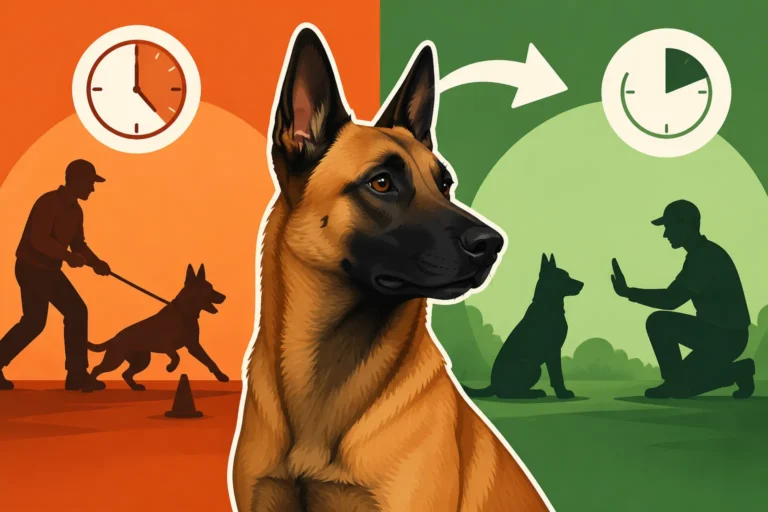
A highly stressed Malinois might require higher doses of sedatives to achieve the desired effect, which then compounds the risk. Conversely, some Mals might "fight" the sedation, leading to a prolonged and agitated induction or recovery. It's important to convey your dog's typical stress indicators to your vet. Do they whine? Pace? Growl? Shut down? Knowing their normal stress behaviors helps the vet predict and manage their reaction to the clinic environment and pre-medication. This isn't just about comfort; a calm induction is safer, reducing the likelihood of complications like aspiration or cardiac events.
Sensitivity to Stimuli and Environment
Malinois are incredibly perceptive dogs. They pick up on subtle cues in their environment that other breeds might completely ignore. This heightened awareness means they can be more sensitive to sounds, smells, and movements within the vet clinic, all of which can contribute to their anxiety levels. The unfamiliar smells of other animals, the sound of strange equipment, or even the hurried movements of staff can trigger an alert response.
When discussing sedation, it's helpful to tell your vet if your Malinois has specific sensitivities. For example, if they're particularly reactive to loud noises, the vet might choose a quieter induction area or provide extra time for the pre-medication to take effect in a calm room. A Malinois’s ability to remain highly tuned into their surroundings means they might need stronger pre-sedation protocols to truly relax and safely go under anesthesia. It’s a delicate balance; you want them calm, but not over-sedated. Understanding your dog’s baseline helps the vet tailor the best approach.
Critical Information About Your Malinois's Health History
Your Malinois's past health isn't just a collection of anecdotes; it's a vital medical record that can profoundly influence the safety and success of any sedation. Providing a thorough and accurate history allows your vet to anticipate potential complications, select the most appropriate drugs, and put preventive measures in place. Never assume something is too minor to mention.
Previous Sedation Experiences and Reactions
This is perhaps one of the most important pieces of information you can provide. Has your Malinois been sedated before? How did they react? Did they get extremely nauseous? Did they have a prolonged recovery, or wake up agitated and disoriented? Were there any unexpected side effects or allergies? Knowing how your specific dog responded to previous anesthetics or sedatives (even something as simple as a pre-surgical calming medication) is gold.
For example, some Malinois might be particularly sensitive to certain classes of drugs, like acepromazine, which can cause profound sedation and hypotension in sighthound-type breeds due to their lean body mass. Others might experience dysphoria or agitation on recovery, which can be distressing for both the dog and the owner, and can pose a risk of injury. Sharing these details allows your vet to choose alternative medications or adjust dosages to minimize adverse reactions, ensuring a smoother and safer process. Don't forget to mention if your dog has ever experienced Whether a Malinois Wakes Badly From Anesthesia.
Known Allergies and Sensitivities
Just like people, dogs can have allergies or sensitivities to medications. This could manifest as hives, swelling, difficulty breathing, or even a more subtle reaction like prolonged lethargy. If your Malinois has ever had an allergic reaction to any medication, antibiotic, or even a vaccine, it’s imperative to communicate this clearly to your vet. This isn't limited to sedatives; a reaction to an anti-inflammatory drug, for instance, could inform the choice of pain management during recovery.
Even if you’re unsure if a past reaction was a true allergy or just a side effect, err on the side of caution and mention it. The vet can then make an informed decision, potentially opting for a different drug class or having emergency medications readily available. This also extends to environmental allergies or food sensitivities, as a compromised immune system or digestive upset could impact recovery. Your vet needs to know everything that might affect your dog’s system.
History of Seizures or Neurological Issues
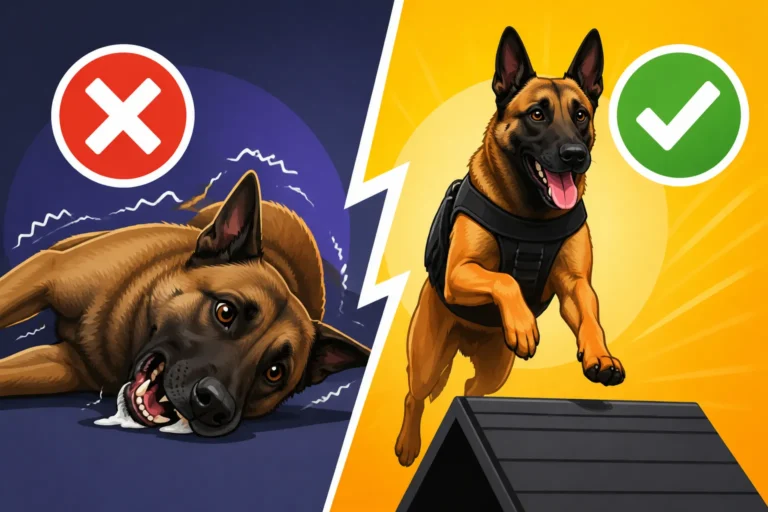
This is a non-negotiable topic to discuss, especially with a breed like the Malinois. While not universal, certain lines within the breed can be predisposed to seizure disorders. If your Malinois has ever experienced a seizure, even just one isolated incident, your vet needs to know before administering any sedative or anesthetic. Certain drugs can lower the seizure threshold, potentially triggering an episode, while others are safer options.
A vet needs to understand The Seizure Disorder Running in Malinois Lines and adapt their drug choices accordingly. For example, some anesthetic agents, like ketamine, might be avoided or used with extreme caution in a dog with a seizure history, while others like propofol or isoflurane might be considered safer options due to their anti-convulsant properties. If your Malinois is already on medication for seizures, such as phenobarbital or potassium bromide, this also needs to be disclosed, as these drugs can interact with anesthetics and impact their metabolism, potentially requiring dosage adjustments. Tell your vet if you are Managing an Epileptic Belgian Malinois on Medication to ensure all drug interactions are considered.
Behavioral Considerations for a Malinois Under Stress
When it comes to a Malinois, behavior isn't just about manners; it's about safety. Their intense nature, coupled with fear or pain, can lead to reactions that are dangerous for them, for you, and for the veterinary staff. Understanding your Malinois's typical stress responses and drive levels is crucial for developing a sedation plan that ensures cooperation, minimizes distress, and prevents injury.
Fear, Anxiety, and Aggression Triggers
Every Malinois owner knows their dog has a "switch." In a high-stress environment like a vet clinic, that switch can flip quickly. What triggers your dog? Is it being touched by strangers? Other dogs? Loud noises? Being restrained? Your vet needs to know if your Malinois has any specific fear, anxiety, or aggression triggers, especially around handling or in novel situations. This isn't about judging your dog; it's about keeping everyone safe.
If your Malinois is prone to barrier reactivity, for example, the vet might choose a recovery kennel that’s quieter or has solid sides to minimize visual stimuli. If they tend to snap when painful areas are touched, the vet can pre-medicate thoroughly for pain before examination or procedure. Openly discussing these tendencies allows the vet to pre-plan the safest approach, perhaps starting with a mild sedative before your dog even enters the exam room, or using a muzzle before any stress is introduced. This proactive approach prevents escalation and ensures a smoother, less traumatic experience for everyone involved.
High Prey Drive and Reactivity
Many Malinois possess a strong prey drive, which, while fantastic for sport or work, can become problematic in a clinic setting. A sudden movement by a technician, a dropping instrument, or even a small animal in an adjacent room could trigger an intense, focused reaction. This isn't aggression, but an instinctual response that can make handling difficult, even when the dog is starting to feel the effects of a sedative.
It's vital to inform your vet if your Malinois has a particularly high prey drive or is easily stimulated by movement. This allows the staff to be more mindful of their actions around your dog, moving slowly and deliberately. They might also choose a recovery area where visual and auditory stimuli are minimized. If your dog is in a heightened state of arousal due to prey drive, it can also affect how quickly sedatives take hold and how they recover, potentially leading to a more agitated or prolonged emergence from anesthesia.
Handling and Restraint Tolerance
How does your Malinois typically handle being handled by strangers? Can they tolerate a muzzle? Do they fight restraint, or do they shut down? This information is invaluable. Some Malinois are perfectly fine with being handled gently, while others might become intensely defensive or try to escape. If your dog has issues with specific types of handling (e.g., ear touching, paw manipulation), make sure to highlight this.
The more information the vet has, the better they can prepare. For a dog that tolerates handling poorly, the vet might opt for a "hands-off" initial sedative administration (e.g., orally or via injection from a distance) to minimize stress and the risk of bites, then increase sedation before any close physical examination. The goal is to avoid situations where a struggling dog could injure themselves or the staff, particularly during induction when they might be disoriented. Sometimes, the best solution involves bringing your own muzzle that your dog is conditioned to, ensuring they are comfortable with it prior to the appointment.
Current Medications and Supplements
This section is non-negotiable. Any medication or supplement, no matter how innocuous it seems, can interact with sedatives and anesthetics. It’s not about judging your choices; it’s about preventing dangerous interactions and ensuring the safest possible outcome for your Malinois.
Prescription Medications
Provide a complete and accurate list of all prescription medications your Malinois is currently taking, including the dosage and frequency. This includes things like thyroid medication for A Malinois Whose Thyroid Has Given Out, pain relievers, antibiotics, heartworm prevention, or seizure medications. Even seemingly unrelated medications can have significant interactions. For instance, some anti-inflammatory drugs might need to be discontinued before surgery due to potential effects on kidney function, which could be exacerbated by anesthesia.
Your vet needs to be aware of how these drugs might affect metabolism, blood pressure, heart rate, and kidney or liver function. They might need to adjust the dosages of anesthetic drugs or choose different ones altogether. For example, if your dog is on an anti-anxiety medication, the sedative dose might need to be lowered to prevent excessive depression. This is where comprehensive medical history pays off, allowing the vet to tailor the anesthesia plan precisely.
Over-the-Counter Drugs and Herbal Supplements
Don't overlook over-the-counter (OTC) medications or herbal supplements. Even seemingly harmless items like joint supplements, allergy medications, or calming chews can contain ingredients that interact with sedatives. Glucosamine and chondroitin are generally safe, but others, particularly herbal remedies, might have blood-thinning properties or affect liver enzymes, which could complicate anesthesia and recovery.
For example, certain herbal supplements, like St. John's Wort or valerian root, can interact with various drugs. It's always best to bring the actual packaging or a detailed list of ingredients for any supplements your dog is on. This level of detail empowers your vet to make informed decisions, ensuring no unexpected interactions occur. When discussing ongoing care, remember that reputable pet insurance providers like Healthy Paws can help manage the costs associated with chronic conditions or unexpected issues that might require sedation and ongoing medication.
Recent Vaccinations and Preventatives
While not medications in the traditional sense, recent vaccinations or parasitic preventatives are important to disclose. A recent vaccine could cause a mild immune response, making your dog feel slightly under the weather, which could complicate recovery from sedation. Some preventatives, especially newer ones, can have neurological side effects in sensitive individuals, which your vet would need to consider when choosing anesthetic agents.
If your dog recently received a vaccine, the vet might recommend postponing non-emergency sedation for a week or two to ensure your dog's immune system isn't under any additional stress. Similarly, if your dog recently started a new flea or tick preventative, mentioning any unusual reactions (even subtle ones like lethargy or mild tremors) is important. This holistic view of your dog's health ensures that all potential variables are considered for a safe procedure.
Recent Activities and Dietary Changes
The daily life of a Malinois, from their intense training schedule to their unique dietary needs, can subtly but significantly impact their physiological state. These factors might not seem directly related to sedation, but they can affect blood work, hydration, and drug metabolism, making them important points of discussion with your vet.
Intense Training or Exercise Schedules
A Malinois often has an intense daily routine, whether it's agility, IGP, bite work, or simply long, vigorous runs. This level of activity means their bodies are constantly working hard. Any recent changes to this schedule, or an unusually strenuous session just before a vet visit, could impact their muscle status, hydration, and even electrolyte balance. An overworked Malinois might be more prone to muscle cramping or fatigue, which could complicate recovery.
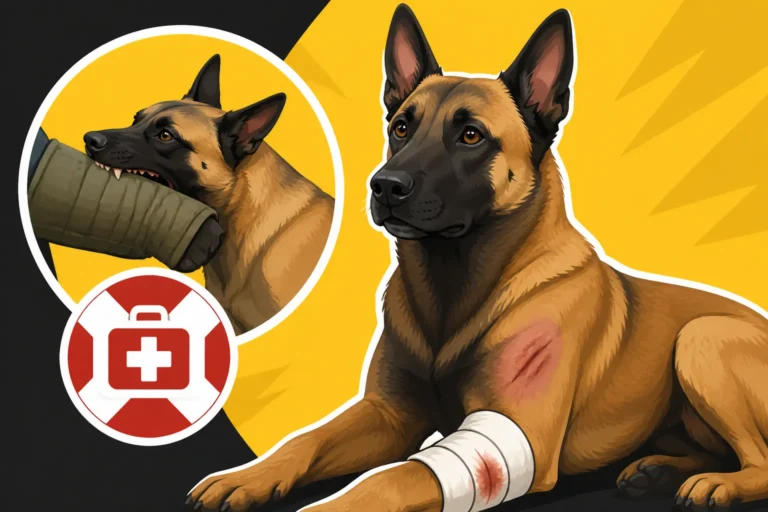
It's important to mention if your dog is actively working in a sport or if they've had a particularly demanding week. This allows the vet to assess potential dehydration or muscle soreness that could impact post-sedation comfort and recovery. For example, if your Malinois recently had an injury from a demanding training session that might need addressing, such as a Torn Cruciates in a Jumping Belgian Malinois or Broken Teeth on a Malinois From Bite Work, it’s good to discuss this with your vet ahead of time so they can prepare for specific needs. If your Malinois is dealing with an acute injury like Emergency Care After a Malinois Training Injury, then sedation might be necessary immediately, but your vet still needs this context.
Dietary Changes or Eating Habits
A sudden change in diet, or even a stressful event that causes your Malinois to go off their food, can impact their gut health, hydration, and overall metabolic state. While not as direct as medication interactions, subtle dietary shifts can alter liver function or electrolyte balance, which are important considerations for anesthesia. A Malinois that’s not eating well might have low blood sugar, which needs to be addressed before sedation.
Be sure to mention any new foods, treats, or supplements you've introduced, as well as any changes in appetite or unusual stool consistency. For instance, if your Malinois tends to experience Diarrhea in a Stressed Belgian Malinois when anxious, this is an important piece of information. The vet might recommend withholding food for a specific period before sedation to minimize the risk of aspiration, but knowing their usual eating patterns helps them make informed decisions. Also, discuss their typical feeding schedule, especially if they are usually fed just before a vet visit.
Recent Illnesses or Injuries
Even a seemingly minor bout of sickness, like a stomach upset or a limp that resolved, could be relevant. Your vet needs to know about any recent illnesses, even if they've passed, as they could indicate an underlying issue that might affect the anesthetic plan. This also includes any recent injuries, even if they don't seem related to the reason for the sedation. A recent sprain could affect how the dog is positioned on the table or how they recover.
For example, if your Malinois had a recent bout of kennel cough, their respiratory system might still be a bit compromised, requiring careful monitoring during anesthesia. Or if they’ve been limping, even if it seems better, it could be an indication of an underlying orthopedic issue. A complete picture of their recent health helps the vet anticipate any potential challenges and provides a more holistic assessment of their overall readiness for sedation.
Pre-Anesthetic Testing and Risk Assessment
Understanding the steps your vet takes before sedation is just as important as the sedation itself. Pre-anesthetic testing isn't just a revenue stream; it's a critical safety measure. As an owner, you should be fully informed about these diagnostics and proactive in discussing your dog's specific risk factors.
Importance of Pre-Anesthetic Bloodwork
Pre-anesthetic bloodwork is arguably one of the most vital steps before any sedation or anesthesia. It provides a snapshot of your Malinois’s internal organ function, including their liver and kidneys, which are crucial for metabolizing and eliminating anesthetic drugs. It also checks red and white blood cell counts, which can indicate anemia, infection, or other underlying health issues that might increase anesthetic risk.
If your Malinois’s blood work shows elevated liver enzymes, for instance, your vet might opt for drugs that are primarily metabolized by the kidneys. Conversely, if kidney values are high, liver-metabolized drugs might be favored, and intravenous fluid support will be crucial. This personalized approach dramatically reduces the risk of adverse reactions. Many owners question the cost of this testing, but it's a small price to pay for peace of mind and enhanced safety. Healthy Paws, or similar pet insurance policies, often cover a portion of these diagnostic costs if they are deemed medically necessary. Always ensure your vet discusses Pre-Anesthetic Bloodwork on a Belgian Malinois with you.
Cardiac Screening and Health Status
While Malinois are generally a healthy breed, cardiac issues can arise, sometimes silently. Before any sedation, especially for older dogs or those undergoing prolonged procedures, a cardiac screen can be highly beneficial. This might include listening carefully for murmurs or even recommending an ECG or an echocardiogram in certain cases. Anesthetic drugs can depress cardiovascular function, making it crucial to understand your dog's baseline heart health.
If a heart murmur is detected, the vet might adjust the anesthetic protocol to use drugs that have minimal impact on cardiac function, and they will monitor your dog’s heart rate and blood pressure even more closely throughout the procedure. For example, if an older Malinois is needing a procedure, your vet should be checking for things like Splenic Tumors in an Older Belgian Malinois as part of a comprehensive health check, which might include cardiac screening before any major surgery. Don't hesitate to ask about their cardiac health, particularly if they are getting on in years or have any history of lethargy or exercise intolerance.
Reviewing Physical Exam Findings
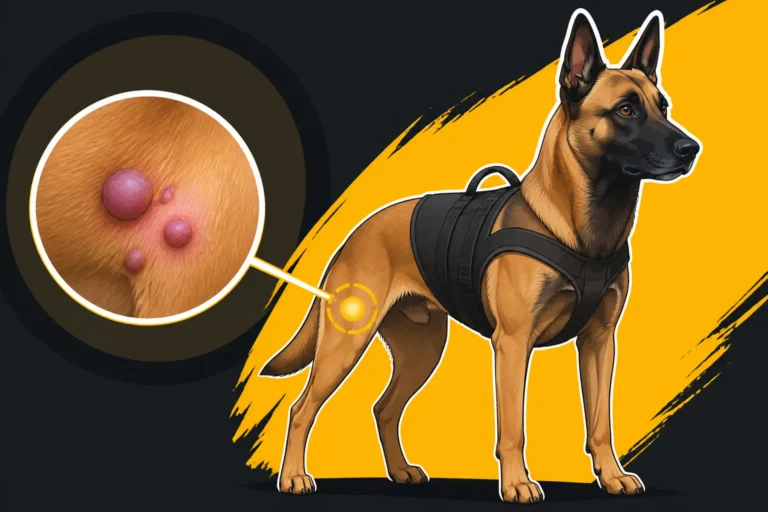
Before sedation, your vet will perform a thorough physical examination. This is their opportunity to assess your Malinois’s general health, hydration status, respiratory rate, body temperature, and detect any obvious signs of illness or injury. However, as an owner, you can contribute significantly to this. Point out any lumps, bumps, tender spots, or areas of concern you’ve noticed at home. For example, if you know your dog is prone to a Shifting Limp in a Six Month Malinois or has a history of joint issues, highlight these areas for your vet to examine specifically.
Sometimes, what seems like a minor issue to you could be a red flag for the vet regarding sedation. A simple thing like a stiff neck could indicate an underlying spinal issue, making certain positioning during surgery problematic. A thorough physical exam, combined with your detailed input, creates the most complete picture of your Malinois's health, allowing for the safest and most effective anesthetic plan. Discussing findings related to orthopedic health, such as The Hip and Elbow Numbers Behind a Malinois Clearance, is also important, as existing joint issues can affect recovery.
A Summary of Key Information for Your Vet
To make it easier, here's a table summarizing the vital information you should prepare and discuss with your veterinarian before your Belgian Malinois is sedated:
| Category | Specific Information to Provide | Why It Matters for Sedation |
|---|---|---|
| Physiology & Temperament | Lean body mass/condition score, usual stress indicators, specific sensitivities (noise, touch) | Affects drug dosing, metabolism, and potential for agitated recovery. High drive impacts cooperation and safety. |
| Health History | Previous sedation reactions, known allergies, seizure history, other chronic conditions | Informs drug selection, dosage adjustments, and anticipation of adverse events or recovery complications. |
| Behavioral Factors | Fear/anxiety/aggression triggers, prey drive, handling/restraint tolerance | Helps vet plan safe handling, minimize stress, and choose appropriate pre-medication for a calm induction. |
| Medications & Supplements | All prescription meds, OTC drugs, herbal supplements, recent vaccines/preventatives | Prevents dangerous drug interactions, informs dosage adjustments, and identifies potential systemic stressors. |
| Recent Activities & Diet | Intense exercise, recent diet changes, changes in appetite, recent illnesses/injuries | Affects hydration, blood sugar, organ function, and potential for underlying issues that complicate anesthesia/recovery. |
| Pre-Anesthetic Testing | Discuss recommended bloodwork, cardiac screens, and physical exam findings | Identifies hidden risks, allows for tailored anesthetic protocols, and provides a baseline for monitoring. |
Disclaimer
The information provided in this article is for general informational purposes only and is not a substitute for professional veterinary advice, diagnosis, or treatment. Always seek the advice of your qualified veterinarian with any questions you may have regarding your Belgian Malinois's health and before making any decisions related to their medical care or treatment.