Managing an Epileptic Belgian Malinois on Medication
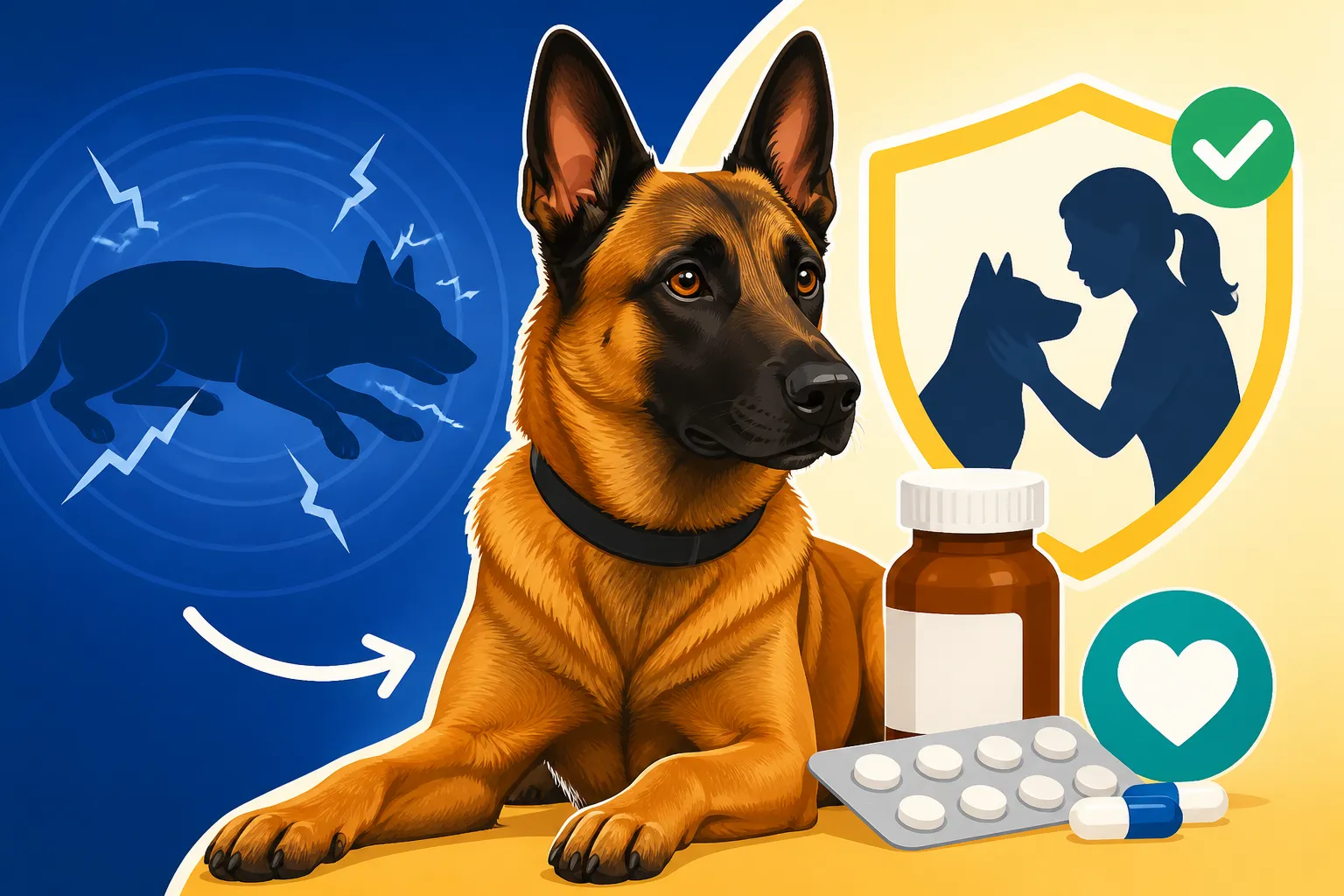
Witnessing your beloved Belgian Malinois experience a seizure can be one of the most terrifying and helpless feelings a dog owner can ever face. The sudden loss of control, the shaking, the disorientation—it's heartbreaking. Once your vet has delivered the diagnosis of epilepsy, the next hurdle is often learning how to effectively manage this condition with medication, which can feel overwhelming. This guide is here to walk you through the realities of managing an epileptic Malinois on medication, offering practical advice and empathetic understanding every step of the way.
Understanding the Initial Diagnosis and What It Means
Getting the news that your high-energy, intelligent Belgian Malinois has epilepsy can feel like a punch to the gut. This isn't just a "sit and stay" problem; it's a chronic neurological condition that demands ongoing attention and care. The initial period after a diagnosis is often filled with questions, fear, and the daunting prospect of a lifetime of medication management.
The Shock of the First Seizure
Many Malinois owners first realize something is wrong when their dog experiences a seizure, often seemingly out of nowhere. These can range from generalized tonic-clonic seizures, where the dog loses consciousness, falls, paddles its legs, and may salivate or lose bladder/bowel control, to focal seizures that might manifest as unusual twitching, "fly-biting," or behavioral changes. The intensity and unpredictability are what make it so alarming. You might find yourself frantically searching for information, wondering what on earth is happening to your normally robust dog. It's a natural reaction to feel overwhelmed and scared, especially when you consider that for many Malinois, epilepsy first appears in their prime, between one and five years of age. Understanding when epilepsy first appears in a Malinois can help you recognize the signs and seek veterinary care promptly.
It's crucial to distinguish an actual seizure from other conditions that might look similar, like syncope (fainting), tremors, or even behavioral episodes. Your vet will want a detailed description, or even better, a video, of what happened. They'll also rule out other potential causes of seizures, such as metabolic imbalances, brain tumors, toxins, or infections, through blood tests and possibly advanced imaging. This diagnostic phase can be stressful, as you wait for answers while trying to keep your Malinois safe.
The Decision to Medicate
Once other causes are ruled out, and a diagnosis of idiopathic epilepsy is made (meaning no underlying cause can be found), the conversation turns to medication. This isn't always an immediate decision. Factors like seizure frequency, severity, and post-ictal (post-seizure) recovery time all play a role. If your Malinois is having clusters of seizures, very severe seizures, or prolonged recovery periods, medication is usually recommended to improve their quality of life and prevent potential brain damage.
It's a big step because it signifies a lifelong commitment to administering medication, managing potential side effects, and regular veterinary check-ups. Many owners worry about the impact on their dog's personality or working ability, especially with a breed as driven as the Malinois. However, the goal of medication isn't to eliminate all seizures (though that's the ideal) but to reduce their frequency, severity, and duration, giving your Malinois a much better quality of life and peace of mind for you. In some cases, if the diagnostic path is unclear, your vet might discuss whether an MRI is worth running on a seizing Malinois to rule out structural brain issues before committing to a lifelong medication protocol for idiopathic epilepsy.
Navigating Medication Choices and Protocols
Once the decision to medicate is made, you'll be introduced to the world of anti-epileptic drugs (AEDs). There's no one-size-fits-all solution, and finding the right medication or combination, at the correct dosage, is often a journey of careful adjustment and close monitoring.
Common Anti-Epileptic Medications
The landscape of AEDs for dogs has expanded, offering more options than ever before. Your vet will likely start with one of the more commonly used drugs, often Phenobarbital or Levetiracetam (Keppra).
- Phenobarbital: This is often a first-line choice due to its effectiveness and relatively low cost. It works by depressing the central nervous system, reducing neuronal excitability. However, it requires careful monitoring of blood levels, as it is metabolized by the liver and can impact liver health over time. Initial side effects can include sedation, increased thirst and appetite, and mild ataxia (wobbliness), which often improve as the dog adjusts.
- Potassium Bromide (KBr): Often used in conjunction with Phenobarbital or for dogs that cannot tolerate Phenobarbital, KBr also works as a central nervous system depressant. It has a very long half-life, meaning it takes a while to reach therapeutic levels in the body, and similarly, a long time to clear. Side effects can be similar to Phenobarbital, plus potential gastrointestinal upset.
- Levetiracetam (Keppra): This medication has gained popularity because it's generally well-tolerated with fewer significant side effects, especially less sedation. It's often used in conjunction with other drugs, or as a primary drug for dogs with existing liver issues, or as an initial choice for severe or cluster seizures. It typically needs to be given every 8 hours, which can be a challenge for some owners.
- Zonisamide: Another relatively new option, Zonisamide is often used as an add-on medication or for dogs not responding well to other drugs. It generally has mild side effects, which can include sedation, loss of appetite, and vomiting.
It’s not uncommon for a Malinois to require a combination of these medications to achieve optimal seizure control. Your vet will carefully consider your dog's overall health, the type and frequency of seizures, and your lifestyle when recommending a protocol.
Titration and Side Effect Management
Starting medication is rarely a "here's the dose, you're done" scenario. Instead, it involves a process called titration, where the dosage is gradually increased until an effective therapeutic level is reached, or until side effects become unacceptable. This period requires immense patience and meticulous observation on your part. You'll be looking for a balance: enough medication to reduce seizures, but not so much that the side effects severely diminish your Malinois's quality of life.
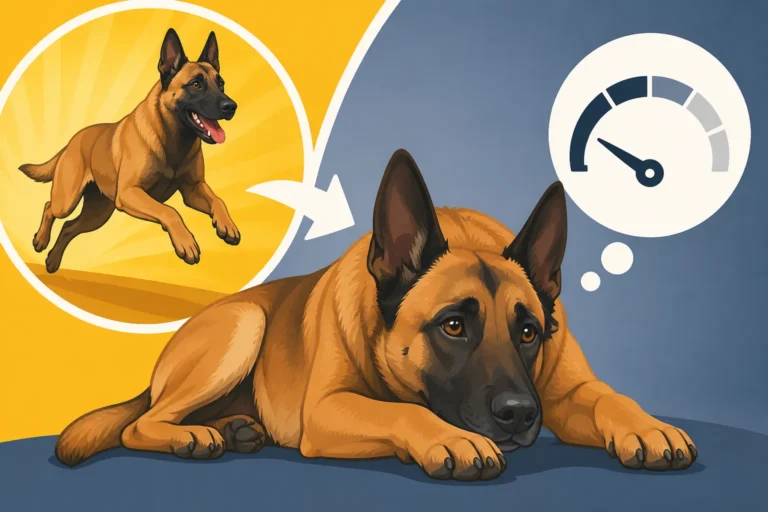
Common initial side effects of many AEDs include increased thirst, increased appetite, sedation, and a wobbly gait. For a Belgian Malinois, a breed known for its relentless drive and athletic prowess, seeing them sedated or lethargic can be particularly disheartening. It’s important to remember that many of these initial side effects can lessen as your dog's body adjusts to the medication. However, if side effects are severe or persistent, don't hesitate to discuss them with your vet. They might suggest a dosage adjustment or even switching to a different medication. Keeping track of "Whether Seizure Medication Dulls a Working Malinois" is a common concern, and open communication with your vet is key to finding that perfect balance.
Here’s a quick overview of common anti-epileptic medications for dogs:
| Medication Name | Primary Mechanism of Action | Common Side Effects (Initial) | Key Considerations |
|---|---|---|---|
| Phenobarbital | GABAergic depression, CNS depressant | Sedation, increased thirst/appetite, ataxia, liver impact | Requires blood level monitoring, potential long-term liver issues |
| Potassium Bromide (KBr) | Stabilizes neuronal membranes, CNS depressant | Sedation, increased thirst/appetite, ataxia, GI upset | Very long half-life (takes weeks to reach steady state), renal excretion |
| Levetiracetam (Keppra) | Modifies synaptic vesicle release | Mild sedation, ataxia (less common), decreased appetite | Generally well-tolerated, usually given 3x daily, kidney excretion |
| Zonisamide | Blocks sodium & calcium channels, enhances GABA | Mild sedation, decreased appetite, vomiting | Less common as first-line, often an add-on, hepatic metabolism |
Establishing a Routine for Success
Managing an epileptic Malinois on medication demands consistency and attention to detail. Establishing a strict routine isn't just helpful; it's absolutely vital for keeping seizure activity at bay and ensuring your dog's well-being.
The Importance of Strict Dosing Schedules
One of the most critical aspects of managing epilepsy with medication is adherence to a strict dosing schedule. Anti-epileptic drugs work best when maintained at consistent levels in your dog's bloodstream. This means giving medication at the exact same time every day, without fail. If your Malinois needs medication twice a day, aim for a 12-hour interval. If it's three times a day, an 8-hour interval is essential. Missing a dose or administering it late can cause drug levels to drop, potentially triggering a breakthrough seizure.
This level of precision can be challenging, especially with busy schedules. Setting alarms on your phone, using pill organizers, or having multiple family members involved with clear responsibilities can help. Think of it like a human patient with a critical medical condition—consistency is paramount. It’s not just about giving the pill; it’s about providing the stability your Malinois's brain needs to function as normally as possible.
Meticulous Tracking and Record Keeping
Beyond timing, keeping meticulous records is your most powerful tool in managing your Malinois's epilepsy. A seizure log should become your constant companion. This log should include:
- Date and Time of Seizure: Pinpointing patterns.
- Duration of Seizure: How long did it last?
- Type of Seizure: Generalized, focal, twitching, etc.
- Severity: Mild, moderate, severe.
- Recovery Time (Post-Ictal Phase): How long until your Malinois was back to normal? Was there disorientation, blindness, excessive hunger, or thirst?
- Medication Doses Given: Note any missed or late doses.
- Any Suspected Triggers: Did something unusual happen before the seizure? (e.g., stress, loud noises, specific foods, over-excitement). Understanding what triggers a Belgian Malinois seizure can be incredibly helpful.
This detailed log provides invaluable information to your veterinarian. It allows them to assess the effectiveness of the medication, identify trends, and make informed decisions about dosage adjustments. Without accurate records, managing the condition becomes a guessing game, which is not what you want when dealing with a neurological disorder. Many owners find apps or simple notebooks work best, but the key is consistency in recording.
Dealing with Side Effects and Adjustments
Living with an epileptic Malinois means you’ll become intimately familiar with potential medication side effects and the ongoing need for adjustments. This is a dynamic process, and what works today might need tweaking tomorrow.
Recognizing and Reporting Side Effects
While some initial side effects like mild sedation or increased appetite often subside, others might persist or even worsen, impacting your Malinois’s quality of life. It’s important to know what to look for and when to contact your vet.
Beyond the common initial side effects, keep an eye out for:
- Persistent or Severe Sedation: If your Malinois is constantly lethargic, struggling to stay awake, or showing a significant decrease in drive or responsiveness, this warrants a call to the vet.
- Pronounced Ataxia/Weakness: While some mild wobbliness might be acceptable, severe unsteadiness, difficulty walking, or frequent stumbling could indicate an overdosage or an intolerance to the medication.
- Excessive Thirst and Urination: This is common with Phenobarbital and KBr, but if it becomes unmanageable or your dog is drinking vast amounts, it needs to be noted.
- Increased Hunger leading to Weight Gain: Managing a Malinois's weight is critical for joint health and overall well-being. Excessive, uncontrollable hunger needs to be addressed to prevent obesity.
- Gastrointestinal Upset: Vomiting, diarrhea, or a severe loss of appetite can be side effects of some medications.
- Behavioral Changes: While seizure medication generally helps stabilize mood, some dogs might exhibit paradoxical excitement, anxiety, or aggression. These are less common but important to report.
Remember, your Malinois cannot tell you how they feel, so you are their advocate. Err on the side of caution and communicate any concerns, no matter how small they seem, to your veterinary team. They’ve seen it all and can help you discern what’s normal and what’s not.
Navigating Dosage Changes and Blood Monitoring
Managing an epileptic Malinois is a long-term commitment that typically involves periodic blood monitoring to ensure medication levels are therapeutic and to check for potential adverse effects on internal organs, especially the liver. For Phenobarbital, regular blood tests are crucial to measure drug levels. If levels are too low, seizures may continue; too high, and your Malinois could experience severe side effects or toxicity. These tests also monitor liver enzymes, as long-term Phenobarbital use can affect liver function.
If your Malinois is still having seizures despite being on medication, or if side effects are too severe, your vet will likely suggest dosage adjustments or the addition of a second medication. This often involves a careful dance of increasing one drug, or adding another, while closely monitoring your dog's response. This is where your detailed seizure log truly shines, providing the data needed to make informed decisions. It can be frustrating when you feel like you're constantly adjusting, but it's part of the process of finding the optimal control for your unique Malinois. Remember to discuss any changes with your vet before implementing them. The bloodwork a working Malinois should have annually goes beyond just seizure medication levels, often including a full chemistry panel and complete blood count to ensure overall health.
Life Beyond Medication: Maintaining Quality of Life
While medication is crucial for managing epilepsy, it's just one part of ensuring your Belgian Malinois lives a full, happy, and active life. You'll need to consider their overall well-being, including exercise, mental stimulation, and ongoing health care.
Can a Medicated Malinois Still Work?
This is a burning question for many Malinois owners, given the breed's working heritage. The answer is nuanced, but often, yes, with careful management. Many epileptic Malinois, once their seizures are well-controlled, can continue to participate in various activities, from advanced obedience and agility to detection work or even some protection sports. The key is stable seizure control and careful observation.
- Monitoring During Activity: During training or work, be extra vigilant for signs of fatigue, disorientation, or subtle seizure activity. Overheating or extreme stress can sometimes be seizure triggers, so understanding and avoiding these situations is important.
- Medication and Drive: Some anti-epileptic medications, especially Phenobarbital, can cause sedation or a slight reduction in drive, which might affect performance in high-level sports. Your vet and trainer can help you assess if the medication impact is too significant or if adjustments can be made without compromising seizure control. Many owners worry, "Whether a Seizing Malinois Can Still Work," and it's a valid concern that requires a collaborative approach with your veterinary team and experienced trainers.
- Safety First: If your Malinois has a seizure during an activity, it's critical to ensure their safety and the safety of others. This might mean making adjustments to the type or intensity of work they do. For example, extensive height work in agility might be less safe than scent work if their balance is sometimes affected.
The goal is to provide a fulfilling life while minimizing risks. Many working Malinois continue to thrive on medication, demonstrating their incredible resilience and adaptability.
Holistic Support and Long-Term Care
Managing epilepsy isn't just about pills; it's about a holistic approach to your Malinois's health.
- Stress Reduction: High-drive dogs like Malinois can be sensitive to stress, which can sometimes trigger seizures. Maintaining a predictable routine, providing a calm home environment, and managing excitement levels can be beneficial.
- Consistent Exercise and Mental Stimulation: Epilepsy doesn't negate a Malinois's need for work and exercise. In fact, providing appropriate outlets for their energy and intelligence can reduce stress and promote overall well-being. Consider activities like obedience, tracking, nose work, or structured play. Remember, keeping an old Belgian Malinois mentally busy is crucial, and this applies to a medicated Malinois of any age too.
- Diet and Supplements: While no specific diet cures epilepsy, some owners explore diets low in carbohydrates and high in healthy fats, such as a ketogenic diet, in consultation with their vet. Certain supplements, like Omega-3 fatty acids or MCT (medium-chain triglyceride) oil, are sometimes suggested for their neuroprotective properties, but always discuss these with your vet before adding them to your Malinois’s regimen.
- Regular Veterinary Check-ups: Beyond medication monitoring, regular check-ups are essential to monitor your Malinois's overall health, especially the long-term effects of medication on organs like the liver and kidneys. These visits allow your vet to catch any potential issues early and adjust care as needed. This also includes annual preventative health checks, which might involve similar protocols to whether a Belgian Malinois should be tested for heartworm twice or other routine screenings.
Building Your Support System and Resources
You are not alone in this journey. Managing an epileptic Belgian Malinois is a significant undertaking, and having a strong support system and utilizing available resources can make a world of difference.
Connecting with Other Malinois Owners
One of the most valuable resources you can tap into is other Belgian Malinois owners who are also navigating epilepsy. Online forums, breed-specific social media groups, and local working dog clubs often have members with experience in managing this condition. Sharing stories, asking questions, and getting advice from those who truly understand the unique challenges of a Malinois can be incredibly validating and informative. They might offer tips on everything from cleverly disguising pills to recognizing subtle pre-seizure behaviors.
Hearing from others who have successfully managed their epileptic Malinois through years of active, fulfilling lives can provide immense hope and practical strategies. It also helps to normalize the experience, reminding you that while challenging, it's a manageable condition that many dedicated owners navigate every day.
The Role of Pet Insurance and Financial Planning
Managing a chronic condition like epilepsy in a Belgian Malinois comes with ongoing costs. Between medication refills, regular blood work for monitoring drug levels and organ health, and emergency vet visits for breakthrough seizures or clusters, the expenses can quickly add up. This is where pet insurance can be a game-changer.
Companies like Healthy Paws offer comprehensive pet insurance plans that can cover a significant portion of these recurring veterinary expenses. While pre-existing conditions are typically not covered, if your Malinois was enrolled before the onset of epilepsy, these ongoing treatments would likely be eligible for reimbursement. Having insurance can alleviate a significant financial burden, allowing you to focus on getting your Malinois the best possible care without constant worry about the cost. Beyond daily medication and routine blood panels, pet insurance can also help with diagnostic costs, such as the initial bloodwork or specialized tests, which can be considerable. It’s worth investigating what type of coverage you have or what a plan could offer for future health needs. The vet bills a bite sport Belgian Malinois runs up can be substantial, and chronic conditions only add to that, making financial planning essential.
Advocacy and Ongoing Education
As an owner of an epileptic Malinois, you will become your dog's primary advocate. This means continually educating yourself about the condition, new treatment options, and potential interactions. It also means feeling confident enough to ask your vet questions, seek second opinions if needed, and make informed decisions about your dog's care.
Staying informed about advancements in veterinary neurology and anti-epileptic medications ensures you can have proactive conversations with your vet about the best possible care plan. Your dedication to their routine, meticulous record-keeping, and willingness to adapt are the cornerstones of successfully managing an epileptic Belgian Malinois on medication, allowing them to lead a life that is as active, joyful, and seizure-free as possible.
Disclaimer
This article is intended for informational purposes only and does not constitute veterinary advice. Always consult with a qualified veterinarian for any health concerns or before making any decisions about your Belgian Malinois's medical care or treatment plan.