Treating Pannus in a Belgian Malinois for Life
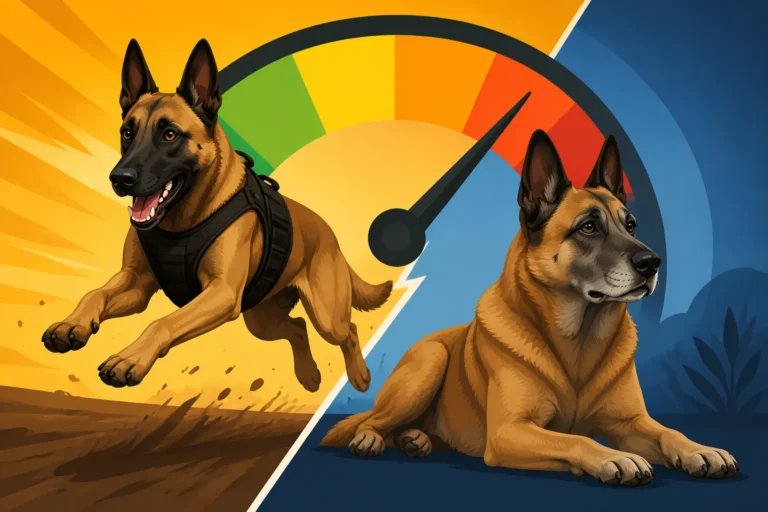
It's incredibly frustrating, isn't it? You get this incredible, high-drive Belgian Malinois, ready to conquer the world, only to discover a creeping cloud threatening their vision and their ability to do what they love. Diagnoses like pannus can hit hard, leaving you feeling overwhelmed and unsure how to protect your working partner. This isn't just a minor inconvenience; it's a chronic condition that requires unwavering commitment. This comprehensive guide is here to walk you through everything you need to know about treating pannus in your Belgian Malinois for life, offering practical advice and realistic expectations.
Understanding the Enemy: What is Pannus?
When you first hear the word "pannus," it might sound like some obscure, rare ailment. But for us Malinois owners, it's a diagnosis that can become an unfortunate part of our vocabulary. Also known as Chronic Superficial Keratitis (CSK) or Uberreiter's Syndrome, pannus is essentially an inflammatory disease of the cornea (the clear front surface of the eye) and sometimes the third eyelid. What makes it so insidious is its progressive nature – if left untreated, it can severely impair vision and even lead to blindness, impacting your Malinois's quality of life and working ability.
The Autoimmune Nature of Pannus
At its heart, pannus is an autoimmune disease. This means your Malinois's own immune system, which is supposed to protect them from foreign invaders, mistakenly attacks the cells of their eyes. It's a bit like an internal battle where the body turns on itself, leading to inflammation and the characteristic changes we see. While the exact trigger for this autoimmune response isn't fully understood, there's a strong genetic predisposition, especially within certain breeds, and our beloved Belgian Malinois are, unfortunately, on that list. This isn't something your dog "caught"; it's something internal, a fundamental glitch in their immune system, making it a lifelong management challenge rather than a curable disease.
This autoimmune component is precisely why there's no "cure" for pannus. Instead, treatment focuses on managing the inflammation and preventing its progression. Think of it like managing an allergy or another chronic condition in humans – you learn to control the symptoms and mitigate the factors that make it worse. The body's misdirected attack on the corneal tissue leads to the infiltration of inflammatory cells, blood vessels, and pigment. This explains the reddish, fleshy, or grayish film that starts to creep across the surface of the eye, often beginning at the outer corner and moving inwards. Understanding this underlying mechanism helps you appreciate why consistent, lifelong treatment is not just recommended, but absolutely critical.
The Role of Sunlight in Triggering and Worsening Pannus
While the genetic predisposition sets the stage, environmental factors play a huge role in the onset and progression of pannus, and none more so than ultraviolet (UV) light. Sunlight, with its potent UV rays, acts like a relentless accelerator for this autoimmune response in the eye. It's not just a minor irritant; it actively damages the corneal cells and intensifies the inflammatory process, making the condition worse and causing it to progress faster. This is why you often hear vets emphasizing sun protection, especially if you live in a sunny climate or your Malinois spends a lot of time outdoors.
Imagine your Malinois, eager to work, out on a sunny training field in the middle of the day. Every ray of sunshine hitting their eyes is potentially fueling the fire of their pannus. This effect is particularly noticeable at higher altitudes or near reflective surfaces like snow or water, where UV exposure is magnified. For a working Belgian Malinois, whose life is often spent outdoors, this presents a significant challenge. Owners in places like Colorado or Arizona, or those who frequent wide-open spaces, often see more aggressive forms of the disease because of this constant exposure. This strong link between UV light and pannus progression is why lifestyle adjustments and protective measures become as vital as the medications themselves in managing the condition. If you want to learn more, our guide on Pannus and the Sunlight That Drives It in Malinois delves deeper into this environmental trigger.
Recognizing the Signs: Early Detection is Key
One of the biggest frustrations for any Malinois owner is feeling helpless when your dog is suffering. With pannus, early detection isn't just helpful; it's absolutely critical for preserving your dog's vision and quality of life. The sooner you catch the subtle changes, the more effectively you can manage the disease and prevent irreversible damage. It requires a keen eye and a proactive approach, especially since our stoic Malinois often hide discomfort until it's quite advanced.
Visual Cues and Initial Symptoms
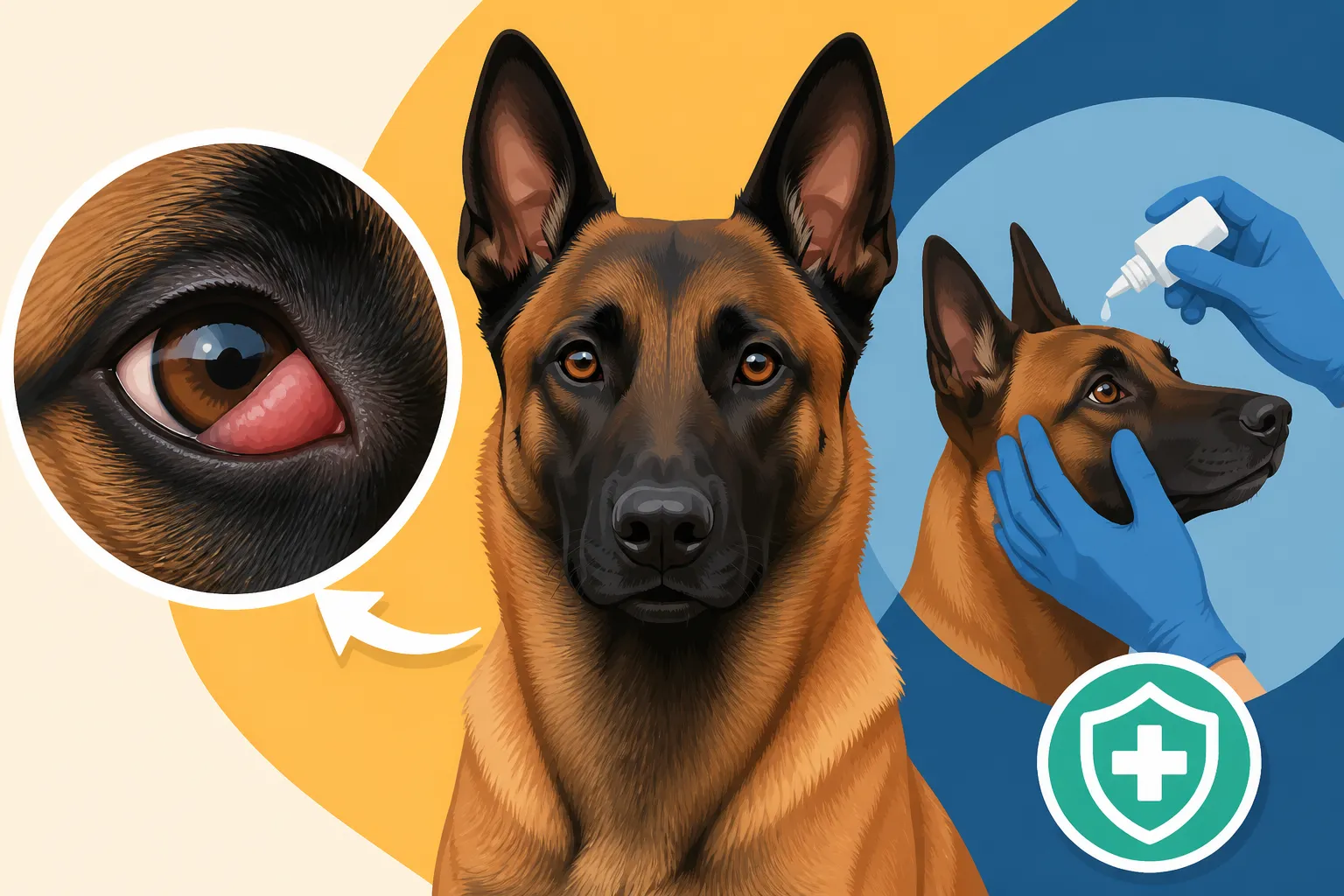
Initially, the signs of pannus can be quite subtle and easily missed, especially in a busy household or with a dog that's always in motion. You might first notice a slight reddening or inflammation of the white part of the eye (sclera) or the third eyelid. This can progress to a hazy, grayish film creeping across the cornea, often starting at the outer, lateral corner of the eye. It might look like a cloudy patch that doesn't wipe away. Sometimes, tiny blood vessels (vascularization) will start to grow into the cornea, making the eye appear bloodshot in specific areas. Pigment, which looks like dark brown or black specks, can also start to deposit on the cornea, further obscuring vision.
As the condition advances, these changes become more pronounced. The grayish film thickens and spreads, and the pigment darkens and becomes denser. Your Malinois might start to squint, blink excessively, or rub their eyes more often due to irritation. In some cases, you might notice a milky white or reddish-pink lesion on the cornea. The degree of pigment and vascularization can vary greatly between dogs and even between eyes on the same dog. It’s important to remember that these aren't just cosmetic changes; they're indicators of active inflammation that is damaging the eye and, if allowed to progress, will eventually lead to significant vision loss. Keep an eye out for The Grayish Film Creeping Across a Malinois Eye as an early warning sign.
The Importance of Regular Vet Check-ups
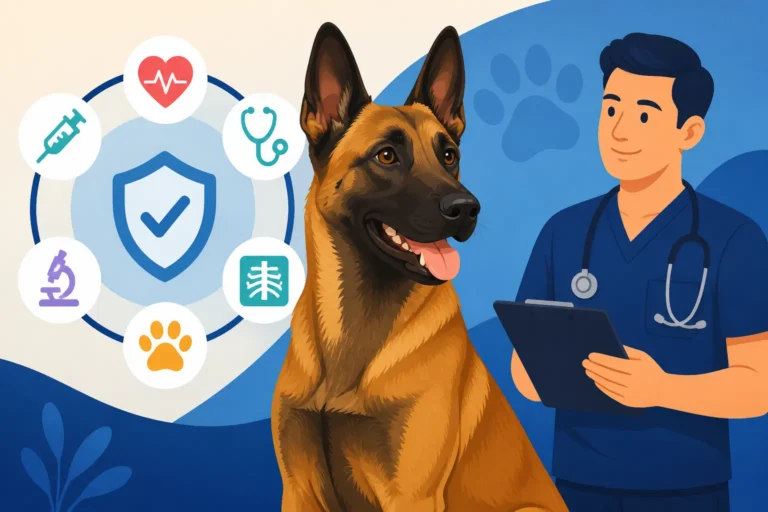
Given the subtle onset of pannus, regular veterinary check-ups are indispensable. Your general practice veterinarian is often the first line of defense, but for specific eye conditions like pannus, consulting a board-certified veterinary ophthalmologist is highly recommended. These specialists have the equipment and expertise to detect the earliest signs of the disease, often before they're visible to the untrained eye, and to accurately diagnose the condition. They can differentiate pannus from other eye conditions that might present similarly, ensuring your Malinois gets the correct treatment right from the start.
During these check-ups, the vet will perform a thorough eye examination, which might include specific tests like a fluorescein stain to check for corneal ulcers (which can sometimes accompany pannus or be confused with it), a Schirmer tear test to assess tear production, and a direct ophthalmoscopy to view the internal structures of the eye. They'll pay close attention to the cornea and third eyelid for any signs of inflammation, vascularization, or pigmentation. Establishing a baseline early on allows the ophthalmologist to accurately monitor the progression of the disease and adjust treatment protocols as needed throughout your Malinois's life. Don't underestimate the value of these specialized visits; they are central to effective, long-term management of pannus.
The Lifelong Treatment Protocol: More Than Just Eye Drops
Dealing with a chronic condition like pannus means signing up for lifelong management. There's no magic pill or quick fix; instead, it's about a consistent, multi-faceted approach aimed at controlling the inflammation and preserving your Malinois's sight. This often involves a combination of topical medications, and sometimes oral drugs, all tailored to your dog's specific needs and the severity of their condition. It's a journey, not a destination, and it requires dedication.
Topical Medications: The Frontline Defense
For most Malinois with pannus, topical eye medications are the cornerstone of treatment. These are typically corticosteroids or immunosuppressants, or sometimes a combination of both. Corticosteroid drops or ointments, like prednisolone acetate or dexamethasone, work by powerfully reducing inflammation in the eye. They're often prescribed initially to get the active inflammation under control. The frustrating part here is that while they are highly effective, they also carry risks with long-term, high-dose use, such as thinning of the cornea or increased intraocular pressure, so careful monitoring by your vet is essential.
Immunosuppressant medications, particularly cyclosporine (Optimmune, Restasis) or tacrolimus, are often preferred for long-term maintenance. These drugs work by modulating the immune response in the eye, preventing the body from attacking itself. They take a little longer to show full effect compared to steroids, but they are generally safer for continuous, lifelong use. Your vet or ophthalmologist will usually start with a higher frequency (e.g., twice daily) to achieve initial control, then gradually taper down to the lowest effective dose needed to keep the pannus at bay, which might be once daily or even every other day. The goal is always to find that sweet spot: maximum efficacy with minimum medication. This might involve a fair bit of trial and error in the beginning. Consistent application of Daily Eye Drops for a Malinois With Pannus is non-negotiable for success.
Oral Medications and When They're Needed
While topical medications are usually sufficient for managing pannus, there are instances where oral medications become a necessary part of the treatment plan. This typically happens in more severe or aggressive cases of pannus, where the inflammation isn't adequately controlled by eye drops alone, or if there's extensive involvement of the third eyelid that topical treatments struggle to reach effectively. Oral corticosteroids, like prednisone, might be prescribed for a short course to quickly bring a severe flare-up under control. These systemic steroids pack a bigger punch, but they also come with more pronounced side effects such as increased thirst, urination, appetite, and potential long-term issues like Cushing's disease if used excessively.
Another oral option that might be considered is oral cyclosporine. While topical cyclosporine is a staple, the oral form provides a systemic immunosuppressive effect, which can be beneficial for very stubborn or widespread cases. However, oral cyclosporine is significantly more expensive than topical versions and also carries a higher risk of systemic side effects, including gastrointestinal upset or kidney issues. The decision to use oral medications is not taken lightly and is usually reserved for challenging situations where the benefits clearly outweigh the risks, and always under the close supervision of a veterinary ophthalmologist. The aim is often to use oral medications as a bridge to get the condition under control, then transition back to topical treatments as much as possible for long-term maintenance.
Considering Surgical and Adjunctive Therapies
For the vast majority of Malinois with pannus, consistent medication management is enough. However, in rare and very severe cases, especially those with significant, vision-impairing pigmentation or raised, fleshy lesions on the cornea, surgical intervention might be considered. One such procedure is a superficial keratectomy, where the top layers of the affected corneal tissue are carefully removed. This can help clear up dense pigmentation and improve vision, but it's important to understand that surgery doesn't cure pannus. The underlying autoimmune condition remains, and aggressive topical medical therapy will still be required post-operatively to prevent recurrence and progression.
Beyond surgery, other adjunctive therapies might be explored. For instance, sometimes radiation therapy is used for very aggressive, proliferative pannus that doesn't respond to traditional medical management. This is a specialized treatment usually performed at a veterinary oncology center. Additionally, some vets might recommend omega-3 fatty acid supplements, which have anti-inflammatory properties, though their direct impact on pannus is not as clearly defined as that of corticosteroids or cyclosporine. The primary focus for almost every Malinois owner dealing with pannus will remain diligent application of eye drops and meticulous sun protection, but it’s good to know these other options exist for those truly challenging, unresponsive cases.
Managing Life with Pannus: Protecting Your Malinois from the Sun
Treating pannus isn't just about what you put in your Malinois's eyes; it's also about what you keep off them. Given the strong link between UV light and the progression of the disease, environmental management and sun protection are just as crucial as medication. This is where the lifestyle of your active Belgian Malinois comes head-to-head with a medical necessity, and creative solutions are often required.
Environmental Modifications and Lifestyle Adjustments
For a dog like a Belgian Malinois, who thrives on activity and being outdoors, modifying their environment to reduce sun exposure can feel like a contradiction. However, it's a critical component of managing pannus. The most straightforward adjustment is avoiding direct sunlight during peak UV hours, typically between 10 AM and 4 PM. If your dog usually trains or plays outside during these times, you'll need to shift their schedule to early mornings or late evenings. This might mean getting up earlier for that retrieve session or waiting until dusk for a tracking exercise.
Consider creating shaded areas in your yard or training grounds. Pop-up canopies, shade sails, or even strategically planted trees can offer significant relief. For working dogs, this might mean ensuring their kennel or patrol vehicle has adequate shade or tinting. Thinking about Whether a Malinois With Pannus Should Work Outdoors is an important part of this discussion; it's not necessarily about stopping work, but about making smart adjustments to how and when that work happens. Every bit of shade helps to minimize the UV light that drives the inflammatory process in their eyes. Remember, even on cloudy days, UV rays can penetrate, so constant vigilance is required.
Protective Eyewear and Gear
This might sound a little silly at first, but for a Malinois with pannus, protective eyewear isn't a fashion statement; it's a vital piece of medical equipment. Dog goggles, often referred to as Doggles, are specifically designed to shield your dog's eyes from harmful UV rays. Many brands offer lenses with 100% UV protection, which is exactly what you need. It's not always an easy sell for a high-drive dog to wear something on their face, but with patient desensitization and positive reinforcement, most Malinois can learn to tolerate them, especially if it means they still get to do their job or enjoy their outdoor activities.
When choosing goggles, look for a comfortable fit that doesn't obstruct their field of vision unnecessarily and is durable enough to withstand a Malinois's active lifestyle. Brands like Rex Specs and Doggles are popular choices among working dog handlers for their robust design and effective UV blocking. Introducing them gradually, starting with short periods indoors, paired with high-value treats and praise, can make the process much smoother. For detailed guidance on specific brands and how to get your Malinois accustomed to them, our article on Goggles for a Belgian Malinois With Pannus offers practical tips. This simple piece of gear can make a monumental difference in slowing the progression of pannus and protecting your dog's sight for years to come.
The Financial Reality: Budgeting for Lifelong Care
Let's be real: owning a Belgian Malinois is an investment, not just in time and training, but also financially. When a chronic condition like pannus enters the picture, it adds another layer to that financial commitment. It’s important to go into this with open eyes, understanding that managing pannus is a lifelong expense, and planning for it can save you a lot of stress down the road.
Understanding Medication Costs
The core of pannus treatment revolves around daily topical medications, primarily cyclosporine or tacrolimus eye drops. These medications are not cheap, and because they are needed for life, the costs can really add up. A single bottle of prescription eye drops might last anywhere from a few weeks to a couple of months, depending on the dosage and frequency, but you'll be refilling them constantly.
For example, a typical 0.2% cyclosporine ophthalmic ointment (like Optimmune) can cost anywhere from $50 to $100 for a small tube, and if you're applying it twice a day, you might go through one tube a month. Tacrolimus ophthalmic drops, which are often compounded by specialty pharmacies, can be similarly priced or even more, ranging from $60 to $120 per bottle. If your Malinois needs multiple types of drops or a combination therapy, these costs multiply quickly. This is why our article on Monthly Cyclosporine Costs for a Malinois With Pannus is so popular – it’s a very real concern for owners. Over a Malinois's lifespan, these medication costs can easily run into thousands of dollars, making proactive budgeting essential.
Insurance Considerations for Chronic Conditions
This is where pet insurance can really shine, but it's crucial to understand the fine print. Most pet insurance policies, including those from providers like Healthy Paws, will cover chronic conditions like pannus, provided the condition isn't pre-existing. This means if your Malinois was diagnosed with pannus before you enrolled them in a policy or before the policy's waiting period expired, the costs associated with it will likely not be covered. This is a huge reason why getting pet insurance when your Malinois is a puppy or very young, before any health issues arise, is highly advisable.
If your policy does cover pannus, it can significantly ease the financial burden. Insurance can help with the ongoing costs of medication, specialist vet visits, and any potential advanced diagnostics or treatments. You'll typically pay your vet bill upfront, then submit a claim to your insurer for reimbursement, minus your deductible and co-pay. When considering options, it's worth checking if Whether Insurance Covers a Malinois's Pannus Drops is explicitly stated in their policy, as this is where a large chunk of your recurring expense will lie. Comparing different providers and their coverage for chronic, lifelong conditions like pannus is a wise move, as policies can vary greatly in their terms and benefits.
Here's a quick comparison of common pannus management components:
| Component | Purpose | Typical Frequency | Estimated Monthly Cost (USD) | Covered by Most Pet Insurance (if not pre-existing) |
|---|---|---|---|---|
| Cyclosporine/Tacrolimus Drops | Immunosuppression, inflammation control | Daily to every other day | $50 – $120 | Yes |
| Corticosteroid Drops | Acute inflammation reduction | Varies (often tapered) | $20 – $50 | Yes |
| Vet/Ophthalmologist Visits | Diagnosis, monitoring, treatment adjustments | Every 3-12 months | $100 – $300 (per visit) | Yes |
| Protective Goggles (e.g., Doggles, Rex Specs) | UV protection, physical barrier | As needed outdoors | $0 – $15 (one-time purchase, lasts months/years) | Unlikely (often considered preventative/accessory) |
| Oral Steroids (short term) | Severe flare-up control | As prescribed | $15 – $40 | Yes |
| Oral Cyclosporine (rare) | Systemic immunosuppression for severe cases | Daily | $150 – $400 | Yes |
Note: Costs are estimates and can vary significantly based on location, pharmacy, specific medication, and dosage.
What to Expect Long-Term: Living with a Malinois and Pannus
Living with a Belgian Malinois is a commitment. Adding pannus to the mix means that commitment deepens, requiring vigilance, patience, and adaptability. It's a journey that will have its ups and downs, but with consistent care, your Malinois can still live a full, happy, and active life. The goal is always to maintain their vision and comfort, allowing them to remain the vibrant, high-energy dogs we cherish.
The Realistic Outlook for Vision and Health
With lifelong treatment, the prognosis for maintaining good vision in a Malinois with pannus is generally very positive. The key word here is "lifelong." Skipping doses, neglecting sun protection, or delaying vet visits will almost certainly lead to a worsening of the condition. If treatment is consistent, the progression of the disease can be halted, and in many cases, some of the existing inflammation and pigmentation can even be reduced, leading to improved vision. However, very dense, long-standing pigment might not fully disappear, and some degree of residual scarring or haze could remain. Our guide on How Far Pannus Progresses in an Untreated Malinois illustrates the severe consequences of neglecting treatment.
It's important to understand that while we can manage pannus, we can't cure it. This means that if treatment is stopped or reduced too much, the condition will almost certainly relapse, often returning worse than before. You'll become acutely aware of changes in your dog's eyes, noticing if the redness or cloudiness starts to creep back. This isn't a failure on your part, but simply the nature of an autoimmune disease. Your job is to stay ahead of it, adjusting protocols with your vet as needed. Despite this, with proper care, your Malinois can continue to excel in whatever activities they love, whether it's bite work, agility, or just being an active family companion.
Adapting Training and Activities
A Belgian Malinois is a dog built for work, and pannus doesn't have to change that. What it does mean is that you'll need to adapt how and when you engage in those activities. As discussed, avoiding peak sun hours is crucial. This might mean training in an indoor arena, even for scent work or obedience, if outdoor shade isn't sufficient. If your dog works outdoors, ensure they're wearing their protective goggles reliably. This might take some specific training itself, perhaps using high-value treats and gradually increasing wear time, as detailed in our guide on Applying Eye Medication to a Malinois That Objects – the same principles apply to goggles.
Consider the environment your Malinois works in. Dusty or windy conditions can cause eye irritation, potentially exacerbating inflammation, so rinsing their eyes with a sterile saline solution after exposure might be beneficial. Regular hydration is also important for overall eye health. While pannus requires diligent attention, it doesn't mean your Malinois has to retire from life. It simply means you become an even more observant and proactive advocate for their health, ensuring they have all the tools and protections needed to thrive, allowing them to continue being the amazing working partners they were born to be, just with a little extra care for their precious eyes.
Disclaimer
The information provided in this article is for general informational purposes only and is not a substitute for professional veterinary advice, diagnosis, or treatment. Always seek the advice of your veterinarian or other qualified animal health provider with any questions you may have regarding a medical condition or treatment for your Belgian Malinois. Never disregard professional veterinary advice or delay in seeking it because of something you have read in this article.