How Far Pannus Progresses in an Untreated Malinois
It’s truly disheartening to see your vibrant, energetic Belgian Malinois start showing signs of discomfort or, even worse, visual impairment. Many dedicated Malinois owners worry about the progressive nature of certain breed-specific conditions, and Pannus, or Chronic Superficial Keratitis (CSK), is one that can creep up insidiously. This guide will meticulously detail the progression of untreated Pannus in a Belgian Malinois, from its subtle beginnings to its devastating potential for blindness, offering you a comprehensive understanding of what to expect and why early intervention is absolutely crucial.
Understanding Pannus and Its Impact on Your Malinois's Eyes
Pannus, clinically known as Chronic Superficial Keratitis (CSK), is an immune-mediated eye condition that primarily affects the cornea and third eyelid of certain dog breeds, with the Belgian Malinois being unfortunately predisposed. It’s not just a cosmetic issue; it's a progressive disease where inflammatory cells invade the clear cornea, leading to cloudiness, vascularization (new blood vessel growth), and pigmentation. Imagine looking through a window that's slowly frosting over and then being permanently stained – that’s what your Malinois experiences.
The Immune System's Misdirected Attack
At its core, Pannus is an autoimmune disease. This means your dog’s own immune system, for reasons not entirely understood, starts attacking the tissues of its eyes as if they were foreign invaders. This chronic inflammation is what drives the gradual tissue changes. While genetics play a significant role in determining which Malinois are susceptible, environmental factors act as potent triggers. You might wonder, "Why my dog?" and it's a valid question, especially when you're doing everything right. It's often an unlucky genetic roll combined with exposure that lights the fuse.
The Undeniable Role of Ultraviolet Light Exposure
If there’s one major external accelerator for Pannus, it’s ultraviolet (UV) light. Think about how harmful UV rays are to human skin without protection; for a Malinois with a genetic predisposition to Pannus, those same rays are like fuel to a fire in their eyes. Dogs living in sunny climates, or at higher altitudes where UV intensity is greater, are often more severely affected and see faster progression of the disease. This is why you'll often hear discussions about Pannus and the Sunlight That Drives It in Malinois, highlighting how critical sun protection becomes in managing this condition. Even reflections off snow or water can be intensely damaging, proving that it's not just direct sunlight that poses a risk.
The Insidious Progression of Untreated Pannus
Without timely and consistent intervention, Pannus will relentlessly march forward, damaging your Malinois's vision and causing significant discomfort. It doesn’t just stop; it actively worsens, moving through distinct stages of deterioration.
Initial, Subtle Changes and Early Discomfort
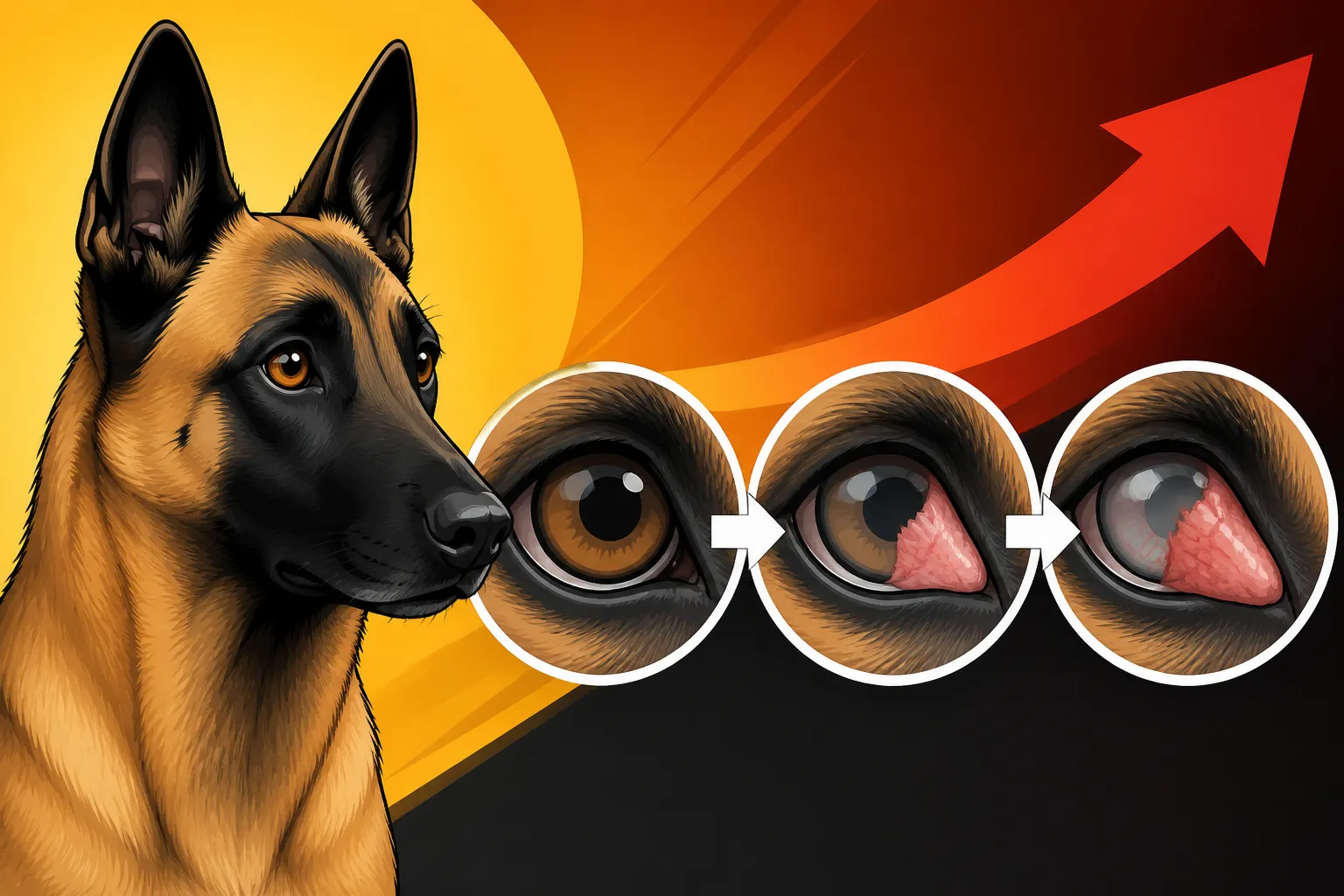
In its earliest stages, Pannus can be incredibly subtle, making it easy to miss if you’re not looking closely. You might notice a faint, grayish film creeping across a small portion of the cornea, often starting at the outer edges of the eye, particularly the temporal side. There might be a slight redness or thickening of the third eyelid, sometimes accompanied by a watery discharge. Some owners might mistake it for a mild allergy or a bit of dust. This stage typically starts when a Malinois is around The Age Pannus Usually Starts in a Malinois, usually between 3 to 6 years old, though it can appear earlier or later. At this point, your Malinois might not show obvious signs of pain, but the inflammatory process has already begun its work.
It’s easy to dismiss these early indicators. You might think, "Oh, he just ran through some tall grass," or "Maybe he’s just tired." But these seemingly minor issues are the first whispers of a much larger problem. As the disease progresses, that initial grayish film will become more pronounced. You might also notice new, tiny blood vessels starting to invade the once-clear cornea – a sign that the body is trying to heal, but in a misguided, damaging way. This subtle transformation, often described as The Grayish Film Creeping Across a Malinois Eye, is your first unmistakable warning sign that Pannus is taking hold.
Mid-Stage Development: Pigmentation and Significant Visual Impairment
As Pannus advances into its mid-stages without treatment, the changes become more obvious and concerning. The corneal opacity intensifies, turning from a light haze to a denser, grayish-brown or even blackish discoloration. This darkening is due to melanin pigmentation, essentially the body’s attempt to protect the eye from further UV damage, but it comes at the cost of vision. The blood vessels, which were once tiny and hard to see, now become prominent, forming a visible network across the cornea.
Your Malinois will start to experience more noticeable vision impairment. They might bump into objects on their familiar patrol routes, hesitate on stairs, or misjudge distances during fetch. Their once sharp vision, crucial for their work or play, becomes compromised. Furthermore, the inflammation can cause chronic irritation, leading to increased squinting, rubbing at the eyes, and sensitivity to bright light. This isn't just a physical change; it's a significant downgrade in their quality of life, making their daily activities more challenging and less enjoyable.
Advanced Stages: Blindness, Pain, and Irreversible Damage
If Pannus is left entirely untreated, it will inevitably progress to severe and often irreversible damage. The pigmentation and vascularization will cover large portions, or even the entirety, of the cornea, effectively blocking light from reaching the retina. At this point, your Malinois faces Whether Pannus Blinds a Belgian Malinois. The eye will appear darkly pigmented, thick, and scarred.
Beyond just the vision loss, the chronic inflammation can lead to secondary complications like corneal ulcers or even glaucoma, causing significant pain. An untreated Malinois with end-stage Pannus can become completely blind, disoriented, and deeply distressed. Imagine your highly intelligent, driven Malinois suddenly navigating a world of shadows, unable to perform the tasks they love or even move freely without fear. It's a heartbreaking scenario, highlighting why active management is not just recommended, but essential for their well-being.
Factors Accelerating Pannus Progression
While genetics lay the groundwork for Pannus, several environmental and management factors can dramatically speed up its progression, making a bad situation worse for your Malinois. Understanding these accelerators is key to mitigating the disease's impact.
Unfiltered Sunlight Exposure as a Primary Driver
As mentioned, unfiltered sunlight, particularly its UV component, is the arch-nemesis of a Malinois with Pannus. Extended time outdoors in bright conditions, especially during peak UV hours, without any protection, acts like pouring gasoline on a fire. Even on cloudy days, a significant amount of UV radiation can penetrate, making it a year-round threat in many regions. Without simple protective measures, that slow creep of corneal pigmentation can become a rapid sprint towards blindness. This is why a proactive approach to Shade Routines for a Light Sensitive Belgian Malinois is not just helpful but critical.
It’s not just about direct sunlight either. Think about reflective surfaces like concrete, sand, or snow. These can bounce UV rays directly into your dog's eyes from below, intensifying exposure. For a Malinois that loves to run fields or train outdoors, every sunny moment without protection is a step further into the disease's grip. This factor alone can differentiate between a dog whose Pannus is managed and one whose condition spirals out of control rapidly.
Altitude and Other Environmental Triggers
Location truly matters when it comes to Pannus. Dogs residing at higher altitudes are exposed to greater levels of UV radiation due to less atmospheric filtering. This is a significant reason Why Altitude Makes a Malinois's Pannus Worse. If you live in a mountainous region or an area known for intense sun, your Malinois is at an elevated risk of faster progression. Beyond altitude and sun, other environmental irritants like dust, wind, and allergens can exacerbate the inflammatory response in the eye, making the condition more uncomfortable and potentially speeding up the damage. A Malinois working in windy, dusty environments might experience more irritation and inflammation, pushing their Pannus to progress faster than one in a calmer, less irritating environment.
The Detrimental Impact of Inconsistent or Absent Treatment
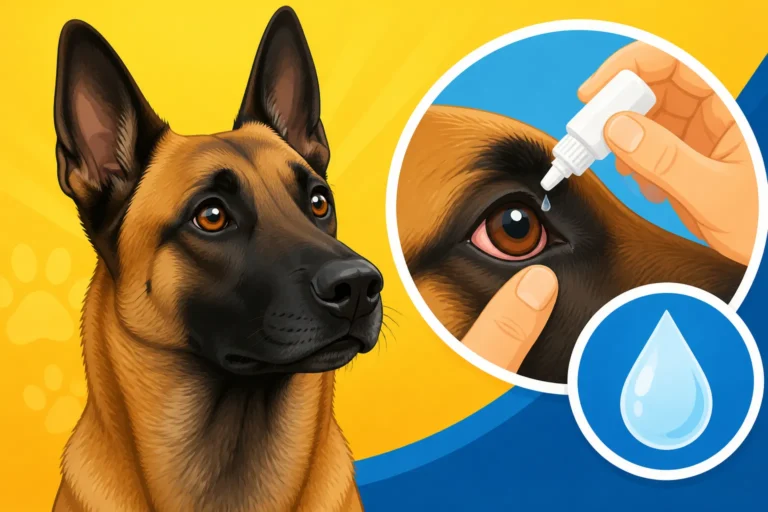
The most significant accelerant for Pannus progression is, without a doubt, the absence of consistent treatment. Pannus is a lifelong condition that requires diligent, ongoing management. Sporadic application of medication, skipping doses, or simply hoping it will "get better on its own" is a direct pathway to rapid deterioration. The medications used to treat Pannus work by suppressing the immune response in the eye. When these medications are not consistently administered, the immune system resumes its attack, and the inflammation flares up, leading to a quick rebound and worsening of the disease. This is why treatments like Daily Eye Drops for a Malinois With Pannus are a commitment for life, not a temporary fix.
It’s not uncommon for owners, seeing improvement, to mistakenly reduce or stop medication, only to have the condition rebound fiercely. This "on-again, off-again" approach often leads to more severe and harder-to-control disease in the long run, and can lead to increased Monthly Cyclosporine Costs for a Malinois With Pannus if stronger, more frequent interventions are needed. The consistency of treatment is paramount to keeping the disease in remission and preserving your Malinois's vision.
The Critical Importance of Early Diagnosis and Lifelong Management
Catching Pannus early and committing to its lifelong management is the single most effective way to protect your Belgian Malinois's vision and quality of life. Proactive care can halt or significantly slow the disease's relentless march.
Diagnostic Process and Initial Interventions
The moment you suspect any changes in your Malinois's eyes, a trip to your veterinarian, preferably one with ophthalmology experience, is essential. They will perform a thorough eye examination, often using specialized tools like a slit lamp to get a magnified view of the cornea and internal structures. This allows them to identify the characteristic signs of Pannus, such as vascularization, pigmentation, and inflammatory cell infiltration. It’s also important for them to rule out other conditions that might present similarly, ensuring an accurate diagnosis. Once diagnosed, treatment typically begins immediately with topical medications aimed at suppressing the immune response.
Early diagnosis is a game-changer. The less damage that has occurred, the easier it is to bring the inflammation under control and prevent further vision loss. Waiting until the pigmentation is dense or vision is significantly affected makes the battle much harder, and often, some degree of permanent scarring and vision loss is unavoidable. This initial phase of intense treatment is crucial for establishing control over the condition.
Comprehensive Treatment Modalities
Managing Pannus is a multifaceted approach, primarily relying on topical medications. The cornerstone of treatment often includes corticosteroid drops or ointments, such as prednisolone acetate or dexamethasone, which are powerful anti-inflammatory agents. Additionally, immunomodulating drugs like cyclosporine (e.g., Optimmune, a brand often prescribed) or tacrolimus drops are frequently prescribed. These medications work by suppressing the localized immune response in the eye, preventing further damage. For some severe cases, subconjunctival steroid injections or even radiation therapy might be considered, though these are less common.
The key is finding the right balance and dosage for your individual dog. Your vet will typically start with a higher frequency (e.g., drops administered several times a day) to get the inflammation under control, then gradually taper to a maintenance dose. This maintenance dose, however, is almost always for life. The goal of Treating Pannus in a Belgian Malinois for Life isn't to cure it, but to keep it in remission, preventing progression and preserving vision. A robust pet insurance plan, like one from Healthy Paws, can be incredibly beneficial in covering the ongoing costs of these essential medications and specialist visits, providing peace of mind as you commit to this lifelong care.
Protective Measures and Environmental Management
Medication alone isn’t always enough; environmental management plays a crucial supporting role. Reducing your Malinois's exposure to UV light is paramount. This can mean adjusting their outdoor exercise schedule to avoid peak sun hours, providing ample shaded areas in your yard, or even having them wear protective eyewear. Goggles for a Belgian Malinois With Pannus aren't just a quirky accessory; they are a vital piece of medical equipment, designed to filter out harmful UV rays and protect their sensitive eyes.
If your Malinois is a working dog, you may need to reconsider Whether a Malinois With Pannus Should Work Outdoors in certain capacities or at specific times. For instance, a police K9 or sport dog might require goggles during training sessions or patrol, and careful planning to avoid prolonged exposure to harsh sunlight. Even simple things like ensuring your car windows have UV protection can make a difference during commutes. These protective measures, combined with consistent medication, form a robust defense against the progression of Pannus. A holistic approach to Eye Care on a Malinois Prone to Pannus covers both medical and environmental strategies, ensuring the best possible outcome.
Real-World Implications for an Untreated Malinois
Ignoring Pannus isn't just about a hazy eye; it has profound, detrimental impacts on every facet of your Belgian Malinois's life, and by extension, yours.
The Painful Erosion of Quality of Life
An untreated Malinois will endure increasing levels of discomfort and pain. The chronic inflammation and thickening of the cornea can be inherently irritating, leading to constant itching, rubbing, and squinting. Imagine having a persistent irritant in your eye that never goes away, slowly blurring your world. This pain directly impacts their zest for life. A dog known for its boundless energy and joy in activity will become hesitant, withdrawn, and potentially irritable due to poor vision and constant irritation. Their ability to see obstacles, track objects, or even navigate familiar environments safely diminishes, directly affecting their confidence and overall mental well-being. This isn't just about vision; it's about the very essence of their quality of life.
The Financial Burden of Neglect
While initial diagnosis and ongoing treatment for Pannus require a financial commitment, the costs of neglecting the condition can quickly spiral out of control. Untreated Pannus can lead to secondary infections, corneal ulcers, or even glaucoma due to the sustained inflammation. These complications often require emergency veterinary visits, aggressive antibiotic treatments, more potent and expensive medications, or even surgical interventions – all of which far outweigh the cost of consistent maintenance therapy.
Moreover, if your Malinois becomes completely blind due to untreated Pannus, you'll face new expenses related to adapting your home, purchasing assistive devices, and potentially needing more frequent vet check-ups to manage secondary issues. Having a pet insurance provider like Healthy Paws can truly be a lifeline in these situations, helping to mitigate the financial strain of both routine, chronic care and unexpected emergencies arising from complications. Investing early in proper care is not only kinder to your Malinois but often more economical in the long run.
Ethical Responsibilities of Ownership
Ultimately, choosing to leave Pannus untreated is a significant ethical consideration for any Malinois owner. These intelligent, sensitive, and highly capable dogs rely entirely on us for their well-being. Allowing a preventable condition to progress to blindness and chronic pain is a failure of that fundamental responsibility. The suffering inflicted on an otherwise healthy, vibrant dog by unchecked Pannus is entirely avoidable with consistent, dedicated care. It underscores the profound commitment required when bringing a Belgian Malinois into your life – a commitment to their physical health, just as much as their training and mental stimulation.
| Stage of Pannus Progression | Description of Eye Appearance | Impact on Vision & Comfort | Typical Interventions |
|---|---|---|---|
| Early | Faint grayish haze, minor redness of third eyelid, subtle blood vessels | Mild vision impairment, occasional irritation | Topical corticosteroids, cyclosporine eye drops (low dose/frequency) |
| Mid-Stage | Denser opacity, noticeable blood vessel invasion, initial pigmentation (brownish/black) | Moderate to significant vision impairment, chronic irritation, light sensitivity | Topical corticosteroids, cyclosporine/tacrolimus eye drops (moderate dose/frequency), UV protection |
| Advanced | Severe, widespread pigmentation and vascularization, thickened cornea, scarring | Severe vision loss to complete blindness, chronic pain, risk of secondary conditions | Higher dose/frequency of medications, subconjunctival injections, protective goggles, pain management |
| End-Stage (Untreated) | Opaque, dark, scarred cornea; often irreversible structural changes | Complete and permanent blindness, severe chronic pain, potential for glaucoma/ulcers | Palliative care, aggressive pain management, potential enucleation (eye removal) for severe pain |
Disclaimer
The information provided in this guide is for informational purposes only and does not constitute veterinary medical advice. Always consult with a qualified veterinarian for any health concerns or before making any decisions about your Belgian Malinois's medical care.