Pannus and the Sunlight That Drives It in Malinois
Few things are more disheartening than looking into your energetic Belgian Malinois's bright, intelligent eyes and noticing a cloudiness or reddish-brown film starting to creep across them. This isn't just a minor irritation; it's often the insidious onset of pannus, a chronic eye condition driven largely by sun exposure that can severely impact your dog's vision and quality of life if not managed diligently. This comprehensive guide will walk you through everything you need to know about pannus, from its causes and symptoms to crucial management strategies and what living with this condition truly entails for you and your Malinois.
Understanding Pannus in Belgian Malinois
Pannus is a condition that, while not exclusive to Belgian Malinois, seems to disproportionately affect them and other working breeds. It's often misunderstood, leading to delays in treatment that can have lasting consequences. For a Malinois, whose keen eyesight is so integral to their work and overall zest for life, understanding this condition is paramount.
What Exactly Is Pannus?
At its core, pannus is a chronic, progressive, inflammatory disease of the cornea and sometimes the third eyelid. The scientific name for it is Chronic Superficial Keratitis (CSK). Imagine the clear window of your dog's eye, the cornea, starting to develop a reddish-pink, fleshy growth that slowly spreads. This growth isn't just superficial; it involves blood vessels and pigment (usually brown or black) invading the cornea. Over time, as this tissue and pigment accumulate, it begins to block light from reaching the retina, leading to impaired vision and, in severe, untreated cases, blindness. It’s an autoimmune condition, meaning your dog’s own immune system mistakenly attacks its corneal tissue, and external factors like UV light act as powerful triggers.
Unlike a simple eye infection that might clear up with a week of drops, pannus is a lifelong battle. It waxes and wanes, often flaring up during periods of high sun exposure or stress, and requires consistent, dedicated management to keep it at bay. It's not painful in the way an ulcer might be, but the inflammation can cause discomfort, and the gradual loss of vision can be disorienting and stressful for an active, environmentally aware breed like the Malinois.
Why Malinois Are Prone to It
The prevalence of pannus in Belgian Malinois, along with breeds like German Shepherds, indicates a strong genetic component. While no single gene has been definitively isolated as "the pannus gene," it's widely accepted that a hereditary predisposition exists within certain lines. This doesn't mean every Malinois will get it, but if you delve into a Malinois's pedigree, you might find cases of pannus in ancestors, suggesting a genetic link.
Beyond genetics, their high-drive, outdoor-oriented lifestyle often contributes. A Malinois isn't content to be a couch potato; they thrive on working, training, and being outdoors, often for extended periods. This naturally exposes them to more sunlight, which, as we'll discuss, is a significant trigger. Furthermore, the breed's immune system, while robust in many ways, seems to have this specific vulnerability. It's a cruel irony that a dog so well-suited for outdoor activity can be so susceptible to a condition exacerbated by the very environment they love. The combination of genetic predisposition and lifestyle factors creates a perfect storm for pannus development in these incredible dogs.
The Role of UV Light in Progression
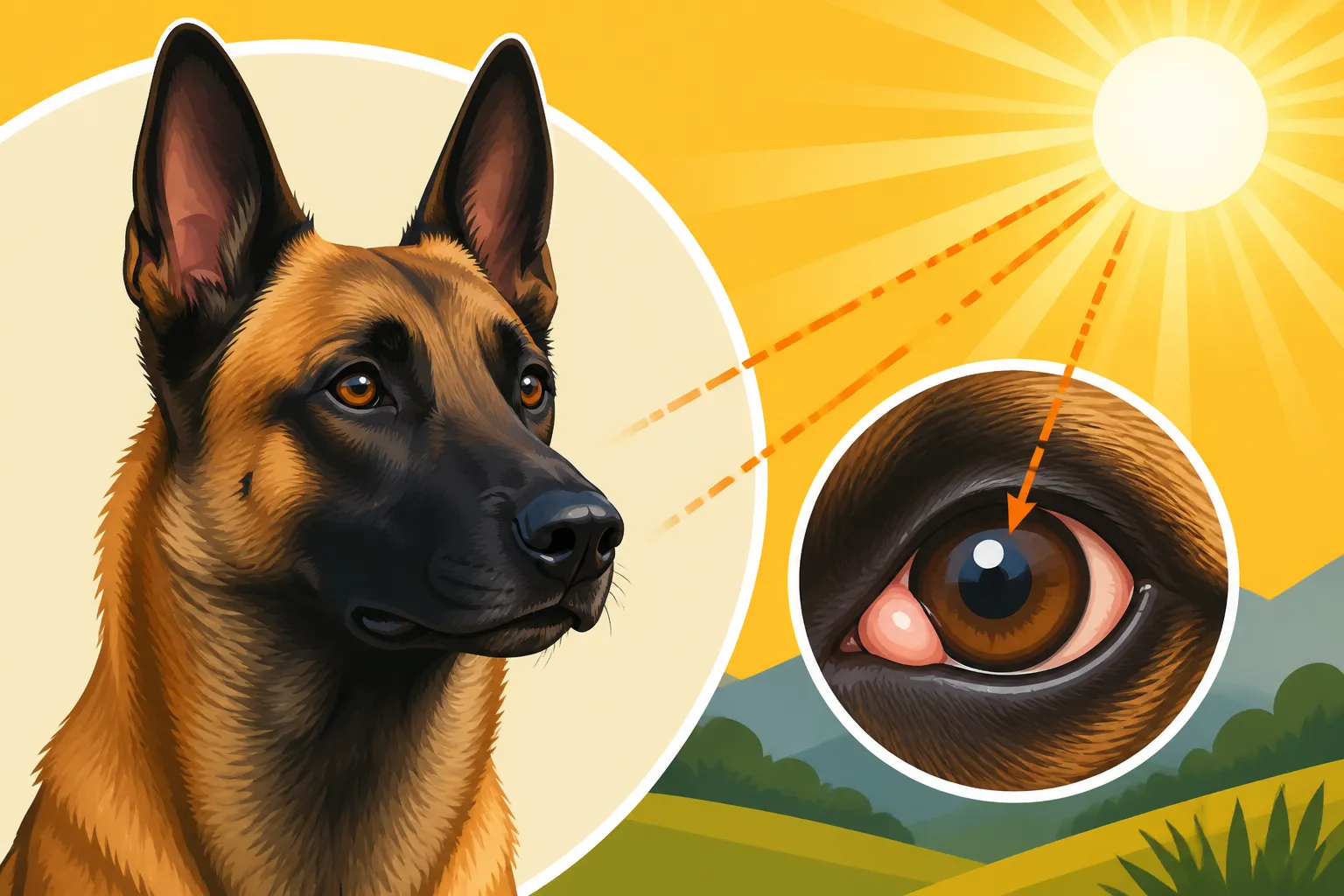
This is the absolute cornerstone of understanding pannus. Ultraviolet (UV) light, both UVA and UVB rays, is the primary environmental driver for this condition. Think of it like a sunburn for the eye. When a susceptible Malinois's eyes are exposed to UV radiation, it triggers an inflammatory response in the cornea. This inflammation, in turn, signals the immune system to send cells and blood vessels to the area, leading to the characteristic reddish, pigmented lesions.
The effect is cumulative and progressive. The more intense and prolonged the UV exposure, the faster and more severely the pannus tends to develop and worsen. This is why Malinois living in high-altitude areas, where UV radiation is stronger, or in sunny climates like the American Southwest, often have more severe or earlier onset pannus. Even reflections from snow or water can amplify UV exposure. It’s not just direct sunlight, but the ambient UV levels throughout the day that play a role. Understanding this critical link is not just academic; it directly informs every aspect of preventing progression and managing the disease effectively. Protecting your Malinois from the relentless assault of UV rays becomes a daily priority once pannus is diagnosed.
Recognizing the Signs of Pannus in Your Malinois
Catching pannus early is vital for effective management. As a Malinois owner, you're usually attuned to every nuance of your dog's health and behavior. Being vigilant about their eyes, especially if they spend a lot of time outdoors, can make a huge difference.
Early Visual Indicators
Initially, pannus might be subtle, easily mistaken for general eye irritation or allergies. You might first notice a slight haziness or a faint pinkish blush on the outer edges of the cornea, usually starting from the side closest to the nose or the temple. This pinkness is due to the formation of new, tiny blood vessels that are invading the transparent corneal tissue. Sometimes, a grayish film can be observed, which is also an early sign of inflammatory changes.
As it progresses, small, reddish-brown or dark brown spots of pigment might start to appear, usually at the same outer edges of the eye. These spots might look like freckles on the eye itself. Your dog might also squint a bit more than usual in bright light, or you might see a mild increase in tearing. At this stage, it’s not typically painful, and their vision might not be noticeably affected, but these are unmistakable red flags that warrant immediate veterinary attention. Don't wait for it to become severe; early intervention offers the best chance to halt or significantly slow its progression.
Advanced Symptoms and Impact on Vision
If left untreated, or if treatment isn't consistent, pannus will relentlessly march across the cornea. The pink, fleshy growth becomes more pronounced, thicker, and the pigmentation deepens, often turning a dark, almost black, brown. This dense, pigmented tissue, along with the vascularization, creates an opaque barrier over the pupil, literally blocking light. At this point, you'll see a noticeable change in your Malinois's vision.
They might start bumping into objects, especially in dim light or unfamiliar surroundings. Their recall might seem less reliable because they can't spot you as easily, or they might hesitate on jumps during training. Whether Pannus Blinds a Belgian Malinois is a very real concern for many owners. While complete blindness is often preventable with diligent treatment, significant visual impairment is almost guaranteed without it. A Malinois relying heavily on sight for their work or sport can experience a profound loss of ability and enjoyment. This stage often comes with more visible discomfort as well, with increased blinking and sensitivity to light.
Distinguishing Pannus from Other Eye Conditions
Because several eye conditions can present with similar symptoms, it's crucial to have a veterinarian, preferably an ophthalmologist, make a definitive diagnosis. For example, a corneal ulcer or a foreign body could cause redness and irritation, but these are usually acutely painful and develop rapidly, often with a clear discharge. Pannus, while progressive, tends to be slower and doesn't usually cause discharge.
Another common condition, especially in Malinois, is pigmentary keratitis, which is often secondary to other issues like entropion (inward rolling eyelids) or distichiasis (extra eyelashes) that cause chronic irritation. While pigmentary keratitis involves pigment on the cornea, it’s typically a response to physical irritation rather than a primary autoimmune process like pannus. Additionally, conditions like dry eye (keratoconjunctivitis sicca, or KCS) can cause a grayish film, but a Schirmer tear test will reveal decreased tear production, which is not usually the case with pannus. The key differentiator for pannus is the characteristic spread of vascularized, pigmented tissue, usually starting from the temporal or nasal limbus of the eye and the response to UV exposure. A thorough eye exam, often with a slit lamp, is necessary to accurately diagnose pannus and rule out other potential problems.
Diagnosis and Long-Term Management Strategies
Receiving a pannus diagnosis for your Belgian Malinois can feel overwhelming, but it’s the first step toward effective management. This isn't a death sentence for their vision or active lifestyle, but it does mean a commitment to a consistent care regimen.
The Vet Visit and Diagnostic Process
When you notice those subtle changes in your Malinois's eyes, don't hesitate to book a vet appointment. Your regular veterinarian can often make a preliminary diagnosis, but for confirmation and the best treatment plan, they'll likely recommend a visit to a veterinary ophthalmologist. These specialists have advanced equipment like slit lamps to examine the intricate structures of the eye in detail.
During the examination, the ophthalmologist will assess the extent of the lesions, the depth of the pigmentation, and whether the third eyelid is also affected. They might perform a fluorescein stain test to ensure there are no corneal ulcers, which would change the treatment approach. They might also check tear production with a Schirmer tear test. The diagnosis of pannus is typically made based on the characteristic appearance of the lesions, breed predisposition, and the dog's history of sun exposure. There isn't a single blood test for pannus, but the clinical signs are usually quite distinctive to an experienced eye vet. Getting a definitive diagnosis is crucial, as What a Malinois Pannus Specialist Visit Costs can be significant, but it's an investment in your dog's long-term eye health.
Lifelong Medical Treatment Options
The cornerstone of pannus treatment revolves around anti-inflammatory and immunosuppressive medications, primarily administered topically as eye drops or ointments. The most commonly prescribed medications include:
- Corticosteroids: Drugs like prednisolone acetate or dexamethasone are powerful anti-inflammatories that help reduce the redness, swelling, and vascularization. These are often used intensively during flare-ups and then tapered to a maintenance dose.
- Cyclosporine/Tacrolimus: These are immunosuppressive agents that work by modulating the immune response directly, preventing the body from attacking the cornea. They are typically used long-term, often twice daily, to control the disease. Daily Eye Drops for a Malinois With Pannus become a non-negotiable part of your daily routine.
Some cases might benefit from a combination of these drugs. In very severe, non-responsive cases, your vet might discuss options like strontium-90 radiation therapy (a very localized and specific form of radiation) or surgical removal of the affected tissue (keratectomy), though these are less common and often reserved for extreme situations, as recurrence is still possible. The key takeaway is that pannus is managed, not cured. You'll likely be administering drops for the rest of your Malinois's life, and adherence to the schedule is paramount.
The Importance of Consistent Management
Consistency is the single most critical factor in managing pannus. Missing doses, even for a few days, can lead to a flare-up that takes weeks or months of intensive treatment to bring back under control. It's a bit like managing diabetes – it requires unwavering dedication. This can be challenging for busy Malinois owners, as these dogs often require a lot of hands-on attention anyway.
You'll need to establish a routine for administering drops, making it as stress-free as possible for your dog. Reward-based training and desensitization can help your Malinois accept daily eye drops. Regular follow-up visits with your veterinary ophthalmologist are essential, usually every 6-12 months, or more frequently if the condition is unstable. These check-ups allow the vet to monitor progression, adjust medication dosages, and catch any potential side effects. Ignoring the condition or being inconsistent with treatment will almost certainly lead to irreversible vision loss. Remember, the goal is to maintain the clearest vision possible for as long as possible.
Protecting Your Malinois from UV Radiation
Since sunlight is the primary trigger for pannus, protecting your Malinois from harmful UV radiation is just as important as medical treatment, if not more so, in preventing progression. This involves making conscious choices about their daily routine and environment.
Limiting Sunlight Exposure
This is perhaps the most straightforward, yet often the most challenging, aspect of pannus management for an active Malinois. The goal isn't to turn your dog into a vampire, but to strategically minimize their exposure to peak UV hours. This typically means avoiding outdoor activities between 10 AM and 4 PM, especially during summer months or in sunny climates.
Instead, schedule intense training sessions, long walks, or outdoor play for early mornings or late evenings. If your Malinois needs to be outside during the day, ensure they have access to substantial, dense shade. A shaded patio, a large tree, or an awning can make a huge difference. Even on cloudy days, UV rays can penetrate the clouds, so don't let a gray sky lull you into a false sense of security. Remember, Keeping a Belgian Malinois Out of Midday Sun is not just about comfort, but about actively slowing the disease process. For a dog that thrives on work and outdoor adventures, this might mean getting creative with indoor enrichment, brain games, and scent work during those restricted hours.
Specialized Eye Protection for Malinois
For those times when avoiding sun exposure is impossible – think outdoor trials, long hikes, or working situations – specialized eye protection becomes indispensable. Dog goggles, often referred to by the popular brand "Doggles," are designed to fit a dog's head shape and provide UV protection. They come in various sizes and tints.
Introducing goggles to your Malinois requires patience and positive reinforcement. Start with short periods, rewarding heavily, and gradually increase the wear time. Some dogs take to them quickly, while others need more convincing. Ensure a proper fit; they should be snug enough not to fall off but not so tight as to cause discomfort. Goggles for a Belgian Malinois With Pannus are not just a fashion statement; they are a medical necessity. Check the UV protection rating, usually listed as 100% UV protection or UV400. While not every Malinois will tolerate them, for many, they are a game-changer, allowing them to participate safely in activities they love.
Creating Shaded Environments
Whether your Malinois spends time in a kennel run, a backyard, or a vehicle, ensuring ample shade is critical. For outdoor kennel setups, invest in solid roofs or shade cloths that block a high percentage of UV rays. Position the kennel so that natural shade from buildings or trees provides coverage throughout the day, or supplement with tarps and awnings. Regularly observe how the sun moves across your property to ensure shaded spots remain effective.
For vehicles, especially if your Malinois travels in a crate in the back of an SUV or truck, consider window tinting, reflective sunshades, or specialized kennel covers that block UV while still allowing for airflow. Never underestimate the intensity of UV reflection off concrete, asphalt, or even grass. In your yard, if natural shade is lacking, consider planting fast-growing trees or installing permanent shade structures. Every bit of shade you can provide reduces the cumulative UV dose your Malinois receives, offering another layer of protection against pannus progression.
Living with a Malinois Diagnosed with Pannus
A pannus diagnosis necessitates adjustments to your life and your Malinois's routine, but it certainly doesn't mean the end of their vibrant, active life. It simply shifts priorities to accommodate their health needs.
Adapting Training and Work Schedules
The high drive of a Belgian Malinois means they need a job, mental stimulation, and physical exercise. A pannus diagnosis requires thoughtful adaptation rather than cessation of activities. As mentioned, shifting outdoor training to early mornings or late evenings is key. For mid-day, focus on indoor activities that engage their mind and body. Puzzle Work for a Belgian Malinois Indoors can be incredibly effective. Scent detection games, complex obedience drills in a shaded arena, or even treadmill work can provide outlets for their energy without excessive UV exposure.
If your Malinois is involved in bite work or other demanding sports, discuss with your trainer and vet how to incorporate eye protection and adjusted schedules. Some dogs might tolerate specialized eye masks that provide more coverage than standard goggles. You might need to adjust trial schedules, avoiding events held entirely outdoors during peak sun hours, or ensuring ample shaded breaks. While it adds a layer of complexity, many Malinois with pannus continue to excel in their chosen disciplines with careful management.
Financial Considerations and Insurance
Living with a chronic condition like pannus comes with ongoing financial costs. The primary expenses will be the medications, specifically the eye drops or ointments. Monthly Cyclosporine Costs for a Malinois With Pannus can range from $30 to $100 or more per month, depending on the brand, dosage, and whether generic options are available. These costs add up significantly over the lifespan of your Malinois.
Beyond medication, you'll have regular veterinary ophthalmologist visits for re-checks and prescription refills. Then there are the costs of protective gear, such as high-quality dog goggles, replacement lenses, and perhaps shade structures for your home or kennel. When considering long-term medical conditions like pannus, exploring options such as Healthy Paws pet insurance might be a wise decision to manage the financial aspect of continuous care. Many Malinois owners find that a good pet insurance plan, like those offered by Healthy Paws, can significantly ease the burden of ongoing medication and specialist visits, especially if the policy covers chronic conditions diagnosed after enrollment. It's an investment that can provide peace of mind in the face of lifelong care.
Emotional Impact on Owners and Dogs
It's completely normal for owners to feel a range of emotions upon a pannus diagnosis: frustration, guilt, sadness, or even anger. You might worry about your dog's future, their quality of life, and the financial strain. It’s also hard to explain to a high-drive Malinois why their outdoor playtime needs to be curtailed during prime hours.
The most important thing is to remember that you are doing your best. Your Malinois thrives on routine, clear communication, and your leadership. They will adapt to new schedules and protective gear with your patient guidance. For the dog, the main emotional impact comes from potential vision impairment. A Malinois that relies heavily on its eyes for working can become more hesitant, anxious, or even irritable if its vision is compromised. Maintaining mental stimulation, providing consistent training, and ensuring their environment is safe and predictable can help mitigate these effects. Continue to engage with them, play with them, and reinforce their confidence. Your calm demeanor and consistent care will be their greatest comfort and support.
Prognosis and Quality of Life
While a pannus diagnosis sounds serious, the good news is that with diligent management, most Belgian Malinois can live long, fulfilling lives with excellent vision. It's about proactive care and commitment.
How Pannus Affects a Malinois's Lifespan
The excellent news is that pannus itself does not typically shorten a Belgian Malinois's lifespan. It is a disease of the eyes, not an internal systemic illness that affects vital organs. The Fourteen to Sixteen Years a Belgian Malinois Lives can still be achieved, even with a pannus diagnosis, provided their overall health is maintained and the eye condition is well-managed.
However, the quality of life can be significantly impacted if the condition is left untreated or poorly managed. Severe vision impairment or blindness can lead to a less active, more withdrawn dog, prone to anxiety or injury. This, in turn, can affect their overall well-being and, indirectly, their longevity if it leads to other health issues or accidents. The key is to prevent the severe outcomes through consistent treatment and sun protection, ensuring their eyes remain as functional as possible for as long as possible. The goal is always to support your Malinois in living out their full, active lifespan with the best possible vision.
Maintaining a High Quality of Life
Ensuring a high quality of life for a Malinois with pannus involves a holistic approach. It’s not just about the drops; it’s about adapting their entire world. This means:
- Consistent Treatment: Sticking to the medication schedule is non-negotiable. It keeps inflammation at bay and prevents vision loss.
- UV Protection: This is your strongest weapon. Goggles, shade, and time-of-day adjustments are crucial. Shade Routines for a Light Sensitive Belgian Malinois should become second nature.
- Mental and Physical Stimulation: Continue providing adequate exercise and mental challenges, adapted to their vision and sun exposure limitations. Nose work, indoor agility, puzzle toys, and advanced obedience can be great substitutes for high-impact outdoor activities during peak sun hours.
- Regular Veterinary Check-ups: These are essential to monitor the condition, adjust treatment as needed, and address any other health concerns that arise.
- Environmental Adjustments: If vision becomes compromised, keep furniture in consistent locations, use distinct scent markers around the house, and ensure outdoor areas are safe and familiar.
By integrating these elements, your Malinois can continue to be the vibrant, intelligent, and driven companion you know and love, even with pannus.
Preventing Pannus in Future Generations
For responsible breeders, the prevalence of pannus in Belgian Malinois highlights the importance of careful breeding practices. While there isn't a genetic test for pannus, breeders should be acutely aware of the condition in their lines. This involves:
- Open Communication: Breeders should be transparent about any history of pannus in the pedigree of their breeding dogs.
- Eye Certifications: Regular eye examinations by a board-certified veterinary ophthalmologist, often part of a complete eye certificate, can identify early signs of the disease in breeding stock before it becomes obvious. While an "all clear" doesn't guarantee offspring won't develop it, it helps identify affected individuals.
- Informed Decisions: Avoiding breeding dogs with confirmed pannus, especially if it's severe or early-onset, can help reduce its incidence in future generations. Potential puppy buyers should always ask about the eye health history of both parents and their lineage.
For prospective owners, choosing a puppy from a breeder who actively screens for and discusses genetic health concerns, including eye health, is a critical step in potentially avoiding this challenging condition. While pannus remains a reality for many Malinois, thoughtful breeding can contribute to healthier eyes in the breed over time.
Pannus Management Strategies
Effectively managing pannus in your Belgian Malinois involves a multi-pronged approach that combines medical treatment with environmental control and consistent daily routines. Here's a table summarizing key strategies:
| Strategy Category | Specific Actions | Rationale | Frequency/Application |
|---|---|---|---|
| Medical Treatment | Administer prescribed eye drops/ointments | Suppresses inflammation and immune response, prevents progression | As directed by vet (e.g., 1-2 times daily, more during flares) |
| Attend regular vet ophthalmologist check-ups | Monitor condition, adjust medication, detect complications | Every 6-12 months (or more frequently as needed) | |
| UV Protection | Avoid peak sun hours (10 AM – 4 PM) | Minimizes exposure to highest UV radiation, prevents flare-ups | Daily, especially in sunny seasons/climates |
| Utilize dog goggles (e.g., Doggles) | Blocks UV rays during unavoidable outdoor exposure | During all outdoor activities in bright light | |
| Provide ample shade in outdoor areas | Creates safe havens from direct and indirect UV | Throughout the day in yards, kennels, and vehicles | |
| Lifestyle Adaptations | Shift training/exercise times | Allows for activity while avoiding harmful UV exposure | Daily adjustment of routine |
| Incorporate indoor mental stimulation | Keeps high-drive Malinois engaged when outdoor time is limited | During peak sun hours | |
| Consistent positive reinforcement for eye care | Builds acceptance of daily drops/goggles, reduces stress | Continuously, especially during initial training | |
| Nutrition & Overall Health | Feed a balanced diet and provide supplements | Supports overall immune health and well-being | Daily |
| Ensure proper hydration | Supports ocular health and general physiological function | Constant access to fresh water |
Disclaimer
The information provided in this article is for educational purposes only and is not a substitute for professional veterinary advice. Always consult with a qualified veterinarian or veterinary ophthalmologist regarding any health concerns or before making any decisions about your Belgian Malinois's medical care.