Anal Gland Trouble in a Belgian Malinois
There’s nothing quite like the unmistakable, truly unpleasant smell that suddenly fills your home, signaling one thing: your beloved Belgian Malinois is having anal gland trouble. It’s a common, utterly disgusting, and often painful issue for our dogs, and as Malinois owners, we often feel helpless trying to figure out what’s going on and how to make it stop. This guide aims to demystify anal gland issues in Belgian Malinois, diving deep into why they happen, how to spot the signs, and effective strategies for management and prevention to keep your active companion comfortable and your home odor-free.
Understanding Anal Gland Basics in Your Malinois
Before we can tackle problems, it's really helpful to understand what these mysterious glands are and what they're supposed to do. For many new Malinois owners, anal glands are just another weird thing that crops up, usually announced by an unpleasant scent or a rather desperate scoot across your favorite rug. But these small, often troublesome, organs play a natural role in a dog's world.
What are Anal Glands and Their Purpose?
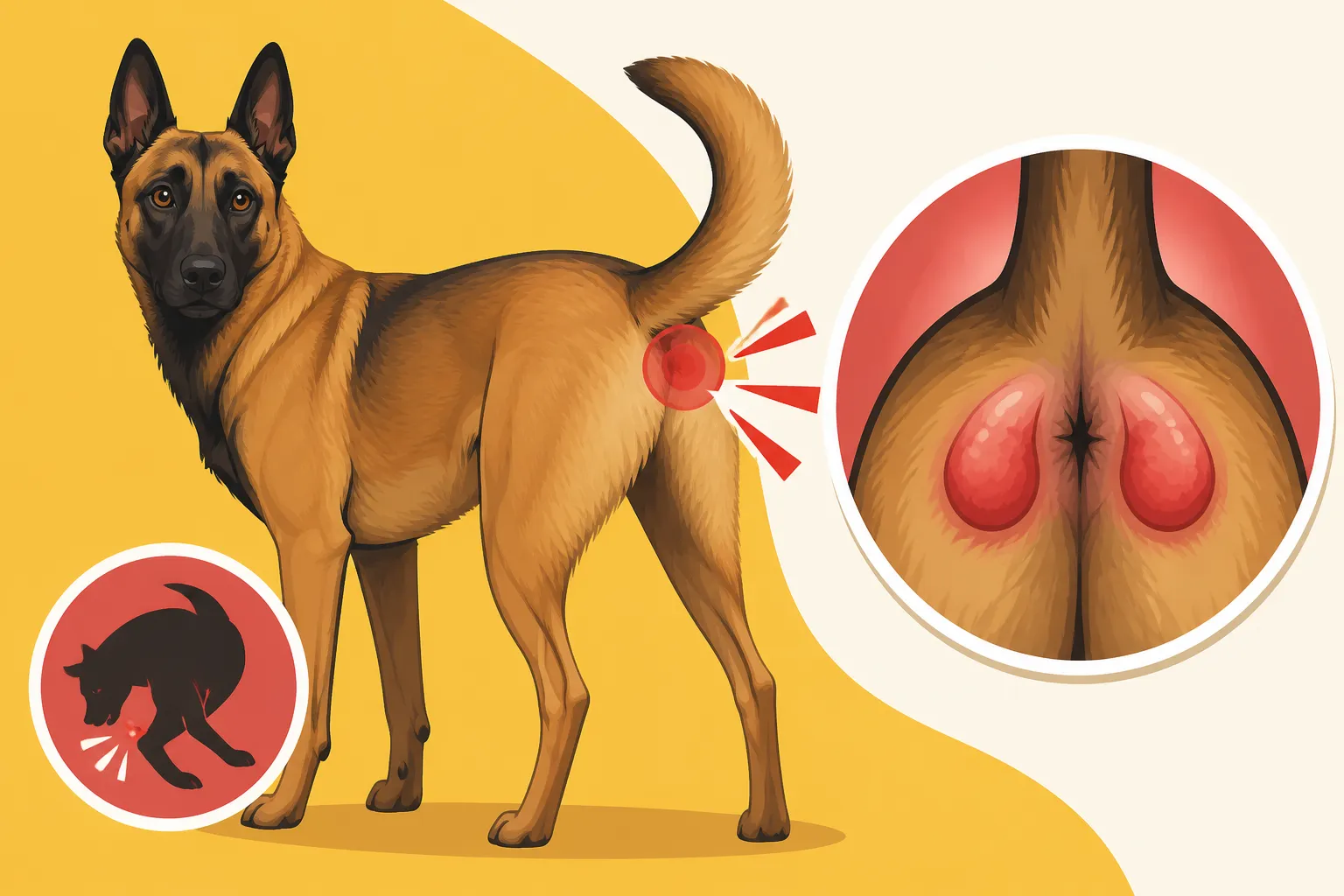
Nestled on either side of your Malinois's anus, at about the four and eight o'clock positions, are two small sacs. These are the anal glands, and they're lined with sebaceous glands that produce a pungent, oily liquid. This fluid collects in the sacs and is typically expressed naturally whenever your Malinois has a bowel movement. Think of it as your dog's unique scent signature – a canine calling card. When they defecate, the pressure of the stool passing helps to squeeze these sacs, releasing a small amount of this smelly fluid. This is one of the ways dogs communicate with each other, marking their territory and sharing information about themselves through scent. It's perfectly normal for them to have this function, and when everything is working as it should, you might never even notice it.
The consistency of the fluid can vary, from a thin, brownish liquid to a thicker, paste-like substance. Each dog's "signature" is unique, a complex cocktail of chemicals that tells other dogs a lot about them – their sex, their health, even their mood. So, while it might seem like a nuisance to us, for a Malinois, it's a vital part of their natural communication system. Problems arise when this natural expression process is disrupted, leading to a host of uncomfortable and potentially painful issues.
Signs Your Malinois Might Be Having Trouble
Spotting anal gland issues in a Belgian Malinois can sometimes be tricky because they are such stoic, high-drive dogs. They might try to work through discomfort, so subtle cues are often all you get. The most common sign, the dreaded "scoot," is when your dog drags their rear end across the floor or ground. This isn't just a quirky habit; it's a desperate attempt to relieve the pressure or itchiness caused by full or impacted glands.
Beyond scooting, you might notice your Malinois constantly licking or biting at their hindquarters, sometimes to the point of redness or hair loss around the anal area. The strong, fishy, metallic odor that suddenly permeates the air is another dead giveaway, often signaling that the glands are overflowing or leaking due to impaction. You might also observe them straining when trying to defecate, or perhaps even a change in their tail carriage – a tucked tail can sometimes indicate discomfort in that region. If your dog is usually eager to train but seems a bit off, or less willing to engage in activities that put pressure on their rear, it could be a subtle sign that something is amiss. Don't dismiss these cues; early intervention can prevent more serious problems like infection or abscesses.
Common Causes of Anal Gland Issues in Malinois
It's easy to blame yourself when your Malinois starts having anal gland problems, but often, it's a combination of factors, some of which are entirely out of your control. Understanding these underlying causes is the first step toward effective management and prevention. For a breed as active and finely tuned as the Belgian Malinois, maintaining optimal physical health, including proper anal gland function, is crucial.
Diet and Stool Consistency
One of the primary culprits behind anal gland issues is stool consistency. The mechanism by which anal glands are naturally expressed relies on the firm pressure of a well-formed bowel movement. If your Malinois regularly experiences soft stools, diarrhea, or even inconsistently firm stools, this natural process doesn't happen effectively. The glands then become overly full, leading to impaction, discomfort, and eventually, potential infection.
Think about a Malinois that's under stress from a new training regimen or a trial weekend – they might develop Soft Stools in a Malinois Under Training Stress, which can easily trigger anal gland problems. Diets lacking sufficient fiber are also a common factor. Fiber helps bulk up the stool, providing the necessary firmness to adequately express the glands. Many commercial dog foods, especially those heavily processed, might not provide enough natural fiber for optimal anal gland health. Conversely, some Malinois can be sensitive to certain ingredients, leading to gastrointestinal upset and, you guessed it, soft stools. Finding the right balance in their diet, ensuring they get enough fiber without causing digestive upset, is often a delicate dance for owners trying to keep their dogs healthy and comfortable.
Anatomy and Genetics
While Malinois are known for their robust health and lean, athletic build, individual anatomical variations can predispose some to anal gland issues. Some dogs naturally have smaller or narrower anal gland ducts, making it harder for the fluid to pass through and be expressed with normal bowel movements. Others might have glands that are set deeper or positioned differently, which also impedes natural expression. These anatomical quirks can be inherited, meaning if your Malinois's parents or close relatives had recurrent anal gland problems, your dog might be more prone to them as well.
It's less common for Malinois to have the same chronic anal gland issues seen in some smaller, less active breeds, but it's certainly not unheard of. Their active lifestyle and generally lean physique usually mean they maintain a good The Lean Condition a Belgian Malinois Should Carry, which can be beneficial. However, even the most active Malinois can struggle if their internal plumbing isn't quite right. For these dogs, even with perfect stool consistency, manual intervention might be necessary on a regular basis. This isn't a reflection of poor care; it's just how their body is wired, and understanding this can save a lot of frustration.
Allergies and Inflammation
Another significant, yet often overlooked, cause of anal gland issues in Malinois is underlying allergies or inflammatory conditions. When a dog suffers from environmental allergies (like pollen or dust mites) or Food Sensitivities in a Belgian Malinois, their body's immune system can go into overdrive. This can manifest not only as itchy skin, ear infections, or digestive upset but also as inflammation in the tissues surrounding the anal glands.
This inflammation can cause the ducts to swell and narrow, making it incredibly difficult for the glands to empty properly, even if the stool consistency is perfect. The irritation from allergies can also lead to excessive licking and chewing at the hindquarters, which further aggravates the area, leading to more swelling and potential infection. It becomes a vicious cycle: allergies cause inflammation, which leads to impaction, which causes more irritation, and so on. Addressing the root cause of the allergies, whether through diet changes, medication, or environmental management, is crucial for long-term relief from anal gland problems in these cases. Ignoring the allergic component means you're only ever treating the symptom, not the problem.
Managing and Preventing Anal Gland Problems
Dealing with anal gland issues in your Malinois can feel like a never-ending battle, especially if you're constantly chasing that tell-tale odor or watching your dog scoot uncomfortably. But there are proactive steps you can take, from dietary tweaks to professional help, that can make a huge difference in their comfort and your peace of mind.
Dietary Adjustments and Supplements
One of the most impactful ways to manage and prevent anal gland issues is by adjusting your Malinois's diet to promote healthy, firm stool. The goal is to increase natural bulk and firmness, allowing the glands to express themselves with each bowel movement. A common and highly effective addition to the diet is fiber. Many owners find success adding simple, natural sources of fiber like canned pumpkin (plain, not pie filling!), cooked sweet potato, or even a small amount of psyllium husk powder (like Metamucil, unflavored) to their dog's meals.
There are also commercially available dog foods specifically formulated for digestive health, often containing higher fiber content. Some specialized supplements, such as Glandex, are designed specifically to support anal gland health by firming up stools and providing anti-inflammatory benefits. Remember that when you're Feeding a Malinois That Is Never Not in Drive, their diet needs to be top-notch, providing not just energy but also optimal digestive function. Any dietary changes should be introduced gradually to avoid upsetting their stomach. What works for one Malinois might not work for another, so it can take some trial and error to find the perfect balance for your dog.
Regular Expression (Manual vs. Natural)
When natural expression isn't happening, manual expression becomes necessary. This can be done either externally (by squeezing around the anus) or internally (by a veterinarian or experienced groomer, inserting a gloved finger into the rectum).
| Method of Expression | Pros | Cons |
|---|---|---|
| Natural (via firm stool) | Ideal, no intervention needed, consistent self-maintenance. | Relies on perfect stool consistency, not always achievable. |
| External Manual | Can be done at home, less invasive than internal, useful for mild fullness. | May not fully empty glands, risk of irritation if done improperly or too often, not suitable for impacted glands. |
| Internal Manual (Vet/Groomer) | Most effective for emptying glands fully, safer for impacted glands. | Requires professional expertise, can be uncomfortable for the dog, cost involved. |
| Surgical (Anal Sacculectomy) | Permanent solution for chronic, severe cases. | Invasive surgery, potential complications (incontinence, infection), high cost. |
While some owners learn to do external expression at home, it's generally recommended that regular manual expression, especially internal, be performed by a veterinarian or an experienced, certified groomer. Over-expressing the glands or performing it incorrectly can cause inflammation, irritation, or even rupture, leading to more severe problems. If your Malinois needs frequent expression, discussing a long-term plan with your vet is crucial. They can assess the underlying cause and determine the best frequency and method.
Veterinary Intervention and Advanced Treatment
Sometimes, dietary changes and routine expression aren't enough, and veterinary intervention becomes essential. If anal glands become severely impacted, infected, or develop an abscess, your Malinois will need professional medical attention. An impacted gland is incredibly painful, and an abscess is an emergency that needs immediate care. Signs of an abscess include a noticeable, painful swelling near the anus, redness, fever, lethargy, and a reluctance to sit or defecate.
Your vet might need to sedate your Malinois to properly express severely impacted glands or to lance and drain an abscess. This could be followed by a course of antibiotics, pain medication, and anti-inflammatory drugs. In cases of chronic, recurrent anal gland issues that don't respond to other treatments, your veterinarian might discuss an anal sacculectomy – surgical removal of the glands. This is generally considered a last resort due to potential complications like fecal incontinence, but for dogs suffering from relentless pain and infection, it can offer a permanent solution and a significant improvement in quality of life. When facing such procedures, many owners find peace of mind with a good pet insurance plan, like those offered by Healthy Paws, which can help cover unexpected vet bills. It’s definitely something to consider, especially given the various The Vet Bills a Bite Sport Belgian Malinois Runs Up throughout their active lives.
Living with a Malinois Prone to Anal Gland Issues
Having a Belgian Malinois with recurrent anal gland problems can be frustrating, messy, and even heartbreaking when you see your dog in discomfort. It's a journey that often involves ongoing management, vigilance, and a close working relationship with your veterinarian.
Maintaining Hygiene
When your Malinois is dealing with anal gland issues, maintaining good hygiene becomes paramount. The strong, unpleasant odor from leaking glands can quickly permeate your home and cling to your dog's fur. Regularly cleaning the area with pet-safe wipes or a warm, damp cloth can help remove residue and reduce the smell. If there's been an "accident" or leak, a gentle bath, focusing on the hindquarters, might be necessary. You might want to refer to tips on Washing a Malinois That Hates Standing Still if your dog isn't a fan of bath time, which many Malinois aren't!
Beyond cleanliness, keeping the hair around the anal area trimmed short can prevent fecal matter or anal gland fluid from clinging to the fur, reducing odor and the risk of bacterial buildup that could lead to infection. This is especially important for Malinois who might have slightly longer feathering or a thicker undercoat in that region. Always be gentle when cleaning, as the area can be sensitive and painful if the glands are full or inflamed. Consistent hygiene helps not only with comfort but also prevents secondary skin infections caused by constant licking and irritation.
When to Seek Professional Help
Knowing when to call the vet is critical. While some mild scooting or occasional self-expression might not warrant an immediate trip, certain signs should always prompt a professional evaluation. If you notice persistent scooting, excessive licking that leads to raw skin, a change in behavior (like lethargy or loss of appetite), or any signs of pain when touching the area, it's time to seek veterinary advice. A visible swelling or a hard lump near the anus is a definite red flag for an abscess, which is a painful emergency requiring immediate attention.
Your veterinarian can not only express the glands safely but also assess the underlying cause. They can check for infection, inflammation, or tumors that might be contributing to the problem. Don't be shy about asking questions or requesting demonstrations if you're considering learning how to do external expression yourself. Early intervention often prevents minor issues from escalating into serious, painful, and more expensive problems. Your vet can also help you review your Malinois's overall health and diet, potentially recommending specific supplements or a prescription diet. Remember, regular wellness checks, including The Bloodwork a Working Malinois Should Have Annually, are essential for catching issues early. Having a good pet insurance plan, like those offered by Healthy Paws, can also make these necessary vet visits less stressful on your wallet.
The Impact on Your Malinois's Quality of Life
Anal gland issues, especially chronic or severe ones, can significantly impact your Malinois's quality of life. Imagine constant itching, pressure, or even pain in a sensitive area – it would make anyone miserable. For a Malinois, a breed renowned for its intense focus and drive, this discomfort can be particularly disruptive. A dog in pain or discomfort cannot concentrate on training, might be less enthusiastic about work, and could even show irritability or a reluctance to engage in their usual activities.
If left untreated, impacted or infected glands can lead to a ruptured abscess, which is excruciating and requires surgical repair and extensive aftercare. The stress and discomfort can also affect their overall immune system, making them more susceptible to other ailments. Ensuring your Malinois is free from this nagging discomfort allows them to fully engage in their demanding lifestyle, whether it's protection sport, agility, or just being an active family companion. Prioritizing their comfort and addressing anal gland problems promptly is an integral part of responsible Malinois ownership and helps maintain their legendary drive and happiness.
Disclaimer
The information provided in this article is for educational purposes only and is not a substitute for professional veterinary advice. Always consult with a qualified veterinarian regarding your Belgian Malinois's health and any medical conditions.