The Bloodwork a Working Malinois Should Have Annually
It's a tough truth that owning a high-drive working Belgian Malinois often means constantly balancing their incredible capabilities with the ever-present need to maintain their peak physical condition. You pour so much into their training, their diet, their daily jobs, and the last thing you want is a hidden health issue sidelining them. That's why understanding and prioritizing annual bloodwork isn't just a suggestion; it's a cornerstone of responsible Malinois ownership. This guide will walk you through why these routine tests are so crucial, what they actually tell you, and how to work with your vet to keep your incredible partner healthy and active for years to come.
Why Annual Bloodwork Isn't Optional for Working Malinois
Let's be honest, your Malinois is probably a picture of health on the outside. They're lean, muscular, bursting with energy, and always ready for the next task. It's easy to assume that if they're eating well, working hard, and looking good, everything must be fine. But that's where annual bloodwork becomes your absolute best friend in preventative care. Many serious health conditions can simmer quietly below the surface, showing no outward symptoms until they've progressed significantly. For a working dog, early detection isn't just beneficial; it can be career-saving, and even life-saving.
Catching Silent Health Issues Early
Think of bloodwork as a peek behind the curtain of your dog's internal systems. It allows your veterinarian to spot subtle changes in organ function, blood cell counts, and metabolic processes long before your Malinois starts showing any noticeable signs of illness. This is especially critical for a breed like the Belgian Malinois, which is known for its incredible stoicism and high pain tolerance. They often won't let on that something is wrong until they're really in distress, which can be too late for simple, effective intervention. A slight elevation in kidney values, for example, might be an early indicator that could be managed with dietary changes or supplements, potentially preventing a much more severe problem down the road. These tests help ensure that issues like early kidney or liver disease, diabetes, or even certain cancers are caught in their infancy, when treatment is most effective and less invasive.
Establishing a Baseline for Future Reference
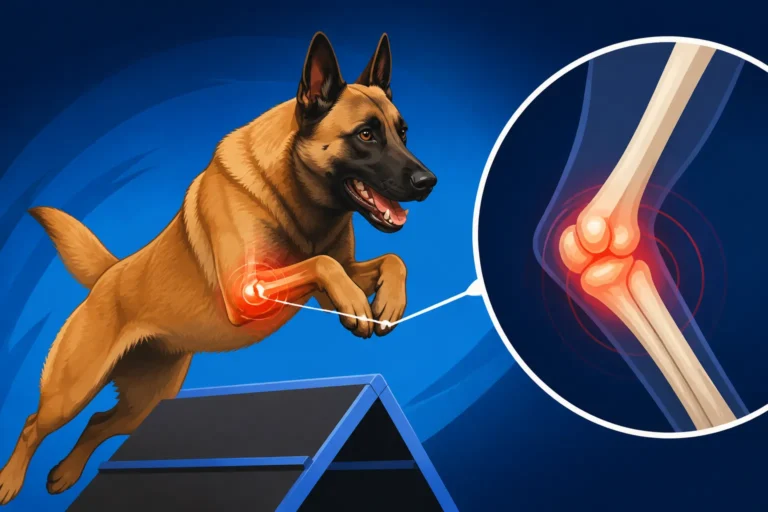
Another invaluable aspect of regular bloodwork is the establishment of a baseline. Every dog is an individual, and what's "normal" for one Malinois might be slightly different for another. By getting annual blood panels done when your dog is healthy, you create a personal reference point. This means that if your Malinois ever does become sick or injured – say, they suffer one of the common Injuries a Bite Sport Belgian Malinois Collects or start exhibiting vague symptoms – your vet has a historical record to compare current results against. They can easily identify deviations from your dog's normal, rather than relying solely on generalized breed averages. This historical data helps in making precise diagnoses and tailoring treatment plans specifically to your dog's unique physiology. It eliminates guesswork and allows for a much more targeted approach to their care.
Preparing for Procedures and Medications
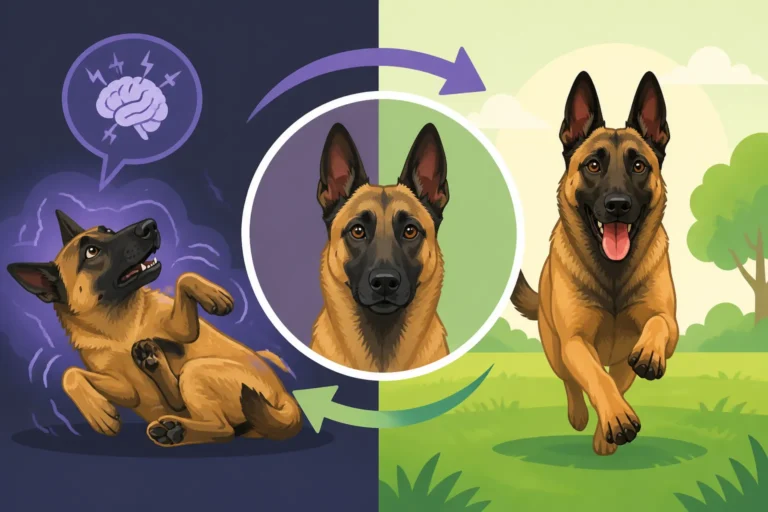
Beyond routine health monitoring, bloodwork is a non-negotiable step before many common veterinary procedures or when considering new medications. For instance, before your Malinois undergoes any surgical procedure, even a routine dental cleaning that requires anesthesia, pre-anesthetic bloodwork is absolutely essential. This helps the vet assess their organ function, ensuring they can metabolize and excrete anesthetic drugs safely. Without this crucial step, you're taking a significant gamble. Similarly, if your Malinois needs long-term medication, such as those used for conditions like Managing an Epileptic Belgian Malinois on Medication, regular blood panels are necessary to monitor drug levels and assess how the medication is affecting organs like the liver and kidneys. This minimizes the risk of adverse side effects and allows for dose adjustments to keep your dog safe and comfortable.
Key Panels and What They Tell You
Understanding what each component of a typical annual blood panel signifies can empower you as an owner, making you a more informed advocate for your Malinois's health. While your vet will always interpret the results thoroughly, knowing the basics helps you engage in meaningful conversations and ask targeted questions. Most annual bloodwork includes a Complete Blood Count (CBC) and a Chemistry Panel, often accompanied by a thyroid test.
Complete Blood Count (CBC)
The CBC is a fundamental part of your Malinois's annual health check. It provides a detailed look at the different cells circulating in their blood, giving your vet a snapshot of their immune system, oxygen-carrying capacity, and clotting function.
- Red Blood Cells (RBCs): These are the oxygen carriers. A low count (anemia) can indicate issues like internal bleeding, nutritional deficiencies, chronic disease, or bone marrow problems. High counts can suggest dehydration or, less commonly, a bone marrow disorder. For a working Malinois, optimal oxygen transport is paramount for endurance and recovery.
- White Blood Cells (WBCs): These are the body's soldiers, fighting infection and inflammation. Elevated WBC counts often point to an infection, inflammation, or stress. Low counts can indicate a compromised immune system, viral infection, or certain drug reactions. The CBC breaks down WBCs into different types (neutrophils, lymphocytes, monocytes, eosinophils, basophils), and the proportions of these cells can help pinpoint the specific type of infection or inflammatory process at play.
- Platelets: These tiny cells are vital for blood clotting. Low platelet counts (thrombocytopenia) can lead to excessive bleeding, which is a serious concern, especially for an active dog. High counts can sometimes indicate inflammation or stress.
Understanding these components can help diagnose everything from a hidden infection to a reaction to environmental stressors. For instance, a persistent, unexplained elevation in certain white blood cells might prompt further investigation, such as for Lumps Worth Aspirating on a Belgian Malinois if present.
Chemistry Panel
The chemistry panel, sometimes called a serum chemistry or biochemical profile, measures various enzymes, proteins, and metabolites in your Malinois's blood. This panel gives crucial insights into the function of major organs and the body's metabolic state.
- Liver Enzymes (ALT, ALP, GGT, AST): These enzymes are released into the bloodstream when liver cells are damaged. Elevated levels can indicate liver disease, exposure to toxins, or certain medications. The specific pattern of elevation can help differentiate between different types of liver issues. Since a working Malinois might be exposed to more environmental factors or stress, monitoring liver health is particularly important.
- Kidney Values (BUN, Creatinine): These compounds are waste products filtered by the kidneys. Elevated levels suggest that the kidneys might not be filtering waste effectively, indicating kidney disease or dehydration. Early changes in these values can prompt interventions that significantly slow disease progression.
- Blood Glucose: This measures blood sugar levels. High glucose can indicate diabetes, while low glucose can signal a more acute metabolic problem. Given the energy demands of a working Malinois, maintaining stable blood sugar is vital.
- Protein Levels (Total Protein, Albumin, Globulin): These reflect hydration status, nutritional status, and can indicate inflammation, liver disease, or kidney disease. Albumin is particularly important for maintaining fluid balance and transporting substances in the blood.
- Electrolytes (Sodium, Potassium, Chloride): These minerals are crucial for nerve and muscle function, as well as maintaining hydration. Imbalances can be caused by dehydration, vomiting, diarrhea, or kidney issues. For a Malinois performing strenuous exercise, electrolyte balance is key to preventing problems like muscle cramping.
Table: Common Annual Bloodwork Components and Their Significance
| Test Category | Specific Tests (Common Examples) | What It Measures/Indicates | Why It's Important for a Working Malinois |
|---|---|---|---|
| Complete Blood Count | Red Blood Cells (RBC), Hemoglobin | Oxygen-carrying capacity, anemia | Endurance, recovery, overall energy levels |
| White Blood Cells (WBC) | Immune system function, infection, inflammation | Early detection of illness, stress response | |
| Platelets | Blood clotting ability | Injury prevention, internal bleeding risk | |
| Chemistry Panel | ALT, ALP, GGT (Liver Enzymes) | Liver health, damage, toxin exposure | Metabolization of drugs, overall detoxification, energy processing |
| BUN, Creatinine (Kidney Values) | Kidney function, waste filtration, hydration | Long-term organ health, waste removal after strenuous activity | |
| Blood Glucose | Blood sugar levels, diabetes risk | Sustained energy, metabolic health | |
| Albumin, Total Protein | Hydration, nutrition, liver/kidney function | Fluid balance, muscle repair, overall body condition | |
| Sodium, Potassium, Chloride | Electrolyte balance, nerve/muscle function | Preventing dehydration, muscle cramps, maintaining performance | |
| Endocrine Tests | Thyroid Hormones (T4, fT4, TSH) | Thyroid gland function, metabolism | Energy levels, coat health, weight regulation, behavior |
Thyroid Panel
For a highly active and often stressed breed like the Belgian Malinois, a thyroid panel is a crucial addition to the annual bloodwork. The thyroid gland produces hormones that regulate metabolism, affecting nearly every organ system in the body.
- Hypothyroidism: This is a common condition where the thyroid gland doesn't produce enough hormones. In Malinois, symptoms can be subtle and might include decreased energy, weight gain (which is rare for a working Malinois but can happen), poor coat quality, skin issues, or even behavioral changes like lethargy or anxiety. It can sometimes even mimic or exacerbate other issues, leading to a Malinois That Loses Drive. Catching hypothyroidism early through bloodwork means your dog can be put on daily medication to supplement thyroid hormones, often leading to a complete reversal of symptoms and a return to their normal energetic self.
- Hyperthyroidism: While less common in dogs than in cats, hyperthyroidism (overactive thyroid) can also occur. It typically presents with weight loss despite a good appetite, increased thirst and urination, and hyperactivity.
Given the importance of a Malinois's drive and stamina, monitoring thyroid function is key to maintaining their performance and overall quality of life. Many owners initially attribute changes to age or "just being a Malinois," when in fact, a simple blood test could reveal a treatable thyroid condition.
Beyond the Basics: Specialized Testing Considerations
While the CBC and chemistry panel form the foundation of annual bloodwork, there are other specialized tests that are particularly relevant for a working Belgian Malinois, depending on their lifestyle, geographic location, and age. Discussing these with your vet ensures a truly comprehensive approach to their health.
Tick-Borne Disease Screening
For any working Malinois that spends time outdoors, in fields, woods, or even just grassy urban areas, tick-borne diseases are a persistent threat. These diseases can cause a wide range of debilitating symptoms, from lameness and lethargy to fever and organ damage, and can sometimes be fatal. Annual screening for common tick-borne illnesses is highly recommended.
- Common Diseases: Your vet might screen for Lyme disease, Anaplasmosis, Ehrlichiosis, and Rocky Mountain Spotted Fever, among others. These tests are often done using a quick in-house snap test during your annual visit.
- Why It's Critical: Early detection of Tick Borne Disease in a Working Belgian Malinois allows for prompt antibiotic treatment, which can prevent chronic pain, kidney damage, and other long-term complications. Even if your dog shows no symptoms, a positive test means they've been exposed and might be an asymptomatic carrier, needing treatment to prevent future issues. Remember, ticks are sneaky, and even with diligent prevention, exposure can occur.
Heartworm Testing
Heartworm disease is a serious and potentially fatal parasitic infection transmitted by mosquitoes. The adult worms live in the heart, lungs, and associated blood vessels of affected pets, causing severe lung disease, heart failure, and damage to other organs.
- Annual Requirement: While year-round heartworm prevention is crucial, annual testing is still recommended, especially for working dogs. This is because no preventative is 100% effective, and missing even one dose could put your Malinois at risk. Furthermore, testing helps confirm there are no existing infections before administering preventative medication, as giving preventatives to an already infected dog can cause severe reactions. Some vets even recommend Whether a Belgian Malinois Should Be Tested for Heartworm Twice in high-risk areas.
- Detection: The test typically looks for antigens (proteins) produced by adult female heartworms. If positive, further diagnostics like X-rays and ultrasound are usually needed to assess the severity of the infection before starting a slow, careful treatment protocol.
Urinalysis
Often overlooked, a urinalysis is a simple, inexpensive test that provides valuable information about kidney function, urinary tract health, and metabolic processes. It’s not strictly bloodwork, but it complements it perfectly in a full annual checkup.
- What it Reveals: A urinalysis can detect urinary tract infections, kidney disease, bladder stones, diabetes, and other metabolic abnormalities. It examines the urine's concentration, pH, and the presence of abnormal components like protein, glucose, blood cells, and crystals.
- Importance for Active Dogs: Active dogs, especially those that might be exposed to different water sources or environmental factors, can be prone to urinary issues. Catching a low-grade infection or early signs of kidney stress through a urinalysis can lead to quick intervention and prevent more serious problems down the line. It's especially useful for monitoring kidney health, hand-in-hand with blood creatinine and BUN levels.
Interpreting Results and Working with Your Vet
Getting bloodwork done is only half the battle; understanding what the results mean and how to act on them is where the real preventative power lies. Your veterinarian is your primary resource, and building a strong, communicative relationship with them is paramount, especially when you own a dedicated working breed like a Belgian Malinois.
Understanding Normal Ranges and Deviations
When your vet presents the bloodwork results, you'll often see a column indicating the "reference range" or "normal range" for each value, alongside your dog's specific result. It's natural to panic a little if you see a number outside this range, but it's important to remember that minor deviations don't always signal a crisis.
- Slight Variations: Sometimes, a value might be just barely outside the normal range due to factors like stress during the vet visit (elevating white blood cells), recent exercise, or even the timing of their last meal. Your vet will consider the entire panel of results, your dog's clinical signs, and their overall history to determine if a deviation is significant or merely an incidental finding.
- Clinical Picture: For example, a slightly elevated liver enzyme might be concerning if your Malinois is also showing signs of lethargy or vomiting. But if they're otherwise bright and energetic, and all other liver values are normal, your vet might recommend retesting in a few weeks rather than immediate, invasive diagnostics. This holistic approach is why your vet's expertise is so crucial. They interpret the numbers within the context of your specific dog.
Discussing Concerns and Follow-Up Actions
Never hesitate to ask your vet questions about the bloodwork results. If something isn't clear, ask for clarification. You are your Malinois's advocate!
- Ask for Explanations: Request that your vet explain any abnormal values in simple terms. What does it mean for your Malinois? What are the potential causes?
- Actionable Steps: For any significant findings, discuss the recommended next steps. This could range from dietary changes, supplements, or medication to further diagnostic tests like imaging (X-rays, ultrasound), or more specialized blood tests. For instance, if a thyroid panel suggests Hypothyroidism and a Malinois That Loses Drive, the next step would be medication and regular follow-up blood tests.
- Preventative Strategies: Even if all results are normal, ask your vet if there are any lifestyle or nutritional adjustments you can make to optimize your Malinois's health, particularly as they age and potentially become one of the When a Malinois is Considered Old. This proactive mindset is key to long-term wellness.
- Pet Insurance: If you don't already have it, consider pet insurance from providers like Healthy Paws. Comprehensive policies can cover a significant portion of diagnostic tests and treatments, making it easier to say "yes" to necessary procedures without financial stress. Many owners find that having a robust plan from Healthy Paws gives them peace of mind when unexpected health issues arise.
The Role of Preventative Care in Long-Term Health
Annual bloodwork is more than just a check-up; it's a critical component of a proactive preventative health strategy. It ties directly into maintaining your Malinois's working capacity and ensuring they have a long, fulfilling life. Regular vet visits that include a thorough physical exam, up-to-date The Vaccines a Working Belgian Malinois Needs, and annual blood panels are all part of a comprehensive The Checkup Schedule a Sport Malinois Should Keep.
By consistently monitoring their internal health, you can often mitigate problems before they become severe, potentially extending their active working years. It also gives you valuable insights into their internal systems when considering major life events, such as when you need to know What to Tell a Vet Before a Malinois Is Sedated for a procedure, allowing for tailored care that respects the unique physiology of a Belgian Malinois. Investing in this annual screening is truly an investment in your loyal partner's future. It might feel like just another vet bill, but having a partner like Healthy Paws can help cover these costs, making it easier to prioritize these essential screenings.
Disclaimer
The information provided in this article is for general informational purposes only and is not a substitute for professional veterinary advice. Always consult with a qualified veterinarian regarding your Belgian Malinois's specific health concerns, diagnoses, and treatment plans.