Stomach Ulcers in a High Drive Belgian Malinois
It’s a truly frustrating experience for any Belgian Malinois owner: you know your dog is off, but pinpointing why feels like a guessing game. These incredible, high-drive dogs are masters at pushing through discomfort, often masking subtle health issues like stomach ulcers until they've become quite serious. This guide is here to walk you through the often-missed signs, underlying causes, and effective management strategies for stomach ulcers in your intensely driven Belgian Malinois, helping you advocate for their well-being.
The Unseen Stress on a High-Drive Malinois's Digestive System
We often talk about the physical demands on a working Belgian Malinois – the endless training, the bite work, the hours spent tracking or detecting. But what we sometimes overlook is the immense mental and physiological stress these activities, and their very nature, place on their internal systems, particularly their digestive tracts. It’s not just about what they eat; it’s about how their bodies process the world around them.
Why Malinois Are Prone to Stress-Related Issues
Belgian Malinois are wired for action, for vigilance, for a constant state of readiness. This isn't just a personality trait; it's a profound physiological reality. Their sympathetic nervous system, the "fight or flight" response, can be easily activated and often remains in a heightened state, even during what might seem like routine activities. Think about a Malinois at a trial, the anticipation before a command, the intensity of a protection scenario, or even just the daily management of their environment – these are all stressors. When this system is constantly 'on,' it can divert blood flow and energy away from non-essential functions like digestion.
For example, imagine your Malinois is at a busy training facility, surrounded by new dogs, new people, and the sound of distant bite work. Even if they appear focused and eager to work, internally, their body is pumping out stress hormones like cortisol. This physiological response is designed for short bursts of survival, not chronic exposure. Over time, this constant state of alert can lead to a cascade of internal problems, including issues that impact the delicate lining of the stomach. Their high drive, which we cherish for its work ethic, unfortunately, can also be a hidden vulnerability when it comes to stress and its physical manifestations.
The Connection Between Drive and Gut Health
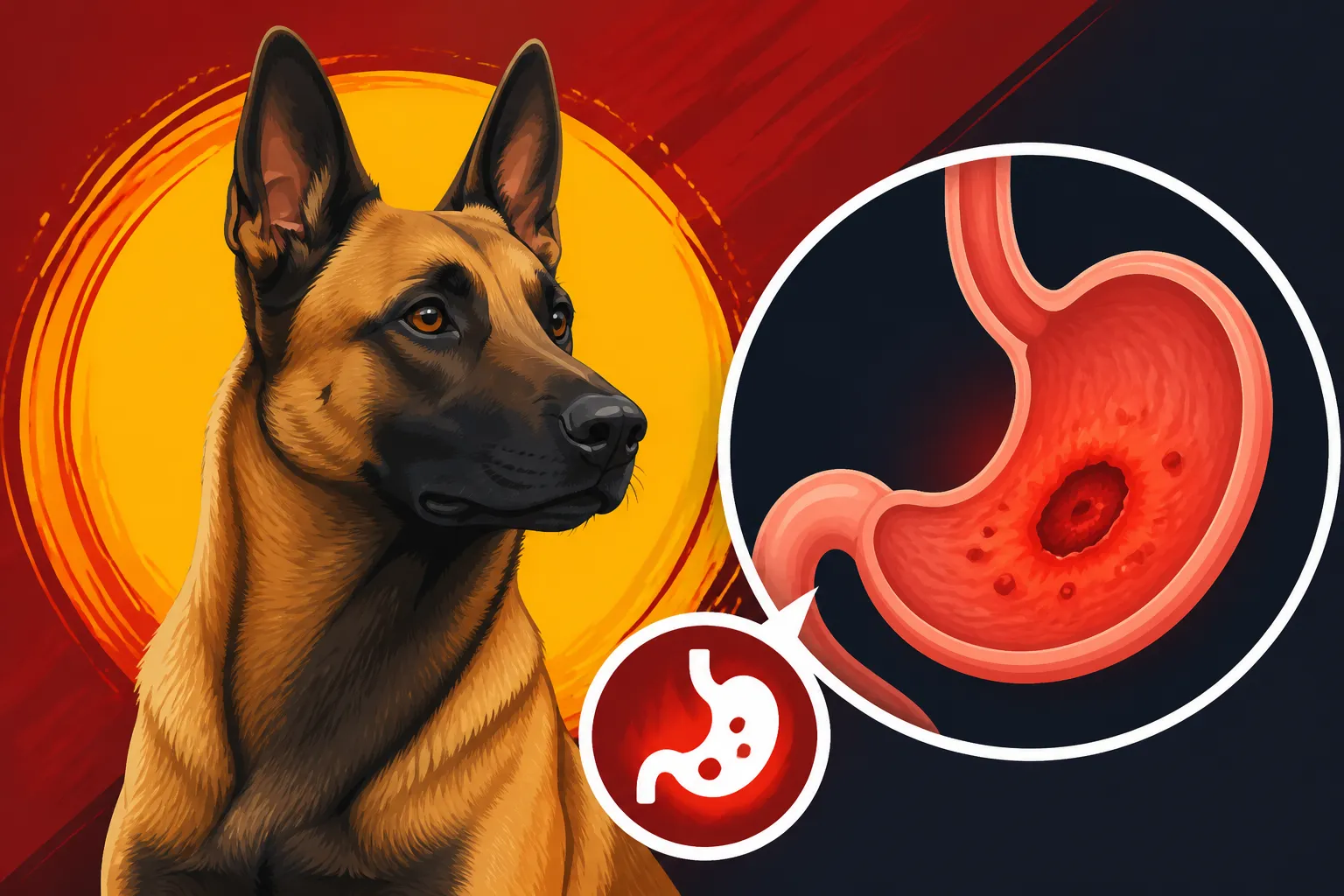
The link between a Malinois's intense drive and their gut health is far more intricate than many realize. Chronic stress, as we've just discussed, doesn't just make them anxious; it directly affects the stomach's environment. Prolonged exposure to stress hormones can significantly increase the production of stomach acid. Think of it like a boiler constantly running at maximum capacity, with no breaks. Simultaneously, these stress hormones can inhibit the production of prostaglandins, which are crucial for maintaining the protective mucus barrier that lines the stomach. This mucus is your dog's first line of defense against its own stomach acid. Without adequate protection, that increased acid starts to erode the stomach lining, leading to inflammation, irritation, and eventually, ulcer formation.
Consider a Malinois regularly competing in IGP or Ring Sport. The travel, the new environments, the pressure of performance – all contribute to this internal stress. While they might be physically conditioned athletes, their gut lining is still susceptible. Furthermore, the "gut-brain axis" plays a massive role here. Your Malinois's brain, constantly processing information and maintaining that high level of drive, is in constant communication with its gut. When the brain perceives stress, it sends signals to the gut that can alter motility, increase permeability, and affect the balance of gut bacteria, all of which can contribute to a compromised digestive system and an increased risk of ulcers. It’s a vicious cycle where mental state directly impacts physical vulnerability.
Recognizing the Subtle Signs of a Malinois Stomach Ulcer
Because Malinois are bred to be tough and stoic, they often won't cry out in pain like some other breeds. They'll try to work through discomfort, and their high drive can inadvertently mask symptoms that would be obvious in a less driven dog. This makes recognizing the signs of a stomach ulcer a real challenge, requiring keen observation from dedicated owners.
Behavioral Shifts and Performance Decline
One of the most insidious aspects of stomach ulcers in a Malinois is how subtly the symptoms can manifest, often appearing first as slight behavioral changes or a dip in performance that can easily be attributed to other factors. Your Malinois might suddenly show a reluctance to engage in training or a decrease in their usual exuberant enthusiasm. Perhaps they're usually first to the door for a walk but now hesitate, or their drive for the ball seems just a touch less intense. These are not typically "pain behaviors" in the conventional sense, but rather a general malaise. They might seem unusually sensitive to touch around their abdomen, or they might adopt a slightly hunched posture, trying to relieve pressure.
For instance, in bite work, a dog with an ulcer might take a less enthusiastic grip, or "out" more slowly, not because they're being disobedient, but because the abdominal contraction involved in a strong grip or a quick out causes pain. During obedience, a Malinois known for its rock-solid "down-stay" might fidget or shift more than usual. Tracking a scent might become more difficult if they're distracted by internal discomfort. It's crucial not to dismiss these subtle shifts as "attitude" or a "bad day." They are often your Malinois trying to tell you, in the only way they know how, that something isn't right. Unlike a minor Diarrhea in a Stressed Belgian Malinois, an ulcer is a deeper, more persistent issue that will subtly erode their willingness to perform.
Physical Symptoms That Demand Attention
While behavioral changes are often the first, most subtle indicators, certain physical symptoms are more direct red flags for a potential stomach ulcer. However, even these can be intermittent and easily overlooked in a busy, active Malinois. Keep a sharp eye out for changes in appetite; your dog might intermittently refuse meals or pick at their food, especially if the food causes discomfort. While a Malinois can be a picky eater, a sudden or consistent change is concerning. Weight loss, even if gradual, is another significant sign. If your Malinois is usually lean but now looks truly bony, it's time for a vet visit.
More alarming signs involve vomiting, particularly if you notice any blood – which might look like coffee grounds if partially digested. This is a critical symptom and requires immediate veterinary attention. Dark, tarry stools, known as melena, are also a strong indicator of digested blood from an upper gastrointestinal bleed, often associated with ulcers. This isn't just ordinary dark poop; it has a distinctive sticky, tar-like consistency. Finally, overt signs of abdominal pain, such as guarding their belly, flinching when touched, or a persistent hunched posture, should never be ignored. Remember, your Malinois is built to endure, so if they're showing these symptoms, the discomfort is likely substantial. For a Malinois that's suddenly refusing food under stress, an ulcer could certainly be a contributing factor.
| Symptom Category | Subtle Indicators (Early) | Critical Indicators (Advanced) |
|---|---|---|
| Behavioral | Decreased enthusiasm for work, slight reluctance to engage, mild lethargy, unusual sensitivity to touch around abdomen. | Hunched posture, persistent guarding of abdomen, outright refusal to eat or work, whining or pacing due to discomfort. |
| Gastrointestinal | Intermittent appetite changes, softer stools, occasional vomiting (clear or foamy). | Vomiting with digested blood (coffee grounds), fresh blood in vomit, dark tarry stools (melena), significant weight loss, severe abdominal pain. |
| General Well-being | Slight drop in energy levels, less interaction, subtle changes in coat quality. | Pale gums (anemia from blood loss), dehydration, weakness, collapse. |
Diagnosing and Treating Ulcers in Your Malinois
Once you suspect a stomach ulcer, the next steps involve working closely with your veterinarian. A proper diagnosis is crucial, and treatment will involve a combination of medication and careful management to give your Malinois the best chance at recovery.
Working With Your Veterinarian for a Proper Diagnosis
Getting a definitive diagnosis for stomach ulcers in a Malinois can sometimes be a process, as many symptoms can overlap with other conditions. Your first step should always be a comprehensive visit to your trusted veterinarian. They will start by taking a thorough history – everything you've observed, no matter how minor, is important. This includes changes in appetite, energy levels, stool consistency, and any instances of vomiting. A detailed physical exam will follow, where your vet will palpate your dog's abdomen to check for pain or rigidity.
Initial diagnostic tests often include routine bloodwork, such as a complete blood count (CBC) to check for anemia (which can result from chronic blood loss due to an ulcer) and a biochemical profile to assess organ function. Fecal tests will be done to rule out parasites or other causes of gastrointestinal distress. If these preliminary tests point towards an ulcer or severe GI upset, your vet might recommend more advanced diagnostics. An abdominal ultrasound can help visualize the stomach lining, looking for thickening or inflammation, though it might not definitively show an ulcer. Barium studies, where your Malinois ingests a contrast agent, can sometimes highlight ulcerations on X-rays. However, the gold standard for diagnosing stomach ulcers is an endoscopy. This procedure involves inserting a tiny camera down your dog’s esophagus into the stomach, allowing the vet to directly visualize the ulcerations, assess their severity, and even take biopsies if needed to rule out other conditions like cancer. Given how stoic Malinois are, providing all information from The Bloodwork a Working Malinois Should Have Annually to specific behavioral shifts will be key. Remember, for procedures requiring sedation, discussing Why Anesthesia Needs Discussing Before a Malinois Goes Under is paramount, especially for a lean, high-drive Malinois.
Medical and Management Strategies for Recovery
Once a stomach ulcer is diagnosed, treatment typically involves a multi-pronged approach combining medication and significant management strategies to allow the stomach to heal. The primary goal is to reduce stomach acid and protect the ulcerated lining. Your vet will likely prescribe medications such as proton pump inhibitors (PPIs) like omeprazole (Prilosec), which are very effective at reducing acid production. H2 blockers like famotidine (Pepcid AC) are another option that can help. Additionally, a cytoprotectant medication like sucralfate is often used. Sucralfate forms a protective barrier over the ulcer, shielding it from acid and allowing it to heal. Adhering strictly to the medication schedule your vet provides is absolutely crucial for effective treatment.
Beyond medication, dietary management is fundamental. Your Malinois will likely need a bland, easily digestible diet for a period. This often means prescription gastrointestinal food or a homemade diet of boiled chicken and rice. Feeding smaller, more frequent meals throughout the day, rather than one or two large ones, can also help reduce the burden on the stomach and minimize acid surges. It’s important to avoid any foods or treats that could be irritating. And, just as important as medical and dietary interventions is stress reduction. This means providing a calm, predictable environment, ensuring adequate rest, and temporarily reducing the intensity or frequency of high-stress activities like intense training or trials. Think about providing appropriate mental outlets that are less physically demanding. Follow-up appointments and diagnostics, possibly including repeat endoscopy, will be necessary to ensure the ulcer is healing. Pet insurance providers like Healthy Paws can be incredibly helpful in easing the financial burden of these diagnostic tests, medications, and specialized veterinary care, allowing you to focus on your Malinois's recovery without added stress.
Preventing Ulcers and Supporting Long-Term Gut Health
For a high-drive Belgian Malinois, prevention truly is better than cure, especially when it comes to something as uncomfortable and potentially serious as a stomach ulcer. Proactive measures focusing on nutrition, environment, and stress management are key to supporting their long-term gut health.
Nutritional Approaches and Supplementation
The foundation of a healthy gut for your Malinois begins with their diet. A high-quality, consistent diet is paramount. Sudden changes in food or feeding an inconsistent diet can irritate a sensitive stomach. While a performance formula is often necessary for these active dogs, like the kind detailed in What Performance Kibble Costs for a Malinois, ensure it's easily digestible and doesn't contain common irritants. Avoid feeding large meals, which can put stress on the digestive system; instead, opt for smaller, more frequent meals. Always ensure fresh, clean water is available, as proper hydration is vital for digestive health.
Beyond the core diet, certain supplements can be highly beneficial in supporting gut health and potentially preventing ulcers. Probiotics and prebiotics can help maintain a healthy balance of gut flora, which plays a significant role in digestion and overall immunity. If you’re wondering Whether a Probiotic Settles a Malinois's Gut, the answer is often yes, as they contribute to a robust digestive environment. L-glutamine is an amino acid that helps repair and maintain the integrity of the intestinal lining. Natural gastric protectants like slippery elm or aloe vera can also provide a soothing effect on the stomach lining. Before introducing any new supplements, always consult with your veterinarian to ensure they are appropriate for your individual Malinois and won't interact negatively with any existing conditions or medications. Healthy Paws, for example, often covers prescribed therapeutic diets and supplements when recommended by a veterinarian for certain conditions, underscoring the importance of discussing these options with your vet.
Proactive Stress Management and Environmental Enrichment
Given the strong link between stress and stomach ulcers in high-drive Malinois, proactive stress management is perhaps the most critical preventive measure you can take. This means understanding your individual dog's stress triggers and working to minimize their impact. A consistent daily routine provides a sense of predictability and security, which is incredibly calming for a Malinois. Clear boundaries and consistent training reduce ambiguity, which can be a source of stress. Remember, their minds are always working; they need appropriate outlets for their drive, but also sufficient downtime to truly relax.
Environmental enrichment is key to channeling their mental and physical energy in healthy ways. This could involve puzzle toys that make them think for their food, structured scent work that engages their powerful nose without intense physical exertion, or carefully managed social interactions with other stable dogs. It’s about creating a balanced life, not just a life of constant work. Over-exercising or pushing a Malinois relentlessly can actually increase stress, not alleviate it. Consider a day with a hike, some focused obedience, and then a quiet evening with a durable chew toy, rather than back-to-back high-intensity sessions. Managing stress effectively also means being vigilant about signs of chronic stress, such as obsessive behaviors, excessive vocalization, or even changes in coat condition. If your Malinois exhibits any of these, it's worth a conversation with your vet. Timely intervention can prevent long-term health issues. While pet insurance, like Healthy Paws, doesn't typically cover routine training or behavioral modification for general issues, they can be invaluable if behavioral problems escalate into a vet-diagnosed condition requiring medical treatment or prescription medications, reflecting how interconnected physical and mental health are for these dogs.
Disclaimer
The information provided in this guide is for general educational purposes only and should not be considered a substitute for professional veterinary advice. Always consult with a qualified veterinarian for any health concerns or before making any decisions related to your Belgian Malinois's health and treatment.