When a Malinois Is Considered Old
It’s a tough reality to face, but even our high-octane Belgian Malinois eventually start showing the subtle, and sometimes not-so-subtle, signs of aging. We pour so much into their working lives and their boundless energy, so when that vibrant spark begins to mellow, it leaves many of us wondering: when exactly is a Malinois truly considered "old," and what does that mean for their care and capabilities? This guide will delve into the nuances of defining seniority for this unique breed, helping you understand what to expect and how to best support your loyal companion through their golden years.
Defining "Old" for a Belgian Malinois
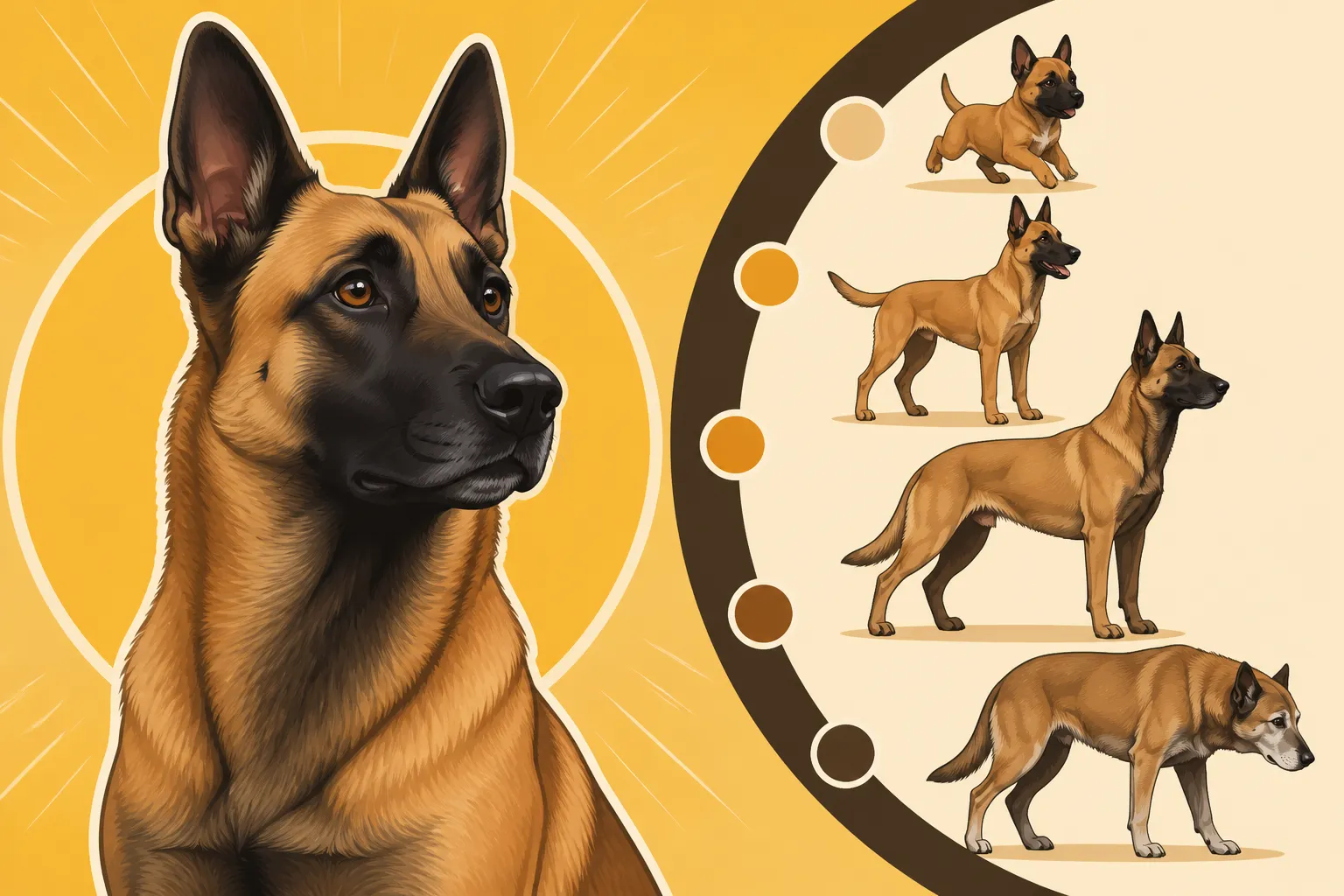
For many dog breeds, the "senior" label often kicks in around 7 or 8 years old. However, the Belgian Malinois, with their exceptional athleticism, high drive, and a generally robust health profile, often defies these typical age brackets. While they might not be as invincible as they once seemed, their transition into senior status is often a more gradual evolution, sometimes extending their energetic years well beyond what you'd expect from a similar-sized dog.
The Unique Aging Curve of a Malinois
Unlike some larger breeds that might start slowing down much earlier, a Malinois often maintains a remarkable level of physical and mental activity into what would be considered middle age for many dogs. You might see a Golden Retriever or a German Shepherd start to dial back their intensity around 6 or 7, but a Malinois might still be outworking them. This breed's genetic predisposition for intense work, stamina, and agility means their bodies and minds are often built to last, pushing the definition of "old" a little further down the road.
Generally speaking, you can start thinking of your Belgian Malinois as entering their senior years around 8 to 10 years old. This isn't a hard and fast rule, of course. Just like people, individual dogs age at different rates based on genetics, their past workload, diet, and overall health. A Malinois that spent its life as a couch potato (if such a thing truly exists!) might show signs of aging differently, or even earlier, than a meticulously conditioned working dog. Conversely, a working dog that has pushed its body to the limits might show joint wear and tear a bit sooner, even if its mind remains sharp as a tack. The key is to observe your dog, rather than relying solely on a calendar number. It's truly impressive to witness Why a Belgian Malinois Outlives Most Dogs Its Size when you compare them to other active breeds.
Comparing Malinois Seniority to Other Breeds
To truly appreciate the Malinois aging timeline, it helps to put it in perspective against other breeds. While a Great Dane might be considered a senior at 5-6 years old due to its giant size and shorter overall lifespan, and a smaller Terrier might not reach seniority until 10-12, the Malinois sits in a unique middle ground. They’re a medium-to-large breed, but their tightly wound athleticism, efficient physiology, and generally lean build contribute to a lifespan that can often reach The Fourteen to Sixteen Years a Belgian Malinois Lives. This extended prime means that the "senior" label, while it eventually applies, often comes with a different set of expectations for activity and mental engagement than with many other breeds.
This table offers a general comparison, but remember, every dog is an individual!
| Breed Size/Type | Average Onset of Seniority (Years) | Common Lifespan (Years) | Malinois Comparison |
|---|---|---|---|
| Giant Breeds (e.g., Great Dane) | 5-6 | 8-10 | Malinois often have double the active years of giant breeds before showing significant senior signs. |
| Large Breeds (e.g., German Shepherd) | 7-8 | 10-12 | Malinois tend to push their active prime a year or two beyond many large breeds, maintaining higher drive. |
| Medium Breeds (e.g., Labrador Retriever) | 7-9 | 10-12 | Malinois often maintain more mental intensity and physical agility into their later senior years compared to similarly sized, but less intensely driven, breeds. |
| Small Breeds (e.g., Jack Russell Terrier) | 10-12 | 13-16 | While small breeds live long, Malinois match their longevity while maintaining a larger, powerful working physique for much of that time. |
| Belgian Malinois | 8-10 | 12-16 | Known for extending their working prime, showing signs of "old" later, and maintaining high mental acuity well into their senior years, though physical signs will eventually emerge. |
Physical Markers of Aging in a Malinois
When your Malinois starts to get old, the signs aren't always a dramatic slowdown. Often, they're subtle changes that creep in over time, easily missed if you're not paying close attention. As a seasoned handler, you're probably already keenly attuned to your dog's physical state, but recognizing these specific markers can help you differentiate normal aging from something that needs veterinary attention.
Subtle Changes in Movement and Stamina
One of the first things you might notice in an aging Malinois is a slight shift in their movement. That explosive leap into the truck might become a bit more measured, or they might hesitate before tackling a steep set of stairs. While they might still chase the ball with gusto, the duration or intensity of their play sessions might gradually shorten. They might take longer to recover after a strenuous session, opting for a longer nap or seeming just a bit less enthusiastic for the next outing. This isn't necessarily a sign they can't still work, but it suggests The Age a Working Malinois Starts to Slow is upon them.
Joint stiffness, especially after resting, is a classic sign. You might observe a slight limp that comes and goes, or a general stiffening when they first get up in the morning. This could be the early stages of arthritis, which is common in older dogs, especially those that have had active lives. Watching them rise, lie down, or navigate slippery floors can offer clues. They might start favoring a certain leg, or adjust their gait to compensate for discomfort. Don't brush these off; early intervention, through supplements, anti-inflammatories, or physical therapy, can make a huge difference in their comfort and mobility. Pet insurance, like that offered by Healthy Paws, can be incredibly helpful in covering these ongoing costs for chronic conditions that often emerge with age.
Coat, Sensory, and Dental Changes
Beyond mobility, you'll start to see changes in their appearance and sensory functions. Gray hairs around the muzzle, eyes, and sometimes even across their chest or paws are a universal sign of aging. Their coat might become a bit coarser or thinner, and you might notice their skin losing some elasticity. While Malinois are known for their short, easy-care coats, senior dogs can sometimes develop dry skin or other dermatological issues that require attention.
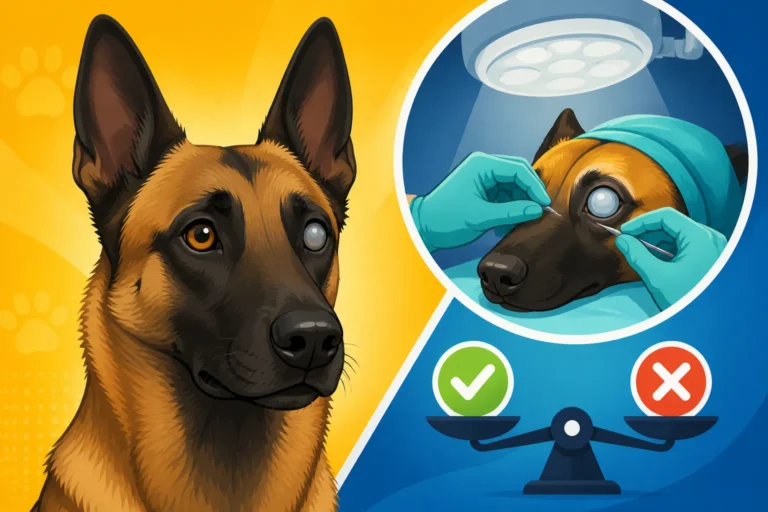
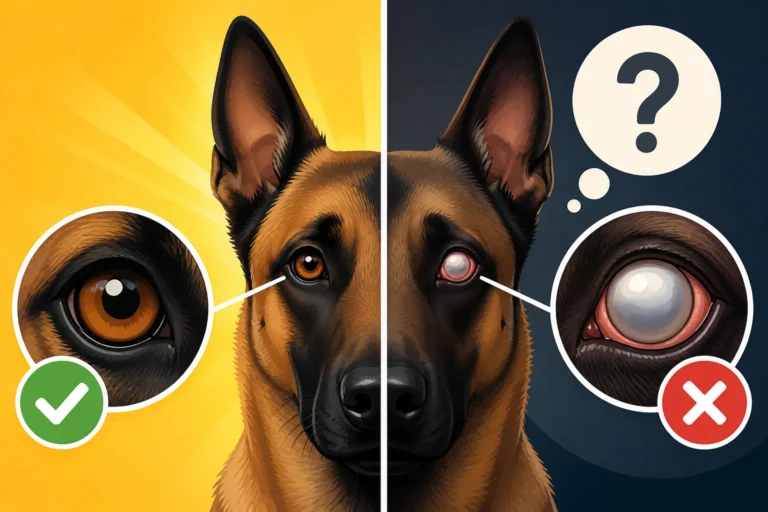
Their senses can also start to diminish. Hearing loss is common and can manifest as your Malinois not responding to commands they once knew perfectly, or not waking up when you enter the room. Their eyesight might also start to fade. You might notice them bumping into furniture in dim light, or being more hesitant in unfamiliar environments. If you suspect vision changes, you might also be looking for other eye conditions like Cataracts in an Older Belgian Malinois. Regular vet check-ups are crucial to monitor these changes and rule out underlying medical conditions.
Dental health is another significant concern. Years of chewing, bite work, or just normal wear and tear can lead to plaque buildup, gum disease, and even broken or missing teeth. Foul breath is a strong indicator of dental issues, which can lead to more serious systemic infections if left untreated. Many older Malinois require professional dental cleanings under anesthesia, and it's essential to discuss any concerns with your vet.
Behavioral and Mental Shifts in Senior Malinois
It's not just their bodies that change; a Malinois's mind and behavior will also evolve as they age. While some changes are simply a natural mellowing, others can signal more serious cognitive decline that warrants attention and intervention. It can be hard to accept that the laser-focused, always-on dog you know is starting to think and react differently.
Energy Levels and Routine Adjustments
One of the most noticeable behavioral shifts is a general reduction in overall energy. The Malinois that once bounced off the walls for hours might now be content with shorter play sessions, more frequent naps, or simply lounging nearby while you go about your day. They might still get excited for walks or training, but their stamina during these activities will likely decrease. This isn't laziness; it's their body telling them they can't maintain the same pace they once did. You might find yourself naturally shortening your training sessions, or exploring gentler activities, which aligns with the reality of Retiring a Working Belgian Malinois From the Job for many.
You might also observe changes in their sleep patterns. Some older Malinois become restless at night, pacing, whining, or barking for seemingly no reason, which can be a real disruption for the household. This can be a sign of discomfort, needing to relieve themselves more frequently, or even a symptom of canine cognitive dysfunction. Addressing underlying pain or increasing nighttime potty breaks can sometimes help, but persistent restlessness may require a vet visit to discuss options like medication. Dealing with An Old Malinois That Paces the House at Night can be exhausting for both dog and owner.
Signs of Cognitive Decline and Anxiety
While it's easy to attribute all changes to "old age," some behavioral shifts can point to canine cognitive dysfunction (CCD), essentially doggie dementia. This can manifest in several ways:
- Disorientation: Your Malinois might seem confused in familiar surroundings, get "stuck" in corners, or stare blankly at walls.
- Interaction changes: They might seek less attention from family members, or conversely, become clingier. They might also show altered interactions with other pets.
- Sleep-wake cycle disturbances: As mentioned, restlessness at night and increased sleeping during the day.
- House-soiling: Accidents in the house, even from a previously perfectly house-trained dog, can be a sign of cognitive decline, not just bladder control issues.
- Activity level changes: A decrease in purposeful activity, or an increase in repetitive behaviors like pacing or licking.
- Learning and memory: Difficulty learning new commands, or forgetting old ones.
These changes can be incredibly frustrating and heartbreaking for owners. It's important to remember that your Malinois isn't doing this on purpose. These are often neurological changes that need compassionate management. Discussing these symptoms with your vet early on is crucial, as there are often medications, supplements, and environmental enrichment strategies that can help slow the progression and improve their quality of life.
Proactive Care for Your Aging Malinois
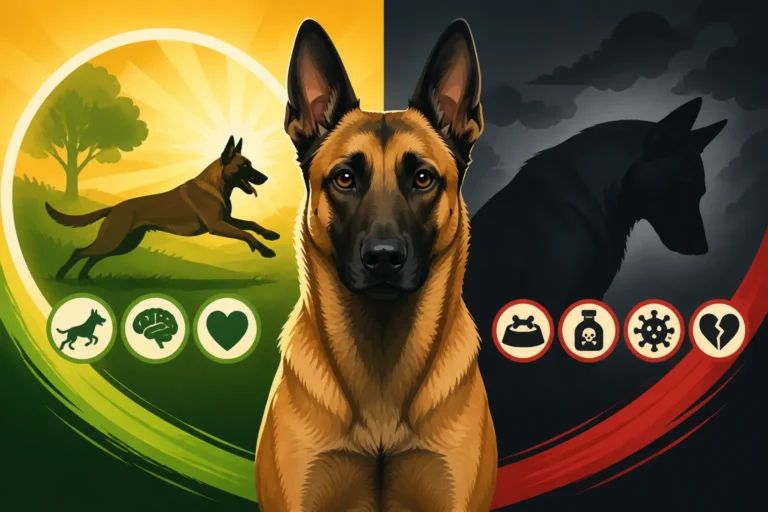
Even though we can't stop the clock, we can certainly make those golden years as comfortable and fulfilling as possible for our Belgian Malinois. Proactive care becomes paramount, shifting from managing a high-drive athlete to supporting a distinguished senior. This means focusing on comfort, nutrition, and vigilant health monitoring.
Tailored Nutrition and Supplementation
As a Malinois ages, their nutritional needs change. Their metabolism might slow down, and their activity level will likely decrease, meaning they need fewer calories to maintain a healthy weight. Continuing to feed them the same high-performance food designed for a dog in its prime can quickly lead to weight gain, which puts undue stress on aging joints. Look for senior dog formulas that are typically lower in calories but still provide high-quality protein to maintain muscle mass. Adjust portion sizes based on their individual activity level and body condition.
Supplements can also play a vital role. Glucosamine, chondroitin, and Omega-3 fatty acids are popular choices for supporting joint health and reducing inflammation, which is common in older dogs. Your vet might also recommend specific antioxidants or supplements designed to support cognitive function if signs of CCD are present. It’s always best to discuss any dietary changes or supplements with your veterinarian to ensure they are appropriate for your individual dog and won’t interact negatively with any existing medications. Many owners find that adjusting Feeding a Retired Belgian Malinois is one of the biggest changes they make.
Regular Veterinary Check-ups and Monitoring
This cannot be stressed enough: regular veterinary check-ups become even more critical for older Malinois. While a young, healthy Malinois might get by with annual visits, a senior dog often benefits from biannual (every six months) check-ups. These frequent visits allow your vet to catch potential health issues earlier, when they are often more treatable. Things like subtle changes in heart murmurs, kidney function, or emerging cancers can be identified through physical exams and routine bloodwork. Knowing The Bloodwork a Working Malinois Should Have Annually (or even more frequently as they age) can provide crucial insights into their internal health, allowing for proactive intervention before a problem becomes severe.
Beyond general health, specific screenings might be recommended. This could include more frequent dental checks, blood pressure monitoring, and specialized diagnostics if particular symptoms arise. For instance, if you notice lumps or bumps, your vet might recommend aspirations or biopsies to rule out conditions like The Bleeding Tumor That Kills an Older Malinois. Having a good pet insurance plan, such as one from Healthy Paws, can be invaluable during these years, helping to cushion the financial blow of increased diagnostic tests, medications, and specialized treatments that often come with senior care.
Adapting the Environment and Activities
Making small adjustments to your home environment can significantly improve your senior Malinois's quality of life. Provide comfortable, orthopedic beds to support aching joints. If you have slippery floors, consider rugs or runners to give them better traction and prevent falls. Ramps can be a lifesaver for dogs struggling to get into cars or climb stairs, reducing strain and preventing injuries.
Mentally stimulating activities are just as important as ever, even if physically they can’t do as much. Continue with short, gentle training sessions, focusing on commands they already know. Puzzle toys, scent work, and interactive feeders can keep their minds engaged and prevent boredom, which can sometimes exacerbate cognitive decline. Remember, Keeping an Old Belgian Malinois Mentally Busy is key to their overall well-being. Even if high-impact activities are off the table, gentler walks, swimming, or short sniff walks in new environments can still provide enrichment without overtaxing their bodies. The goal is to keep them active and engaged within their new physical limits, allowing them to age gracefully and happily by your side.
Disclaimer
This article is intended for informational purposes only and does not constitute veterinary advice. Always consult with a qualified veterinarian for any health concerns or before making any decisions about your Belgian Malinois's care, diet, or training.