Daily Eye Drops for a Malinois With Pannus
It’s heartbreaking to watch your incredible Belgian Malinois develop a grayish film or redness in their eyes, knowing it’s a condition like pannus that requires diligent, daily care. The frustration of trying to get those essential eye drops into a high-drive dog who just wants to play or work, often battling against their natural aversion, is a struggle many Malinois owners know intimately. This guide is here to walk you through everything you need to know about managing pannus with daily eye drops, helping you establish a routine that works for both you and your loyal companion.
Understanding Pannus and Why Daily Drops Are Essential
Pannus, officially known as chronic superficial keratitis, is a really common and often misunderstood eye condition in Belgian Malinois. It's not something that just comes and goes; it's a chronic, progressive, immune-mediated disease. This means your Malinois's own immune system mistakenly attacks its corneas, the clear outer layer of the eye. Without consistent daily treatment, this can lead to severe discomfort and even blindness.
What Pannus Actually Is and How It Affects Your Malinois's Eyes
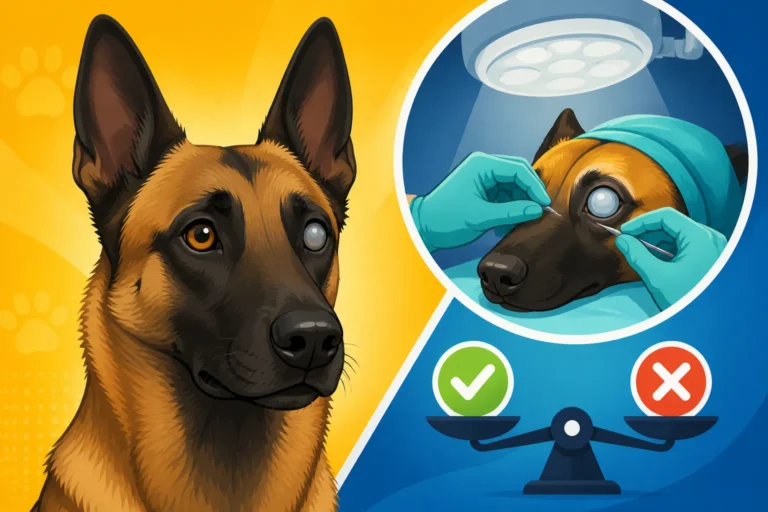
Imagine a tiny, insidious invasion happening on the surface of your dog's eyes. That’s what pannus essentially is. You might first notice a reddish or pinkish growth on the outer edges of the cornea, often starting at the temporal (side closest to the ear) aspect. Over time, this redness can turn into a grayish-white film, and dark brown or black pigment can start to creep across the cornea. These changes are actually blood vessels and inflammatory cells infiltrating the once-clear tissue, along with melanin deposits. It's a progressive disease, meaning if left unchecked, these lesions will spread further across the cornea, gradually obstructing your dog's vision.
It’s crucial to understand that pannus is not something your Malinois can simply "get over." It's a lifelong condition that requires continuous management. Think of it like a chronic human illness that needs daily medication to keep it in check. The good news is that with proper care, you can significantly slow its progression and preserve your Malinois's sight and comfort. One of the primary environmental factors driving this condition is sunlight exposure, which can exasperate the immune response and accelerate damage. Many owners find themselves navigating Pannus and the Sunlight That Drives It in Malinois and implementing strict shade routines.
The Science Behind Steroid and Immunosuppressant Drops
So, why are these drops so critical? The goal of pannus treatment is to suppress the immune system's misguided attack on the cornea. The most common medications used for this are topical corticosteroids and topical immunosuppressants.
Corticosteroids, like prednisolone acetate or dexamethasone, work by powerfully reducing inflammation and suppressing the immune response directly in the eye. They can be very effective in bringing down initial flare-ups and reducing the redness and swelling. However, they need to be used carefully and under veterinary guidance, as long-term or inappropriate use can have side effects, including thinning of the cornea or increased risk of infection.
Immunosuppressants, primarily cyclosporine (often known by brand names like Optimmune) and tacrolimus, are often the backbone of long-term pannus management. These medications specifically target and modulate the immune cells responsible for the corneal invasion. They work by inhibiting the T-lymphocytes that are causing the inflammation and pigment deposition. The beauty of these drugs is that they can be used safely for extended periods, making them ideal for lifelong management. Your vet will often start with a more intensive regimen, perhaps a steroid and an immunosuppressant, to get the inflammation under control, then transition to a long-term maintenance dose, usually involving just the immunosuppressant drops, applied once or twice daily. This consistent application is the key to preventing the recurrence and progression of the disease, ensuring you are Treating Pannus in a Belgian Malinois for Life.
Establishing a Stress-Free Daily Eye Drop Routine
Let's be honest, getting a high-energy Belgian Malinois to willingly accept eye drops twice a day, every day, can feel like an Olympic sport. But it doesn't have to be a wrestling match. With patience, positive reinforcement, and a clear strategy, you can make this a much calmer, even pleasant, experience for both of you.
Preparing for Success: Supplies and Setting
Before you even think about putting a drop in your Malinois's eye, set yourself up for success. First, gather all your supplies: your prescribed eye drops, plenty of high-value treats (think tiny pieces of cooked chicken, cheese, or whatever your Malinois goes absolutely bonkers for), and maybe a soft towel or blanket if your dog is particularly wiggly. Having everything within arm's reach means you won't have to break position or search mid-session.
Next, consider your environment. Choose a quiet, familiar space where your Malinois feels secure and there are minimal distractions. This could be a corner of the living room, a hallway, or even their crate if they are comfortable there. Avoid high-traffic areas or times when other pets or family members might interrupt. The goal is to create a calm, predictable ritual. Start associating the "eye drop spot" with positive things – give them a treat just for coming to the spot, before you even bring out the drops. Building a positive association from the very beginning, especially with a Malinois puppy, can save you a world of trouble down the line. Remember, their minds are always working, so give them a good reason to cooperate.
Step-by-Step Application Techniques
Once you're ready, approach your Malinois calmly. No sudden movements or loud noises.
- Positioning: For many Malinois, having them sit with their back to you, or standing between your legs (if they're comfortable with that), can give you better control and prevent them from backing away. You can also have a helper gently hold them, but always prioritize comfort over restraint. Some dogs do better lying down with their head cradled. Find what works best for your individual dog.
- Cradle the Head: Gently but firmly cup your Malinois's head in one hand, tucking your thumb under their jaw to keep their head steady. You want to avoid them whipping their head around unexpectedly.
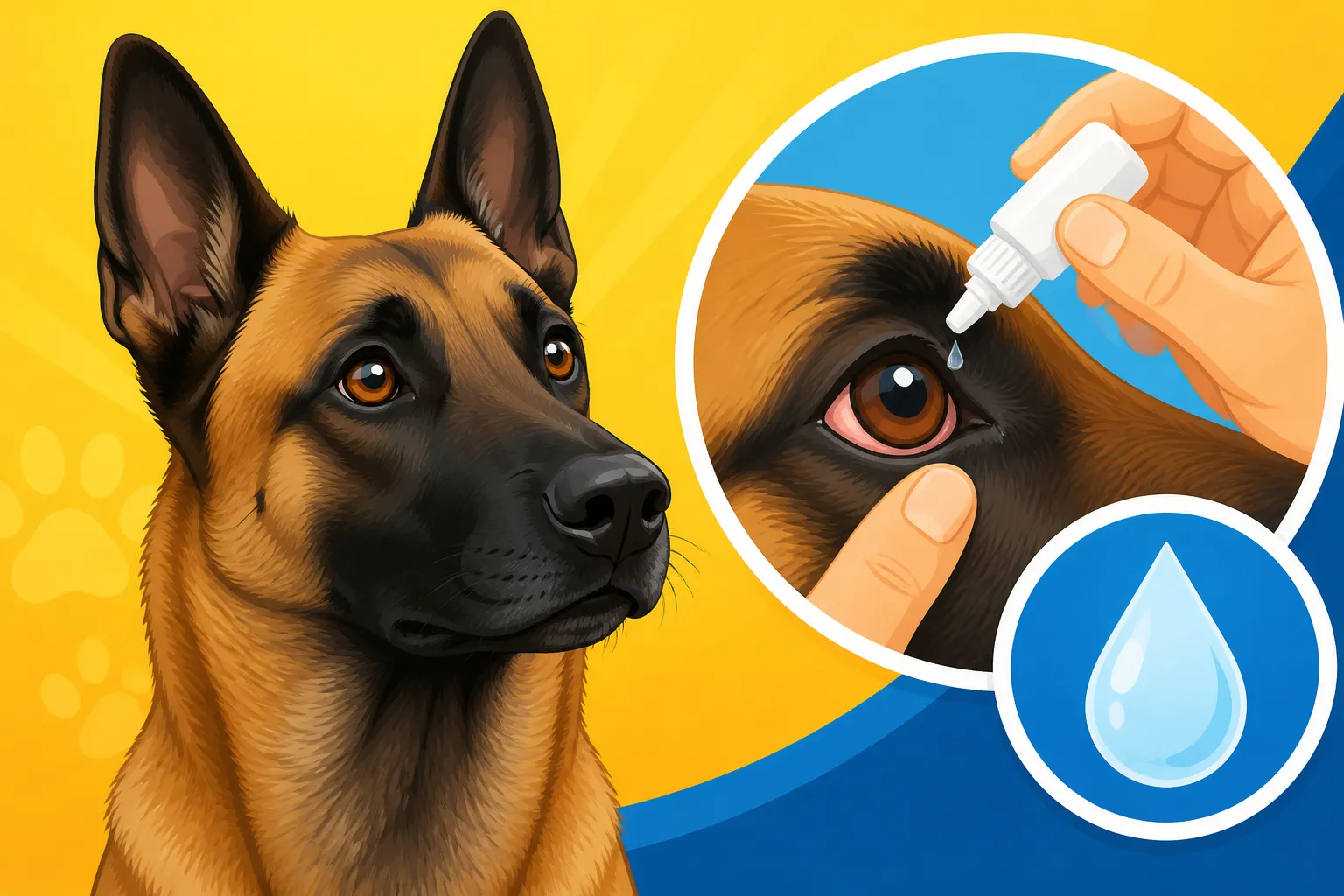
- Expose the Eye: With your free hand, use your index finger and thumb to gently pull the upper and lower eyelids apart, exposing the eye. Be careful not to poke their eye with your fingers.
- Administer the Drop: Hold the bottle of eye drops about an inch or so above the eye. Aim for the center of the eye, or if that's too challenging, aim for the corner closest to the nose. Squeeze out one single drop. Resist the urge to douse their eye with multiple drops; one is usually sufficient and avoids wasting precious medication.
- Hold Briefly: After the drop is in, gently close your Malinois's eyelids and hold them shut for a few seconds. This helps the medication spread across the eye and absorb properly, preventing them from immediately shaking it out.
- Praise and Reward: IMMEDIATELY after the drop is in and the eye is held shut, offer enthusiastic praise and a high-value treat. Make it clear that they did something amazing. The goal is for them to associate the drops with positive outcomes, not discomfort. Repeat this process for the other eye if needed.
Consistency is key here. Your Malinois thrives on routine, so try to administer the drops around the same time each day. Over time, many Malinois will learn the routine and even start to anticipate the treat, making the process much smoother. For those particularly resistant, you might want to look into further tips on Applying Eye Medication to a Malinois That Objects.
Troubleshooting Common Challenges
Even with the best intentions, your Malinois might still object to eye drops. It’s part of their intense, often sensitive nature. One common challenge is head shyness or pawing at their eyes. If your Malinois anticipates the drops and starts pulling their head away, try teaching a "chin rest" command where they learn to rest their chin in your hand for a few seconds. Reward heavily for this. You can then integrate the drops into this command.
If they're shaking their head immediately after the drop, ensure you're holding their eyelids closed for a few seconds. If they still manage to shake it out, talk to your vet about whether a different formulation (some drops are thicker) or even a slightly different technique might help. In extreme cases, if your Malinois becomes truly stressed or reactive, a muzzle might be necessary for safety, but this should always be a last resort and paired with extra positive reinforcement to avoid creating a negative association with the muzzle itself.
Another hurdle is simple aversion – they just don't like the feeling. This is where those high-value treats become your secret weapon. If they still fight, consider enlisting a second person. One person can gently hold the Malinois while the other administers the drops. Always keep the experience as calm and positive as possible. Avoid scolding or forceful restraint, as this can make them more fearful and harder to manage in the long run. If the struggle becomes truly overwhelming, leading to daily stress for both of you, a conversation with your vet about systemic medications or referral to a veterinary ophthalmologist might be warranted to explore all options.
Long-Term Management and Beyond the Drops
Understanding pannus in a Belgian Malinois is a lot like training them for a sport; it’s a marathon, not a sprint. The daily eye drops aren't a temporary fix; they are a lifelong commitment to preserving your dog's vision and comfort.
The Lifelong Commitment to Eye Health
Pannus is relentless. If you stop the daily eye drops, even for a short period, the inflammation and pigmentation will almost certainly return, often worse than before. This rebound effect can lead to rapid progression of the disease, and in severe, untreated cases, pannus can indeed lead to significant vision impairment or even blindness. This is why it’s critical to understand How Far Pannus Progresses in an Untreated Malinois. Your Malinois relies on you for this consistent care, and skipping doses can have serious, irreversible consequences.
Beyond the daily drops, regular veterinary check-ups are absolutely non-negotiable. Your primary veterinarian or a veterinary ophthalmologist will need to monitor your Malinois's eyes regularly, typically every 3-6 months, especially in the initial stages or if there are changes in the condition. These appointments allow the vet to assess the effectiveness of the treatment, check for any side effects, and adjust the dosage if necessary. They might use special equipment to examine the cornea closely and track any progression or improvement.
It’s also important to be realistic about the costs involved. Lifelong medication, combined with regular specialist visits, can add up significantly. This is where pet insurance, like a comprehensive plan from Healthy Paws, can be a real lifesaver. Many owners rely on Monthly Cyclosporine Costs for a Malinois With Pannus and find that pet insurance helps mitigate these ongoing expenses, providing peace of mind knowing that critical, long-term care for conditions like pannus is covered. When considering insurance, it's worth asking Whether Insurance Covers a Malinois's Pannus Drops to ensure your plan aligns with your Malinois's specific needs.
Complementary Strategies for Pannus Management
While daily eye drops are the cornerstone of pannus treatment, there are several complementary strategies you can employ to further protect your Malinois's eyes and support their overall health.
One of the most significant environmental triggers for pannus is ultraviolet (UV) light exposure. Just like humans, Malinois benefit from sun protection. Limiting direct sun exposure, especially during peak UV hours (typically 10 AM to 4 PM), can make a huge difference. This might mean adjusting your training schedule, providing ample shade in your yard or kennel, or ensuring your Malinois has a shaded resting spot when outdoors. Implementing Shade Routines for a Light Sensitive Belgian Malinois is often a highly effective, low-cost intervention.
For Malinois that spend a lot of time outdoors or in bright environments, dog-specific goggles can be an excellent protective measure. Brands like Rex Specs or Doggles are designed to fit a dog's head comfortably and offer UV protection. While some Malinois might initially resist, with positive reinforcement and gradual introduction, many will learn to tolerate them. Consider discussing Goggles for a Belgian Malinois With Pannus with your vet or trainer to see if they're a good fit for your dog's lifestyle. It's especially relevant in high-altitude areas where UV exposure is more intense, which can exacerbate the condition, making you understand Why Altitude Makes a Malinois's Pannus Worse.
Beyond UV, maintaining overall eye hygiene is important. If your Malinois works in dusty environments or gets debris in their eyes, gently rinsing their eyes with a sterile saline solution can help prevent irritation. This is often necessary for Rinsing Dust From a Working Malinois's Eyes after a particularly rigorous session. Good nutrition and a strong immune system also play a supportive role, ensuring your Malinois is in the best possible health to manage their chronic condition. Always discuss any dietary changes or supplements with your vet to ensure they are appropriate and won't interfere with existing treatments.
Here's a quick look at common medications for Malinois pannus:
| Medication Type | Common Example (Active Ingredient) | How It Works | Typical Frequency (Maintenance) | Considerations |
|---|---|---|---|---|
| Immunosuppressant | Cyclosporine (e.g., Optimmune) | Suppresses local immune response; reduces inflammation. | Once to twice daily | Long-term, safe for maintenance; often first-line. |
| Immunosuppressant | Tacrolimus | More potent than cyclosporine; inhibits T-cell activation. | Once to twice daily | Used for resistant cases or when cyclosporine isn't enough. |
| Corticosteroid | Prednisolone Acetate | Strong anti-inflammatory; suppresses immune response. | Varies (often higher initially) | Good for acute flare-ups; careful long-term use due to side effects. |
| Corticosteroid | Dexamethasone | Potent corticosteroid. | Varies | Similar to Prednisolone Acetate, can be used for initial control. |
This table provides a general overview, but your veterinarian will prescribe the specific medication and dosage tailored to your Malinois's unique needs and the severity of their pannus.
Disclaimer
The information provided in this article is for general educational purposes only and is not a substitute for professional veterinary advice. Always consult with a qualified veterinarian or veterinary ophthalmologist regarding your Belgian Malinois's specific health condition and treatment plan.