Goggles for a Belgian Malinois With Pannus
Seeing your active, driven Belgian Malinois start to struggle with their eyes, especially when diagnosed with something like Pannus, can be incredibly distressing. You know they live for work and play, and the thought of their vision being compromised or their discomfort increasing just breaks your heart. This comprehensive guide will walk you through why specialized dog goggles aren't just a quirky accessory, but a vital tool in managing Pannus, helping you understand their benefits, how to choose the right pair, and most importantly, how to get your smart but often opinionated Malinois to actually wear them, ensuring their comfort and preserving their precious eyesight.
Understanding Pannus in Belgian Malinois
When we talk about canine eye conditions, Pannus often feels like a stealthy, persistent adversary, especially for Belgian Malinois owners. It's not always obvious at first glance, but its potential to impact your dog's quality of life, particularly if they're a working dog, is immense. It truly is a journey that requires vigilance and understanding.
What is Pannus and Why Malinois Get It?
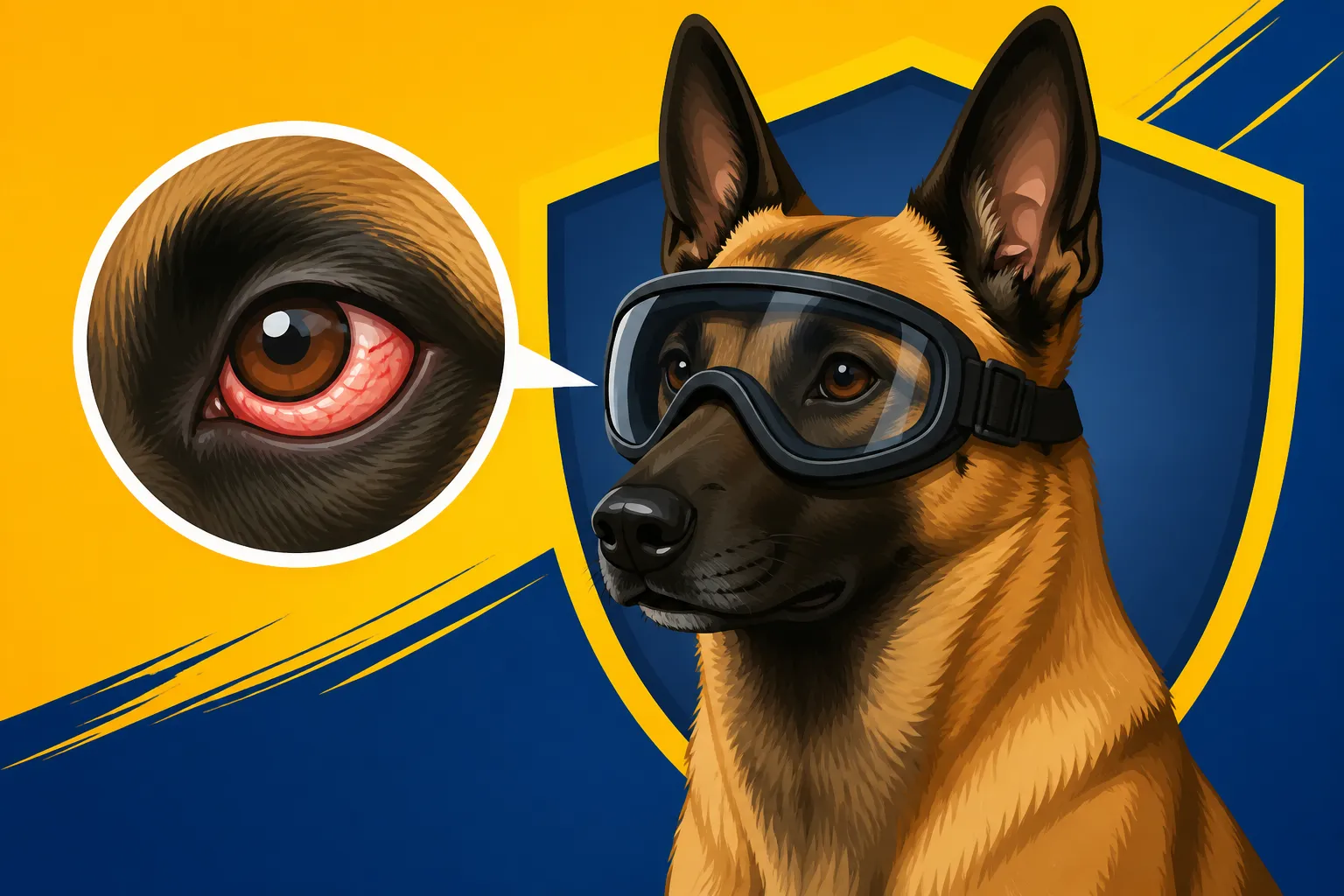
Pannus, medically known as Chronic Superficial Keratitis (CSK), is an inflammatory eye condition that primarily affects the cornea and sometimes the third eyelid. Imagine a reddish-brown or grayish film slowly creeping across the surface of your dog's eye, often starting from the outer corner and moving inward. This isn't just a cosmetic issue; it's an invasion of blood vessels and pigment into the clear corneal tissue. Over time, this progression can obscure vision significantly, leading to blindness if left untreated.
While any dog can theoretically get Pannus, there's a strong genetic predisposition in certain breeds, and our beloved Belgian Malinois are unfortunately right up there on that list, alongside German Shepherds and Greyhounds. It's believed to be an immune-mediated disease, meaning your dog's own immune system mistakenly attacks the corneal tissue. Beyond genetics, environmental factors play a massive role. Ultraviolet (UV) light exposure is widely considered the primary trigger and exacerbating factor. If your Malinois spends a lot of time outdoors, especially in sunny or high-altitude environments, they are at a much higher risk of developing and seeing a worsening of Pannus. The glare off snow, water, or even concrete can significantly amplify this UV exposure, making prevention even more critical. Understanding Pannus and the Sunlight That Drives It in Malinois is foundational to managing this condition.
The Progression of Pannus and Its Impact on Vision
The onset of Pannus is often insidious. You might first notice a subtle change, perhaps a faint grayish film creeping across a Malinois eye, or a slight redness in the whites of their eyes. This often starts at the temporal (outer) side of the cornea. As the disease progresses, that initial hazy film can thicken, turning into a more opaque, reddish-brown discoloration due to the infiltration of blood vessels and pigment. The surface of the eye might appear uneven or bumpy, and the normally clear, glistening cornea can lose its transparency.
The impact on vision becomes increasingly severe as more of the cornea is affected. Think of trying to see through a constantly smudged, fogged-up window – that's what your Malinois might be experiencing. Peripheral vision is often affected first, but as the lesions spread towards the center of the eye, central vision will inevitably be compromised. This can make navigating familiar environments challenging, affect their ability to track a ball or a decoy, and generally reduce their confidence and performance in any activity. For a high-drive working breed like the Malinois, losing clear vision isn't just an inconvenience; it can be devastating to their quality of life and ability to engage in the work they were bred for. The question of Whether Pannus Blinds a Belgian Malinois is a very real concern for many owners. Early diagnosis and consistent treatment, which often includes daily eye drops for a Malinois with Pannus, are crucial to slow or halt this progression.
Why Goggles Are More Than Just a Novelty for Pannus
When you first consider dog goggles, you might picture a cute photo opportunity, perhaps for a social media post. But for a Belgian Malinois with Pannus, these aren't just for show; they're a legitimate medical aid, a shield against the very elements that worsen their condition. Dismissing them as merely a "fashion statement" would be a grave mistake.
The Science Behind UV Protection
As we've touched upon, UV radiation is the primary environmental culprit that aggravates and accelerates Pannus. Think of it like sunburn for the eye – repeated exposure causes damage and inflammation, which in turn fuels the immune response responsible for the disease. This is why you'll often hear that Why Altitude Makes a Malinois's Pannus Worse or why dogs living in perpetually sunny climates are more prone to severe cases.
High-quality dog goggles act as a physical barrier, effectively blocking a significant percentage of harmful UVA and UVB rays from reaching your Malinois's delicate corneal tissue. The lenses are typically designed with specific coatings and materials to offer 99-100% UV protection, much like human sunglasses. By consistently wearing these goggles when outdoors, especially during peak sunlight hours, you are actively reducing the inflammation and progression of Pannus. It's not a cure, but it's a critical piece of the puzzle in managing the condition and supporting the efficacy of any prescribed medications. It's about proactive defense against an invisible but potent threat, safeguarding your Malinois's vision for as long as possible.
Beyond UV: Protection from Irritants and Trauma
While UV protection is paramount, goggles offer a host of other benefits that contribute to eye health for a Malinois battling Pannus. Imagine your Malinois doing what they do best – running through brush, tracking in dusty fields, or catching a frisbee at top speed. In these scenarios, their eyes are vulnerable to a myriad of external threats.
Dust, sand, pollen, and other airborne particulates can easily blow into your dog's eyes, causing irritation, redness, and even minor abrasions. For an eye already compromised by Pannus, this added irritation can exacerbate inflammation and discomfort. Goggles provide a clear shield against these common irritants, keeping the eyes cleaner and less prone to secondary issues. Beyond environmental debris, consider the risk of physical trauma. A stray branch during a training session, a playful swat from another dog, or even an accidental bump against furniture can result in corneal scratches or more serious injuries. Given the active nature of Belgian Malinois, these risks are not negligible. By offering a robust layer of protection, goggles can significantly reduce the likelihood of such incidents, which could otherwise set back the progress of Pannus treatment or introduce new complications. This holistic protection is a game-changer for maintaining ocular health in an affected Malinois, ensuring they can continue to live their lives with minimal eye discomfort.
Choosing the Right Goggles for Your Malinois
Selecting the perfect pair of goggles for your Belgian Malinois with Pannus isn't just about picking the coolest-looking pair. It's about finding a functional, comfortable, and durable piece of equipment that your dog will tolerate and that will effectively protect their eyes. This decision often requires a bit of research and a willingness to try different options.
Key Features to Look For
When you're sifting through the various options, keep these critical features in mind:
- UV Protection Rating: This is non-negotiable. Look for goggles that explicitly state 99-100% UVA/UVB protection. This ensures you're getting the primary benefit needed for Pannus management. Don't settle for less.
- Fit and Comfort: A poor fit means discomfort, and discomfort means your Malinois won't wear them. The goggles should sit snugly but not tightly around their head and eyes, without pinching or rubbing. Look for adjustable straps that can conform to your dog's unique head shape. The lens area should provide ample space for their eyes without touching their eyelashes or surrounding fur.
- Ventilation: Good airflow is essential to prevent fogging and keep your dog's eyes from overheating, especially during strenuous activity. Look for designs with strategically placed vents or breathable materials around the frames. Without proper ventilation, moisture can build up, obscuring vision and leading to discomfort.
- Durability: Malinois are powerful, active dogs. Their gear needs to withstand rigorous use. Seek out shatterproof or impact-resistant lenses and strong, resilient frame materials. If your dog is prone to pawing at their face, the straps need to be robust enough to handle that.
- Lens Type: Different lens colors offer varying benefits. Clear lenses are great for all-around protection without altering light perception. Smoked or tinted lenses (often amber, gray, or mirrored) are excellent for very bright conditions, reducing glare and providing additional comfort. Some goggles even come with interchangeable lenses, allowing you to adapt to different lighting scenarios. Consider Whether Tinted Goggles Suit a Belgian Malinois for your specific environment.
Popular Brands and Their Offerings
The market for dog goggles has grown as more owners recognize their benefits, moving beyond simple novelty. When you start your search, a few brands consistently rise to the top for quality, design, and effectiveness.
Doggles are often the first name that comes to mind, and for good reason. They've been around for a long time and offer a classic, widely recognized design. Doggles typically feature adjustable head and chin straps, polycarbonate lenses for UV protection and impact resistance, and a flexible frame that conforms to many different face shapes. They come in a variety of sizes and lens colors, making them a solid entry-level choice. While durable, some Malinois with very intense drives or particularly strong chewing habits might eventually test their limits.
For a more robust, "work-ready" option, Rex Specs have become incredibly popular, especially among working dog handlers and those whose dogs participate in high-impact sports. Rex Specs are designed with a single, large spherical lens that offers a wide field of vision and excellent impact protection. They boast 99.9% UV protection, are shatterproof, and feature a dynamic strap system that creates a very secure fit, making them harder for determined dogs to dislodge. The ventilation is also excellent, reducing fogging. They are often pricier, but many owners find the investment worthwhile for the superior protection and durability they offer for a dog like a Malinois. They even offer different lens tints and clear options, suitable for various weather and lighting conditions.
When considering the long-term management of a condition like Pannus, the costs can add up, from medications like Daily Eye Drops for a Malinois With Pannus to preventive gear like goggles. While pet insurance typically doesn't cover accessories like goggles directly, having a reliable plan can be a huge relief if your Malinois experiences complications or requires additional veterinary care due to their condition. Companies like Healthy Paws offer comprehensive coverage that can help offset unexpected veterinary bills, allowing you to focus on providing the best care, including preventive measures, without constant financial worry. It's smart to plan for these ongoing health needs, especially with a breed prone to specific conditions.
Here's a quick comparison of some popular options to help you decide:
| Feature | Doggles (Originals) | Rex Specs (Original) |
|---|---|---|
| UV Protection | 100% UVA/UVB | 99.9% UVA/UVB |
| Lens Material | Polycarbonate | Polycarbonate (Shatterproof) |
| Frame Style | Two separate, flexible lens cups with padding | Single spherical lens, rigid frame, soft face foam |
| Strap System | Adjustable head and chin straps | Dynamic strap system with rear adjustment |
| Ventilation | Air vents/gaps around lens cups | Excellent via frame design and side vents |
| Durability | Good for everyday use, may be less resilient for heavy sport | Excellent, designed for active/working dogs, highly durable |
| Field of View | Good, but can be slightly obstructed by frame | Excellent, wide, unobstructed view |
| Price Range | Mid-range | Higher-end |
| Best For | Casual outdoor use, general eye protection | High-intensity activities, working dogs, extreme protection |
Sizing and Fitting for Optimal Comfort and Effectiveness
Getting the right size and fit is paramount. A poorly fitting pair of goggles will be uncomfortable, ineffective, and likely rejected by your Malinois. It’s a bit like trying to run a marathon in shoes that don't fit – impossible and painful.
First, always refer to the specific brand's sizing chart. Most brands will require two measurements: the circumference of your dog's head (around the forehead, just above the eyes) and the circumference of their muzzle (around the widest part of their snout). For Malinois, who have a relatively streamlined head compared to some other breeds, you'll want to pay close attention to the head strap to ensure it doesn't slip down or ride up.
Once you have the measurements, select the recommended size. When you receive the goggles, the fitting process should be gradual and careful:
- Initial Placement: Gently place the goggles on your Malinois's face. The lenses should cover their eyes completely, and the foam or padding around the edges should sit flush against their orbital bones, creating a seal without pressing on their eyeballs.
- Adjust the Head Strap: The strap going around the back of their head should be snug enough to keep the goggles in place, but not so tight that it causes indentations or discomfort. You should be able to comfortably slip two fingers under the strap.
- Adjust the Chin Strap (if applicable): If your chosen goggles have a chin strap (many Doggles do), adjust it so it's also snug but not restrictive. This strap helps prevent the goggles from being easily pawed off. Rex Specs use a single strap system that is adjusted primarily at the back of the head, which many find simpler and more secure for active dogs.
- Check for Vision Obstruction: Ensure the lenses provide a clear field of vision and aren't rubbing against their eyelashes. If the lenses are too close, it can be irritating.
- Observe Your Malinois: Watch how your dog reacts. Are they trying to paw them off constantly? Are they shaking their head? This could indicate a poor fit or discomfort. Sometimes, the issue isn't the size but the specific design not suiting their face. Don't be afraid to try a different brand or style if the first attempt isn't successful. Remember, the goal is for your Malinois to accept and even ignore them over time, which only happens with a comfortable fit.
Training Your Malinois to Wear Goggles
Let's be real: putting anything new and strange on a high-drive Belgian Malinois usually results in immediate suspicion, followed by a determined effort to remove it. Goggles are no exception. This isn't a battle of wills; it's a carefully executed desensitization and positive reinforcement campaign, and it requires patience, consistency, and a whole lot of high-value treats.
The Importance of Positive Reinforcement
Force-fitting goggles onto your Malinois or correcting them for trying to remove them will only create a negative association. This is a crucial distinction. We want them to view the goggles as a gateway to good things, not a punishment or an annoyance. The foundation of this training must be overwhelmingly positive.
Every step of the process, from simply showing them the goggles to having them wear them for extended periods, should be paired with their absolute favorite treats, enthusiastic praise, or a quick game with their prized tug toy. This creates a "classical conditioning" response: goggles appear, amazing things happen. They start to associate the presence of the goggles with positive experiences. If they learn that wearing goggles means they get to go outside and do their favorite work, or that they receive high-value rewards, their motivation to tolerate them will skyrocket. Remember, your Malinois is smart, but they're also deeply pragmatic. If it's not rewarding, why bother?
Step-by-Step Desensitization
This isn't a sprint; it's a marathon. Break the process down into tiny, achievable steps, celebrating every micro-victory.
- Introduce the Goggles: Start by simply letting your Malinois see and sniff the goggles. Hold them in your hand, offer a treat. Repeat this several times a day for a few days. The goal is for them to see the goggles and not immediately recoil.
- Touch the Goggles to Their Face: Without putting them on, gently touch the goggles to their head or around their eyes for a second, then immediately give a treat and praise. Gradually increase the duration of the touch. Do this often, short sessions.
- Place Goggles on Their Head (without fastening): Briefly place the goggles on their head (not over their eyes yet, just resting on top) for a second or two, then remove them and reward heavily. Practice this until they show no resistance.
- Fasten the Goggles (very briefly): Fasten the straps, but only for a second or two. As soon as the straps are secure, give a jackpot of treats and remove them. If they tolerate it, you've hit the jackpot! Gradually increase the time the goggles are fastened – three seconds, five seconds, then ten. Always remove before they try to paw them off.
- Increase Duration in Calm Environments: Once they tolerate the goggles for short bursts, start increasing the time while they are engaged in a calm activity, like chewing a Kong or getting a massage. Always reward them for keeping them on.
- Introduce Them During Enjoyable Activities: Now, start putting the goggles on just before a short, fun activity they love, like a quick training session in the yard, a short walk, or playing fetch. Take them off afterward. This links the goggles to rewarding experiences. For a working Malinois, this could be before a short session of scent detection or a light obedience drill. Remember that A Malinois That Will Not Release the Sleeve is certainly not going to let go of their goggles either if they don't like them, so make it positive.
Remember to keep sessions short, positive, and end on a high note. If your Malinois shows signs of stress or tries to remove them, you've gone too far, too fast. Go back a step.
Troubleshooting Common Challenges
Even with the best intentions and methods, your Malinois might present some specific challenges. It's their nature to question, to test, and to be highly persistent.
Problem: Pawing at the Goggles: This is probably the most common issue. Your Malinois feels something on their face and their instinct is to remove it.
- Solution: Preventative action is key. Only put the goggles on for very short durations initially, always removing them before your dog has a chance to paw. If they start to paw, redirect them immediately with a treat or a toy. If it becomes persistent, make sure the fit is perfect; discomfort can lead to pawing. You can also try holding a high-value chew toy for them immediately after putting the goggles on, occupying their paws and mouth.
Problem: Head Shaking and Rubbing: This can indicate either discomfort from the fit or simply an annoyance with the new sensation.
- Solution: Double-check the fit – are the straps too tight? Is anything pinching? Is the padding irritating their skin? If the fit seems fine, it's likely just the novelty. Continue with short, highly rewarding sessions. Try different brands or styles, as some designs might sit better on your Malinois's unique head shape.
Problem: Freezing or Shutting Down: Some sensitive Malinois might just stand still, looking miserable, or refuse to move when the goggles are on.
- Solution: This indicates significant discomfort or stress. You've likely moved too fast. Go back several steps in your desensitization process. Make the rewards even higher value. Try introducing the goggles in a new, exciting environment where the distraction helps them forget the goggles for a moment (e.g., a quiet park they love). Pair the goggles with something intensely stimulating like a tug game they can't resist, making sure the goggles don't interfere with their ability to play. If your Malinois shuts down easily, perhaps Whether an E-Collar Damages a Soft Malinois would be a good read to understand how crucial careful introduction and positive association is for sensitive dogs, even with equipment.
Problem: Trying to Rub Them Off on Furniture/Ground: This is another form of resistance, often when they can't effectively paw them off.
- Solution: This behavior should be immediately interrupted and redirected. A cheerful "Uh-oh!" and a quick lure with a treat to get their head up, followed by a reward for not rubbing, can help. Keep them on leash during early training to prevent them from rubbing on things.
Consistency is your most powerful tool. Don't give up! With patience, your Malinois will learn to associate their goggles with positive experiences and accept them as part of their routine, especially if it means they get to continue doing the things they love.
Living with Goggles: Routine Care and Long-Term Management
Once your Malinois accepts their goggles, the next step is integrating them seamlessly into your daily life and understanding how to maintain them. Goggles are a long-term management tool for Pannus, not a temporary fix, so proper care ensures their effectiveness and longevity.
Cleaning and Maintenance for Durability
Just like your own sunglasses, dog goggles need regular cleaning to remain effective and hygienic. Dirty lenses obscure vision, and grimy straps can cause skin irritation.
- Lenses: After each use, especially if your Malinois has been active outdoors, gently wipe the lenses. Use a soft, clean microfiber cloth and a gentle lens cleaner (or just water with a tiny drop of mild dish soap). Avoid harsh chemicals, paper towels, or abrasive materials, as these can scratch the lens coatings. If the lenses are particularly dirty, rinse them under cool water first to remove any grit before wiping. Allowing mud or dust to dry on the lenses makes them much harder to clean without scratching.
- Frames and Straps: The frames can be wiped down with a damp cloth. For the elastic straps, which can collect dirt, sweat, and oils, occasional gentle hand washing with mild soap and water is recommended. Make sure to rinse thoroughly to remove all soap residue and allow them to air dry completely before the next use. This prevents mildew and odors, and also helps maintain the elasticity of the straps. Regularly inspect the straps for any fraying or damage, as worn straps can break, rendering the goggles useless or causing a safety hazard.
Proper cleaning not only maintains clarity but also extends the life of your investment. It’s a small effort that yields significant benefits in the long run.
Integrating Goggles into Daily Life
The goal is for goggles to become as normal as their collar and leash. This means consistency in when and where they wear them.
- Establish a Routine: Identify the key times and places where UV exposure is highest or irritants are present. This typically means whenever your Malinois goes outdoors during daylight hours, especially on sunny days or during prolonged activities. For a Malinois who is expected to do Whether a Malinois With Pannus Should Work Outdoors, goggles are non-negotiable. Make putting on the goggles part of your "getting ready to go outside" routine. Just like you grab your keys and their leash, grab their goggles.
- Positive Association Continued: Even after your Malinois is accustomed to the goggles, continue to use positive reinforcement. A quick treat or praise as they put them on reinforces the good behavior. If they wear them happily for an entire walk or training session, that's a huge win worthy of extra praise.
- Indoor Use Considerations: While outdoor use is paramount, consider Whether Indoor Lighting Affects a Malinois With Pannus. For most cases, indoor light isn't a primary concern, but if your vet advises it or if your dog is in a very brightly lit indoor arena for extended periods, it might be worth considering. However, for most Malinois, goggles are primarily an outdoor tool.
Consistency and making the goggles part of a positive routine will solidify their acceptance and ensure maximum protection for your Malinois’s eyes.
Goggles as Part of a Comprehensive Pannus Treatment Plan
It's absolutely vital to understand that goggles are a preventive and protective measure, not a standalone cure for Pannus. Think of them as part of a multi-pronged attack on the disease. They work hand-in-hand with veterinary-prescribed treatments.
Your veterinarian will likely prescribe topical medications, most commonly corticosteroids (like prednisolone acetate) and/or immune-modulating drugs (like cyclosporine A or tacrolimus). These medications are designed to reduce the inflammation and immune response that drives Pannus. Goggles complement these treatments by minimizing the environmental trigger (UV light) that can negate the effects of the medication or cause flare-ups. If you're managing The Grayish Film Creeping Across a Malinois Eye, both goggles and medication are likely necessary.
Imagine trying to put out a fire (Pannus inflammation) while someone keeps adding fuel (UV exposure). The medication is your fire extinguisher, and the goggles are your barrier to prevent more fuel from being added. Using goggles alone will not resolve Pannus, nor will medication be as effective without reducing UV exposure. It’s a symbiotic relationship. Regular veterinary check-ups are also crucial to monitor the progression of the disease and adjust medication dosages as needed. Your vet can assess How Far Pannus Progresses in an Untreated Malinois and guide your overall strategy, including the appropriate use of goggles. For comprehensive Eye Care on a Malinois Prone to Pannus, consider integrating all available tools for your dog's well-being.
Disclaimer
This article is for general informational purposes only and does not constitute professional advice. Laws, prices and regulations vary by location and change over time. Consult a qualified professional for guidance on your specific situation.