Whether Indoor Lighting Affects a Malinois With Pannus
If you're living with a Belgian Malinois diagnosed with Pannus, also known as Chronic Superficial Keratitis, you know the constant worry that comes with managing this condition. It’s not just about outdoor sun exposure; many owners fret over whether the light inside their own homes could be contributing to their dog's discomfort or worsening their eye condition. This guide will walk you through how indoor lighting can indeed affect your Malinois with Pannus and, more importantly, what practical steps you can take to create a safer, more comfortable environment for your beloved dog.
Understanding Pannus and Light Sensitivity in Malinois
Pannus is a frustrating and often progressive autoimmune disease that affects the cornea and sometimes the third eyelid of a dog's eye. For Malinois owners, it's a condition that demands constant vigilance, primarily because it's so heavily influenced by environmental factors, particularly ultraviolet (UV) light. Many of us think about sun exposure mostly when we're outdoors, but the reality is that UV radiation can penetrate indoors and interact with our dogs' sensitive eyes.
The Basics of Pannus: What It Is and Why It Matters for Malinois
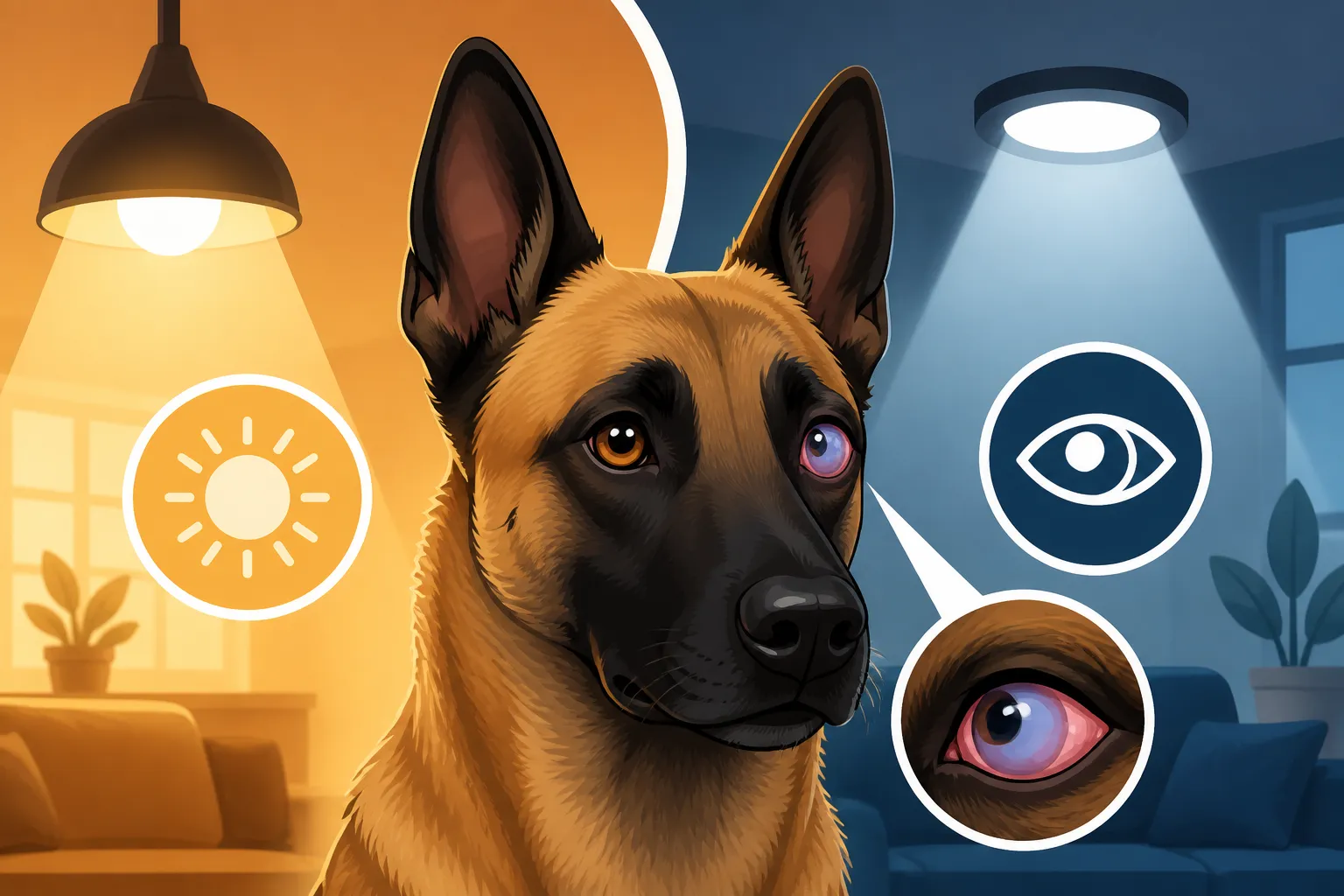
At its core, Pannus is an inflammatory condition. It starts as a reddish, fleshy growth that typically begins at the outer (lateral) corner of the eye and slowly spreads across the cornea. This growth is essentially scar tissue and blood vessels, and as it progresses, it can become pigmented, turning dark brown or black. Imagine trying to see the world through a constantly growing, dark film across your eye – that's what a Malinois with untreated Pannus might experience. Eventually, if left unchecked, this can lead to severe vision impairment or even blindness.
For Belgian Malinois, Pannus isn't just a random occurrence; it's a breed predisposition. While the exact genetic mechanisms are still being researched, it's clear that certain breeds, including German Shepherds and, yes, Belgian Malinois, are significantly more susceptible. This means that if your Malinois has been diagnosed with Pannus, you're dealing with a condition that's unfortunately woven into the fabric of the breed's health challenges. The inflammatory response that characterizes Pannus is believed to be triggered or exacerbated by exposure to UV radiation, making light management a crucial part of daily care. This is why understanding Pannus and the Sunlight That Drives It in Malinois is so important.
How UV Light Drives Pannus Progression
Ultraviolet (UV) light, specifically UVA and UVB rays, acts as a powerful catalyst for Pannus. Think of it like a sunburn for the eye, but one that doesn't heal easily and instead leads to chronic inflammation and tissue proliferation. When UV light hits the cornea of a susceptible dog, it can damage the cells, initiating an autoimmune response where the body's own immune system mistakenly attacks the corneal tissue. This ongoing attack leads to the characteristic vascularization (new blood vessel growth), infiltration of inflammatory cells, and pigmentation we see in Pannus.
While the intensity of direct sunlight outdoors is undoubtedly the primary concern, it's a common misconception that simply being indoors completely eliminates the risk. UV rays can and do pass through windows, especially older or untreated glass. Even on cloudy days, a significant amount of UV radiation can penetrate the atmosphere and, subsequently, your home. Therefore, even if your Malinois is strictly an indoor dog, if they spend a lot of time lounging by a sun-drenched window, they are still receiving a dose of UV that could be sufficient to trigger or worsen their Pannus. For dogs with active Pannus, minimizing all forms of UV exposure is key to slowing progression and making medications more effective. Effective Treating Pannus in a Belgian Malinois for Life often hinges on robust light management.
The Malinois's Unique Susceptibility and Eye Structure
Beyond the genetic predisposition to the autoimmune aspect of Pannus, the Belgian Malinois's physical characteristics might also play a role in their susceptibility to light-induced damage. Many Malinois have eyes that are set in a way that might offer less natural shading compared to breeds with deeper-set eyes or more prominent brow ridges. Their typically lighter eye colors – often amber or light brown – might also offer less inherent protection against UV radiation compared to very dark eyes. It's similar to how people with lighter eyes are often more sensitive to bright light.
Furthermore, the active, alert nature of a Malinois means they are constantly observing their surroundings, often looking out windows or engaging with light sources within the home. This isn't a breed that typically spends hours curled up in a dark corner unless they've been specifically trained or conditioned to do so. Their high drive and vigilance mean their eyes are frequently exposed to whatever light is available in their environment, making them more vulnerable if that light includes significant UV components. Understanding this inherent predisposition and their active lifestyle is critical when designing an indoor environment that protects their eyesight.
Assessing Indoor Light Sources and Their Impact
When we think of indoor lighting, we often categorize it simply as "natural" or "artificial." However, for a Malinois with Pannus, it's far more nuanced. Not all light is created equal, and even seemingly benign sources can pose a risk if not properly managed. The goal is to identify and mitigate sources of UV radiation, whether they stream in from outside or emanate from within your home.
Natural Sunlight Through Windows and Doors
This is arguably the most significant indoor light factor for dogs with Pannus. While window glass blocks most UVB rays, it's less effective at blocking UVA rays, which still contribute to eye damage and Pannus progression. Think about those sunbeams that stretch across your living room floor at certain times of day – they might feel warm and inviting, but they're delivering a consistent dose of UVA directly to any dog lounging in their path. A Malinois who loves to sunbathe on a rug by the patio door or keep watch from a front window is particularly at risk.
The amount of UV transmission can vary based on the type of glass. Single-pane windows generally allow more UV through than double-pane, and specialty low-emissivity (Low-E) or UV-coated glass offers better protection. However, unless you've specifically had UV-blocking treatments applied, assume there's a degree of UV penetration. Even skylights can be problematic, casting direct sunlight onto interior spaces. Many Malinois will naturally gravitate towards these sunny spots, unknowingly exposing their sensitive eyes. It's a natural dog behavior that, for a Malinois with Pannus, becomes a health hazard. Shade Routines for a Light Sensitive Belgian Malinois are crucial to implement here.
Artificial Lighting: LEDs, Fluorescents, and Halogens
The good news is that most modern artificial lighting poses minimal UV risk.
- LEDs (Light Emitting Diodes): The vast majority of LED lights, which are now ubiquitous in homes, emit virtually no UV radiation. They are generally considered very safe for dogs with Pannus from a UV perspective.
- Incandescent Bulbs: Traditional incandescent bulbs also produce very little UV. Their light is primarily in the visible and infrared spectrum (heat).
- Halogen Lights: Some older halogen lamps, particularly certain types used for intense spot lighting, can emit small amounts of UV. However, for standard household use, the risk is generally low, especially if they have a glass or ceramic shield.
- Fluorescent Lights: This is where you need to be a little more cautious. Older fluorescent tubes, especially compact fluorescent lamps (CFLs) without proper shielding, can emit detectable levels of UV radiation. While usually not as intense as direct sunlight, prolonged exposure at close range could be a concern for a highly sensitive dog. If your home still relies heavily on older fluorescent lighting, particularly in areas where your Malinois spends a lot of time, it's worth considering an upgrade to LED.
Reflection and Glare: Hidden Culprits Indoors
Beyond direct light, don't underestimate the impact of reflected light and glare. Bright, reflective surfaces can bounce UV rays and intense visible light into your Malinois's eyes, even if they aren't directly facing a window.
- Shiny Floors: Polished hardwood, tile, or laminate floors can create significant glare, especially when sunlight hits them.
- Mirrors and Glass Tables: These act like secondary light sources, redirecting light around the room. A Malinois might be lying in a seemingly shaded area, but if a mirror is reflecting direct sun into that spot, it negates the shade.
- Light-Colored Walls and Surfaces: While not as intense as mirrors, very light-colored walls can reflect a substantial amount of visible light, increasing overall brightness and potentially causing discomfort or stimulating the eye, even if not directly harmful with UV.
Consider the path of light in your home throughout the day. Where does the sun hit? What surfaces reflect it? Even something as simple as a stainless steel water bowl in a sunny spot could create a small, intense point of glare. Being mindful of these secondary light sources is an important part of comprehensive light management for a Malinois with Pannus.
Strategies for Managing Indoor Light Exposure
The good news is that you're not powerless against indoor light exposure. There are many effective strategies you can implement to significantly reduce the UV load on your Malinois's eyes, making their indoor environment much more comfortable and supportive of their ongoing treatment for Pannus. This often involves a combination of structural changes and smart daily habits.
Window Treatments and UV Film
Your windows are the primary conduits for natural light and, unfortunately, UV radiation. Addressing them is often the first and most impactful step.
- UV-Blocking Window Film: This is a fantastic solution. You can purchase films that block a very high percentage of both UVA and UVB rays while still allowing visible light to pass through. These films are typically applied directly to the window glass and are relatively inexpensive and easy to install yourself (many options are available on Amazon or through local hardware stores). This means your Malinois can still enjoy looking out the window, but their eyes will be much better protected.
- Heavy Curtains or Blinds: For windows where you don't need constant light, heavy, opaque curtains or blackout blinds are effective. You can simply close them during the sunniest parts of the day, or for windows that receive direct sun. This might mean adjusting your daily routine, perhaps pulling curtains in certain rooms between 10 AM and 4 PM, depending on your home's orientation.
- Awnings and Exterior Shades: If the problem is intense sun pouring into a specific window, exterior awnings or roll-down shades can be very effective at blocking light before it even enters your home. This is a more significant investment but can provide excellent, long-term protection.
By implementing these measures, you create a buffer zone against harmful UV, directly supporting your Malinois's eye health and complementing their prescribed Daily Eye Drops for a Malinois With Pannus.
Modifying Indoor Activity Zones
Your Malinois likely has favorite spots in the house. It's time to evaluate those spots through the lens of light exposure.
- Identify Sunny Hotspots: Observe your home at different times of the day. Where do the sunbeams fall? Which areas are consistently brightest? These are the zones you need to modify.
- Relocate Beds and Crates: Move your Malinois's primary resting areas – dog beds, crates, or favorite lounging spots – away from direct window light. Create cozy, shaded nooks for them. This might mean rearranging furniture or putting their crate in a quieter, darker corner of the room.
- Designated "Shade" Areas: Establish specific, low-light areas where your Malinois can retreat. This could be a corner of the living room, a bedroom, or even a section of a hallway that never gets direct sun. Encourage them to use these spots, perhaps by placing a favorite toy or a comfortable bed there. You can find durable, comfortable beds suitable for Malinois on sites like Chewy.
- Rotate Play and Training: If your Malinois enjoys playing fetch indoors or engaging in training sessions, try to schedule these activities in parts of the house with less direct light. Avoid throwing toys into bright, sunny patches. For mental stimulation that doesn't require direct light exposure, consider puzzle toys or scent work in shaded areas.
Remember, the goal is not to keep your Malinois in perpetual darkness, but to minimize their exposure to the specific wavelengths of light that trigger Pannus, without severely impacting their quality of life.
Supplements and Regular Veterinary Care
While light management is crucial, it's just one piece of the puzzle. A holistic approach that includes diligent veterinary care and supportive measures is essential for a Malinois with Pannus.
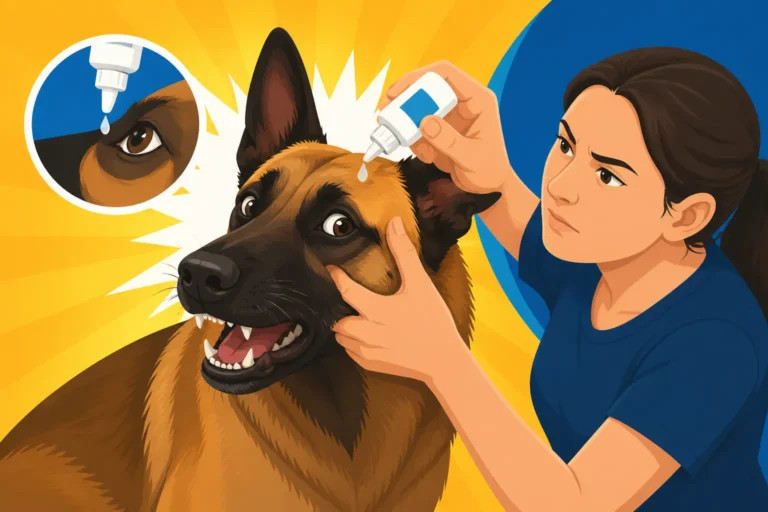
- Consistent Medication Regimen: Pannus is managed with prescribed eye drops, typically corticosteroids and sometimes cyclosporine, which suppress the immune response in the eye. Adhering strictly to your vet's prescribed schedule is paramount. Missed doses can lead to flare-ups and progression. Your vet will monitor your Malinois's eyes closely and adjust medication as needed, which is a critical part of Treating Pannus in a Belgian Malinois for Life.
- Regular Ophthalmic Check-ups: Your Malinois will need regular check-ups with your veterinarian or a veterinary ophthalmologist to monitor the progression of the disease, assess the effectiveness of treatment, and ensure there are no secondary complications. These visits are where your vet can visually assess How Far Pannus Progresses in an Untreated Malinois and tweak the plan.
- Omega-3 Fatty Acids: While not a direct treatment for Pannus, Omega-3 fatty acid supplements can support overall eye health and reduce systemic inflammation. Speak to your vet about whether a supplement is appropriate for your Malinois and what dosage they recommend. You can find high-quality fish oil or algae-based Omega-3 supplements at pet supply stores or online retailers.
- Antioxidant Support: Some vets may recommend antioxidant supplements to help protect cells from damage. Again, discuss this with your vet before introducing any new supplements.
It's a team effort between you, your Malinois, and your veterinary care provider to keep this challenging condition under control. Your indoor light strategies are a vital support to the medical treatment your dog receives.
Creating a Malinois-Friendly Indoor Environment
Beyond just blocking UV, consider the overall comfort and mental well-being of your Malinois. A high-drive dog like a Malinois needs mental and physical fulfillment, even when living with a chronic condition like Pannus. The environment you create can either add to their stress or help them thrive.
Routines and Safe Spaces
Consistency is key for a Belgian Malinois, and establishing clear routines can help them adapt to any necessary changes in their environment.
- Predictable Schedule: Maintain a predictable schedule for feeding, outdoor exercise, training, and rest. This helps your Malinois feel secure and understand what to expect, even if their favorite sunbathing spot is now off-limits.
- Designated Low-Light Zones: As mentioned earlier, having designated "safe spaces" or "shade zones" where your Malinois can comfortably relax without bright light is crucial. These should be quiet, comfortable, and consistent. Ensure these areas are truly appealing and not just dark closets.
- Enrichment in Shaded Areas: Don't let light management limit your Malinois's mental stimulation. Provide engaging puzzle toys, chews, or scent games in their low-light areas. This encourages them to utilize these spaces and associate them with positive experiences. For example, a Kong filled with frozen peanut butter or a snuffle mat with scattered kibble can keep them happily occupied in a dimmer part of the room. Sites like Amazon offer a wide array of interactive toys.
- Training for Calmness: Teaching your Malinois a strong "place" command or to settle calmly on their mat in a designated low-light area can be incredibly beneficial. This gives you a tool to direct them to a safe zone when sunlight or artificial glare becomes an issue.
A well-structured routine and clearly defined safe spaces help your Malinois manage their energy and adapt to an environment that prioritizes their eye health.
Monitoring and Adapting to Changes
Pannus is often progressive, which means what works today might need adjustment tomorrow. Vigilant observation and flexibility are vital.
- Observe Your Malinois's Eyes Daily: Make it a habit to inspect your Malinois's eyes daily. Look for any changes in the redness, vascularization, or pigmentation of the cornea. Are they squinting more? Rubbing their eyes? Do they seem more light-sensitive? Even subtle changes can indicate a need to adjust their medication or environmental management.
- Track Sun Paths: The sun's angle changes with the seasons. A window that's shaded in summer might get direct sun in winter. Periodically re-evaluate how sunlight moves through your home to ensure your protective measures are still effective throughout the year.
- Note Reactions to Artificial Light: While most artificial lights are safe, pay attention if your Malinois seems uncomfortable under certain indoor lights, especially older fluorescent fixtures. If you notice persistent blinking or avoidance, it might be worth investigating the light source further or replacing it.
- Communicate with Your Vet: Keep an open line of communication with your veterinarian. Any observed changes in your Malinois's eyes or behavior should be promptly reported. They can provide guidance on whether medication adjustments are needed or if further diagnostics are warranted. Regular check-ups are key to Eye Care on a Malinois Prone to Pannus.
Being proactive and adaptable will ensure your Malinois receives the best possible care as their condition evolves over time.
Long-term Management and Quality of Life
Living with a Malinois with Pannus is a marathon, not a sprint. The goal is to provide them with a long, happy, and functional life, despite their condition. This means balancing necessary medical and environmental management with their need for activity and engagement.
- Outdoor Protection: While this article focuses on indoor lighting, it's impossible to discuss Pannus without reiterating the importance of outdoor protection. If your Malinois works or plays outdoors, Goggles for a Belgian Malinois With Pannus are often essential. They provide a physical barrier against UV rays, even when out in bright sun.
- Mental Stimulation is Key: A Malinois thrives on having a job. Don't let Pannus deter you from providing ample mental stimulation. Scent work, obedience training in shaded areas, or engaging puzzle toys are excellent ways to keep their minds active without overexposing their eyes. A mentally fulfilled Malinois is a happier Malinois.
- Consider Lifestyle Adjustments: For highly light-sensitive dogs, you might need to adjust your own lifestyle somewhat. Perhaps you shift outdoor activities to early morning or late evening, or ensure your dog has ample shade if you're spending time outside during peak sun hours. This dedication ensures Keeping a Belgian Malinois Sound Past Twelve is a realistic goal.
- Supportive Community: Connect with other Malinois owners or owners of dogs with Pannus. Sharing experiences and tips can provide invaluable emotional support and practical advice.
Ultimately, while indoor lighting can affect a Malinois with Pannus, proactive management and a dedicated approach can significantly mitigate the risks. By understanding the triggers, modifying your home environment, and working closely with your vet, you can help your Malinois maintain good vision and enjoy a high quality of life for years to come.
| Light Source Category | UV Emission Level | Risk to Malinois with Pannus | Recommended Action |
|---|---|---|---|
| Natural Sunlight | High (UVA/UVB) | Very High | Apply UV window film, use heavy curtains/blinds, reposition beds/crates. |
| LED Lights | Negligible | Very Low | Generally safe, no specific action needed. |
| Incandescent Bulbs | Negligible | Very Low | Generally safe, no specific action needed. |
| Halogen Lights | Low (some types) | Low to Moderate | Check for UV filters; avoid close, prolonged exposure if unshielded. |
| Fluorescent Lights | Low to Moderate | Moderate | Replace older/unshielded fluorescents with LEDs, especially in high-traffic areas. |
| Reflective Surfaces | Indirect UV/Glare | Moderate | Minimize shiny floor exposure in sunny areas, reposition mirrors. |
Disclaimer
This article is for general informational purposes only and does not constitute professional advice. Laws, prices and regulations vary by location and change over time. Consult a qualified professional for guidance on your specific situation.