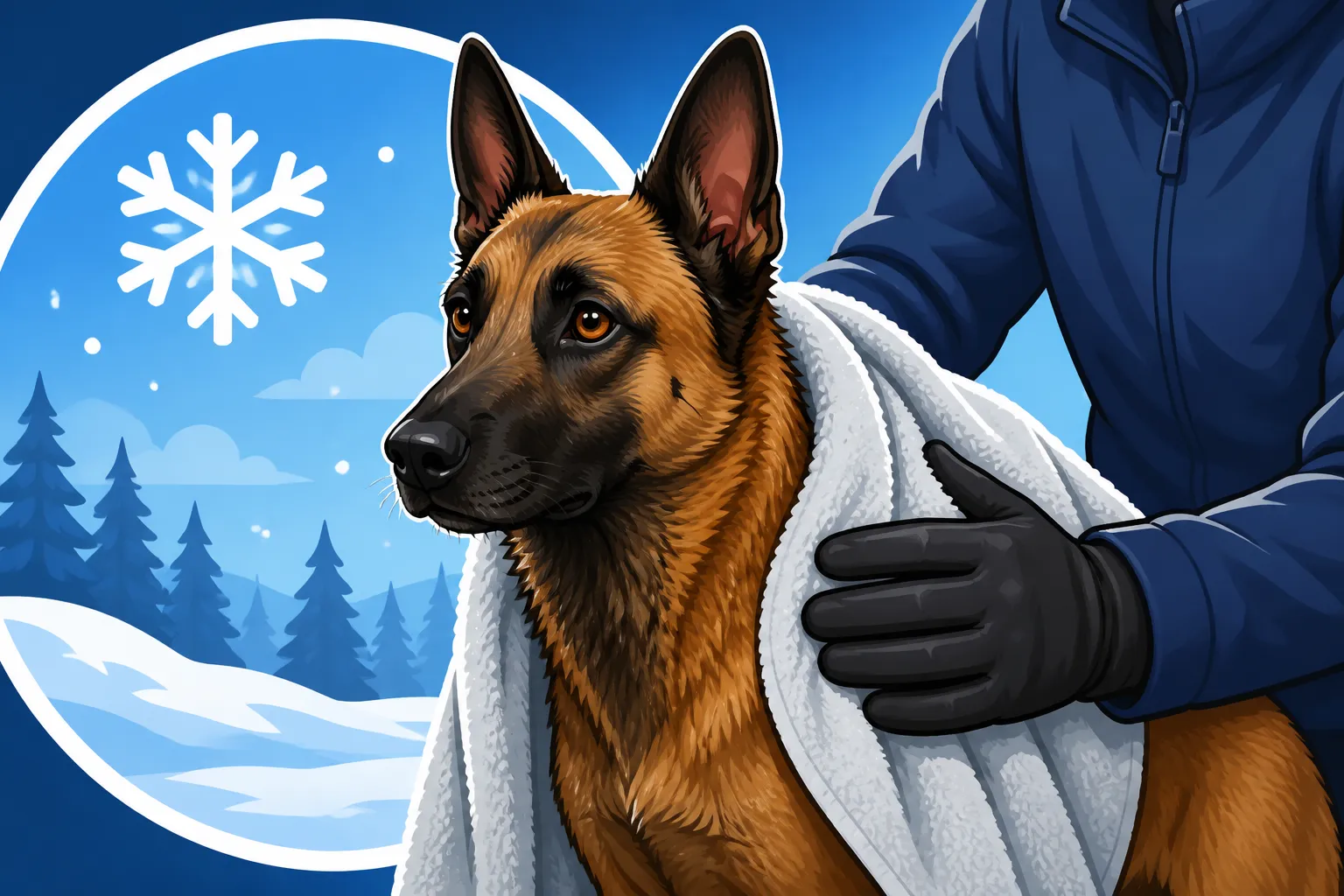
Towel Drying a Malinois in Cold Weather
There’s nothing quite like the feeling of watching your Belgian Malinois joyfully working or playing outdoors, even when the temperature drops. But that joy can quickly turn into a headache when you realize just how soaked and muddy they’ve become, and the daunting task of getting them dry before they track water and dirt through your entire house – or worse, get chilled in cold weather. This guide is all about tackling that exact frustration, offering practical, in-depth strategies for effectively towel drying your Malinois when it's cold outside, ensuring both their comfort and your sanity.
The Challenges of a Wet Malinois in Winter
Let's be honest, a wet dog is never ideal, but a wet Malinois in winter presents a unique set of challenges. Their inherent drive to be doing something often means they're not going to stand patiently for a leisurely drying session, and the cold adds a layer of genuine concern for their health.
Why Cold and Wet is a Recipe for Trouble
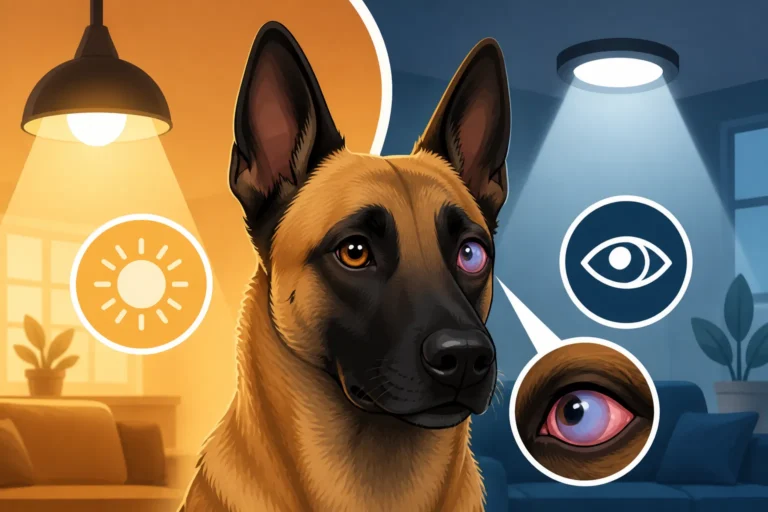
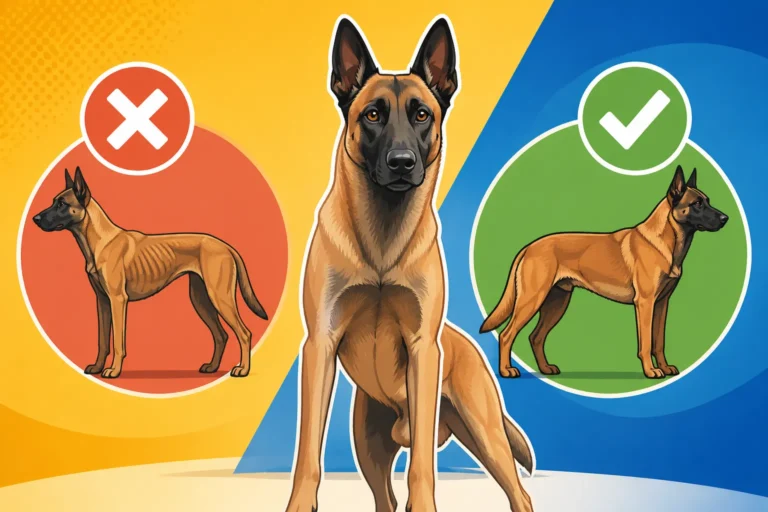
When your Malinois gets thoroughly soaked in cold weather, it's not just about a messy house; it can pose real health risks. Hypothermia is a genuine concern, especially for dogs who are working hard and then suddenly stop, or those who might be a little leaner from their rigorous training schedule. A wet coat loses its insulating properties, and the cold air, especially if it's windy, can rapidly draw heat away from their body. This isn't just an issue for extreme temperatures; even cool, damp conditions can make a dog uncomfortable and more susceptible to illness. Imagine being in wet clothes on a chilly day – it’s just miserable.
Beyond the immediate risk of chilling, persistent dampness can also lead to skin issues. Moisture trapped against the skin, particularly in areas like the armpits, groin, or between the paw pads, creates a perfect breeding ground for bacteria and yeast. This can manifest as dreaded hot spots or other uncomfortable skin infections, turning a simple wet coat into a trip to the vet. It’s a vicious cycle: the dog is uncomfortable, they might chew or lick, making the area even worse. We want our working partners to be sound, and that includes their skin and coat health.
The Malinois Coat: More Than Meets the Eye
On the surface, a Belgian Malinois's short, dense coat might seem easy to dry. Many people look at them and think, "Oh, it's not a long-haired breed, so it must be simple." But that assumption couldn't be further from the truth. The Malinois actually possesses a double coat. They have a harsh, straight, and relatively short outer coat that's designed to repel water and protect them from elements. Beneath that, they have a dense, soft undercoat that provides crucial insulation.
When this undercoat gets wet, it holds onto moisture like a sponge. The outer guard hairs do their best, but once water penetrates that initial layer, it gets trapped in the undercoat, making it incredibly difficult to truly dry down to the skin. This is especially true if your Malinois has a particularly thick undercoat, which can vary between individuals. It means that simply wiping the surface often leaves a significant amount of dampness, leading back to those chilling and skin issues we just discussed. Effective drying isn't just about surface moisture; it's about getting that undercoat properly dry. How Much a Malinois's Short Coat Actually Sheds also touches on the density of their coat.
The High-Drive Dog and the Drying Process
Now, let's talk about the elephant in the room: actually getting your Malinois to cooperate with a drying session. These are high-drive, intelligent dogs, often bred for intense work like What Bite Sport Actually Asks of a Belgian Malinois or detection. Their minds are constantly buzzing, and sitting still for an extended period, especially after an exhilarating outdoor session, isn't usually high on their priority list.
Many Malinois will see a towel as an invitation to a game of tug, a chew toy, or something to shake violently. Trying to hold them still while they squirm, try to mouth the towel, or simply attempt to escape can be incredibly frustrating. This isn't them being "bad" dogs; it's just their inherent nature. They thrive on activity and focus, and a mundane task like drying doesn't always engage them in the way they prefer. You need a strategy that considers their temperament, or you'll find yourself wrestling a very damp, very strong, very opinionated dog. This is why having a solid "place" command or Building a Malinois's Place Command is so incredibly valuable.
Essential Tools and Techniques for Effective Towel Drying
To truly conquer the wet Malinois in cold weather, you need to approach it with the right mindset, the right tools, and a systematic approach. It's not just a quick rub; it's a process.
Choosing the Right Towels
The towels you use make a world of difference. Forget your old bath towels; while they'll do in a pinch, they often don't have the absorbency needed for a Malinois's dense coat.
- Microfiber Towels: These are absolute game-changers. Microfiber is incredibly absorbent, often holding several times its weight in water, and it dries quickly itself. Look for large, thick microfiber towels designed for pets. They have a higher surface area and capillary action that pulls moisture away from the fur much more efficiently than cotton. You can find excellent multi-packs of these on Amazon or at pet supply retailers like Chewy.
- Cotton Towels: While not as efficient as microfiber, heavy-duty cotton bath towels are still useful, especially for the initial blot. Just be prepared to use many of them. The key is thickness and size; flimsy hand towels won't cut it.
When choosing, aim for towels that are large enough to comfortably wrap around your Malinois's body. Having at least 3-4 high-quality towels is recommended, with a mix of microfiber and cotton for different stages of the drying process. Think of it as an assembly line, with each towel doing a specific job.
The Art of the Initial Blot and Squeeze
The first pass with a towel is crucial for removing the bulk of the water. This isn't about rubbing vigorously, which can actually mat the fur and make it harder to dry. Instead, focus on blotting and squeezing.
- Start from the Top Down: Begin with the head, ears (inside and out, gently!), and neck. These areas often get overlooked, but a wet head can lead to uncomfortable ear infections or simply make your dog feel colder.
- Blot, Don't Rub: Drape a large towel over a section of your dog's body (like the back or chest) and gently press down, absorbing as much water as possible. Move to a dry section of the towel and repeat.
- Squeeze the Legs and Tail: For the legs and tail, use the towel to gently squeeze the water out of the fur, working from the top of the limb down towards the paws. This helps to mechanically remove excess water.
- Target the Underside: The belly and chest often collect a lot of water, especially if your Malinois has been running through puddles or snow. Lift their leg or gently encourage them to lie down if they're cooperative, and thoroughly blot these areas.
This initial phase will leave your first towel quite saturated, but it will have removed a significant amount of water, making the subsequent steps much easier and faster. Don't be afraid to discard a soaked towel and grab a fresh, dry one for the next stage.
The Power of Multiple Towels
This is where the multi-towel strategy really shines. After the initial heavy blotting with your first towel, move on to a second, drier towel for more refined drying.
The second towel should be used to get deeper into the coat. Instead of just pressing, you can now use a gentle rubbing motion, always going with the grain of the fur first, then perhaps against it lightly to lift the undercoat and allow air to circulate. Pay special attention to the dense areas around the neck ruff, the thick fur on their hindquarters, and their paws. Paw pads, in particular, can hold a surprising amount of moisture and are prone to irritation if left damp.
If you have a third or fourth towel, these can be used for a final pass, targeting any remaining damp spots. Think of it as polishing. The goal is to get your Malinois feeling almost dry to the touch. The more water you can remove with towels, the less work for air drying and the lower the risk of chilling or skin issues. It also significantly cuts down on the damp dog smell that can quickly permeate your home.
| Towel Type | Absorbency Level | Drying Speed (Towel Itself) | Best Use Case | Pros | Cons |
|---|---|---|---|---|---|
| Microfiber | Very High | Fast | Bulk water removal, deep coat drying, polishing | Extremely efficient, gentle on coat, holds lots of water | Can be more expensive initially, may feel "grabby" on dry skin |
| Thick Cotton | Medium-High | Medium | Initial blotting, general drying if many are used | Readily available, familiar feel, durable | Less efficient than microfiber, can take longer to dry the dog |
| Thin Cotton | Low | Fast | Face wipes, quick paw drying | Lightweight, quick to wash | Ineffective for full body drying, quickly saturates |
Beyond the Towel: Advanced Drying Strategies for Cold Weather
While towels are your first line of defense, sometimes you need a little extra help, especially when the weather is truly frigid or your Malinois has had a particularly intense, wet outing.
Air Dry vs. Forced Air
Once you’ve towel-dried your Malinois as much as possible, you have a couple of choices for the final stage.
- Air Drying (with caution): In a warm indoor environment, air drying can work, but it's important to ensure your Malinois isn't left in a drafty spot or where they might get cold. This is not recommended if they are still significantly damp and the house is cool. Air drying is best for removing residual dampness after a very thorough towel dry. Make sure they are active enough to generate some body heat or in a warm, comfortable spot.
- Forced Air Drying (Dog-Specific Dryers): This is often the most effective and safest method, particularly for cold weather. Investing in a dog-specific high-velocity forced air dryer is a game-changer. These are not human hair dryers, which get too hot and can burn your dog's skin. Dog dryers use powerful, cool or lukewarm air to literally blast water out of the coat, drying them quickly and efficiently down to the skin. They also help to deshed the undercoat, which is a bonus, especially during The Two Week Stretch When a Malinois Drops Coat. Brands like K9-II or Air Force Blaster are popular among working dog handlers.
If using a forced air dryer, introduce it slowly and positively. Many Malinois are sensitive to sound, so start with low settings and reward calm behavior. It might take a few sessions for them to get used to the noise and sensation. Always keep the nozzle moving and never direct the air at their face or sensitive areas for too long.
Safe Spaces for Post-Towel Drying
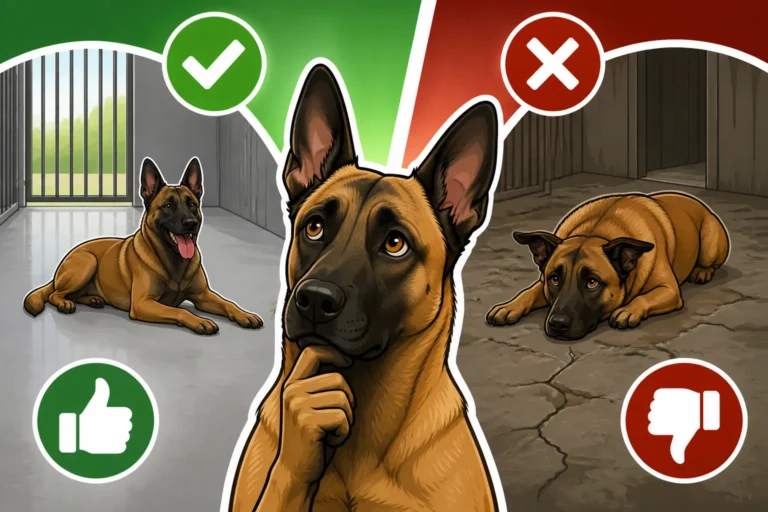
Where your Malinois finishes drying is almost as important as how. You need a designated warm, safe space.
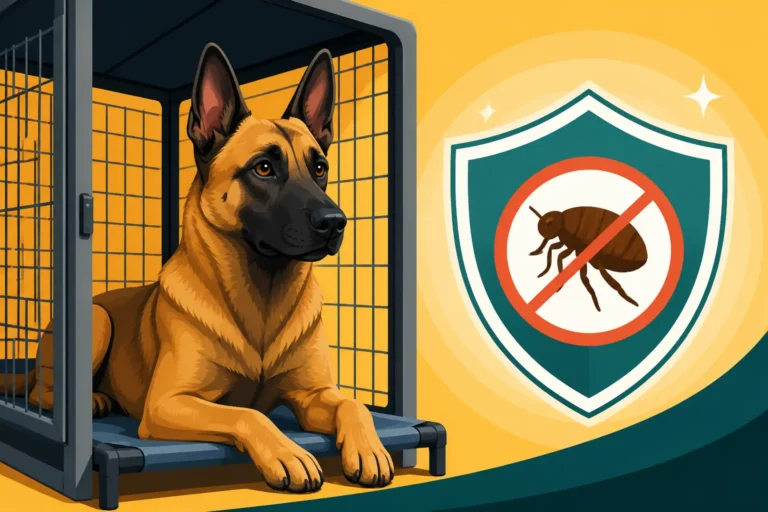
- Crate Drying: For dogs that are comfortable in a crate, this can be an excellent option. Place a thick, absorbent towel or a chew-proof bed (like one from Ollie's line of durable bedding, though be sure to check current offerings) in the bottom of the crate. If using a forced air dryer, you can direct the airflow into the crate, making sure to monitor the temperature inside carefully to prevent overheating. Never leave them unattended with a running dryer pointed at the crate. This method helps contain any residual dampness and loose hair.
- Warm Room/Utility Room: If you have a bathroom, laundry room, or utility space that can be easily warmed and cleaned, this can be an ideal spot. Shut off drafts, perhaps even run a space heater (safely, away from anything flammable and out of reach of your dog) to get the room cozy. Provide a comfortable bed or mat. This allows them to finish air drying naturally in a controlled, warm environment, minimizing mess and chilling. Consider also providing them with a sturdy chew toy or a stuffed Kong to keep them occupied and settled during this time. Keeping an old Belgian Malinois mentally busy is crucial, even when drying.
The key is to prevent them from dashing outside again or lying down on a cold, hard floor while still damp.
Supplemental Drying Aids
Beyond just towels and blow dryers, there are other tools that can assist in the drying process, making it faster and more comfortable for your Malinois.
- Dog Drying Robes: These specialized robes, often made of highly absorbent microfiber, can be a great addition. After a vigorous towel dry, you can put one of these robes on your Malinois. It acts like a wearable towel, continuing to wick moisture away from their coat while they're moving around or settling down. This is particularly useful for those high-energy dogs who refuse to stay still for long. It helps trap body heat, further preventing chilling. Look for options with good coverage, including a hood for their neck and ears.
- Absorbent Floor Mats: Place these strategically at entry points or in your drying area. They help catch drips and mud, reducing the spread of mess while your Malinois is still damp. These are often made with deep pile fibers designed to trap dirt and moisture.
- Dog Boots: While not directly for drying, if your Malinois frequently comes in with soaking wet or muddy paws, boots can prevent that initial saturation. This reduces the amount of drying needed for those specific areas, especially after Pad Injuries on a Belgian Malinois in Training or walks on rough terrain.
Preventing the Problem: Managing Exposure in Cold Weather
The best way to deal with a wet Malinois in cold weather is to try and minimize how wet they get in the first place. Sometimes it's unavoidable, but often, strategic planning can help.
Strategic Outdoor Sessions
It’s not always about avoiding the cold entirely, but being smart about how your Malinois engages with it.
- Choose Your Timing: If possible, schedule outdoor activities for the warmest part of the day, when the sun is out, reducing the chill factor.
- Avoid Deep Snow/Puddles When Possible: While a Malinois will often find the deepest puddle or snowdrift to roll in, if you're just doing a quick potty break, try to steer them clear of excessively wet areas. For serious training or exercise, this might not be feasible, but for routine outings, it can save you significant drying time. The Temperature a Belgian Malinois Should Not Train In is a good read if you're concerned about extreme conditions.
- Focused Work: If you’re doing something like Tracking Training Involves for a Belgian Malinois, where they're in wet grass or snow, be mindful of the duration. Break up sessions if necessary to allow for quick towel-offs or warm-up breaks. Remember, a Malinois loves to work, but even they have limits in extreme conditions.
Protective Gear for Extreme Conditions
For some Malinois, especially those with shorter coats, or in truly harsh winter conditions, protective gear can be invaluable.
- Dog Coats/Sweaters: A well-fitting, waterproof or water-resistant dog coat can keep your Malinois's core body dry and warm during outdoor excursions. Look for coats that don't restrict movement, especially if your dog is actively working. This is particularly beneficial for older or leaner Malinois who might feel the cold more. Whether an Old Belgian Malinois Feels the Cold explores this further.
- Paw Protection: As mentioned, dog boots can keep paws dry and protect them from ice, salt, and abrasive surfaces. This is a common practice for working dogs in cold climates and helps prevent discomfort and injury.
It's about finding the balance between allowing your Malinois to enjoy their activities and safeguarding them from the elements.
Quick Clean-Ups for Muddy Paws and Bellies
Not every wet encounter requires a full-body drying marathon. Sometimes, it’s just localized wetness and mud.
- Dedicated Paw Towels: Keep a stack of small, absorbent towels (microfiber again is great) near every entry point to your home. Train your Malinois to wait at the door for a quick paw wipe before they come inside. Consistency is key here.
- Waterless Shampoo/Wipes: For minor mud or dampness on legs and bellies, waterless shampoo or pet wipes can be incredibly useful for a fast clean-up without re-wetting the dog. This helps remove dirt and can refresh their coat without the need for a full bath or extensive drying.
- The "Mud Room" Approach: If you have a garage, mudroom, or enclosed porch, designating it as a "decontamination zone" can save your house from a lot of mess. Have all your drying supplies, brushes, and even a forced-air dryer ready in this area. This teaches your Malinois that this is where they get cleaned up before entering the main living space, reinforcing good habits.
By being proactive and having the right tools and strategies at hand, drying your Belgian Malinois in cold weather doesn't have to be a monumental struggle. It becomes a routine that benefits both your dog's health and your home's cleanliness.
Disclaimer
This article is for general informational purposes only and does not constitute professional advice. Laws, prices and regulations vary by location and change over time. Consult a qualified professional for guidance on your specific situation.