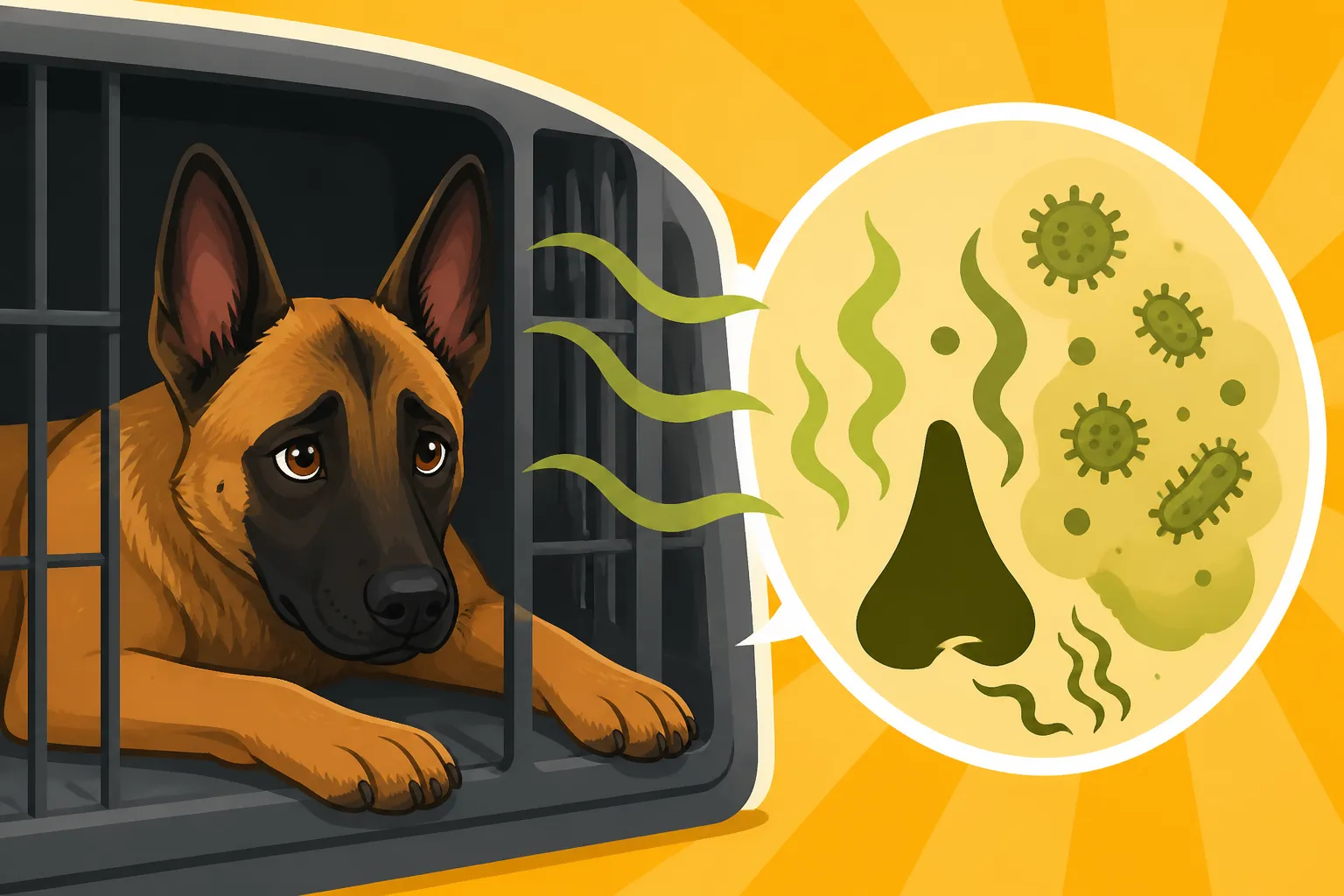
Why a Kenneled Malinois Develops an Odor
There's nothing quite like the unique, pungent aroma that can sometimes emanate from a kenneled Belgian Malinois, and if you're experiencing it, you're certainly not alone in your frustration. Many owners find themselves asking why their highly active, seemingly clean dog suddenly develops a distinct "kennel smell" after spending time in their enclosure. This guide will walk you through the various culprits behind this persistent odor and, more importantly, offer practical, actionable strategies to keep your Malinois—and their living space—smelling fresh and clean.
Understanding the Sources of Kennel Odor in Any Dog
Before we dive into the specific nuances of the Belgian Malinois, it's helpful to understand the general reasons why any dog, especially one spending time in a kennel or crate, might start to develop an undesirable smell. It's often a combination of environmental factors, natural biological processes, and sometimes, underlying health concerns that contribute to this particular scent profile. This isn't just about a dirty dog; it's about the unique microenvironment created within a confined space.
Environmental Contributors to Odor Buildup
A kennel, by its very nature, is a contained area. When a dog spends a significant amount of time in it, everything from their shed hair and dander to their natural oils and even residual waste can contribute to a developing odor. Think about it: a dog's natural shedding cycle means that dead hair and skin cells accumulate rapidly. These organic materials are perfect breeding grounds for bacteria, which are the real culprits behind many unpleasant smells. If the kennel isn't cleaned frequently and thoroughly, these bacteria multiply, and the odor intensifies.
Beyond the dog's own contributions, the materials of the kennel itself can hold onto smells. Porous surfaces, certain types of plastics, or even fabric bedding can absorb odors over time. Imagine a blanket that's been in a kennel for a few days—it starts to retain that musky dog scent. Humidity levels can also play a role; a damp, poorly ventilated kennel can exacerbate odors, preventing them from dissipating and encouraging bacterial growth. This is why a simple wipe-down often isn't enough to combat deep-seated smells.
Skin and Coat Factors in a Confined Space
Every dog has natural oils in their skin and coat that help protect it and keep it healthy. However, these oils can, when left undisturbed and confined, develop a distinct scent. In a kenneled environment, air circulation around the dog's body might be limited, especially if they're lying down for long periods. This can mean these natural oils and any environmental debris (like dust or dirt they pick up) have nowhere to go but to sit on the coat. Combine this with normal shedding, and you have a recipe for a "stale" smell.
Furthermore, dogs sweat through their paw pads and have scent glands in various locations. While not sweating like humans, they release pheromones and other compounds that contribute to their unique smell. In a small space like a kennel, these odors become concentrated. If a dog has any minor skin irritations, small cuts, or even just some trapped moisture, these areas can quickly become hotbeds for bacterial or yeast growth, producing a much stronger, more unpleasant odor that a short coat, like a Malinois's, might not effectively mask.
Dietary Influences and Digestive Health
What goes in, often affects what comes out—and we're not just talking about waste. A dog's diet plays a significant role in their overall body odor and even the smell of their breath and flatulence. If your Malinois is on a diet that doesn't quite agree with them, or if it's high in certain ingredients that cause digestive upset, the results can be noticeable in the form of gas or even skin issues. For instance, some dogs can be sensitive to particular protein sources or grains, leading to skin inflammation, excessive oil production, or dry, flaky skin, all of which can contribute to a stronger, more unpleasant smell.
A healthy gut directly correlates with healthy skin and a healthy immune system. If a dog's digestive system is out of whack, it can manifest externally. You might notice your Malinois has softer stools, which can adhere to their coat around the hindquarters, adding to the kennel odor. Or, an imbalanced gut microbiome could lead to yeast overgrowth on the skin. Considering high-quality food from brands like Ollie, which offers fresh, human-grade ingredients, might improve overall gut health and, by extension, reduce some of these diet-related odors. Consulting with your vet or a canine nutritionist about your dog's specific dietary needs can make a world of difference. The Protein a Working Malinois Actually Needs is a great read on this topic.
Specific Malinois Traits and Why They Amp Up the Smell
The Belgian Malinois is a remarkable breed, known for its intelligence, intense drive, and lean, athletic build. However, some of these very traits, combined with their unique physiology, can make them particularly susceptible to developing that noticeable kennel odor. It’s not that they are inherently "smellier" than other dogs, but rather that their lifestyle and physical characteristics can amplify common odor issues if not properly managed.
The Malinois Coat: More Than Meets the Eye
At first glance, the short, dense coat of a Belgian Malinois might seem easy to maintain, and many owners assume it doesn't shed much or hold onto smells like a long-haired breed. This couldn't be further from the truth. While the individual hairs are short, a Malinois has a double coat with a surprisingly thick, insulating undercoat. This undercoat can trap dead hair, dander, dirt, and moisture close to the skin. When left in a confined space like a kennel, these trapped particles and moisture create a warm, humid environment perfect for bacterial growth and the concentration of natural body oils. You might be surprised by How Much a Malinois's Short Coat Actually Sheds.
Furthermore, the Malinois coat is designed for protection in various environments, meaning it's quite efficient at shedding water and debris. However, if your dog gets wet – whether from rain, sweat, or a quick swim – and then goes into a kennel without being thoroughly dried, that trapped moisture can lead to a musty, mildew-like smell. This is especially true if the undercoat isn't allowed to air out completely. Regular brushing, even for their short coat, is crucial to remove dead hair and dander, improving air circulation to the skin and reducing the build-up of odor-causing elements.
High Drive and Stress: A Recipe for Stronger Scent
Belgian Malinois are high-energy, high-drive dogs. This isn't just a mental trait; it affects their physical output significantly. When a Malinois is working, training, or even just experiencing high levels of excitement or stress, their body temperature can rise, and they will naturally produce more body oils and sweat-like secretions. These secretions, when combined with bacteria on the skin, contribute to a stronger body odor. Think of it like a human athlete after an intense workout – there’s a distinct smell. For a Malinois, this happens almost daily due. Soft Stools in a Malinois Under Training Stress can also contribute, as digestive upset adds to the overall scent profile.
Stress, whether from being kenneled for too long, lack of adequate mental and physical stimulation, or separation anxiety, can also play a direct role. Dogs, like humans, can emit different scents when stressed. These stress pheromones, while not always unpleasant to us directly, can mix with other odors and create a more pronounced, sometimes sharper, kennel smell. Additionally, stressed dogs might groom themselves excessively or, conversely, neglect grooming, leading to further skin and coat issues that contribute to odor. Ensuring your Malinois gets enough appropriate exercise and mental work before being kenneled can help mitigate stress-related odors.
Activity Levels and Their Impact on Hygiene
A Malinois is rarely a couch potato. Their intense activity levels, whether in working roles, sport, or just daily life, mean they are constantly exposed to various environments. They run through fields, roll in dirt, play in water, and interact with all sorts of surfaces. All these activities contribute to dirt, dust, and environmental allergens accumulating on their coat. If your Malinois comes in from a training session covered in dust and then goes straight into their kennel, that dust, mixed with body oils and moisture, quickly turns into a potent source of odor.
Consider a working Malinois that might be tracking through different terrains or engaging in bite work. They’re getting dirty, sometimes damp, and exerting a lot of physical effort. Simply towel-drying them might not remove all the accumulated grime and sweat. This persistent interaction with the environment, combined with their intense physical output, means they require a more rigorous hygiene routine than a less active dog. Neglecting this routine, especially when they spend time in a kennel, guarantees a stronger smell will develop.
Practical Strategies for Odor Management and Prevention
Dealing with kennel odor in a Belgian Malinois requires a multi-faceted approach. It's not just about one quick fix, but rather a consistent routine that addresses environmental cleanliness, the dog's personal hygiene, and even their internal health. By implementing these strategies, you can significantly reduce, if not eliminate, that pervasive "kennel smell."
Implementing a Consistent Cleaning and Grooming Routine
This is probably the most crucial step. For a Malinois, "consistent" means frequent and thorough.
Kennel Cleaning:
- Daily Wipe-Downs: At a minimum, the kennel should be wiped down daily. Use a pet-safe cleaner, ideally one that neutralizes odors rather than just masking them. Products containing enzymes are excellent for breaking down organic matter that causes smells.
- Weekly Deep Clean: Once a week, the kennel needs a deep clean. This means removing all bedding and toys, scrubbing the entire kennel (floor, walls, bars) with a strong, pet-safe disinfectant, and letting it dry completely. For hard plastic or metal kennels, a hose-down with a pressure washer or strong nozzle followed by scrubbing can be very effective. Don't forget to clean under and around the kennel if it's in a larger run.
- Bedding: All bedding should be washed frequently – at least once a week, but more often if your Malinois is particularly active or prone to getting dirty. Use a hypoallergenic, unscented detergent to avoid irritating your dog's skin. You can find durable, washable kennel beds and blankets on platforms like Chewy or Amazon.
Dog Grooming:
- Brushing: Even with their short coat, your Malinois benefits immensely from daily brushing. A good deshedding tool or a rubber curry brush can help remove loose hair and dander, stimulating the skin and distributing natural oils. This prevents matting in the undercoat and improves air circulation. Living With Belgian Malinois Hair Everywhere highlights the shedding reality.
- Bathing: While Malinois don't need frequent baths, a bath every 4-6 weeks, or after particularly dirty adventures, can be very helpful. Use a high-quality dog shampoo designed for sensitive skin. Make sure to rinse thoroughly to prevent residue that can irritate the skin and attract dirt. If your Malinois protests bathing, checking out Washing a Malinois That Hates Standing Still might offer some good tips. For specific issues, a medicated shampoo recommended by your vet can help, as discussed in Medicated Shampoo for an Itchy Malinois.
- Paw and Ear Care: Don't forget their paws and ears. Regularly clean their paw pads, especially if they've been on dirty or dusty terrain. Their erect ears typically get good airflow, but a quick check and clean with a vet-approved solution once a week can prevent odor-causing yeast or bacterial infections. Ear Cleaning on a Malinois That Objects can be a useful resource here.
- Dental Hygiene: Bad breath can contribute to overall kennel odor. Regular tooth brushing or dental chews can help keep their mouth fresh.
Optimizing the Kennel Environment for Freshness
Beyond cleaning, how you set up and manage the kennel environment can make a big difference in preventing odors.
- Ventilation: Good airflow is key. If the kennel is indoors, ensure it's in a well-ventilated area, perhaps near a window or with a fan running (safely, not directly on the dog). For outdoor kennels, design or position it to allow for cross-breezes while still protecting from harsh weather. Stagnant air allows odors to linger and intensify.
- Material Choice: Consider the materials of your kennel and accessories. Stainless steel or high-quality non-porous plastics are easier to clean and less likely to absorb odors than some wooden or fabric kennels. Look for bedding made from quick-drying, antimicrobial materials.
- Odor Absorbers: Activated charcoal bags or baking soda in open containers (placed safely out of your dog's reach) can help absorb ambient odors in the kennel area. There are also commercial pet-safe odor eliminators you can spray, but always check ingredients carefully.
- Sunlight and Fresh Air: Whenever possible, allow the kennel and bedding to air out in direct sunlight. UV rays are natural disinfectants and can help kill odor-causing bacteria. Just be mindful of heat and ensure your Malinois has ample shade and water if they are outside in the sun.
Dietary Adjustments and Supplementation
As mentioned earlier, what your Malinois eats directly impacts their body chemistry and digestive health, both of which influence odor.
- High-Quality Diet: Feeding a premium, balanced diet is paramount. Avoid foods with excessive fillers, artificial ingredients, or common allergens that might cause skin issues or digestive upset. Brands like Ollie, known for their fresh, real food ingredients, can sometimes lead to improvements in coat health and reduced body odor for some dogs. You can also find a wide range of high-quality kibbles on Chewy.
- Probiotics and Prebiotics: If your Malinois has recurring digestive issues, loose stools, or excessive gas, a probiotic supplement can help rebalance their gut flora. A healthy gut often leads to healthier skin and a reduction in odors related to poor digestion. Whether a Probiotic Settles a Malinois's Gut can provide more detail.
- Omega Fatty Acids: Supplements rich in Omega-3 and Omega-6 fatty acids (like fish oil) can significantly improve skin and coat health, reducing dryness, flakiness, and excessive oiliness that can contribute to odor. Many high-quality dog foods include these, but supplementation might be beneficial.
- Hydration: Ensure your Malinois always has access to fresh, clean water. Good hydration supports all bodily functions, including healthy skin and efficient waste elimination.
By diligently applying these strategies, you’ll be well on your way to a fresher-smelling Malinois and a more pleasant kennel environment. The Kennel Size a Belgian Malinois Needs and Whether a Belgian Malinois Should Live Indoors are also helpful resources for providing the best living conditions.
When a Malinois's Odor Signals a Deeper Issue
While a certain level of "dog smell" is normal, especially in an active, kenneled Malinois, a sudden, strong, or particularly foul odor can be a red flag. It's crucial to distinguish between a normal, manageable kennel scent and an odor that indicates an underlying health problem. Ignoring these signs can lead to more serious conditions for your high-drive companion.
Recognizing Signs of Skin Infections and Allergies
One of the most common causes of truly foul body odor in dogs is a skin infection, often exacerbated by allergies. Belgian Malinois, like many breeds, can develop environmental allergies (atopy) or food sensitivities. When their skin is irritated by allergens, they might scratch, lick, or chew excessively, damaging the skin barrier. This creates an open invitation for bacteria and yeast to move in and proliferate, leading to infections that produce a strong, often yeasty or musty smell. You might notice:
- Persistent Itching and Scratching: More than just an occasional scratch, this is relentless itching.
- Redness and Inflammation: The skin might look red, inflamed, or even thickened in areas.
- Hair Loss: Patchy hair loss can occur due to constant scratching or the infection itself.
- Greasy or Flaky Skin: The coat might feel greasy, or you might see flakes similar to dandruff.
- Hot Spots: These are moist, red, painful lesions that can develop rapidly from self-trauma, often smelling quite bad. Hot Spots on a Malinois After Water Training delves into this.
- Specific Locations: Often, these issues appear in skin folds, armpits, groin, or between the toes.
If you suspect a skin infection or allergy, it's vital to seek veterinary attention. Your vet can diagnose the specific issue and prescribe appropriate treatments, which might include antibiotics, antifungals, medicated shampoos, or allergy management strategies. Addressing Atopy in a Belgian Malinois is key to resolving these chronic issues.
Identifying Dental Problems and Ear Infections
Beyond skin, other common areas can harbor odor-causing problems.
- Dental Disease: Bad breath (halitosis) can be a significant contributor to overall body odor, especially in a kenneled dog where the scent is concentrated. Dental disease, ranging from plaque and tartar buildup to gum infections and abscesses, is rampant in dogs. If your Malinois has particularly foul breath that isn't just "doggy," it's time for a dental check-up. Infected teeth can cause severe pain and also lead to systemic health issues.
- Ear Infections: While Malinois typically have erect ears that allow for good airflow, they can still get ear infections. These are often caused by bacteria or yeast, sometimes triggered by allergies, moisture, or foreign bodies. An infected ear will typically have a strong, sweet, or yeasty odor, sometimes accompanied by discharge, redness, swelling, or excessive head shaking and scratching at the ear. Even with erect ears, regular cleaning is good preventative care.
Both dental and ear issues require veterinary diagnosis and treatment. Trying to treat them at home without a proper diagnosis can lead to worsening conditions and prolonged discomfort for your Malinois.
When to Consult Your Veterinarian About Persistent Odor
If you've implemented all the practical cleaning and grooming strategies, optimized the kennel environment, and ensured a high-quality diet, but a strong, unusual, or persistent odor remains, it's definitely time to schedule a vet visit. Don't delay, as early intervention can prevent minor issues from becoming major health problems.
Here’s when you should be particularly concerned and seek professional advice:
- Sudden Onset of Foul Odor: If your Malinois suddenly develops a really strong, unpleasant smell without an obvious cause (like rolling in something stinky).
- Odor Accompanied by Other Symptoms: Any smell combined with itching, redness, discharge (from ears, eyes, or skin), limping, lethargy, changes in appetite or thirst, or behavioral changes.
- Localized Odor: If the smell seems to be coming from a specific area – perhaps around the hindquarters, ears, mouth, or a particular patch of skin. This can indicate a localized infection or issue.
- Yeasty or Sweet Smell: Often indicative of yeast overgrowth on the skin or in the ears.
- Fishy Smell: Can sometimes indicate anal gland issues, especially if your dog is scooting or licking their rear end.
- Persistent Bad Breath: Beyond typical dog breath, a truly foul smell from the mouth could mean dental disease or even internal issues.
Your veterinarian will conduct a thorough physical examination, potentially taking skin scrapes, ear swabs, or blood tests to get to the root cause of the odor. They might also discuss your Malinois's overall health, activity levels, and diet to pinpoint any contributing factors. Addressing the underlying issue is the only way to truly eliminate the odor and ensure your Malinois is healthy and comfortable.
Disclaimer
This article is for general informational purposes only and does not constitute professional advice. Laws, prices and regulations vary by location and change over time. Consult a qualified professional for guidance on your specific situation.