Atopy in a Belgian Malinois
There's nothing quite as heartbreaking as watching your incredibly driven Belgian Malinois, a dog built for intense work and focus, become utterly distracted and miserable by an incessant itch. If you’ve noticed your Malinois constantly scratching, licking, or developing red, irritated skin, you might be dealing with atopy – a common but often frustrating allergic skin condition. This guide will walk you through what atopy is, how to spot it, and the best ways to manage it, helping you bring much-needed relief to your canine partner.
What is Atopy and Why Malinois Get It
Atopy, or atopic dermatitis, is a chronic, inflammatory skin disease caused by an allergic reaction to common environmental allergens like pollen, dust mites, and molds. For a breed as robust and active as the Belgian Malinois, developing such a seemingly "soft" condition can be particularly disheartening for owners who expect peak performance and resilience. It's not a sign of weakness in your dog or poor care on your part; rather, it’s a complex condition often rooted in genetics.
Genetics and Environmental Triggers
The core of atopy lies in an inherited predisposition. This means that if your Malinois has atopy, it’s likely something they inherited from their parents, making them genetically more susceptible to developing these allergic reactions. It's incredibly frustrating when you’ve done everything right—feeding a high-quality diet, providing ample exercise, and ensuring good hygiene—only to see your dog suffer from persistent itching. While Belgian Malinois aren't alone in this, they, like several other breeds, appear to have a higher prevalence, which can make managing a working dog even more challenging when their focus is constantly broken by an itch.
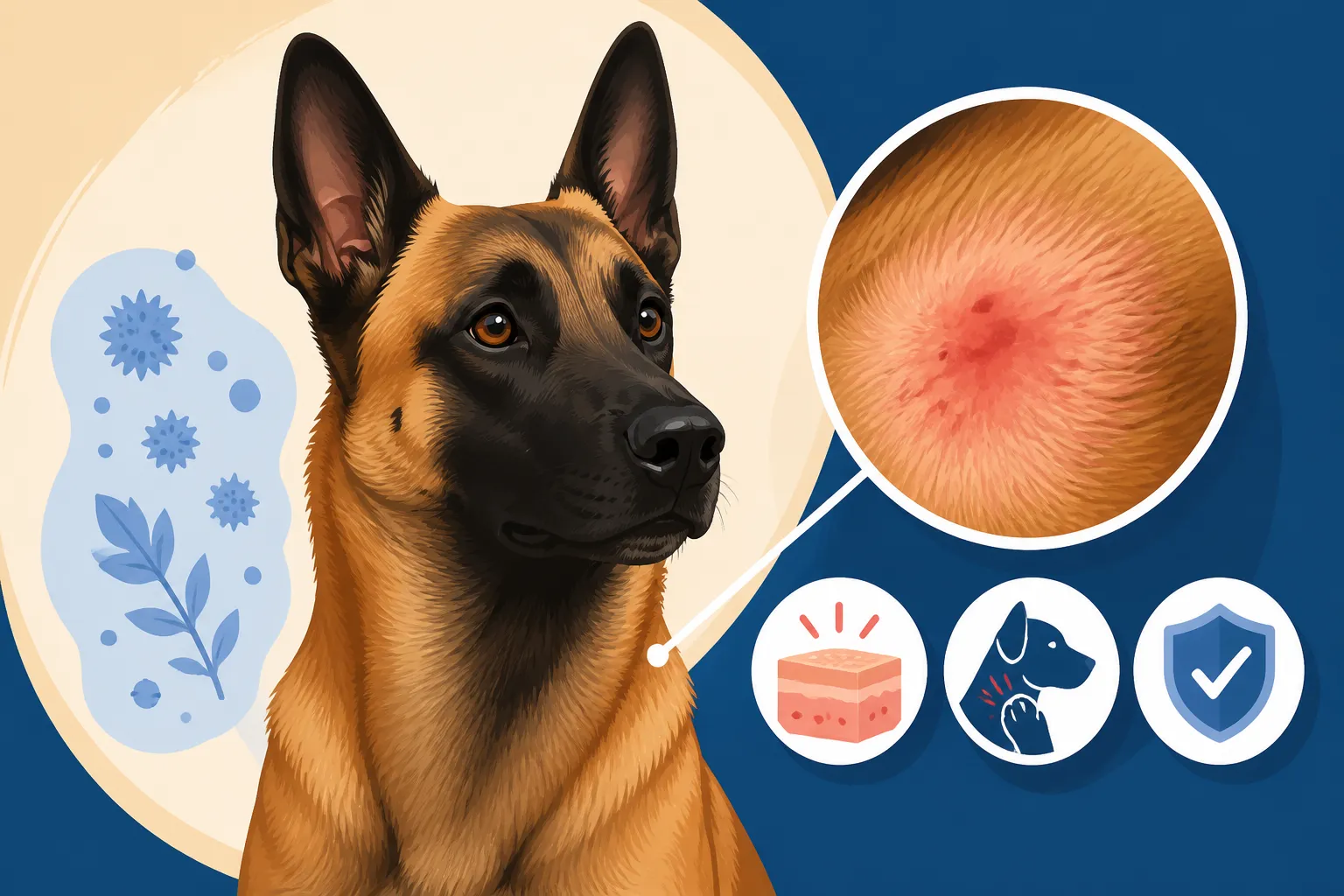
Environmental allergens are the usual suspects that trigger the allergic response. Think of common culprits like tree and grass pollens, house dust mites, and various molds. You might notice your Malinois's symptoms worsen during specific seasons, such as spring when pollen counts are high, or perhaps after they’ve spent time in a dusty environment. This sensitivity isn't something your Malinois chooses; their immune system simply misidentifies these harmless particles as threats, leading to an overblown defensive reaction. Understanding that this is largely out of your control can help alleviate some of the guilt or confusion many owners experience when faced with a chronic condition like atopy.
The Allergic Reaction Explained
When an atopic Malinois is exposed to these environmental allergens, their immune system goes into overdrive. Instead of simply ignoring substances like pollen, it mounts an aggressive defense, releasing chemicals that cause inflammation, particularly in the skin. This inflammation leads to the hallmark symptoms of atopy: redness, swelling, and, most notably, intense itching. It's a vicious cycle where exposure leads to itch, itch leads to scratching, and scratching further damages the skin.
Compounding this issue, many atopic dogs, including Belgian Malinois, have a compromised skin barrier. Think of healthy skin as a strong, protective wall that keeps irritants out and moisture in. In dogs with atopy, this wall is often "leaky," allowing allergens to penetrate more easily and moisture to escape, making the skin even more vulnerable to inflammation and irritation. This weakened barrier can be a significant factor in why a Malinois with atopy might suffer more severe or persistent symptoms, as their skin is less equipped to defend itself against the constant barrage of environmental triggers. This compromised skin barrier can also make your Malinois more vulnerable to secondary infections, which further complicate the picture.
Recognizing the Signs of Atopy in Your Malinois
Spotting atopy in a Belgian Malinois can sometimes be tricky because their high pain tolerance and drive might mask the initial discomfort. However, persistent scratching, licking, and skin changes are clear indicators that something is amiss. It’s crucial to observe your dog closely and understand the common presentation of this condition to seek timely veterinary intervention.
Common Areas Affected
Atopic dermatitis typically manifests in specific areas of a Malinois's body, making identification a bit easier once you know what to look for. The most common locations include the paws, ears, belly, armpits, and groin. You might witness that incessant paw licking and chewing that leaves damp, irritated spots on your floor or furniture. Their ears might be red, waxy, and a source of constant scratching or head shaking. The skin in their armpits, groin, and on their belly can appear inflamed, red, and sometimes develop small bumps.
Over time, if the condition goes unchecked, the skin in these chronically affected areas can undergo significant changes. It may thicken, becoming leathery and rough, a process known as lichenification. The skin might also darken (hyperpigmentation), turning a grayish or brownish color due to constant inflammation and rubbing. For a dog like a Malinois, whose working ability relies so heavily on comfort and focus, this constant irritation can lead to behavioral changes like restlessness, difficulty settling down, or even disrupted sleep, which can deeply impact their performance and quality of life. This is a common frustration, especially when dealing with a high-drive dog who might otherwise seem invincible, except for that nagging itch, which can also contribute to Diarrhea in a Stressed Belgian Malinois.
Secondary Infections to Watch For
One of the most unfortunate consequences of atopy is the high likelihood of secondary infections. When your Malinois scratches or licks their itchy skin, they inadvertently create microscopic breaks in the already compromised skin barrier. These tiny wounds become perfect entry points for opportunistic bacteria (like Staphylococcus) and yeast (like Malassezia), which are normally present on the skin but proliferate rapidly in damaged, moist environments. These secondary infections then amplify the itching, creating a vicious cycle that makes your dog even more miserable.
You'll often recognize these secondary invaders by their distinct signs. Bacterial infections might present as pustules, scabs, hair loss, and a strong, unpleasant odor. Yeast infections, on the other hand, commonly cause a greasy coat, flaky skin, and a distinctive "yeasty" or "corn chip" smell, particularly in the ears and paws. It's often these secondary infections that drive owners to seek veterinary help, as they make the primary atopic itch significantly worse and more visible. Treating these infections promptly with appropriate antibiotics or antifungals is critical to breaking the itch-scratch cycle and bringing temporary relief, even before addressing the underlying allergy. An example of this is when a Malinois gets Hot Spots on a Malinois After Water Training, which can become infected if not properly managed.
Navigating Diagnosis and Treatment Options
Diagnosing atopy in a Belgian Malinois can feel like a detective mission, requiring patience and a systematic approach. There's no single definitive test for atopy itself; instead, veterinarians rely on a process of elimination to rule out other common causes of itchy skin before confirming atopic dermatitis. Once diagnosed, managing atopy involves a multi-modal approach, combining various treatments to control symptoms and improve your Malinois's quality of life.
The Elimination Process
When you first bring your itchy Malinois to the vet, their first step will be to rule out other potential causes. This can be a frustrating period for owners, as it often involves a series of tests and trials, but it's crucial for an accurate diagnosis. Common conditions that mimic atopy and must be excluded include:
- Flea Allergy Dermatitis: Even if you don't see fleas, a single flea bite can trigger a severe allergic reaction in sensitive dogs. Your vet will likely recommend a rigorous flea control trial, even if your dog is on preventive medication, just to be sure.
- Food Allergies: These can present with very similar skin symptoms to environmental allergies. Diagnosing food allergies typically involves a strict elimination diet, where your Malinois is fed a novel protein or hydrolyzed diet for 8-12 weeks. This can be incredibly challenging with a high-energy Malinois, as even a tiny slip-up can restart the process. It's about making sure your Malinois isn't developing Food Sensitivities in a Belgian Malinois.
- Parasitic Infestations: Mites (like sarcoptic mange or Demodex) or other external parasites can cause intense itching. Your vet will perform skin scrapings or other diagnostic tests to check for these microscopic culprits.
- Other Skin Infections: Beyond the secondary bacterial and yeast infections, other primary skin infections need to be ruled out.
Once these other conditions have been systematically excluded, and your Malinois's history and clinical signs are consistent with atopy, your vet may then suggest allergy testing. This isn't for diagnosis but to identify the specific environmental allergens your dog is sensitive to, which can then guide specific treatments like immunotherapy. Allergy testing can involve either intradermal skin testing (where small amounts of allergens are injected under the skin) or blood tests.
Modern Treatment Approaches
Managing atopy in a Belgian Malinois is almost always a long-term commitment, often requiring a combination of therapies. There's rarely a "cure," but rather a goal of reducing symptoms, preventing secondary infections, and improving your dog’s comfort.
One of the cornerstones of modern atopy management involves medications that directly target the itch. Drugs like Apoquel work by blocking specific pathways in the brain that trigger itching, providing relatively fast relief. Cytopoint is another innovative option, an injectable antibody therapy that targets a key protein involved in the itch sensation, offering longer-lasting relief (typically 4-8 weeks) with fewer systemic side effects. Your vet will discuss which option might be best for your Malinois, considering their specific symptoms and your lifestyle.
For a more targeted, long-term approach, immunotherapy (often called allergy shots or oral drops) is available once specific allergens have been identified through testing. This treatment works by gradually exposing your Malinois to tiny, increasing amounts of the allergens they are sensitive to, aiming to desensitize their immune system over time. It's not a quick fix; it can take 6-12 months to see significant improvement, but it's the only treatment that aims to modify the immune response rather than just suppress symptoms.
Beyond these specific therapies, supportive treatments play a vital role. Medicated shampoos can help remove allergens from the skin, calm inflammation, and treat secondary infections. Topical steroids might be used for localized flare-ups, and essential fatty acid supplements can support skin barrier health. The stress of diagnosing such conditions can be overwhelming, and many owners consider options like pet insurance from companies such as Healthy Paws to help manage the recurring costs of care.
Here’s a quick overview of common atopy treatments:
| Treatment | Type | How it Works | Pros | Cons |
|---|---|---|---|---|
| Apoquel | Oral Tablet | Blocks specific itch pathways in the brain | Fast-acting (within hours), effective for many dogs | Daily administration, can be costly, potential side effects |
| Cytopoint | Injectable Antibody | Targets and neutralizes a key itch-inducing protein | Long-lasting (4-8 weeks), few systemic side effects | Requires vet visits for injection, not effective for all dogs |
| Immunotherapy | Custom Injections/Drops | Desensitizes the immune system to specific allergens | Addresses root cause, long-term solution | Slow to show results (months), requires consistent commitment |
| Medicated Shampoos | Topical Wash | Cleanses skin, reduces allergens, treats infections | Non-systemic, soothing, can be used alongside other treatments | Requires regular bathing, can be time-consuming |
| Omega-3 Fatty Acids | Oral Supplement | Anti-inflammatory, supports skin barrier function | Natural, improves coat quality, few side effects | Takes time to show effects, not a primary treatment |
Pet insurance, like a policy from Healthy Paws, can certainly help offset some of these ongoing medication and vet visit expenses, making chronic care more manageable.
Living with and Managing Atopy Long-Term
Having a Belgian Malinois with atopy means accepting that this is likely a lifelong condition that will require ongoing management. It's less about finding a single cure and more about developing a sustainable strategy to keep your dog comfortable and minimize flare-ups. This marathon, not a sprint, approach integrates lifestyle adjustments with consistent medical care to ensure your Malinois can still thrive and perform.
Lifestyle Adjustments and Environmental Control
One of the most effective ways to manage atopy is to minimize your Malinois's exposure to the allergens that trigger their symptoms. This takes dedication and observation. If your dog is allergic to dust mites, frequent vacuuming, washing bedding (both yours and theirs) in hot water, and using allergen-proof covers can make a significant difference. Air purifiers in key areas of your home can also help reduce airborne allergens. If pollen is the culprit, wiping down your Malinois with a damp cloth or a quick rinse after outdoor excursions can remove pollen from their coat before it has a chance to settle and trigger a reaction, especially if they're prone to Pannus and the Sunlight That Drives It in Malinois.
For a high-drive breed like the Malinois, timing outdoor activities strategically can be vital. Avoiding walks or intense training sessions during peak pollen times (often early morning and late afternoon) can help reduce exposure. While this might require some creative scheduling for a dog that needs to work for two hours and a job a Belgian Malinois demands daily, it's a necessary adjustment. Consistent communication with your veterinarian is key here; they can help you recognize early signs of a flare-up and adjust your management plan before your dog becomes severely uncomfortable. Many Malinois owners find significant financial relief with a comprehensive pet insurance plan from providers like Healthy Paws when faced with these ongoing medical needs.
The Role of Diet and Supplements
While food allergies are distinct from environmental atopy, a high-quality, balanced diet plays a crucial supportive role in maintaining overall skin health in an atopic Belgian Malinois. A diet rich in essential nutrients helps strengthen the skin barrier and supports a healthy immune system, making your dog better equipped to handle environmental stressors. Some veterinarians may recommend specific therapeutic diets designed for dogs with sensitive skin, even if food allergies aren't the primary issue. These diets often contain carefully selected protein sources and higher levels of omega fatty acids.
Omega-3 fatty acids, commonly found in fish oil supplements, are particularly beneficial. They possess natural anti-inflammatory properties that can help reduce skin inflammation and promote a healthier skin barrier, leading to less dryness and itchiness. Probiotics, which support gut health, are also gaining recognition for their potential role in modulating the immune system, indirectly benefiting skin health. Always discuss any dietary changes or supplements with your veterinarian to ensure they are appropriate for your specific Malinois and won't interact negatively with other medications. When these costs start adding up, having pet insurance from Healthy Paws or similar providers can prevent owners from having to choose between their dog's comfort and their budget, allowing them to provide the best possible care for their companion.
Disclaimer
This article is intended for informational purposes only and does not constitute medical advice. Always consult with a qualified veterinarian for any health concerns or before making any decisions about your Belgian Malinois's care, diet, or treatment. Individual results and responses to treatments may vary.