Screening a Belgian Malinois Puppy for Hip Laxity
Bringing home a Belgian Malinois puppy is incredibly exciting, but the worry about their long-term health, especially their joints, can hang heavy over every owner's head. One of the most common anxieties revolves around hip health, and nobody wants to discover their energetic companion is struggling with hip laxity down the line. This guide is here to walk you through the crucial steps of screening a Malinois puppy for hip laxity, helping you understand the process, interpret the results, and make informed decisions for your pup's future.
Understanding Canine Hip Dysplasia and Laxity in Malinois
It's a tough pill to swallow, but hip problems are a real concern in many large, active breeds, and our beloved Belgian Malinois are no exception. Knowing what hip laxity means and why it's so important to address early can make all the difference in your dog's quality of life.
What is Hip Laxity and Why Does it Matter for Belgian Malinois?
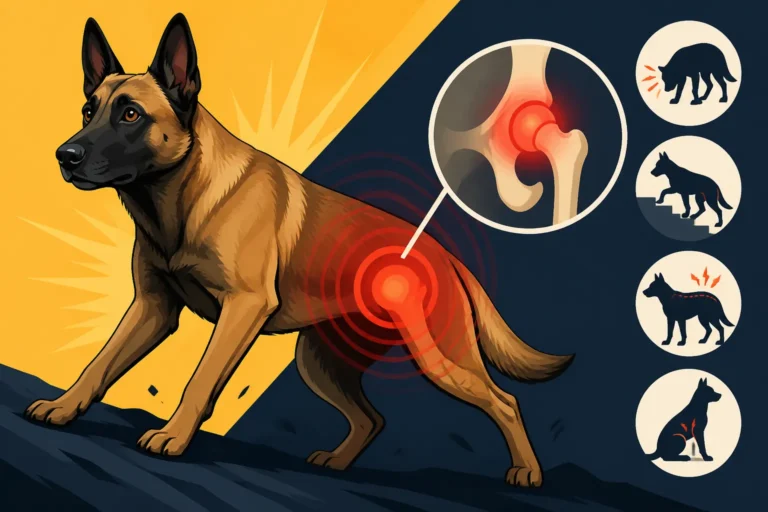
At its simplest, hip laxity refers to an abnormal looseness in the hip joint. Think of it like a ball and socket joint where the ball (the head of the femur) doesn't fit snugly into the socket (the acetabulum of the pelvis). This looseness allows for excessive movement, which over time, can lead to the wear and tear of the joint cartilage, inflammation, and eventually, the degenerative joint disease we know as hip dysplasia. For a breed as dynamic and physically demanding as the Belgian Malinois, where high-impact activities, running, and jumping are daily occurrences, this laxity can accelerate joint degradation dramatically.
Imagine your Malinois, full of life, leaping for a toy or powering through an agility course. If their hips are lax, every one of those powerful movements puts undue stress on the joint, grinding bone against bone or stretching ligaments beyond their healthy capacity. This isn't just about future arthritis; it can mean pain, reduced mobility, and a shortened working life, even for a family pet who simply enjoys long walks. Early detection gives you the power to intervene and potentially alter the course of the disease, ensuring a more comfortable and active life for your Mal.
The Genetic Predisposition in Belgian Malinois
Unfortunately, hip dysplasia is primarily a genetic condition. While environmental factors like nutrition, exercise, and rapid growth can certainly influence the expression and severity of the disease, the underlying predisposition is inherited. This means that even with the best care, a puppy with a strong genetic tendency for hip laxity might still develop problems. This is why responsible breeding practices are so incredibly vital.
Good breeders will have a long history of health clearances for their breeding stock, including evaluations from organizations like the Orthopedic Foundation for Animals (OFA) or PennHIP. They understand that by breeding dogs with excellent hip conformation, they significantly reduce the chances of passing on the genes for hip laxity to future generations. As a prospective puppy owner, seeing The Hip and Elbow Numbers Behind a Malinois Clearance for both parents should be a non-negotiable part of your due diligence, helping you gauge the genetic foundation your puppy is built upon.
Early Screening Methods for Malinois Puppies
The good news is that we don't have to wait until a Malinois is limping to identify potential hip issues. Advances in veterinary medicine allow for early screening, giving us a clearer picture of a puppy's hip health long before they've finished growing.
Physical Examination and Palpation
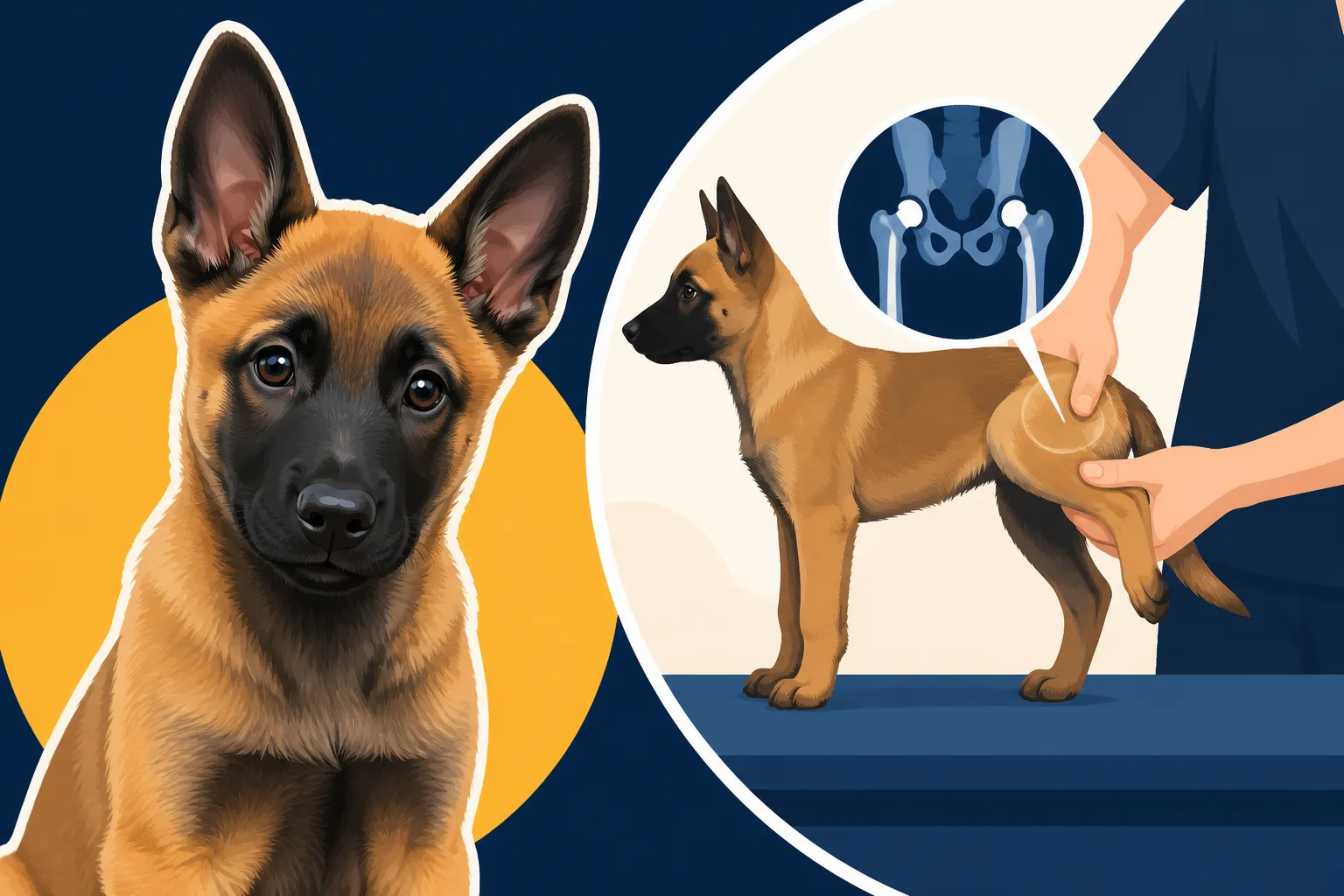
One of the first steps a veterinarian might take, especially during a routine puppy check-up or if you express concerns, is a physical examination with palpation. This involves carefully manipulating the puppy's hips and legs to assess the degree of laxity. A key technique used is the Ortolani maneuver. During this procedure, the vet gently pushes the femur head out of the socket and then abducts the leg (moves it away from the body) to feel for a "clunk" as the femoral head slips back into place. A noticeable clunk or instability can be a strong indicator of hip laxity.
While the Ortolani sign is a valuable tool, especially in puppies under a year old, it's not foolproof. Some puppies with laxity might not show a positive Ortolani sign, or conversely, a positive sign might not always translate into severe hip dysplasia later in life. It's an important piece of the puzzle, but it rarely tells the whole story on its own. It's best used as an initial indicator, prompting further, more definitive diagnostic steps like specialized radiography.
Specialized Radiographic Screenings
For a truly comprehensive assessment of a Malinois puppy's hips, specialized radiographic screenings are the gold standard. These methods provide a detailed view of the hip joint structure and can quantify laxity more accurately than a physical exam alone.
PennHIP Method (Distraction Index)
PennHIP is a scientifically proven method that can assess a dog's hip joint laxity as early as 16 weeks of age. Unlike traditional X-rays that rely on subjective visual assessment, PennHIP uses a quantitative measure called the Distraction Index (DI). This involves taking three specific radiographs under light sedation: a standard view, a compression view, and a distraction view. The distraction view is crucial, as it uses a specialized device to gently push the femoral heads out of the acetabula, allowing the veterinarian to measure how much the hip joint can "distract" or loosen.
The DI is a number between 0 and 1.0, where 0 indicates extremely tight hips and 1.0 indicates extremely loose hips. A dog with a DI closer to 0 is less likely to develop hip dysplasia, while a higher DI suggests a greater risk. The beauty of PennHIP is its objectivity and its predictive power. It allows owners to know early on if their Malinois puppy has a predisposition, enabling proactive management strategies. Many owners find it reassuring to have this objective data, and some pet insurance providers like Healthy Paws may consider some diagnostic procedures related to hip issues, depending on the policy terms and when the condition was diagnosed. Learning Whether PennHIP Tells a Malinois Buyer More about a puppy's genetic risk is invaluable.
OFA Preliminary Evaluations
The Orthopedic Foundation for Animals (OFA) also offers preliminary evaluations for hips and elbows in puppies as young as four months old, though most often done between six to twelve months. These are similar to the final OFA clearances, using a standard ventro-dorsal hip extended radiograph, but they are considered "preliminary" because the dog is still growing. The films are submitted to a panel of radiologists who grade the hips as Excellent, Good, Fair (all considered passing), Borderline, or Dysplastic.
While not as quantitative as PennHIP's DI, OFA preliminary evaluations can still offer valuable insights. If a puppy receives a "Good" or "Excellent" preliminary grade, there's a very high probability (around 95-98%) that they will achieve a passing final grade later. However, if a puppy receives a "Fair" or "Borderline" preliminary grade, it warrants closer monitoring. It's important to remember that these are preliminary and final OFA clearances are typically done at 24 months of age when the growth plates have closed. For an active breed like the Malinois, early intervention based on these preliminary findings can be key to maintaining joint health. You'll want to ensure you follow up with final films when The Age a Malinois Is Ready for Final Hip Films is reached.
Interpreting Puppy Screening Results and Next Steps
Once your Malinois puppy has undergone screening, the next step is to understand what the results mean and how to act on them. This can feel daunting, but breaking down the information makes it more manageable.
What Do Different Scores and Measurements Mean?
Interpreting hip screening results requires a veterinarian's expertise, but understanding the basics can help you engage in an informed discussion.
- PennHIP Distraction Index (DI): As mentioned, a DI ranges from 0 to 1.0. Lower numbers indicate tighter hips and a lower risk of hip dysplasia. For Belgian Malinois, specific breed-average DI values are available, allowing you to compare your puppy's results against the breed's general population. For instance, a DI of 0.3 might be considered excellent, while a DI of 0.7 would indicate significant laxity and a high risk for developing hip dysplasia. Your vet can provide percentile rankings for your puppy's DI, showing how they compare to other Malinois. This objective measurement is incredibly useful because it removes much of the guesswork.
- OFA Preliminary Grades: These grades – Excellent, Good, Fair, Borderline, Mild, Moderate, or Severe Dysplasia – give a subjective but expert assessment of hip conformation.
- Excellent/Good/Fair: These are all passing grades, suggesting a good prognosis for hip health. An "Excellent" grade is truly exceptional.
- Borderline: This indicates the hips are structurally near normal but there's some question regarding conformation. These puppies should be re-evaluated for final certification at 24 months. Close monitoring and careful management of exercise and nutrition are crucial here.
- Mild/Moderate/Severe Dysplasia: These grades indicate that the puppy already shows signs of hip dysplasia. This doesn't mean the end of the world for your pup, but it does mean a serious conversation with your vet about management, potential treatments, and lifestyle adjustments.
Understanding Reading a Belgian Malinois Hip Result fully means discussing these scores with your veterinarian, who can explain their implications specifically for your puppy's breed and anticipated activity level.
Management and Prevention Strategies for Affected Puppies
If your Malinois puppy's screening results indicate hip laxity or early signs of dysplasia, it's not a death sentence for their activity or quality of life. Instead, it's an opportunity for proactive management.
- Controlled Exercise: This is paramount. While a Malinois needs a job and plenty of activity, high-impact, repetitive activities like intense fetch, jumping from heights, or prolonged running on hard surfaces should be carefully managed, especially during their growth phase. Focus on controlled, low-impact exercise like swimming, leash walks, and structured play. Avoid activities that encourage When a Malinois Puppy's Joints Can Take Impact too early. Ensuring your pup isn't over-exercised during their crucial developmental period is key, as The Age a Belgian Malinois Can Start Real Conditioning should be considered.
- Optimal Nutrition: Maintaining a lean body condition is critical. Excess weight puts immense strain on already compromised joints. Feed a high-quality diet appropriate for large breed puppies that supports slow and steady growth, as Why Pushing Growth Hurts a Malinois Puppy can exacerbate joint problems. Discuss with your vet if any specific supplements like omega-3 fatty acids or glucosamine/chondroitin are appropriate. Many owners of working dogs look into Joint Supplements for a Working Belgian Malinois from a young age.
- Physical Therapy and Rehabilitation: Your vet might recommend physical therapy exercises to strengthen the muscles supporting the hip joint, improving stability and reducing pain. This can include hydrotherapy (underwater treadmill), therapeutic exercises, and massage.
- Pain Management: For puppies showing discomfort, your vet may prescribe anti-inflammatory medications or other pain relief strategies.
- Surgical Interventions: In some cases, for severe laxity or dysplasia, surgical options might be considered. Procedures like Juvenile Pubic Symphysiodesis (JPS) can be performed on very young puppies (typically 16-20 weeks) to alter pelvic growth, improving hip conformation. Another option is a Triple Pelvic Osteotomy (TPO), which is more invasive but can also significantly improve hip stability in certain cases. Discuss these options thoroughly with a veterinary orthopedic specialist.
- Spay/Neuter Timing: There's ongoing discussion about Whether Spay Timing Changes a Malinois's Joints. Some research suggests that early spay/neuter might impact joint development in large breeds. This is a conversation to have with your vet, especially if your puppy already shows signs of hip laxity, to weigh the pros and cons.
The Role of Responsible Breeding and Buyer Due Diligence
Ultimately, prevention starts long before a puppy ever comes home. The choices made by breeders and prospective owners are critical in minimizing the prevalence of hip dysplasia.
Why Breeder Health Clearances Are Non-Negotiable
A responsible Belgian Malinois breeder is not just passionate about the breed; they are committed to its health and future. This commitment is most clearly demonstrated through rigorous health testing of their breeding stock. For hips, this means both the sire and dam (and often their lineage) should have passing OFA or PennHIP clearances.
When you're looking for a Malinois puppy, don't just take a breeder's word for it. Ask to see official certificates or look up the parents' OFA numbers directly on the OFA website or PennHIP database. Understand The Hip and Elbow Numbers Behind a Malinois Clearance for what's considered good and acceptable. A transparent breeder will be happy to provide this documentation and discuss their health testing philosophy in depth. If a breeder makes excuses or says they "don't believe in" hip testing, that's a huge red flag, and you should walk away. Beyond hips, also inquire about other crucial genetic screenings, such as Asking a Breeder for Malinois Ataxia Results, which is vital for Malinois health. Healthy Paws and similar pet insurance companies typically require a clear health history for full coverage, and responsible breeders contribute to that by providing a healthy start.
What a Prospective Owner Should Look For
As a prospective Malinois owner, you are the final gatekeeper. Your careful selection directly impacts whether you bring home a healthy puppy or one predisposed to costly and painful health issues.
- Research Breeders Thoroughly: Look for breeders who openly discuss health testing, invite questions, and are genuinely interested in placing their puppies in appropriate homes. They should be able to tell you about their breeding philosophy and the specific health challenges within their lines. A breeder’s reputation and transparency speak volumes, and can also impact What a Belgian Malinois Puppy Costs by Bloodline.
- Review Pedigrees and Lineages: Ask about the health history of the puppy's grandparents and great-grandparents. Are there any instances of early-onset hip dysplasia in the immediate family tree? While not every dog in a pedigree needs perfect hips, a consistent pattern of good clearances is a positive sign.
- Observe the Parents: If possible, meet the puppy's parents (at least the dam). While you can't visually assess hip health, you can observe their temperament, movement, and overall physical condition. A healthy, well-structured parent is a good indicator.
- Ask About Littermates and Previous Litters: Inquire about the health outcomes of previous litters from the same parents or related pairings. This can provide valuable insight into the genetic tendencies.
- Understand the Guarantees: Reputable breeders often provide health guarantees for genetic conditions like hip dysplasia. Understand what these guarantees cover, for how long, and what steps are required if an issue arises.
- Early Screening: Discuss Your Options: If you're particularly concerned, discuss with your chosen breeder the possibility of early hip screenings like PennHIP or preliminary OFA before you finalize the purchase, especially if you're selecting a puppy for high-level sport or working aspirations. This demonstrates your commitment to your dog's long-term health and ensures you're starting on the best possible footing, minimizing the chances of significant issues when your dog is expected to perform at their peak, sometimes for How Many Hours a Belgian Malinois Should Work Daily.
By taking these steps, you not only increase your chances of bringing home a healthy Malinois puppy but also support ethical breeding practices that benefit the entire breed.
Comparison of Puppy Hip Screening Methods
Understanding the key differences between the primary early hip screening methods can help you make an informed decision with your veterinarian.
| Feature | PennHIP Method (Distraction Index) | OFA Preliminary Evaluation |
|---|---|---|
| Purpose | Quantitatively measures hip joint laxity. | Subjectively evaluates hip conformation and presence of dysplasia. |
| Minimum Age | 16 weeks (4 months) | 4 months (most common 6-12 months) |
| Radiographs Taken | 3 views: Ventro-dorsal hip extended, Compression, Distraction | 1 view: Ventro-dorsal hip extended |
| Sedation Required? | Yes, to relax muscles and ensure proper positioning for distraction. | Typically, yes, for optimal positioning and muscle relaxation. |
| Result Type | Distraction Index (DI) numerical score (0-1.0) with breed comparison. | Grade (Excellent, Good, Fair, Borderline, Mild, Moderate, Severe). |
| Predictive Value | Highly predictive of future hip dysplasia risk. | Good predictor for passing results (Excellent, Good, Fair), less so for Borderline/Dysplastic. |
| Cost | Generally higher due to specialized equipment and training. | Generally lower than PennHIP. |
| Information Provided | Quantifies laxity, allows for risk assessment. | Assesses current conformation, identifies signs of dysplasia. |
Disclaimer
The information provided in this article is for educational purposes only and is not a substitute for professional veterinary advice. Always consult with a qualified veterinarian regarding your Belgian Malinois's health, diagnosis, and treatment plan. Individual results and recommendations may vary.