Reading a Belgian Malinois Hip Result
Bringing home a Belgian Malinois is a commitment to an incredibly active, driven dog, and few things are more unsettling than getting those official hip health clearances back and feeling like you need a veterinary degree to understand what they actually mean. It’s natural to feel overwhelmed by the jargon and numbers, wondering if your dog is set for a lifetime of work or facing potential soundness issues down the road. This comprehensive guide will walk you through the various hip evaluation systems, demystify the results, and help you understand what your Malinois’s hip scores truly indicate for their future and your peace of mind.
Understanding the Basics of Canine Hip Dysplasia
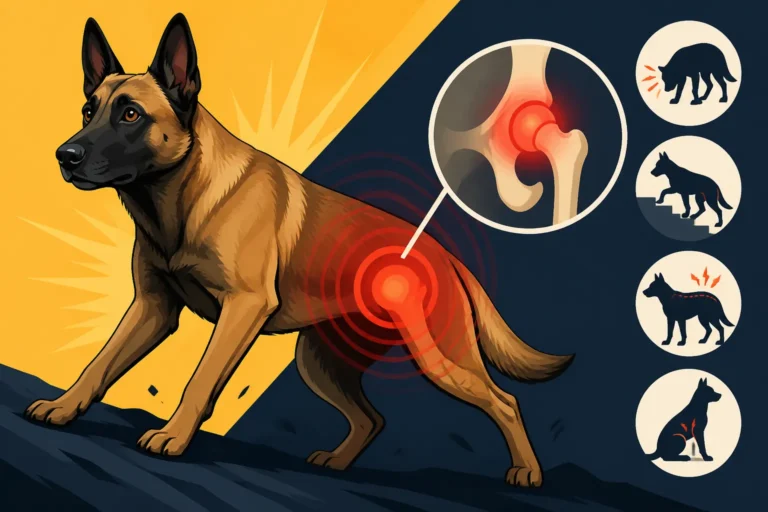
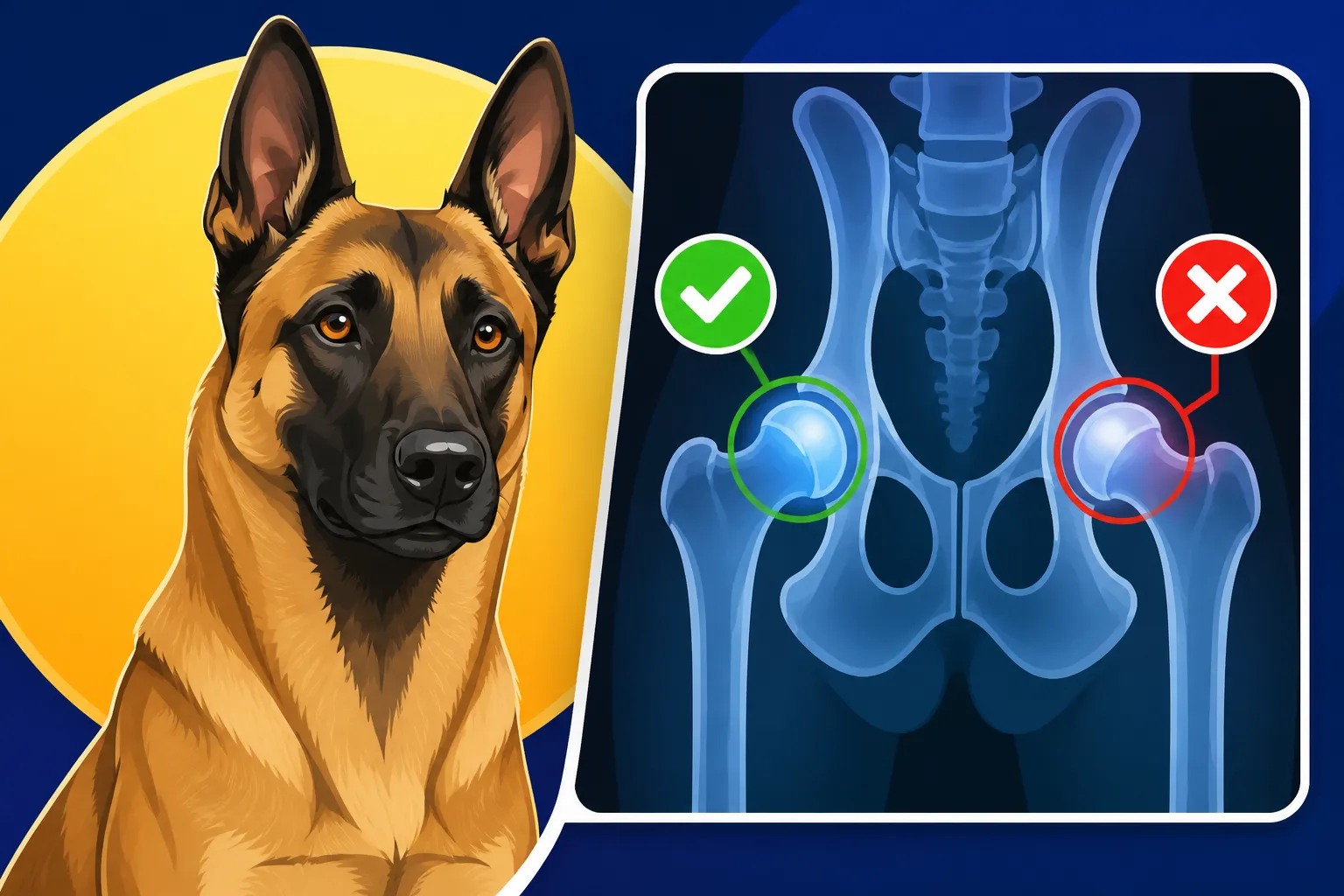
Canine hip dysplasia (CHD) is a complex, multifactorial disease that impacts countless dogs, and particularly active, large breeds like our beloved Belgian Malinois. It’s essentially a malformation of the hip joint, where the ball (the head of the femur) and socket (the acetabulum in the pelvis) don't fit together perfectly. Instead of gliding smoothly, they can rub and grind, leading to pain, lameness, and degenerative joint disease like arthritis over time. For a breed that thrives on explosive power, agility, and sustained effort, healthy hips aren't just a nice-to-have; they're absolutely critical for their quality of life and ability to perform.
The Mechanics of a Healthy Malinois Hip
Imagine the hip joint as a perfectly engineered ball-and-socket mechanism. In a healthy Belgian Malinois, the femoral head, which is the "ball" at the top of the thigh bone, sits snugly and deeply within the acetabulum, the "socket" of the pelvis. This tight, congruent fit allows for smooth, fluid movement across a wide range of motion without any friction or instability. The joint is further stabilized by strong ligaments and muscles, all working in harmony to absorb impact and facilitate the powerful, athletic movements characteristic of the breed. When you see a Malinois launch itself over a wall or drive into a decoy, you're witnessing this incredible joint integrity in action. It's a testament to good genetics, proper development, and careful management.
Why Hip Dysplasia Is Such a Big Deal for Active Breeds
For a Belgian Malinois, hip dysplasia isn't just an inconvenience; it can be a career-ender and a significant source of chronic pain. These dogs are built for speed, agility, and immense physical output, whether they're working in protection sports, detection, search and rescue, or simply tearing around the backyard with incredible intensity. Every jump, sprint, and sudden stop puts immense stress on their joints. When the hips are dysplastic, this stress is magnified, causing inflammation, cartilage erosion, and bone spurs to form as the body tries to stabilize a faulty joint.
A dog with even mild hip dysplasia might show subtle signs at first – a slight hesitation before jumping, a shift in gait, or reduced stamina. As the condition progresses, pain becomes more pronounced, leading to lameness, muscle atrophy in the hindquarters, and a severe reduction in their ability to perform their natural, high-drive activities. This not only impacts their physical well-being but can also take a toll on their mental health, as an active Malinois thrives on having a job and burning off energy. Understanding the implications of hip results is vital for responsible ownership and making informed decisions about your dog's future, especially when considering activities like bite work, which places incredible strain on the body. You’ll want to know The Hip and Elbow Numbers Behind a Malinois Clearance to set your dog up for success.
The Different Hip Certification Systems
When it comes to evaluating canine hips, there isn't just one universal test. Different organizations offer various methods, each with its own philosophy, methodology, and interpretation. The two most common in North America are the Orthopedic Foundation for Animals (OFA) and the University of Pennsylvania Hip Improvement Program (PennHIP). Understanding the distinctions between these systems is crucial because they provide different kinds of information, and breeders often choose one or both based on their specific goals and preferences. European countries also have their own national schemes, such as the British Veterinary Association (BVA) or the Fédération Cynologique Internationale (FCI) scoring, which you might encounter if you’re looking at imported lines.
Navigating OFA Ratings for Belgian Malinois
The Orthopedic Foundation for Animals (OFA) is perhaps the most widely recognized hip certification system in the United States. It involves a single radiograph (X-ray) taken with the dog positioned on its back, hind legs extended and rotated inward. This specific positioning is designed to provide a clear view of the hip joint congruence. The X-rays are then sent to the OFA, where three independent, board-certified veterinary radiologists evaluate them. They look for specific indicators of hip dysplasia, such as the depth of the femoral head in the acetabulum, the presence of degenerative changes, and the shape of the femoral head and neck.
The OFA system requires dogs to be at least 24 months old for final certification. This age is chosen because hip joints are typically fully developed by then, and any signs of dysplasia are more likely to be evident. The radiologists assign one of seven possible hip classifications, ranging from Excellent to Severe. While the OFA rating provides a valuable snapshot of hip health at a specific point in time, it’s worth noting that it's a qualitative assessment based on visual inspection rather than a quantitative measurement of laxity. Many breeders prioritize OFA clearances, and it's a fundamental part of screening for responsible breeding practices.
Delving into PennHIP's Distraction Index
PennHIP takes a different approach to hip evaluation, focusing on a quantitative measurement of hip laxity, which is considered a primary indicator of a dog’s susceptibility to hip dysplasia. Unlike OFA, which uses one X-ray, PennHIP involves three separate radiographs. The key difference is the "distraction view," where a specialized device is used to gently distract the hip joints, revealing the maximum amount of joint laxity. This test can be performed on dogs as young as 16 weeks, offering an earlier assessment of hip quality.
The results are expressed as a "distraction index" (DI), which is a numerical value ranging from 0 to 1. A DI closer to 0 indicates very tight hips, while a DI closer to 1 suggests a high degree of laxity. The PennHIP report also includes an assessment of arthritic changes and a comparison of your dog's DI to the average DI for the Belgian Malinois breed, allowing you to see where your dog stands relative to its peers. Many proponents of PennHIP argue that this objective measurement of laxity provides a more predictive assessment of a dog's risk for developing hip dysplasia later in life. It offers a distinct perspective, and it can be insightful to know Whether PennHIP Tells a Malinois Buyer More about a potential puppy's lineage.
A Quick Look at International Standards
Beyond OFA and PennHIP, if you're looking at Belgian Malinois from European lines or planning to import, you'll encounter other hip evaluation systems. The British Veterinary Association (BVA) Hip Score is widely used in the UK and involves scoring nine specific features on each hip radiograph. Each feature is scored from 0 (normal) to 6 (severely dysplastic), resulting in a total score for each hip, and then summed for an overall score (ranging from 0 to 106). A lower score indicates healthier hips. Similarly, the Fédération Cynologique Internationale (FCI) system, used across much of continental Europe, assigns grades A (excellent) through E (severe dysplasia) based on radiographic appearance.
These international standards often have different age requirements and interpretation criteria, but their fundamental goal remains the same: to identify and reduce the incidence of hip dysplasia within breeding populations. If you’re considering a dog from outside North America, it’s essential to familiarize yourself with the specific system used in that country and understand how their scores translate or compare to OFA or PennHIP standards. Consulting with a veterinarian experienced in international health clearances can be invaluable in these cases, ensuring you fully grasp the implications of your Malinois's lineage.
Decoding Your Malinois's OFA Certificate
When that official OFA certificate arrives, it can feel like a lot of dense information. But once you understand the key components, it becomes a powerful tool for understanding your Belgian Malinois's orthopedic health. The certificate provides not just a rating, but also details about the dog's identification, age at examination, and the veterinarians involved. For working Malinois, these details are important for tracking health trends and making informed decisions about their training and future.
Interpreting the Seven OFA Hip Classifications
The OFA assigns one of seven hip classifications, each with specific criteria:
- Excellent: This is the best possible rating. It indicates superior hip conformation with a deeply seated femoral head, excellent congruence, and tight joint spaces. For a high-drive Malinois, this is the gold standard and highly desirable for breeding and intensive work.
- Good: The hips are well-formed and congruent, with good coverage of the femoral head by the acetabulum. There might be minor irregularities compared to "Excellent," but these are considered insignificant clinically. This is still a very solid pass for a Malinois, indicating healthy, functional hips.
- Fair: While still considered within the passing range, "Fair" hips show minor irregularities in congruence. The femoral head may not fit as tightly or deeply into the socket as in "Good" or "Excellent" hips. These dogs are still considered healthy enough for most activities and breeding, though some breeders may prefer "Good" or "Excellent."
- Borderline: This is where things get a little tricky. "Borderline" indicates that the radiologist couldn't definitively label the hips as dysplastic or normal. There might be subtle changes that could indicate early dysplasia or simply normal variation. Often, the OFA will recommend re-X-raying the dog in 6-12 months to see if the condition has progressed. For a working Malinois, this rating would prompt careful monitoring and possibly a re-evaluation before engaging in high-impact sports.
- Mild Dysplasia: Clearly dysplastic. There's definite evidence of hip laxity and minor degenerative changes like small bone spurs. Dogs with "Mild" dysplasia may or may not show clinical signs, but they are at higher risk for developing arthritis and pain later in life. They are not recommended for breeding.
- Moderate Dysplasia: More pronounced evidence of hip dysplasia, including significant laxity, shallow sockets, and visible degenerative changes. These dogs often show clinical signs of pain and lameness. They should not be bred.
- Severe Dysplasia: The worst possible rating, indicating extreme hip laxity, very shallow sockets, and extensive degenerative joint disease. Dogs with "Severe" dysplasia almost always experience significant pain and mobility issues. Breeding is absolutely contraindicated.
Understanding these distinctions helps you gauge the long-term soundness of your Malinois. Keep in mind that a passing grade (Excellent, Good, Fair) means the dog's hips meet the breed's standards for health, but does not guarantee immunity from all joint issues. The Age a Malinois Is Ready for Final Hip Films is typically two years, ensuring maturity for accurate assessment.
The Significance of the "Bilateral" or "Unilateral" Finding
On an OFA certificate, you might also see a note indicating whether any findings are "bilateral" or "unilateral." This simply refers to whether the condition affects one hip or both hips. If your Malinois receives a dysplastic rating (Mild, Moderate, or Severe), the certificate will specify if it's "bilateral" (affecting both left and right hips) or "unilateral" (affecting only one hip).
While unilateral dysplasia might initially seem "less severe" because only one joint is affected, it still signifies a genetic predisposition and a potential source of discomfort and compensatory issues. A dog will naturally try to offload weight from a painful hip to its "good" side, which can put undue stress on that healthier joint, as well as on the spine and other limbs. Regardless of whether it's one hip or both, a dysplastic finding carries the same implications for breeding and careful management in a high-drive Malinois. It's a clear signal to consult with your veterinarian about appropriate exercise, potential therapies, and pain management strategies.
Common Misconceptions About OFA Final Results
There are a few persistent myths and misunderstandings surrounding OFA hip results that can confuse even experienced owners. One common misconception is that an OFA "Fair" rating is inherently bad or means the dog has dysplasia. In reality, "Fair" is still a passing grade. While not as ideal as "Excellent" or "Good," it indicates structurally sound hips that are considered normal for breeding purposes and an active life. It simply means the joint congruence isn't as tight as the higher grades. Many fantastic working dogs and breeding animals carry a "Fair" rating without ever experiencing clinical signs.
Another myth is that if a dog's parents both had "Excellent" hips, their offspring are guaranteed to have perfect hips. While genetics play a huge role, hip dysplasia is polygenic (meaning multiple genes are involved) and can also be influenced by environmental factors such as rapid growth, excessive exercise in puppyhood, and nutrition. This is why screening several generations and observing full litter health is important. Finally, some believe that a dog with a clear OFA just "got lucky" with the X-ray. While positioning is important, trained radiologists are adept at identifying even subtle issues. However, combining OFA with other health checks, like elbow clearances and The Eye Diseases Behind a Malinois Eye Certificate, provides a more complete picture of your Malinois's overall health.
| OFA Hip Classification | Description | Breeding Recommendation | Activity Recommendation for Malinois |
|---|---|---|---|
| Excellent | Superior hip conformation; deeply seated femoral head, tight joint spaces, excellent congruence. | Recommended | Full activity, including high-impact sports (agility, bite work, dock diving) with proper conditioning. Optimal for peak performance. |
| Good | Well-formed, congruent hips; minor irregularities compared to "Excellent." Clinically insignificant. | Recommended | Full activity, excellent for working roles. Continue with appropriate conditioning and warm-ups. |
| Fair | Minor irregularities in hip congruence; femoral head may not fit as tightly. Still considered normal. | Recommended | Generally full activity, but monitor for any signs of discomfort with very high impact. Maintain lean condition. |
| Borderline | Indeterminate; subtle changes making it hard to classify as normal or dysplastic. Re-X-ray often recommended. | Not Recommended | Monitor closely. May participate in moderate activity, but high-impact sports should be approached with caution or after specialist consultation. Consider revisiting Whether Jumping Damages a Young Malinois's Joints. |
| Mild Dysplasia | Definite evidence of hip laxity and minor degenerative changes (e.g., small bone spurs). | Not Recommended | Restricted activity, avoid high impact. Focus on low-impact exercise (swimming, walking). Pain management may be needed. |
| Moderate Dysplasia | Pronounced evidence of hip dysplasia, significant laxity, shallow sockets, visible degenerative changes. | Not Recommended | Significantly restricted activity. Pain management, physical therapy, and potentially surgery necessary to maintain comfort. |
| Severe Dysplasia | Extreme hip laxity, very shallow sockets, extensive degenerative joint disease. | Not Recommended | Severely restricted activity. Focus on comfort and mobility. Often requires extensive medical or surgical intervention. |
Making Sense of PennHIP Scores
PennHIP provides a different, complementary perspective to OFA, often seen as a more predictive tool for assessing hip dysplasia risk. Instead of a subjective evaluation of a single X-ray, PennHIP relies on a quantitative measurement of hip laxity. This objective data can be incredibly valuable for breeders looking to make precise selections and for owners wanting the earliest possible insight into their Malinois's joint health.
Understanding the Distraction Index (DI)
The cornerstone of PennHIP evaluation is the Distraction Index (DI). This is a numerical value that ranges from 0 to 1, representing the amount of hip joint laxity. It's calculated by measuring how much the femoral head (ball) can be displaced from the acetabulum (socket) when the hip is gently "distracted" by a specialized device. A DI of 0 means absolutely no laxity, while a DI of 1 means the ball is completely out of the socket.
In practical terms, a lower DI indicates tighter hips, which is desirable. Dogs with a DI closer to 0 have a lower likelihood of developing hip dysplasia. A DI of 0.3 or less is generally considered to be excellent and indicates very tight hips, while a DI of 0.7 or higher suggests significant laxity and a very high risk of dysplasia. The beauty of the DI is its objectivity; it gives you a precise number that directly correlates to the degree of joint looseness, which is the primary factor in the development of hip dysplasia. This makes it a powerful tool for risk assessment and for guiding breeding decisions, particularly for breeds like the Malinois where soundness is paramount. You might even find it provides a more nuanced understanding than simply wondering Whether Six Percent Is Low for Malinois Hips from a different scoring system.
Comparing Your Malinois's DI to Breed Averages
One of the most valuable aspects of the PennHIP report is that it doesn't just give you a raw DI number; it compares your individual Malinois's DI to the breed average. This context is incredibly important because what might be considered a "tight" hip in one breed could be average in another. For instance, a DI of 0.4 might be considered excellent for a Rottweiler, but only average for a Border Collie.
For your Belgian Malinois, the report will include a graph showing where your dog's DI falls within the distribution of all Malinois DIs in the PennHIP database. It will often indicate the average DI for the breed, as well as the 10th percentile (meaning 10% of Malinois have hips as tight or tighter) and the 90th percentile (meaning 90% of Malinois have hips as tight or tighter). Ideally, you want your Malinois's DI to be below the breed average, preferably in the tighter half or even the tightest 10% of the breed. This comparison helps you understand not just the absolute tightness of your dog's hips, but also its relative genetic potential for hip health within the breed. This data empowers you to make more informed decisions, whether for breeding or simply for managing your dog's athletic career.
How PennHIP Complements Other Health Clearances
While PennHIP provides an invaluable quantitative measure of hip laxity, it's most powerful when viewed as part of a comprehensive health screening program. It complements OFA's more qualitative assessment of joint conformation and degenerative changes. For example, a young Malinois might have a good DI indicating tight hips, but could still have other orthopedic issues that PennHIP doesn't directly assess, such as elbow dysplasia. Conversely, an older dog might have a slightly higher DI but show no signs of arthritis on an OFA radiograph, indicating a resilient joint structure despite some laxity.
Therefore, many reputable breeders choose to pursue both PennHIP and OFA certifications, especially for breeds as active and prone to joint issues as the Belgian Malinois. This multi-faceted approach provides the most complete picture of a dog's orthopedic health. Furthermore, hip evaluations should always be considered alongside other crucial health clearances like The Two Ataxia Genes Belgian Malinois Are Tested For, as well as eye certifications and cardiac screenings. A holistic view of a dog's health ensures that you're making the best choices for their well-being and for the health of future generations. Many owners find that investing in comprehensive health screenings and considering pet insurance like Healthy Paws for unexpected medical needs gives them immense peace of mind.
Beyond the Numbers: Practical Considerations for Your Malinois
Getting those hip results back is just the beginning. Whether your Malinois has stellar hips or a borderline result, understanding the practical implications for their daily life, training, and potential working career is paramount. A high-drive dog like a Malinois needs careful management to ensure their physical soundness matches their mental intensity, regardless of their genetic predisposition.
How Hip Health Impacts a Malinois's Working Career
For a Belgian Malinois bred for sport, police, or military work, optimal hip health is non-negotiable. Their demanding jobs require explosive power, sustained endurance, and the ability to withstand significant physical impact. A dog with even subtle hip issues might struggle to meet the physical demands, leading to early retirement, chronic pain, or even injury. For example, a Malinois with questionable hips might have difficulty with vertical jumps, rapid changes in direction during agility, or the powerful grip and drive work in protection sports.
Even if a Malinois isn't showing overt signs of pain, a less-than-ideal hip result means their joints are working harder and wearing faster. This can translate into reduced stamina during long shifts or training sessions, a diminished enthusiasm for work, or subtle lameness that only a keen eye will notice. Responsible handlers and trainers understand that pushing a dog with compromised hips can lead to worsening conditions and premature retirement. It's vital to have open conversations with your veterinarian and trainers about what activities are appropriate for your Malinois based on their specific hip results, ensuring their longevity and comfort in their chosen "job." Considering The Age a Working Malinois Starts to Slow can give you an idea of how long you can expect peak performance.
Supporting Your Malinois's Joints Based on Results
Regardless of your Malinois's hip scores, proactive joint care is always a good idea for such an athletic breed. If your dog has "Excellent" or "Good" hips, focus on prevention: maintaining a lean body weight, providing a high-quality diet, and incorporating appropriate, age-specific exercise that builds muscle without excessive impact on developing joints. Supplements like glucosamine, chondroitin, and omega-3 fatty acids can be beneficial, especially as they age or if they engage in high-impact activities. Many owners find that a good pet insurance policy, such as one from Healthy Paws, helps cover ongoing wellness and potential future needs, making long-term joint support more manageable.
For Malinois with "Fair" or "Borderline" hips, or those with any degree of dysplasia, joint support becomes even more critical. This might involve a carefully tailored exercise regimen, focusing on low-impact activities like swimming or controlled leash walks to build muscle without stressing the joints. Regular physical therapy, chiropractic care, or acupuncture might be recommended by your vet. Weight management is paramount, as every extra pound adds stress to compromised joints. Anti-inflammatory medications, prescribed by your veterinarian, can help manage pain during flare-ups. Being diligent about these measures can significantly improve your Malinois's comfort and mobility, helping them live a full life. Looking into Joint Supplements for a Working Belgian Malinois could be very helpful here.
When to Seek Veterinary Specialist Advice
Sometimes, a standard hip X-ray just isn't enough, or the results are ambiguous. If your Belgian Malinois receives a "Borderline" OFA rating, or if their PennHIP DI indicates significant laxity despite appearing asymptomatic, it's wise to consult with a board-certified veterinary orthopedic specialist. These specialists have advanced training and expertise in musculoskeletal conditions and can offer further diagnostic testing, such as advanced imaging like MRI or CT scans, to get a clearer picture of your dog's joint health.
Furthermore, if your Malinois starts to show any signs of lameness, stiffness, or reluctance to engage in activities they once loved, don't wait. Even with excellent hip scores, injuries or other orthopedic conditions can arise. Early intervention is key. A specialist can help diagnose the issue accurately, recommend the most effective treatment plan, which might range from conservative management and physical therapy to surgical options like Total Hip Replacement (THR) or Femoral Head Ostectomy (FHO) in severe cases. Being proactive and seeking expert advice ensures that your Malinois receives the best possible care throughout their active life. Even with the best care, sometimes things go wrong, and having pet insurance like Healthy Paws can truly alleviate the financial burden of specialist consultations and advanced treatments.
Disclaimer
The information provided in this article is for general informational purposes only and is not a substitute for professional veterinary advice, diagnosis, or treatment. Always seek the advice of your veterinarian or other qualified health provider with any questions you may have regarding a medical condition. Never disregard professional veterinary advice or delay in seeking it because of something you have read in this article.