The Age a Malinois Is Ready for Final Hip Films
It's a common source of anxiety for any Belgian Malinois owner, especially if you're invested in sport, breeding, or just ensuring your dog lives a long, active life: those all-important hip clearances. We pour so much into our Mals, from their intense training to their demanding daily exercise, and the thought of them being hampered by a debilitating condition like hip dysplasia is truly heartbreaking. This guide is here to walk you through the precise timing and considerations for getting those final, official hip films done for your Malinois, helping you understand why the age matters and how to best prepare.
Understanding Canine Hip Dysplasia in Malinois
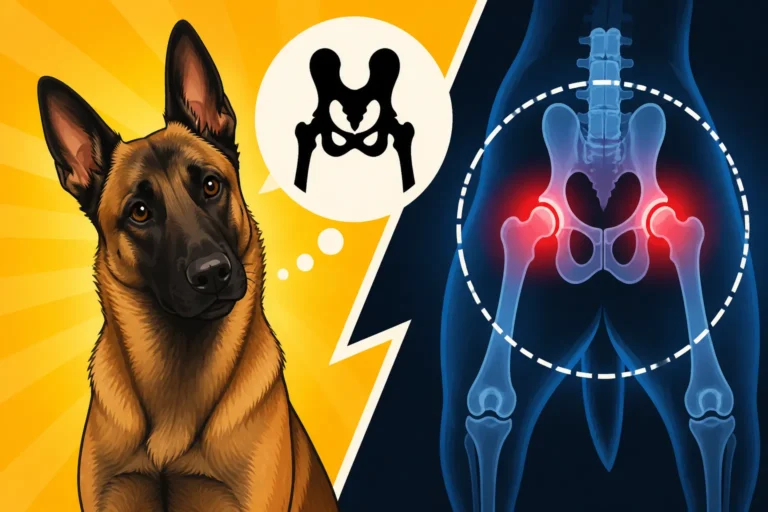
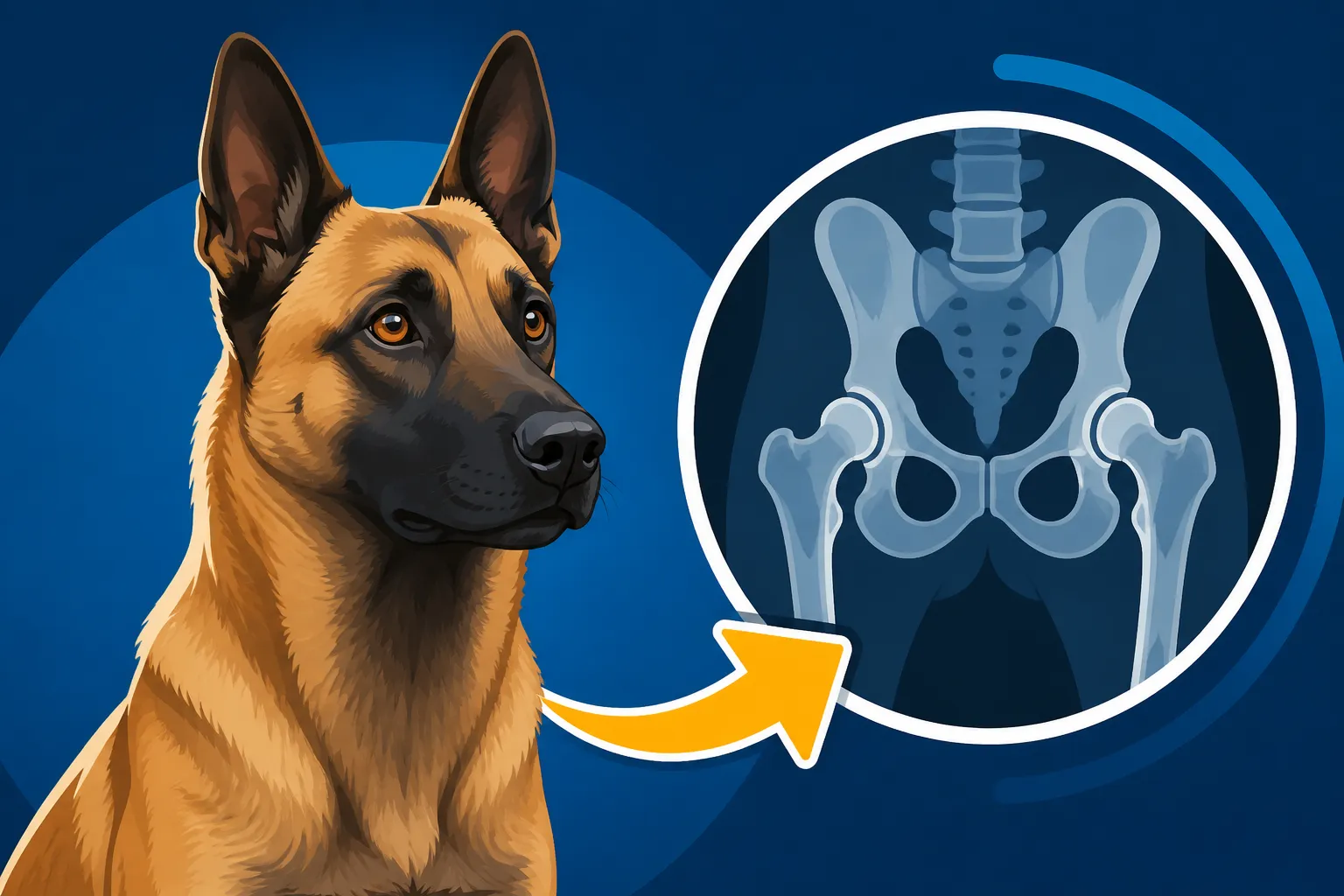
Hip dysplasia is a condition that can cast a long shadow over a working breed like the Belgian Malinois. Essentially, it's an abnormal formation of the hip socket, where the "ball" (the head of the femur) doesn't fit snugly into the "socket" (the acetabulum) of the pelvis. Instead of a smooth, fluid motion, there's looseness, grinding, and over time, painful degeneration of the joint.
The Genetic Component and Environmental Factors
While a lot of people tend to focus solely on the genetic aspect, and rightly so, it's crucial to understand that hip dysplasia isn't just a simple gene. It's a polygenic trait, meaning multiple genes are involved, and it's also heavily influenced by environmental factors. A Malinois with excellent genetics can still develop issues if raised improperly, and conversely, a dog with less-than-perfect genetics might live a full, active life if managed well. Early rapid growth, excessive or inappropriate exercise in puppyhood, poor nutrition, and even being overweight can all exacerbate any genetic predisposition. This is why you'll often hear breeders talk about balancing genetic clearances with responsible puppy rearing practices. It’s not just about what the parents passed down, but how that puppy grows up in your home.
Why Hip Health is Paramount for a Malinois
For a Belgian Malinois, hip health isn't just about comfort; it's about function. These dogs are athletes, whether they're excelling in IGP, KNPV, agility, or serving in police and military roles. Their entire working life depends on sound structure. Imagine a Malinois launching itself over a hurdle, driving into a bite, or maintaining a fast, strong pace during detection work—all of these activities put immense strain on the hips. Even a pet Malinois needs robust hips to keep up with their natural drive and energy. A Malinois with compromised hips will struggle to perform, suffer from chronic pain, and their overall quality of life will be severely impacted. The last thing you want is a high-drive dog unable to do the very things that make them happy and fulfilled. That's why being proactive about understanding their joint health is so vital.
The Critical Timing for Official Hip Evaluations
When it comes to getting those definitive hip films, timing is everything. You can't just run them at any age and expect an official, verifiable result that's recognized by major orthopedic registries. There’s a sweet spot, a specific age where the hip joints have matured enough to give an accurate representation of their final conformation.
The Two-Year Mark for OFA and PennHIP
For most reputable registries and evaluation methods, including the Orthopedic Foundation for Animals (OFA) and PennHIP, the final certification for hip health can typically only be obtained once your Belgian Malinois is at least 24 months old, which is two full years. This isn't an arbitrary number; it's based on extensive research and veterinary consensus. Before this age, a dog's growth plates may still be open, and the skeletal structure is still developing and ossifying. What might look a bit loose at 12 months could tighten up, or what looks fine could later show signs of laxity as the dog carries its adult weight and muscle.
There are some nuances, however. PennHIP can provide preliminary evaluations as early as 16 weeks, offering an objective, measurable assessment of hip laxity, or looseness. This can be a fantastic tool for breeders looking to make early decisions or for owners who want an early indicator. However, even with PennHIP, the official certification recognized widely for breeding purposes is generally done at or after 24 months, much like OFA. OFA, on the other hand, only offers preliminary evaluations (often called "pre-lims") between 4 and 23 months. These pre-lims can give an owner or breeder an idea, but they are not final and cannot be used as official clearances until the dog re-films at 24 months or older.
| Evaluation Method | Minimum Age for Final Certification | Purpose | Key Measurement |
|---|---|---|---|
| OFA (Orthopedic Foundation for Animals) | 24 Months | Breeding Clearance, Health Database | Radiographic appearance of hip conformation (tightness, shape) |
| PennHIP | 24 Months (official clearance) | Early Screening, Breeding Clearance | Quantitative measurement of hip laxity (distraction index) |
This table clearly illustrates the consistent requirement for final certification at 24 months, regardless of the method, underscoring the importance of allowing full skeletal maturity. You can learn more about specific requirements by looking into topics like The Hip and Elbow Numbers Behind a Malinois Clearance or Reading a Belgian Malinois Hip Result.
Why Waiting Is Crucial for Accuracy
The reason veterinarians and orthopedic specialists stress waiting until 24 months is all about accuracy. A younger dog's bones, joints, and ligaments are still quite elastic and undergoing significant changes. What appears to be a good fit at 12 months might develop signs of mild subluxation (partial dislocation) or poor coverage as the dog gains muscle mass and its full adult weight. Conversely, a puppy showing some mild laxity might "tighten up" as their muscles develop and stabilize the joint. Waiting until two years ensures that the radiographs reflect the fully developed joint, providing the most reliable assessment of hip quality.
Making breeding decisions or long-term management plans based on films taken too early can be misleading. You might unnecessarily retire a promising young dog or, worse, breed a dog whose hips are still too immature to show their true, potentially problematic, conformation. This wait can feel interminable, especially if you're eager to see your Malinois excel, but it’s a necessary part of responsible ownership and breeding. If you're considering earlier evaluations, you might want to read Whether PennHIP Tells a Malinois Buyer More.
Preparing Your Malinois for Hip Films
Getting your high-drive Belgian Malinois ready for hip films isn't just about showing up at the vet's office. It involves careful planning, clear communication with your veterinarian, and sometimes, specific preparatory steps to ensure the best possible diagnostic images.
Communicating with Your Veterinarian
The first and most important step is to have a thorough discussion with your veterinarian well in advance. Not all general practice vets are equally experienced with orthopedic certifications, especially for working breeds like the Malinois. Ask them about their experience with OFA or PennHIP submissions, their preferred sedation protocols, and if they have a radiologist they routinely consult. You want a vet who understands the precision required for these specific views and who can ensure your dog is positioned perfectly.
Explain your goals—whether it’s for breeding certification, a baseline for a working dog, or simply peace of mind. Discuss any prior health concerns or preliminary films you might have had. It's also a good time to talk about costs and what the process entails from their end, including sedation, the number of views, and submission fees. Having open communication ensures everyone is on the same page and that your Malinois receives the best care. Don't be afraid to ask questions; it's your dog's health on the line.
Sedation and Positioning for Accurate Films
For accurate hip films, especially for OFA, your Malinois will need to be sedated. This isn't just to keep them still; it's also to allow for the precise positioning required without causing stress or injury. The dog needs to be perfectly straight on its back, with its hind legs extended straight and parallel to each other, and the femurs rotated inward. Any slight deviation can obscure details or give a false impression of laxity or tightness. A Malinois, even a calm one, is unlikely to tolerate this without proper sedation.
Discuss the sedation protocol with your vet. Belgian Malinois are often very lean, athletic dogs, and some breeds can react differently to certain anesthetic agents. Your vet will consider your dog's age, overall health, and any known sensitivities. For some Malinois, especially high-strung individuals, anesthesia can be a tricky subject. If you have concerns, consider reading about Anesthesia Protocols for a Lean Belgian Malinois to better understand the process. The goal is adequate sedation for relaxation and proper muscle relaxation, without undue risk. Remember, the quality of the films directly impacts the accuracy of the evaluation, so ensuring your dog is completely relaxed and positioned correctly is paramount.
What to Expect During and After the Appointment
On the day of the appointment, your Malinois will typically need to be fasted for a certain number of hours before sedation. After a physical exam and possibly pre-anesthetic bloodwork (which is always a good idea, and something robust pet insurance like Healthy Paws often covers if there are unexpected findings), they will be sedated. The films will be taken, usually a minimum of two views for OFA (extended leg view and frog-leg view) and potentially additional views for PennHIP (distraction view, compression view).
Once the films are done, your Malinois will be monitored closely as they recover from sedation. They might be groggy or disoriented for several hours. Ensure you have a safe, quiet space for them to rest at home. The films will then be submitted to the chosen registry (OFA or PennHIP), and you'll typically receive the official results within a few weeks. This waiting period can be nerve-wracking, but knowing you've done everything correctly is reassuring. This whole process is a crucial step in understanding your dog's long-term health, just like monitoring their growth carefully during The First Year of a Belgian Malinois's Growth.
Beyond the Films: Ongoing Hip Health
Receiving those hip clearances—whether excellent, good, or even fair—is certainly a milestone, but it's not the end of the road for hip health considerations. It’s just one piece of a larger puzzle, especially for such an active and driven breed.
Maintaining Optimal Weight and Conditioning
One of the most impactful things you can do for your Malinois's hip health, regardless of their official clearance, is to maintain them at an optimal, lean weight and ensure they have appropriate muscle conditioning. Every extra pound your Malinois carries puts additional stress on their joints. A lean body condition, where you can easily feel their ribs but not see them prominently, is ideal. Regular, controlled exercise that builds strong core and hindquarter muscles helps to stabilize the hip joints. Think about activities like swimming, hill walking, or structured leash work rather than constant high-impact jumping or uncontrolled running on uneven surfaces, especially when they are younger. Over-exercising a growing Malinois can be detrimental, as highlighted in discussions like Why Pushing Growth Hurts a Malinois Puppy.
Good conditioning means strong muscles supporting the joints, which can significantly mitigate the effects of any underlying laxity. This is a lifelong commitment for a Malinois owner, as their activity levels and metabolic needs can change over time.
Nutritional Support and Supplements
Nutrition plays a vital role in joint health throughout a Malinois's life. A high-quality diet that supports healthy growth without promoting too-rapid weight gain in puppyhood is crucial. As they mature and enter their working prime, ensuring they receive adequate protein and essential nutrients is key. Many owners, especially those with working or older Malinois, choose to incorporate joint supplements.
Common joint supplements include glucosamine, chondroitin, MSM, and Omega-3 fatty acids. These can help support cartilage health, reduce inflammation, and improve joint lubrication. While supplements aren't a cure-all, they can be a valuable addition to a comprehensive joint health strategy. Always discuss any supplements with your veterinarian, particularly before starting them, to ensure they are appropriate for your individual dog and won't interact with other medications or conditions. Some pet insurance providers, like Healthy Paws, even cover certain rehabilitative therapies and prescribed supplements if related to an covered accident or illness. Consider talking to your vet about options like Joint Supplements for a Working Belgian Malinois.
Regular Veterinary Check-ups and Early Intervention
Routine veterinary check-ups are essential for monitoring your Malinois’s overall health, including their joints. Your vet can assess their gait, feel their joints for crepitus or pain, and discuss any changes you might have noticed in their mobility or activity levels. Catching potential issues early can make a huge difference in managing conditions like arthritis, which can start to appear in dogs like a Malinois around Arthritis in a Belgian Malinois at Nine.
If your Malinois does develop hip pain or mobility issues, early intervention is key. This could involve anti-inflammatory medications, physical therapy, hydrotherapy, or even surgical options in severe cases. Being vigilant and proactive allows you to address problems before they become debilitating, ensuring your Malinois can continue to enjoy their active life for as long as possible. Remember, a clear hip film at two years is a fantastic starting point, but ongoing care and attention are what truly safeguard your Malinois’s mobility and well-being through all their demanding years.
Disclaimer
The information provided in this article is for educational purposes only and is not intended to be a substitute for professional veterinary advice, diagnosis, or treatment. Always seek the advice of your veterinarian or other qualified animal health provider with any questions you may have regarding a medical condition.